Does Car Insurance Cover Animal Damage to Your Vehicle
Yes, car insurance can cover animal damage, but only if you have comprehensive coverage. Standard liability policies do not pay for wildlife collisions or damage caused by animals. Understanding your policy details helps you avoid surprise repair bills and ensures you get the right payout when an animal strikes your vehicle.
You are driving home late at night. The road is dark. Suddenly, a deer jumps out of the woods, and you hear a loud thud. Your heart races. You pull over. Your car is damaged. Now the real question hits you: does car insurance cover animal damage?
The answer is not as simple as yes or no. It depends on your policy type, your coverage limits, and the specific circumstances of the incident. Many drivers assume their insurance covers everything, but that is far from the truth. Understanding what your policy actually covers can save you thousands of dollars in unexpected repair bills.
This guide breaks down everything you need to know about animal damage car insurance. We will walk through coverage types, claim processes, prevention tips, and common mistakes drivers make after an animal collision. By the end, you will know exactly what to do if an animal damages your vehicle.
Key Takeaways
- Comprehensive coverage is essential: It is the only type of car insurance that typically covers animal-related damage to your vehicle.
- Collision coverage does not apply: Hitting a deer, dog, or other animal falls under comprehensive, not collision, coverage.
- Filing a claim is straightforward: Document the damage, contact your provider, and provide police or wildlife reports if available.
- Deductibles still apply: You must pay your deductible before your insurance company covers the remaining repair costs.
- Prevention saves money: Simple driving habits can reduce the risk of animal collisions and keep your premiums lower.
- Not all animal damage is covered: Damage from pets you own or damage caused by your own negligence may not be eligible for a claim.
📑 Table of Contents
What Does Car Insurance Cover When It Comes to Animals?
Car insurance is not a one-size-fits-all product. Different coverage types protect against different risks. When it comes to animal damage, the type of coverage you hold makes all the difference.
Comprehensive Coverage: Your Best Friend for Animal Damage
Comprehensive coverage is the type of auto insurance that pays for animal-related damage. This coverage is designed to handle events that are not caused by a collision with another vehicle. It covers things like theft, vandalism, weather damage, falling objects, and yes, animal strikes.
If a deer leaps into your windshield, a raccoon scratches your paint, or a bear leans on your car and dents the door, comprehensive coverage steps in. It pays for repairs up to your policy limits, minus your deductible.
However, comprehensive coverage does not come standard with every policy. Many drivers only carry liability insurance, which covers damage you cause to others. It does not cover damage to your own vehicle from animal encounters.
Collision Coverage: What It Does and Does Not Cover
Collision coverage pays when your car crashes into another vehicle or object. You might assume hitting an animal counts as a collision. In most cases, insurance companies classify animal strikes as comprehensive claims, not collision claims.
This distinction matters because it affects how your claim is processed and how it impacts your future premiums. A collision claim can raise your rates more than a comprehensive claim in many cases.
Liability Coverage: No Help for Animal Damage
Liability coverage is the most basic form of car insurance. It covers injuries and property damage you cause to other people. It does not cover damage to your own vehicle. So if you hit a deer and crack your radiator, liability coverage will not pay for a single dollar of the repair.
Common Animal-Related Damage Scenarios
Animal damage comes in many forms. Let us look at the most common scenarios drivers face and how insurance typically handles each one.
Deer Collisions and Their Impact
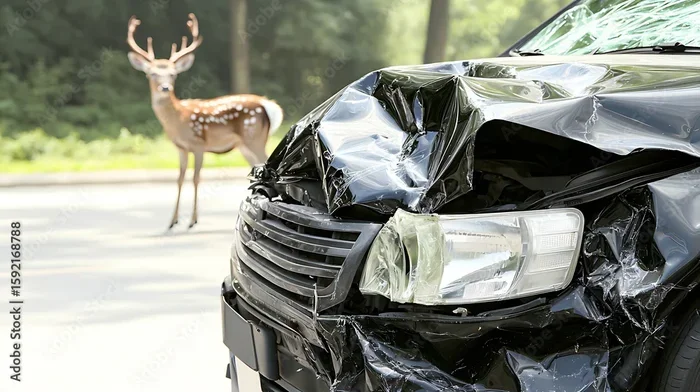
Deer collisions are the most common type of animal-related vehicle damage in the United States. According to industry data, there are over 1.5 million deer-vehicle collisions every year. These incidents cause billions of dollars in vehicle damage annually.
Deer strikes can cause serious damage to your front end. Common repairs include:
- Windshield replacement from deer antler impact
- Headlight and grille damage from the front bumper collision
- Radiator and cooling system damage from the force of impact
- Suspension and alignment issues from hitting a large animal at speed
If you have comprehensive coverage, your insurance company should cover these repairs. However, you will need to pay your deductible first. Deductibles for comprehensive coverage typically range from $250 to $1,000 depending on your policy.
It is worth noting that hitting a deer can sometimes total your car, especially if the damage is severe or the vehicle is older. In those cases, your insurance company pays the actual cash value of the vehicle rather than paying for repairs.
Smaller Animals and Unexpected Costs
Not all animal damage comes from large wildlife. Smaller animals like dogs, cats, squirrels, and raccoons can also cause damage. A dog running into the side of your car can dent the panel. A squirrel chewing through wires in your engine bay can cause electrical problems that cost hundreds of dollars to fix.
Comprehensive coverage generally covers these smaller animal incidents as well. The key is to document the damage properly and report it to your insurance provider promptly.
Exotic and Farm Animals
If you live in a rural area, you might encounter horses, cattle, or other large farm animals on the road. Hitting one of these animals can cause severe vehicle damage. Comprehensive coverage typically covers these incidents too, but the claim process may involve additional steps, such as contacting local animal control or law enforcement.
How to File an Animal Damage Insurance Claim
Filing a claim for animal damage is a process. Following the right steps ensures your claim gets approved quickly and smoothly.
Step 1: Ensure Your Safety First
After an animal collision, pull over to a safe location. Turn on your hazard lights. Check yourself and any passengers for injuries. Do not approach a wounded animal. Large animals like deer can be dangerous when injured, and even small animals may bite when scared.
Step 2: Document Everything
Documentation is critical for a successful claim. Take the following steps at the scene:
- Take photos of the damage to your vehicle from multiple angles
- Take photos of the road conditions and any animal evidence
- Note the exact location and time of the incident
- Record weather conditions if they contributed to the encounter
- Get contact information from any witnesses
The more evidence you have, the smoother your claim process will be.
Step 3: Contact Your Insurance Provider
Call your insurance company as soon as possible after the incident. Report the claim and provide all the documentation you collected. Most insurance companies have 24/7 claims hotlines for exactly this reason.
Be ready to provide your policy number, a description of what happened, and photos of the damage. The faster you file, the better.
Step 4: Get an Assessment
Your insurance company may send an adjuster to assess the damage. They may also direct you to an approved repair shop. Follow their instructions carefully. Getting unauthorized repairs before the assessment could delay your claim.
If you want to check your vehicle’s condition yourself before the adjuster arrives, you can learn how to do your own car diagnostics to get a general sense of what might be wrong. Just remember that the official assessment comes from your insurance company.
What Happens After You File a Claim?
Once you file your claim, there are a few things to expect as the process moves forward.
Deductibles and Payouts
Your comprehensive deductible is the amount you pay out of pocket before your insurance kicks in. For example, if your deductible is $500 and your repairs cost $3,000, your insurance pays $2,500 and you pay $500.
Comprehensive claims typically have a lower impact on your insurance premiums than collision claims. This is good news for drivers who file animal damage claims.
Repair Timelines
Repair timelines vary depending on the severity of the damage and the workload of your chosen repair shop. Minor damage like a dent or small crack might take a few days. Major damage like a replaced bumper or windshield could take one to two weeks.
Keep in mind that if your car is a total loss, your insurance company will pay you the actual cash value of the vehicle minus your deductible. This process takes longer because it involves valuation and negotiation.
Impact on Your Insurance Premiums
One of the biggest concerns drivers have is whether filing a comprehensive claim will raise their premiums. In most cases, a single comprehensive claim for animal damage has a minimal impact on your rates. Insurance companies understand that animal collisions are unavoidable in many cases.
However, filing multiple claims in a short period could trigger a rate increase. It is always wise to weigh the cost of repairs against the potential premium increase before filing a claim.
How to Prevent Animal Damage to Your Vehicle
Prevention is always better than dealing with a claim. Here are practical tips to reduce your risk of animal-related vehicle damage.
Drive Defensively in High-Risk Areas
If you live near wooded areas, parks, or rural roads, animal encounters are more likely. Slow down in these areas, especially at dawn and dusk when animals are most active. Use your high beams when there is no oncoming traffic to spot animals earlier.
Install Animal Deterrents
Some drivers install deer whistles or other ultrasonic deterrents on their vehicles. While their effectiveness is debated, they are inexpensive and easy to install. You can also use reflectors or motion-activated lights near your home to keep animals away from your driveway.
Maintain a Safe Following Distance
Keeping a safe distance from the vehicle ahead of you gives you more time to react if an animal darts into the road. This is a simple habit that can prevent many collisions.
Avoid Swerving Abruptly
It is tempting to swerve to avoid hitting an animal. However, swerving can cause you to lose control of your vehicle or collide with oncoming traffic. In many cases, it is safer to brake firmly and stay in your lane. This is a point worth remembering, especially when considering vehicle weight and stability. Carrying too much weight in your car can affect your braking distance and handling, making sudden maneuvers even riskier.
Expert Insights on Animal Damage Coverage
Insurance professionals offer valuable perspectives on animal damage claims. Here are some expert tips to keep in mind.
Review your policy annually. Coverage needs change over time. If you live in an area with high wildlife activity, make sure your comprehensive coverage limits are sufficient to cover potential repairs.
Understand your deductible. Choosing a lower deductible means you pay less out of pocket after an incident, but it also means a higher monthly premium. Find the balance that works for your budget and risk level.
Keep a emergency kit in your car. A basic kit with a flashlight, first aid supplies, and a camera (or your phone) can help you document incidents quickly and effectively.
Know your state laws. Some states have specific regulations around animal collisions and insurance claims. Familiarize yourself with the rules in your state so you are not caught off guard.
Key Takeaways
- Comprehensive coverage is essential: It is the only type of car insurance that typically covers animal-related damage to your vehicle.
- Collision coverage does not apply: Hitting a deer, dog, or other animal falls under comprehensive, not collision, coverage.
- Filing a claim is straightforward: Document the damage, contact your provider, and provide police or wildlife reports if available.
- Deductibles still apply: You must pay your deductible before your insurance company covers the remaining repair costs.
- Prevention saves money: Simple driving habits can reduce the risk of animal collisions and keep your premiums lower.
- Not all animal damage is covered: Damage from pets you own or damage caused by your own negligence may not be eligible for a claim.
Frequently Asked Questions
Does full coverage car insurance cover animal damage?
Full coverage typically includes both liability, collision, and comprehensive coverage. Since animal damage falls under comprehensive coverage, yes, full coverage policies usually cover animal damage. However, you will still need to pay your comprehensive deductible before the insurance company covers the rest of the repair costs.
Will my insurance rates go up after an animal damage claim?
In most cases, a single comprehensive claim for animal damage has a minimal impact on your insurance rates. Insurance companies view animal collisions as unavoidable events. However, filing multiple claims in a short period could lead to a rate increase, so it is wise to consider the cost of repairs against potential premium hikes.
What should I do immediately after hitting an animal with my car?
First, pull over to a safe location and turn on your hazard lights. Check yourself and passengers for injuries. Do not approach a wounded animal. Take photos of the damage and the scene, note the location and time, and contact your insurance company as soon as possible to file a claim.
Does car insurance cover damage from a pet that ran into my car?
Comprehensive coverage generally covers damage caused by animals, including pets. However, if the pet owner is identifiable, their homeowners or renters insurance may be responsible for the damage. Check with your insurance provider to determine the best course of action for your specific situation.
What is the deductible for comprehensive animal damage claims?
Comprehensive deductibles typically range from $250 to $1,000, depending on your policy and insurance company. You choose your deductible when you purchase your policy. A lower deductible means lower out-of-pocket costs after a claim but a higher monthly premium.
Can I choose my own repair shop for animal damage repairs?
Most insurance companies allow you to choose your repair shop, though some may recommend or require you to use an approved network. Check with your provider about their repair shop policies. Getting an estimate from your preferred shop before the insurance adjuster visit can also be helpful.
=== CONCLUSION ===
Does car insurance cover animal damage? The short answer is yes, as long as you have comprehensive coverage on your policy. Comprehensive insurance is specifically designed to handle non-collision events, and animal strikes fall squarely into that category. From deer collisions to smaller animal encounters, your insurance can help cover the cost of repairs, minus your deductible.
Understanding your coverage, knowing how to file a claim, and taking steps to prevent animal damage can all save you time, money, and stress. Review your policy today to make sure you have the right protection in place. An unexpected animal encounter is stressful enough without having to worry about whether your insurance has your back.
Stay safe on the roads, drive defensively, and keep your insurance coverage up to date. Your vehicle and your wallet will thank you.