Does Car Insurance Cover Windshield Damage And Glass
Yes, car insurance can cover windshield damage, but it depends on your policy type. Comprehensive car insurance typically includes windshield repair and replacement coverage. This guide explains exactly what glass damage coverage includes, how to file a claim, and ways to reduce your insurance deductible for auto glass repairs.
Have you ever been driving down the highway and felt a small rock hit your windshield? It is one of those moments that make you cringe. You look in the mirror and see a tiny chip. Then you start wondering, will my insurance cover this? The short answer is, it depends on your policy. But the full picture is much more interesting and helpful than a simple yes or no.
Does car insurance cover windshield damage? Yes, in most cases it does. But the type of coverage you have matters a lot. Many drivers do not realize that their comprehensive car insurance policy includes glass coverage for the windshield and other windows. Others find out the hard way that their basic liability plan does not cover a single crack. This article breaks down everything you need to know about auto insurance and windshield damage. You will learn what is covered, how to file a claim, and how to save money on repairs.
Windshield damage is more common than most people think. A pebble kicked up by a truck, a sudden hailstorm, or even a minor fender bender can leave your windscreen cracked or shattered. The windshield replacement cost can range from a few hundred dollars to over a thousand, depending on your vehicle. Understanding your car insurance policy before you need it is one of the smartest things you can do as a car owner.
Key Takeaways
- Comprehensive coverage is key: Only comprehensive policies cover windshield damage from non-collision events like debris, weather, and vandalism.
- Zero deductible glass options exist: Some insurers offer zero-deductible glass coverage, meaning you pay nothing out of pocket for windshield repairs.
- Small cracks can be repaired for free: Minor chips and cracks under a certain size are often repaired at no cost to you.
- Filing a claim may affect your premium: A windshield claim usually does not raise your rates as much as a collision claim.
- OEM vs aftermarket glass matters: Your policy may specify which type of windshield replacement is covered.
- Regular maintenance helps prevent damage: Using protective film and avoiding tailgating can reduce the risk of windshield damage.
📑 Table of Contents
- What Does Car Insurance Cover For Windshield Damage?
- Types Of Car Insurance And Glass Coverage
- How To File A Windshield Damage Claim
- Windshield Repair Vs Replacement: What Your Insurance Covers
- Factors That Affect Your Windshield Claim
- Tips To Protect Your Windshield And Save On Insurance
- Common Mistakes To Avoid With Windshield Claims
- Expert Insights On Windshield Coverage
- Key Takeaways
- Conclusion
What Does Car Insurance Cover For Windshield Damage?
The answer to this question depends on the type of insurance you carry. Not all policies are the same. Let us break down the different types of coverage and what they mean for your windshield.
Comprehensive Coverage And Glass Repair
Comprehensive car insurance is the main type of policy that covers windshield damage. This coverage pays for damage caused by events that are not collisions. Here are the common scenarios that comprehensive coverage handles:
- Falling objects: Tree branches, debris, or hail hitting your windshield.
- Vandalism: Someone smashing your car glass intentionally.
- Weather damage: Hail storms, extreme temperature changes, or severe wind damage.
- Flying debris: Rocks, gravel, or other objects kicked up by other vehicles.
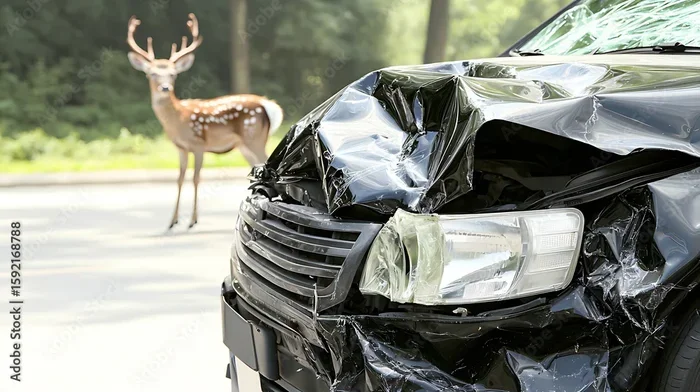
- Animal collisions: A deer or bird hitting your windshield while driving.
If you have comprehensive coverage, your insurer will typically pay for windshield crack repair or full replacement, minus your deductible. This is great news for most drivers. It means you are not left paying the full windshield replacement cost out of your own pocket.
Some policies also include zero deductible glass coverage. This is an add-on that means you pay nothing when you file a glass claim. You get your windshield fixed or replaced at no cost to you. Check with your insurer to see if this option is available.
Collision Coverage And Windshield Damage
Collision coverage is different from comprehensive coverage. It pays for damage caused by accidents with other vehicles or objects. If you get into a car accident and your windshield cracks, collision coverage can help pay for the repair or replacement. However, you will still need to pay your collision deductible first.
For example, if you rear-end another car and your windshield cracks in the process, your collision insurance would apply. The insurance claim process works the same way as any other collision claim. You file a report, get an estimate, and your insurer processes the payment.
Liability Coverage And Windshield Damage
Liability coverage does not cover your own windshield damage. It only pays for damage you cause to other people or their property. So if you are wondering whether your basic liability plan covers a cracked windshield, the answer is no. You need comprehensive or collision coverage for that.
Types Of Car Insurance And Glass Coverage
Not all car insurance policies are created equal. Here is a closer look at how different policy types handle auto glass repair and windshield damage.
| Policy Type | Covers Windshield? | Deductible Applies? | Best For |
|---|---|---|---|
| Liability Only | No | N/A | Basic legal requirement coverage |
| Collision Only | Yes (accident-related) | Yes | At-fault accident damage |
| Comprehensive Only | Yes (non-collision) | Yes (unless zero deductible) | Weather, debris, vandalism |
| Full Coverage (Liability + Collision + Comprehensive) | Yes | Yes | All types of windshield damage |
| Zero Deductible Glass Add-On | Yes | No | Peace of mind for glass repairs |
As you can see, having full coverage gives you the best protection. If your budget allows, adding comprehensive coverage to your policy is one of the best decisions you can make. Even if you have a safe driving record, windshield damage can happen to anyone at any time.
Some drivers also choose standalone glass insurance or glass repair endorsements. These are add-ons to your existing policy that specifically cover auto glass. They often come with lower or no deductibles. If you live in an area with lots of hail or rough roads, this type of coverage can save you a lot of money.
How To File A Windshield Damage Claim
Filing a claim for windshield damage is usually straightforward. Here is a step-by-step guide to help you through the process.
- Document the damage. Take clear photos of the crack or chip from multiple angles. Include the size, location, and any surrounding damage.
- Check your policy. Review your insurance documents to confirm you have comprehensive or collision coverage that includes glass damage.
- Contact your insurer. Call your insurance company or use their mobile app to start the claim process.
- Get a repair estimate. Visit an authorized auto glass specialist or your insurer-approved repair shop. Get a written estimate for the repair or replacement.
- Submit the claim. Provide your photos, estimate, and policy details to your insurer.
- Get your windshield fixed. Once the claim is approved, schedule the repair or replacement at a convenient time.
Most insurers have a fast claims process for windshield damage. Many companies can approve a claim within 24 to 48 hours. Some even offer mobile repair services where a technician comes to your home or office. This makes the whole process very convenient for busy drivers.
Keep in mind that filing a claim does affect your insurance claim history. However, a windshield claim is usually treated differently from a collision claim. Most insurers do not raise your premium significantly after a glass-only claim. This is because glass claims are considered low-risk compared to at-fault accidents.
Tips For A Smooth Claims Process
- Always use an approved repair shop recommended by your insurer.
- Keep all receipts and documentation related to the repair.
- Ask about OEM windshield vs aftermarket options before choosing a replacement.
- File your claim as soon as possible after the damage occurs.
- Do not delay repairs. A small chip can turn into a large crack over time.
Windshield Repair Vs Replacement: What Your Insurance Covers
One of the most common questions drivers ask is whether insurance covers repair or if it requires a full replacement. The answer depends on the severity of the damage.
When Repair Is Enough
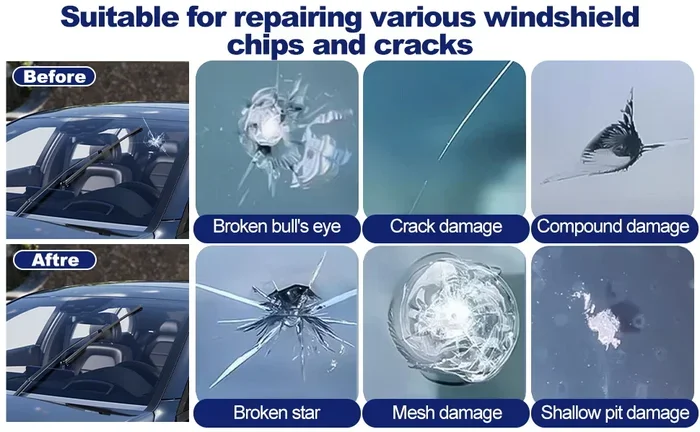
Most insurance companies prefer to repair rather than replace a windshield when possible. A small chip or crack that is less than six inches long can usually be repaired. The repair process involves injecting a special resin into the damaged area and curing it with UV light.
Here are the benefits of choosing repair over replacement:
- Faster turnaround: A repair can often be done in 30 minutes or less.
- Lower cost: Many policies cover repair at no cost to you, especially with zero deductible glass coverage.
- Preserves original glass: You keep your factory-installed windshield, which is always better for safety and resale value.
- No deductible: Some insurers waive the deductible for repairs under a certain size.
When Replacement Is Necessary
Sometimes a windshield cannot be repaired. You will need a full replacement if the crack is longer than six inches, if the damage is in the driver’s line of sight, or if there are multiple cracks or chips. In these cases, your comprehensive coverage will typically pay for the replacement.
The windshield replacement cost varies widely. A standard replacement might cost between 200 and 500 dollars. For luxury or specialty vehicles, the cost can go well above 1000 dollars. Your insurance covers the cost minus your deductible, so the amount you pay depends on your policy terms.
It is worth noting that some policies distinguish between OEM windshield and aftermarket windshield replacements. An OEM windshield is made by the original manufacturer and fits perfectly. An aftermarket windshield is made by a third party and may cost less. Check your policy to see which option is covered and whether you have a choice.
For instance, if you have ever dealt with a cracked windshield after a long road trip, you know how stressful it can be. That is why understanding your coverage ahead of time is so important. It takes the guesswork out of a difficult situation.
Factors That Affect Your Windshield Claim
Several factors determine how your windshield claim is handled. Understanding these factors can help you set the right expectations and avoid surprises.
Your Deductible Amount
Your deductible is the amount you pay out of pocket before insurance kicks in. If your deductible is 500 dollars and the windshield replacement costs 800 dollars, you pay 500 and your insurer pays 300. Higher deductibles mean lower premiums but more out-of-pocket cost when you file a claim.
Some drivers choose a lower deductible specifically for glass coverage. This way, they can get their windshield fixed without a big expense. Ask your insurer about glass-specific deductible options.
The Cause Of The Damage
The cause of the damage matters a lot. If a tree branch falls on your windshield during a storm, comprehensive coverage applies. If you hit a deer and crack your windshield, comprehensive coverage still applies. But if you are in a car accident caused by your own negligence, collision coverage applies instead.
In some cases, the at-fault driver’s insurance may cover your windshield damage. For example, if someone hits your car from behind and cracks your windshield, their liability insurance should pay for the repair. This is where having the other driver’s insurance information becomes important.
Your Claims History
Insurance companies look at your claims history when you file a new claim. If you have filed multiple claims in a short period, it may affect your renewal rates. However, glass-only claims are generally viewed more favorably than accident claims. One or two glass claims per year usually do not cause a significant premium increase.
Your Location And Driving Habits
Where you live and how you drive also play a role. Drivers in areas with frequent hailstorms, heavy construction, or rough roads are more likely to experience windshield damage. Similarly, highway drivers face more flying debris than those who drive short distances on quiet streets.
Some insurers offer discounts for drivers who take defensive driving courses or who have a clean driving record. These discounts can help offset the cost of your premium over time.
Tips To Protect Your Windshield And Save On Insurance
Prevention is always better than cure. Here are some practical tips to protect your windshield and reduce the chances of needing an insurance claim.
Keep A Safe Following Distance
One of the biggest causes of windshield damage is rocks and debris kicked up by other vehicles. The faster you drive and the closer you follow, the higher the risk. Keep a safe distance from trucks and construction vehicles. This simple habit can save you from a cracked windshield.
Use Protective Windshield Film
Consider applying a protective film to your windshield. Products like 3M anti glare film for car windshield can help absorb impact from small debris and reduce the risk of chips and cracks. These films are easy to install and can extend the life of your windshield significantly.
Avoid Parking Under Trees
Falling branches are a leading cause of windshield damage. Park in garages or covered areas whenever possible. If you must park outside, choose spots away from large trees and construction zones.
Repair Chips Immediately
A small chip can spread into a large crack within days, especially with temperature changes. Fixing a chip early is much cheaper and easier than replacing an entire windshield. Many repair shops offer free or low-cost chip repairs.
Keep Your Windshield Clean
Dirt and grime can weaken your windshield over time. Regular cleaning with proper products helps maintain the integrity of the glass. Avoid using harsh chemicals that can cause micro-cracks. For tips on keeping your car glass clean, check out our guide on 30 unwanted things you can remove from car glass.
Drive Defensively
Defensive driving reduces your risk of accidents and windshield damage. Stay alert, anticipate hazards, and avoid aggressive driving. If you do encounter a situation where debris is flying toward your car, slow down safely and protect your windshield as much as possible.
Review Your Policy Regularly
Your insurance needs change over time. Review your policy at least once a year to make sure you have adequate glass coverage. If you have recently moved to a new area or bought a new vehicle, your coverage may need to be adjusted.
Common Mistakes To Avoid With Windshield Claims
There are several common mistakes that drivers make when dealing with windshield damage and insurance claims. Avoiding these can save you time, money, and frustration.
- Waiting too long to file a claim: Delaying a claim can make the damage worse and complicate the process. File as soon as the damage occurs.
- Ignoring small chips: A tiny chip can spread quickly. Address it immediately to avoid a full replacement.
- Using the wrong repair shop: Always use an insurer-approved shop to ensure your claim is processed smoothly.
- Not understanding your deductible: Know your deductible amount before filing a claim so there are no surprises.
- Assuming all damage is covered: Read your policy carefully to understand what is and is not covered under your plan.
- Forgetting to document everything: Photos and written records are your best friend during the claims process.
Expert Insights On Windshield Coverage
Insurance experts agree that windshield coverage is one of the most overlooked aspects of car insurance. Many drivers assume their basic policy covers everything, only to find out it does not. Here are a few expert tips to keep in mind.
Ask about glass endorsements. If your current policy does not include glass coverage, ask your insurer about adding a glass endorsement. This is usually a small add-on that provides dedicated coverage for all car glass, including the windshield, side windows, and rear window.
Consider your driving environment. If you drive frequently on highways or in areas with harsh weather, comprehensive glass coverage is almost essential. The cost of the coverage is usually very low compared to the potential savings on a windshield replacement.
Know your rights. In many states, insurers are required to offer glass coverage as part of comprehensive policies. If your insurer does not include it, ask why and explore other options. Understanding your rights as a policyholder gives you an advantage when dealing with claims.
It is also worth noting that some incidents, like hitting a deer, can cause significant windshield damage. If you are wondering whether your policy would cover damage from a collision with an animal, the answer is usually yes, under comprehensive coverage. For more information on animal-related car damage, check out our article on can hitting a deer total your car.
Key Takeaways
- Comprehensive coverage is essential: It is the primary type of insurance that covers windshield damage from non-collision events.
- Zero deductible glass options save money: Look for this add-on to avoid paying anything out of pocket for glass repairs.
- Repair is better than replacement: Small chips and cracks are often repairable at no cost to you under comprehensive coverage.
- Filing a glass claim rarely raises premiums: Unlike collision claims, glass-only claims typically do not significantly impact your rates.
- Prevention reduces claims: Safe driving habits and protective measures can help you avoid windshield damage altogether.
Conclusion
Does car insurance cover windshield damage? Yes, it does, as long as you have the right type of coverage. Comprehensive car insurance is the key to protecting your windshield from non-collision damage. Whether it is a small chip from a flying rock or a full replacement after a storm, your insurance has you covered.
Understanding your policy, knowing how to file a claim, and taking steps to prevent damage are all part of being a smart car owner. Take the time to review your coverage today. Make sure you have comprehensive glass protection in place. It could save you hundreds of dollars and a lot of stress the next time something happens to your windshield.
Remember, a small investment in the right coverage can go a long way. Protect your car, protect your wallet, and drive with confidence knowing your windshield is covered.
Frequently Asked Questions
Does full coverage car insurance include windshield repair?
Yes, full coverage includes comprehensive coverage, which covers windshield repair and replacement for non-collision damage. If the damage is from an accident, collision coverage also applies. Check your specific policy for details on deductibles and limits.
Will filing a windshield claim raise my insurance premium?
In most cases, a windshield-only claim does not significantly raise your premium. Insurers view glass claims as low-risk compared to accident claims. However, multiple claims in a short period may have some impact on your rates.
How much does it cost to replace a windshield with insurance?
With comprehensive coverage, you pay your deductible and the insurer covers the rest. If you have zero deductible glass coverage, you pay nothing. The total replacement cost typically ranges from 200 to 1000 dollars depending on your vehicle type.
Can I choose any repair shop for my windshield claim?
Most insurers have a network of approved repair shops. Using an approved shop ensures faster claim processing and guaranteed workmanship. Some insurers also offer mobile repair services that come to your location.
What is the difference between OEM and aftermarket windshields?
An OEM windshield is made by the original manufacturer and matches your vehicle exactly. An aftermarket windshield is made by a third-party manufacturer. OEM glass is generally higher quality but costs more. Your policy may specify which type is covered.
Does my insurance cover a cracked windshield from a hailstorm?
Yes, hail damage to your windshield is covered under comprehensive coverage. This is one of the most common reasons drivers file glass claims. Make sure you have comprehensive coverage on your policy to be protected from weather-related damage.