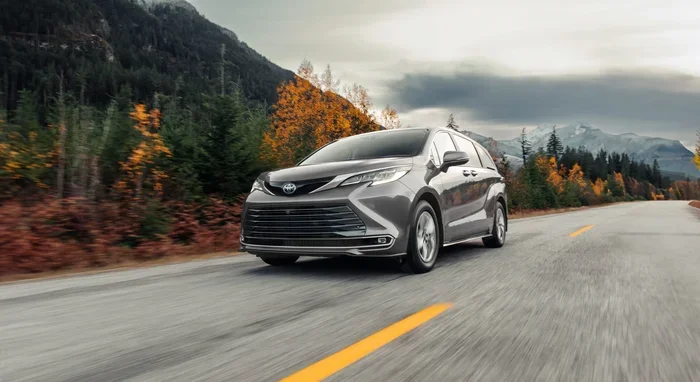
Does the Toyota Sienna Really Get 36 MPG Explained
The Toyota Sienna promises impressive fuel economy, but does it really deliver 36 MPG? Many buyers wonder if this minivan lives up to its EPA ratings. We dive deep into the numbers, real-world performance, and factors that affect your Toyota Sienna MPG to give you a clear answer.
When you shop for a family-friendly minivan, fuel economy often sits near the top of the list. The Toyota Sienna has built a strong reputation over the years. One number that keeps popping up is 36 MPG. But does the Toyota Sienna really get 36 MPG? Let us find out together.
You have probably seen the ads. Toyota claims the Sienna hybrid delivers outstanding fuel efficiency. But claims on a brochure do not always match what you experience at the pump. In this guide, we break down the real numbers. We look at what the EPA says, what actual owners report, and what factors can push your fuel economy up or down.
Whether you are shopping for a new Sienna or already own one, understanding its fuel economy helps you make smarter decisions. You will learn about the hybrid system, how different trims compare, and simple tips to squeeze more miles out of every gallon. Let us get into it.
Key Takeaways
- EPA ratings vary by trim: The Toyota Sienna hybrid can reach up to 36 MPG highway, but real-world results differ.
- Driving habits matter: Your driving style, speed, and terrain all impact how many miles you get per gallon.
- The hybrid system is key: The Sienna’s hybrid powertrain is what makes its fuel economy so competitive for a minivan.
- Trim level affects MPG: Higher trims with AWD tend to get slightly lower fuel economy than FWD models.
- Maintenance plays a role: Keeping your tires inflated and engine tuned helps you hit those MPG numbers.
- Real-world vs. EPA: Most owners report within 10% of the official ratings, which is quite good.
📑 Table of Contents
- What the Toyota Sienna MPG Claims Really Mean
- How the Toyota Sienna Hybrid Powertrain Works
- Real-World Toyota Sienna Fuel Economy vs. EPA Ratings
- Toyota Sienna MPG by Trim Level
- Tips to Maximize Your Toyota Sienna MPG
- Is the Toyota Sienna Worth the Fuel Economy?
- Common Mistakes That Hurt Your Toyota Sienna MPG
- Expert Insights on Minivan Fuel Economy
- Final Thoughts on the Toyota Sienna 36 MPG Claim
What the Toyota Sienna MPG Claims Really Mean
Toyota says the Sienna hybrid achieves up to 36 MPG on the highway. That sounds great. But what does that number actually mean? The EPA tests vehicles under controlled conditions. These tests give you a baseline. However, real-world driving is never perfectly controlled.
The 36 MPG figure applies to specific trim levels and drivetrain configurations. The base L trim with front-wheel drive tends to hit the highest numbers. AWD models usually fall slightly below that mark. So when someone tells you the Sienna gets 36 MPG, ask which trim they mean.
Here is a quick look at what Toyota claims for the latest Sienna hybrid lineup:
- Base L FWD: Up to 36 MPG highway
- SE FWD: Up to 35 MPG highway
- XLE FWD: Up to 35 MPG highway
- XLE AWD: Around 34 MPG highway
- Limited AWD: Around 34 MPG highway
As you can see, the 36 MPG number is real. But it only applies under ideal conditions and specific configurations. This matters when you are comparing the Toyota Sienna MPG to other minivans like the Honda Odyssey or Chrysler Pacifica.
How the EPA Tests Fuel Economy
The EPA uses a standardized testing process. They run vehicles on dynamometers in climate-controlled labs. The tests include city driving cycles and highway driving cycles. The results give you the combined MPG number you see on the window sticker.
These tests do not account for your personal driving style. They do not factor in heavy traffic, roof racks, or towing. So the EPA number is a best-case scenario. Think of it as a benchmark, not a guarantee.
How the Toyota Sienna Hybrid Powertrain Works
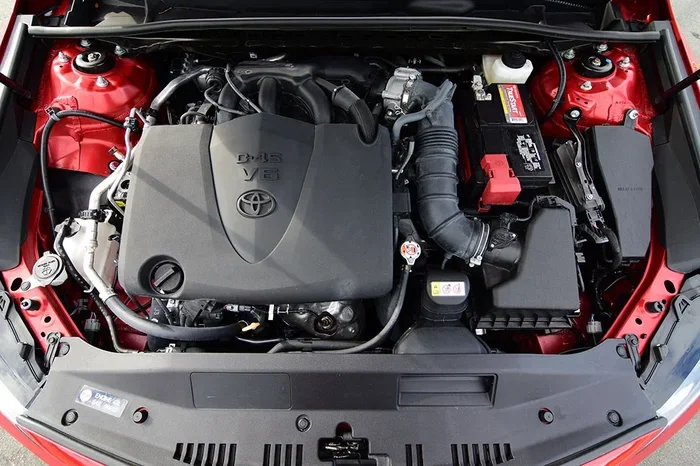
The secret behind the Sienna’s fuel economy is its hybrid system. The Sienna uses a 2.5-liter four-cylinder engine paired with two electric motors. This setup allows the van to switch between gas power and electric power seamlessly. The system recaptures energy during braking and stores it in a battery pack.
Understanding how the hybrid system decides when to use gas versus electric power helps you appreciate the Sienna’s efficiency. At low speeds, the electric motors handle most of the work. When you hit the highway, the gas engine takes over. The transition happens so smoothly that you barely notice it.
Electric-Only Driving
One of the best features of the Sienna hybrid is its ability to drive on electric power alone at low speeds. This happens during parking maneuvers and slow city driving. It means zero gas burned during those moments. Over time, this adds up to real fuel savings.
The battery pack is a nickel-metal hydride unit. Toyota has used this technology for years, and it is proven to be reliable. The battery is designed to last the life of the vehicle. That means fewer worries about costly replacements down the road.
Regenerative Braking
Regenerative braking is a clever system. When you take your foot off the accelerator or hit the brakes, the electric motors reverse direction. They become generators. This converts kinetic energy back into electrical energy. That energy then charges the hybrid battery.
Every time you slow down or stop, you are recapturing energy. In city driving with lots of stops, this makes a noticeable difference. It is one reason the Sienna’s city MPG is so competitive for a vehicle its size.
Real-World Toyota Sienna Fuel Economy vs. EPA Ratings
The EPA gives you a starting point. But what do real owners experience? We looked at owner reports from various sources. The results are encouraging for the Sienna.
Most Sienna hybrid owners report getting within 90% to 100% of the EPA-rated fuel economy. Some owners even exceed the highway rating. Others find their numbers fall slightly short. The variation depends on several factors.
Factors That Affect Your Real-World MPG
Many things influence how many miles you get per gallon. Here are the biggest factors:
- Driving speed: Highway cruising at 65 mph is more efficient than 80 mph.
- Traffic conditions: Stop-and-go city driving uses more fuel than steady highway driving.
- Terrain: Flat roads are easier on fuel than hilly routes.
- Load weight: A fully loaded van uses more gas than an empty one.
- Tire pressure: Underinflated tires create more rolling resistance.
- A/C usage: Running the air conditioning puts extra load on the engine.
- Driving habits: Aggressive acceleration and hard braking waste fuel.
If you live in a hilly area or carry heavy loads regularly, expect your MPG to be slightly lower than the EPA number. That is completely normal. The key is to understand your driving patterns and adjust your expectations accordingly.
Owner Reports and Community Feedback
Online forums and owner communities paint a consistent picture. Most Sienna hybrid owners are happy with their fuel economy. They report averaging between 30 and 35 MPG in mixed driving. Highway-only drivers often report numbers closer to 36 MPG. City drivers typically see 28 to 32 MPG.
These real-world numbers are very close to the EPA ratings. That tells you Toyota’s claims are reasonable and achievable. The Sienna holds its own against competitors in the minivan segment.
Toyota Sienna MPG by Trim Level
Not every Sienna trim delivers the same fuel economy. The trim you choose affects your MPG in meaningful ways. Let us break it down by trim level so you can make an informed choice.
| Trim Level | Drivetrain | City MPG | Highway MPG | Combined MPG |
|---|---|---|---|---|
| L | FWD | 36 | 36 | 36 |
| SE | FWD | 36 | 35 | 35 |
| XLE | FWD | 36 | 35 | 35 |
| XLE | AWD | 35 | 34 | 34 |
| Limited | AWD | 35 | 34 | 34 |
As you can see, the base L trim with FWD hits the top number. AWD models lose about 1 to 2 MPG. This is typical for most vehicles. The added weight and drag of the AWD system cost you a little fuel efficiency.
If maximizing fuel economy is your top priority, the L FWD trim is your best bet. But if you need AWD for weather and traction, the difference is small. You still get excellent fuel economy for a full-size minivan.
Comparing the Sienna to Other Minivans
How does the Sienna stack up against the competition? The Honda Odyssey gets around 32 MPG combined. The Chrysler Pacifica Hybrid achieves about 32 MPG combined as well. The Sienna’s 36 MPG highway rating gives it an edge in the segment.
When you visit a local Chevrolet dealership to compare options, keep in mind that Chevrolet does not currently offer a hybrid minivan. The Sienna’s hybrid system sets it apart in this vehicle category.
Tips to Maximize Your Toyota Sienna MPG
Want to get the most out of every gallon? Small changes in how you drive and maintain your vehicle can make a big difference. Here are practical tips that actually work.
Drive Smoothly and Steadily
Aggressive driving wastes fuel. Quick acceleration and hard braking burn through gas faster. Instead, accelerate gently and coast to stops when possible. Smooth driving is the single biggest factor you can control.
Try to maintain a steady speed on the highway. Use cruise control when conditions allow. Avoid unnecessary lane changes and passing. All of these habits add up over thousands of miles.
Keep Your Tires Properly Inflated
Underinflated tires create more rolling resistance. Your engine has to work harder to keep the van moving. Check your tire pressure at least once a month. The recommended pressure is listed on the driver’s side door jamb.
Properly inflated tires also last longer. So you save money on fuel and tire replacements at the same time. That is a win-win situation.
Reduce Unnecessary Weight
Every extra pound your van carries requires more fuel. Remove roof racks when you are not using them. Clear out the trunk of heavy items you do not need. The lighter your vehicle, the better your fuel economy.
This is especially important if you frequently transport bulky items. A roof rack creates aerodynamic drag. That drag can reduce your MPG by 2 to 5 percent. Take it off when it is not needed.
Stay on Top of Maintenance
Regular maintenance keeps your Sienna running efficiently. Change your oil on schedule. Replace air filters when they get dirty. Keep the engine tuned up. A well-maintained vehicle always gets better fuel economy.
If something feels off with your driving experience, get it checked. A misaligned wheel or a faulty sensor can hurt your MPG without you noticing. Early detection saves you money in the long run.
Is the Toyota Sienna Worth the Fuel Economy?
The Toyota Sienna delivers strong fuel economy for a minivan. But is it worth the price of a hybrid vehicle? That depends on your situation. Let us look at the bigger picture.
Fuel Cost Savings Over Time
A hybrid Sienna saves you money at the pump over the life of the vehicle. Let us say you drive 15,000 miles per year. At $3.50 per gallon, the Sienna hybrid costs about $1,458 per year in fuel. A non-hybrid minivan getting 22 MPG would cost around $2,386 per year. That is a savings of nearly $930 annually.
Over five years of ownership, those savings add up to over $4,600. That is real money back in your pocket. The hybrid premium you pay upfront can pay for itself through fuel savings alone.
Of course, fuel prices fluctuate. But the trend is clear. Hybrid vehicles offer lower operating costs over time. This makes the Sienna a smart choice for budget-conscious families.
Resale Value and Ownership Costs
Toyota vehicles hold their value well. The Sienna is no exception. Strong fuel economy ratings contribute to higher resale value. Buyers want vehicles that save them money on gas.
Also, hybrid components are designed to last. Toyota backs the hybrid system with a comprehensive warranty. You do not need to worry about expensive repairs. This gives you peace of mind as an owner.
If you ever face financial difficulties with your vehicle payments, know that options exist. You can explore ways to get your car back after repossession if needed. But with the Sienna’s strong resale value, that scenario is unlikely for most owners.
The Bottom Line
The Toyota Sienna really does get 36 MPG. Not every trim or every driver will hit that exact number. But the Sienna hybrid delivers competitive fuel economy that stands out in the minivan segment. It is efficient, practical, and reliable.
If you want a family van that saves on fuel without sacrificing space or comfort, the Sienna is a top choice. Its hybrid system works beautifully. The real-world results back up the claims. You can feel good about your purchase.
Take the time to test drive one yourself. Visit a dealer and see how the Sienna drives on the road. Pay attention to the fuel economy display on the dashboard. You will see those MPG numbers in action. Once you experience it, you will understand why the Toyota Sienna remains one of the best-selling minivans on the market.
Common Mistakes That Hurt Your Toyota Sienna MPG
Even with the best intentions, some habits silently reduce your fuel economy. Being aware of these mistakes helps you avoid them.
- Idling for too long: Turn off the engine if you are parked for more than a minute.
- Ignoring the check engine light: A faulty sensor can reduce efficiency significantly.
- Using the wrong oil: Always use the grade recommended by Toyota.
- Carrying a heavy roof rack: Remove it when not in use to reduce drag.
- Warm-up idling: Modern hybrids do not need extended warm-up time.
Avoiding these simple mistakes can help you stay closer to the EPA-rated numbers. Small changes lead to big savings over time.
Expert Insights on Minivan Fuel Economy
Automotive experts agree that the Toyota Sienna is one of the most fuel-efficient minivans available. Its hybrid powertrain gives it a clear advantage. Industry analysts point to the Sienna’s strong fuel economy as a key selling point.
Fuel economy is not just about saving money. It also reduces your environmental impact. Every gallon of gas you save means fewer emissions. The Sienna hybrid helps you drive greener without sacrificing performance or practicality.
When experts compare minivans, the Sienna consistently ranks near the top for fuel efficiency. Its 36 MPG highway rating is among the best in the class. This makes it an attractive option for families who want both space and efficiency.
Final Thoughts on the Toyota Sienna 36 MPG Claim
So, does the Toyota Sienna really get 36 MPG? The answer is yes. The base L FWD hybrid trim delivers up to 36 MPG on the highway under EPA testing conditions. Real-world results are close to this number, especially for drivers who follow good fuel habits.
The Toyota Sienna MPG numbers are achievable. They are backed by real owner data and EPA testing. The hybrid system works as designed. Toyota has engineered a minivan that proves you do not have to choose between space and efficiency.
If fuel economy matters to you, the Sienna deserves a spot on your shortlist. It offers the best of both worlds. You get a spacious, comfortable family vehicle that also saves you money at the pump. That is a combination that is hard to beat.
Take the next step. Test drive a Toyota Sienna hybrid today. See the fuel economy numbers for yourself. You will be pleasantly surprised by what this minivan can do.
Frequently Asked Questions
Is the Toyota Sienna the only hybrid minivan with 36 MPG?
The Sienna is one of the few minivans to achieve 36 MPG on the highway. Most competitors fall short of this number. The Chrysler Pacifica Hybrid gets close but does not match the Sienna’s highway rating.
Can I improve my Toyota Sienna MPG beyond the EPA rating?
Yes, to a degree. Smooth driving, proper tire pressure, and reduced weight all help. You may not exceed the EPA rating significantly, but you can come very close with good habits.
Does the Toyota Sienna hybrid battery need replacing?
Toyota designed the hybrid battery to last the life of the vehicle. Most owners never need a replacement. The warranty covers the hybrid components for 8 to 10 years, giving you extra peace of mind.
How does the Toyota Sienna MPG compare to the Honda Odyssey?
The Odyssey gets around 32 MPG combined. The Sienna hybrid edges it out with 35 to 36 MPG highway. The Sienna’s hybrid system gives it a clear fuel economy advantage.
Does AWD reduce the Toyota Sienna’s fuel economy?
Yes, slightly. AWD models lose about 1 to 2 MPG compared to FWD versions. The added weight and drivetrain friction account for the difference. But the gap is small and manageable.
What is the best trim for maximum fuel economy in the Toyota Sienna?
The base L trim with front-wheel drive delivers the highest MPG. It achieves 36 MPG combined. If you want the best fuel economy, this is the trim to choose.