How to Add Transmission Fluid to Your Jeep Cherokee
Adding transmission fluid to your Jeep Cherokee is a simple maintenance task you can do at home with basic tools. This guide walks you through everything from choosing the correct fluid type to checking the level and avoiding costly errors. Whether you have a newer model or an older Jeep, these steps will help you maintain smooth shifting and extend the life of your transmission.
Key Takeaways
- Use the right fluid: Always check your owner’s manual for the OEM-recommended transmission fluid type for your Jeep Cherokee.
- Check the level first: Never add fluid without checking the current level using the dipstick to avoid overfilling.
- Warm up the engine: Always add fluid when the engine is warm and the vehicle is on a level surface for an accurate reading.
- Avoid common mistakes: Overfilling, using the wrong fluid type, and skipping regular checks are the most frequent errors drivers make.
- Know when to seek help: If you notice leaks, burning smells, or unusual shifting behavior, consult a professional mechanic right away.
- Regular maintenance matters: Routine transmission fluid checks can prevent expensive repairs and keep your Jeep Cherokee running for years.
📑 Table of Contents
- Why Transmission Fluid Matters for Your Jeep Cherokee
- Choosing the Right Transmission Fluid for Your Jeep Cherokee
- How to Add Transmission Fluid to Your Jeep Cherokee: Step by Step
- Common Mistakes When Adding Transmission Fluid
- How Often Should You Check and Change Your Transmission Fluid?
- When Should You See a Professional?
- Quick Tips for Maintaining Your Jeep Cherokee Transmission
- Conclusion
Why Transmission Fluid Matters for Your Jeep Cherokee
Your Jeep Cherokee is a tough, reliable SUV built for adventure. But even the best vehicles need regular care to keep running their best. One of the most important yet overlooked maintenance tasks is checking and adding transmission fluid. This fluid keeps your transmission cool, lubricated, and shifting smoothly.
Without proper fluid levels, your transmission can overheat. Over time, this leads to serious damage that costs thousands of dollars to fix. The good news? Adding fluid is easy and inexpensive. You can do it in your driveway with a few basic tools and about 20 minutes of your time.
The Jeep Cherokee comes in several engine configurations, including the 2.4L and 3.2L V6 options found in many models. These engines, which fall in the range of 1500cc to 2000cc and beyond, rely on clean transmission fluid to deliver power to the wheels efficiently. The vehicle itself weighs several thousand pounds, so the transmission bears a heavy load during every drive.
Whether you drive a newer JL model or an older KK generation, the process of adding fluid is similar. The key is knowing what type to use, how much to add, and when to stop. This guide covers all of that and more.
Choosing the Right Transmission Fluid for Your Jeep Cherokee
Not all transmission fluids are the same. Using the wrong type can damage your transmission and void your warranty. Always start by checking your owner’s manual for the manufacturer’s recommendation.
Understanding ATF Types
Most Jeep Cherokee models use Automatic Transmission Fluid, commonly known as ATF. The specific type varies by model year. Older models often require ATF+4, while newer ones may call for a different specification. Some common types include:
- ATF+4: The most common fluid for older Jeep Cherokee models. It is a synthetic fluid designed for smooth shifting.
- Mercon LV: Used in some newer transmission designs.
- Dexron VI: A widely used generic ATF that works in many vehicles.
Never mix different types of transmission fluid. If you are unsure which type your Jeep needs, check the dipstick cap. It often has the fluid type printed right on it. You can also look under the hood for a sticker that lists the OEM specification.
Checking Your Owner’s Manual
Your owner’s manual is your best resource. It tells you the exact fluid type, the capacity, and the recommended service interval. If you have lost your manual, you can find a digital copy on the Jeep website or through online forums dedicated to Jeep owners.
Keep in mind that the vehicle weight and driving conditions affect how often you need to change the fluid. If you frequently tow heavy loads or drive in hot climates, your transmission fluid will degrade faster. Consider checking it more often in these situations.
How to Add Transmission Fluid to Your Jeep Cherokee: Step by Step
Now let’s get into the actual process. Adding transmission fluid is straightforward, but you need to follow each step carefully to get it right.
Step 1: Gather Your Tools and Supplies
Before you start, make sure you have everything you need. Here is a quick checklist:
- The correct type of transmission fluid (check your manual)
- A clean funnel with a narrow spout
- A clean rag or paper towel
- A jack and jack stands or drive-on ramps (if needed)
- Your Jeep Cherokee owner’s manual
- Gloves and safety glasses
You can find transmission fluid at any auto parts store or online. A typical bottle costs between 20 and 50 dollars, depending on the type and brand. Buy a little extra so you do not run out mid-process.
Step 2: Park on a Level Surface and Warm Up the Engine
Park your Jeep on a flat, level surface. Turn the engine on and let it idle for about 5 to 10 minutes. This warms up the transmission fluid, which allows it to flow more easily and gives you a more accurate reading.
Make sure the parking brake is engaged. Keep your foot on the brake pedal throughout the process. The Jeep Cherokee, which can weigh over 4000 pounds, needs to remain stable and secure while you work under the hood.
Step 3: Locate the Transmission Dipstick
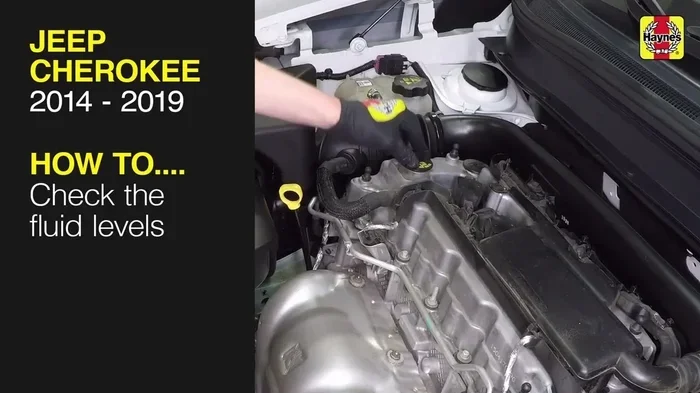
Open the hood and look for the transmission dipstick. On most Jeep Cherokee models, it is located near the back of the engine bay. The handle is usually colored red or yellow, making it easy to spot.
Pull the dipstick out and wipe it clean with your rag. Then reinsert it fully and pull it out again. This gives you the most accurate reading of the current fluid level.
Step 4: Check the Current Fluid Level
Look at the dipstick markings. There are usually two lines or holes: one for “Full” and one for “Add” or “Low.” The fluid level should be between these marks when the engine is warm.
If the level is below the “Add” line, you need to add fluid. If it is already at or above the “Full” line, you do not need to add any more. Overfilling can cause just as many problems as underfilling.
Step 5: Add the Fluid Using a Funnel
Place your funnel into the transmission dipstick tube. Pour the fluid in slowly and steadily. Add small amounts at a time, about half a quart at a time. This prevents overfilling.
After each addition, wait a few seconds for the fluid to settle. Then recheck the level with the dipstick. Keep adding until the level reaches the “Full” mark. Do not go past it.
The total capacity for most Jeep Cherokee models is around 12 to 13 quarts for a full change, but you are likely only adding a quart or two during a top-off. If you find yourself needing more than a quart, it could indicate a leak that needs attention.
Step 6: Recheck and Clean Up
Once the fluid is at the correct level, remove the funnel and reinsert the dipstick. Start the engine and let it idle for another minute. Shift through all the gears (Park, Reverse, Neutral, Drive) and then return to Park.
Recheck the dipstick one more time with the engine still running. The level may rise slightly as the fluid circulates. Top off if needed, then wipe down any spilled fluid and replace the dipstick.
Step 7: Take a Test Drive
After adding fluid, take your Jeep Cherokee for a short test drive. Pay attention to how the transmission shifts. It should feel smooth and seamless. If you notice any hesitation, slipping, or rough shifts, pull over and recheck the fluid level.
Common Mistakes When Adding Transmission Fluid
Even a simple task like adding fluid can go wrong if you are not careful. Here are the most common mistakes Jeep Cherokee owners make:
Overfilling the Transmission
Too much fluid is just as bad as too little. Overfilling causes the fluid to foam, which reduces its lubricating ability. Foam in the transmission can lead to overheating, erratic shifting, and eventually transmission failure. Always add fluid in small increments and check the level frequently.
Using the Wrong Fluid Type
Different transmissions require different fluids. Using the wrong type can cause seal damage, poor shifting, and internal wear. Always double-check the fluid specification before you pour anything into your Jeep.
Adding Fluid with a Cold Engine
When the engine is cold, the fluid is thicker and does not fill the transmission completely. This gives you a false low reading. Always warm up the engine before checking or adding fluid.
Ignoring Leaks
If you find yourself needing to add fluid frequently, you likely have a leak. Common leak points include the transmission pan gasket, the drain plug, and the seals around the input and output shafts. Ignoring a leak will only make the problem worse and more expensive to fix.
Not Checking for Contamination
Healthy transmission fluid is typically red or pink and has a slightly sweet smell. If your fluid looks dark brown, smells burnt, or has visible particles, it is time for a full fluid change rather than just a top-off. Contaminated fluid does not lubricate properly and can accelerate wear inside the transmission.
How Often Should You Check and Change Your Transmission Fluid?
Regular maintenance is the key to a long-lasting transmission. Most Jeep Cherokee manufacturers recommend checking the fluid level every 30,000 to 60,000 miles. A full fluid and filter change is typically recommended every 60,000 to 100,000 miles, but this varies by model year and driving conditions.
If you drive in severe conditions, such as extreme heat, heavy traffic, or towing, you should shorten these intervals. Severe driving puts extra stress on the transmission and breaks down the fluid faster.
Regular fluid changes are one of the cheapest ways to avoid a major transmission rebuild. A fluid change costs between 150 and 300 dollars at a shop, but a new transmission can cost 3,000 dollars or more. The math is clear: prevention saves money.
When Should You See a Professional?
Adding transmission fluid is a DIY-friendly task, but there are times when you should call in a pro. If you notice any of the following symptoms, it is time to see a mechanic:
- Fluid leaks underneath your vehicle: Puddles of red or brown fluid under your Jeep are a clear sign of a leak.
- Burning smell: A burnt odor coming from under the hood usually means the fluid is overheating or has broken down.
- Warning lights on your dashboard: If the check engine light or transmission warning light comes on, do not ignore it.
- Rough or delayed shifting: If your Jeep hesitates or jerks when changing gears, the transmission may have a deeper issue.
- Unusual noises: Grinding, whining, or clunking sounds from the transmission area warrant immediate attention.
Sometimes the problem is not just low fluid. Internal transmission issues, solenoid problems, or torque converter failures require professional diagnosis and repair. A qualified mechanic has the tools and expertise to identify these problems early before they become major expenses.
Quick Tips for Maintaining Your Jeep Cherokee Transmission
Here are some extra tips to keep your transmission in top shape:
- Check fluid monthly: Make it a habit to check your transmission fluid once a month, along with your engine oil.
- Use a quality funnel: A narrow-spout funnel prevents spills and makes pouring easier.
- Keep records: Write down the date and mileage of each fluid check or change. This helps you stay on track with maintenance.
- Inspect the area under your Jeep: After parking, take a quick look for any fresh fluid spots on the ground.
- Do not ignore small changes: Even slight changes in shifting feel can indicate a developing problem. Catch it early.
The Jeep Cherokee has earned a reputation as one of the most reliable SUVs on the road. But like any vehicle, it depends on the owner to take care of it. A few minutes of regular maintenance can add years of dependable service to your Cherokee.
Conclusion
Knowing how to add transmission fluid to your Jeep Cherokee is an essential skill for every owner. It is a quick, affordable task that protects one of the most expensive components in your vehicle. By following the steps in this guide, you can keep your transmission running smoothly and avoid costly repairs down the road.
Remember to always use the correct fluid type, check the level on a warm engine, and add fluid in small amounts. Stay on top of your maintenance schedule and never ignore warning signs. Your Jeep Cherokee will reward you with years of reliable performance.
Whether you are a seasoned DIYer or a first-time car owner, this simple maintenance task is well within your reach. Grab your supplies, follow the steps, and enjoy the confidence that comes from taking care of your vehicle yourself.
Frequently Asked Questions
What type of transmission fluid does a Jeep Cherokee need?
Most Jeep Cherokee models use ATF+4, but the exact type depends on your model year and transmission. Always check your owner’s manual or the dipstick cap for the OEM-recommended fluid specification. Using the wrong fluid can damage your transmission.
How much transmission fluid does a Jeep Cherokee hold?
A full transmission fluid change for a Jeep Cherokee typically requires about 12 to 13 quarts, depending on the model year. For a simple top-off, you usually only need one to two quarts. Always refer to your owner’s manual for the exact capacity.
Can I add transmission fluid with the engine off?
It is best to add fluid with the engine warm and running. This ensures the fluid is at operating temperature and provides an accurate reading on the dipstick. Adding fluid with a cold engine can result in an incorrect level reading.
How do I know if my Jeep Cherokee is leaking transmission fluid?
Look for red or brown puddles under your vehicle, especially near the middle of the car. Other signs include a burning smell, low fluid levels that drop quickly, and rough shifting. If you suspect a leak, have a mechanic inspect the transmission pan, gaskets, and seals.
How often should I change the transmission fluid in my Jeep Cherokee?
Most manufacturers recommend a full fluid change every 60,000 to 100,000 miles. However, if you drive in severe conditions such as towing, extreme heat, or heavy traffic, you should change it more frequently, around every 30,000 to 50,000 miles.
Is it safe to drive a Jeep Cherokee with low transmission fluid?
No, driving with low transmission fluid is not safe. It can cause overheating, poor shifting, and eventually permanent transmission damage. If your fluid is low, add the correct type immediately and have your vehicle inspected for leaks if the level drops frequently.
=== END ===