How Do You Clear a Car Dashboard and Reset Warning Lights
Clearing a car dashboard and resetting warning lights is easier than most drivers think. Whether you have a persistent check engine light, a flickering dashboard display, or a stubborn warning symbol, this guide walks you through every method. You will learn safe reset techniques, common causes, and expert tips to keep your dashboard warning lights under control.
Have you ever glanced at your car dashboard and seen a light that made your stomach drop? Maybe it was a check engine symbol, a battery warning, or a mysterious icon you had never seen before. Dashboard warning lights can be scary, especially when you do not know what they mean or how to fix them.
The good news is that most dashboard issues are fixable at home. You do not need to be a mechanic or spend hundreds of dollars at a garage. In this guide, I will show you exactly how to clear a car dashboard and reset those annoying warning lights. Whether you drive a sedan, SUV, or hatchback, these steps work across most car brands and models.
Let us dive in and take back control of your dashboard.
Key Takeaways
- Multiple reset methods exist: You can use the ignition method, OBD scanner, battery disconnect, or a dedicated reset button depending on your car.
- Understanding warning lights matters: Not all dashboard lights mean the same thing. Red lights demand immediate attention, while yellow ones can wait.
- Cleaning helps prevent false alerts: A dirty dashboard can trigger misleading warning symbols that mimic real problems.
- Persistent lights need professional help: If a warning light keeps coming back after reset, there is an underlying issue you must fix.
- Prevention is simple: Regular car maintenance and timely dashboard cleaning reduce most warning light problems.
📑 Table of Contents
- Why Dashboard Warning Lights Appear
- How to Clear a Car Dashboard and Reset Warning Lights
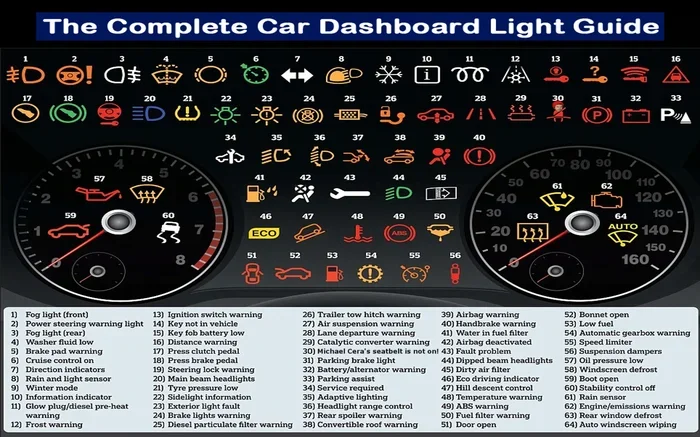
- Understanding Dashboard Symbols and Warning Lights
- Common Mistakes People Make When Clearing Dashboard Lights
- When to See a Professional Mechanic
- Tips to Prevent Dashboard Warning Lights
- Quick Tips for Clearing Dashboard Lights Safely
- Final Thoughts
Why Dashboard Warning Lights Appear
Your car dashboard is essentially a communication center. It talks to you through lights, symbols, and messages. When something goes wrong, it tries to tell you. Understanding why these lights appear is the first step to clearing them properly.
Common Reasons Dashboard Lights Turn On
Dashboard warning lights come on for many reasons. Some are minor, while others need urgent attention. Here are the most common triggers:
- Loose gas cap: A poorly sealed fuel cap can trigger the check engine light surprisingly often.
- Low tire pressure: Most modern cars have tire pressure monitoring systems that light up when pressure drops.
- Engine overheating: If your temperature gauge spikes, a warning light will appear immediately.
- Low battery voltage: A weak car battery can cause multiple dashboard lights to flicker or stay on.
- Sensor malfunctions: Cars today have dozens of sensors. When one fails, it sends a signal to the dashboard.
- Oil pressure issues: Low or old engine oil can trigger the oil pressure warning light.
- Brake system alerts: Worn brake pads or low brake fluid often show up as a dashboard symbol.
Knowing the root cause helps you decide whether a simple reset will work or if you need deeper car maintenance. Sometimes the light stays on because the actual problem has not been fixed. Resetting without fixing the issue is only a temporary solution.
Red Lights vs Yellow Lights: What the Colors Mean
Not all dashboard lights are equal. The color of the warning tells you how urgent the situation is:
- Red lights: These mean stop safely and check immediately. Examples include the oil pressure light, brake warning, and engine temperature alert.
- Yellow or amber lights: These indicate a problem that needs attention but is not an emergency. The check engine light usually falls in this category.
- Green or blue lights: These are simply informational. They tell you a system is active, like high beams or cruise control.
Always pay attention to the color before you decide how to respond. A red light demands action right now. A yellow light gives you time to diagnose and plan.
How to Clear a Car Dashboard and Reset Warning Lights
Now that you understand why warning lights appear, let us get into the methods for clearing them. Each method works differently, and some are better suited for specific car models. I will walk you through each one step by step.
Method 1: The Ignition Cycle Reset
The ignition cycle method is the simplest way to reset most dashboard warning lights. It works on many car brands including Toyota, Honda, Ford, and Hyundai. Here is how to do it:
- Turn off your engine and make sure the car is parked safely.
- Turn the ignition key to the “ON” position without starting the engine. All dashboard lights should turn on briefly.
- Wait for about 10 to 15 seconds.
- Turn the key back to the “OFF” position.
- Wait another 10 seconds.
- Turn the ignition back to “ON” again.
- Start the engine and check if the warning light has cleared.
This method works well for temporary glitches. If the light comes back after driving for a while, the underlying problem still exists. You will need to fix the actual issue before the light stays off permanently.
Method 2: Using an OBD Scanner Tool
An OBD scanner is one of the best tools for diagnosing and clearing car error codes. OBD stands for On-Board Diagnostics, and every car made after 1996 has an OBD port. Here is how to use one:
- Find your OBD port. It is usually located under the steering column, near the driver’s side dashboard.
- Plug the OBD scanner into the port.
- Turn the ignition to the “ON” position.
- Follow the scanner’s instructions to read the error codes.
- Note down the codes and look them up in the scanner’s database or online.
- Once you understand the issue, use the scanner to clear the codes.
- Drive the car for a few minutes and check if the light returns.
OBD scanners range from basic code readers to advanced diagnostic tools. A basic scanner costs around $20 to $50 and handles most common dashboard reset needs. If you want a more permanent solution, investing in a quality scanner pays off quickly.
Method 3: Disconnecting the Car Battery
Disconnecting the battery resets the car’s computer system. This method clears most dashboard warning lights and error codes. However, it also resets other settings like radio presets, clock, and power window calibration. Here is how to do it safely:
- Park the car on a flat surface and turn off the engine.
- Open the hood and locate the car battery.
- Use a wrench to loosen the negative terminal clamp first. Always disconnect the negative terminal to avoid short circuits.
- Wait for at least 15 minutes. This allows the car’s computer to fully reset.
- Reconnect the negative terminal and tighten the clamp securely.
- Start the engine and check the dashboard.
Some drivers also recommend driving the car for about 30 minutes after reconnecting the battery. This allows the onboard computer to relearn driving patterns and recalibrate sensors.
If you want to keep your dashboard area clean while working on the battery or electrical components, a 3M Car Cleaning Cloth works great for wiping down surfaces without leaving residue or scratches.
Method 4: Using the Reset Button
Many cars come with a dedicated reset button or procedure for clearing specific warning lights. The location and method vary by manufacturer:
- Toyota and Lexus: Hold the trip meter reset button while turning the ignition to “ON.” Hold it for about 10 seconds until the light clears.
- Honda: Press and hold the trip/reset button on the instrument panel with the ignition in the “ON” position for about 10 seconds.
- Ford: Use the steering wheel controls to navigate to the service menu and select “Clear Warning Lights.”
- Chevrolet: Some models allow you to hold the trip reset button for several seconds while the ignition is on.
Check your car owner’s manual for the exact reset procedure for your specific model. The manual will have the most accurate instructions tailored to your vehicle.
Method 5: Driving Cycle Reset
Some warning lights clear automatically after you complete a specific driving cycle. This method works well for minor issues like a loose gas cap or a temporary sensor glitch:
- Turn off the engine and wait at least 30 seconds.
- Start the engine and let it idle for about 2 minutes.
- Drive at a steady speed of around 40 to 50 mph for about 5 to 7 minutes.
- Come to a complete stop and wait 30 seconds.
- Accelerate to about 60 mph and hold that speed for another 3 to 5 minutes.
- Slow down and park the car.
- Check the dashboard to see if the light has cleared.
This method gives the car’s computer time to re-evaluate all sensors and systems. If no fault is detected, the light should turn off on its own.
Understanding Dashboard Symbols and Warning Lights
Your dashboard displays dozens of different symbols. Each one communicates a specific message about your vehicle. Learning what these symbols mean helps you respond appropriately and avoid unnecessary trips to the mechanic.
Engine Warning Light
The engine warning light is shaped like an engine block and is one of the most common dashboard symbols. It can appear for reasons ranging from a loose gas cap to a serious engine problem. When this light comes on, it is best to use an OBD scanner to read the specific error code. Ignoring it could lead to more expensive repairs down the road.
Battery and Charging Warning
The battery symbol looks like a rectangular box with plus and minus signs. If this light stays on while driving, it means the charging system is not working properly. You should check the battery terminals for corrosion and inspect the alternator belt. A dead battery while driving can leave you stranded.
Brake System Warning
The brake warning light is usually red and shaped like a circle with an exclamation mark inside. This light can mean your parking brake is engaged, your brake fluid is low, or your brake pads are worn. Never ignore this light. Your brakes are critical to your safety.
Oil Pressure Warning
The oil pressure symbol looks like an oil can with a drop coming from it. This light indicates low oil pressure, which can cause serious engine damage if ignored. Check your oil level immediately and top it up if needed. If the light persists, have a mechanic inspect the oil system.
Tire Pressure Monitoring System (TPMS)
The TPMS light looks like a horseshoe with an exclamation mark in the center. It means one or more tires have low pressure. Check your tire pressure with a gauge and inflate to the recommended level. The light usually clears after you correct the pressure and drive for a few miles.
Common Mistakes People Make When Clearing Dashboard Lights
Many drivers make mistakes when trying to clear their dashboard. These errors can cause more problems or mask serious issues. Here are the most common ones to avoid:
Resetting Without Diagnosing the Problem
The biggest mistake is simply resetting the light without finding out why it came on in the first place. A warning light exists for a reason. If you clear it without fixing the underlying issue, it will almost always come back. Worse, you might ignore a problem that could become dangerous or expensive to repair.
Using the Wrong Reset Method
Not every car responds to the same reset method. Some vehicles require a specific procedure for each warning light. Using the wrong method can sometimes cause more confusion or even trigger new error codes. Always refer to your car owner’s manual before attempting a reset.
Ignoring Persistent Lights
If a warning light keeps coming back after you reset it, that is a clear sign of a deeper problem. Do not keep resetting and ignoring it. Take your car to a trusted mechanic and let them run a proper diagnostic. A small problem today can become a major repair tomorrow.
Neglecting Dashboard Cleaning
A dirty dashboard can sometimes cause misleading warning signals. Dust and grime buildup around sensors and connectors can create false alerts. Keeping your dashboard clean helps prevent these issues. When cleaning around the dashboard area, avoid using harsh chemicals that can damage plastic and electronic components. A gentle approach works best.
For cleaning the glass and surfaces around your dashboard, removing unwanted debris and buildup regularly can prevent many display issues. You might find it helpful to check out our guide on 30 Unwanted Things You Can Remove From Car Glass for tips on keeping your car interior clean and clear.
When to See a Professional Mechanic
While many dashboard issues can be resolved at home, some situations require professional help. Here are signs that you should visit a mechanic:
- The check engine light flashes instead of staying solid: A flashing check engine light usually indicates a serious engine misfire that can damage the catalytic converter.
- Multiple lights come on at once: This could indicate a major electrical problem or a failing alternator.
- The light returns immediately after resetting: If the warning comes back right away, the problem is significant and needs professional diagnosis.
- You notice unusual symptoms: Strange noises, vibrations, loss of power, or overheating alongside a dashboard warning light should never be ignored.
- You do not have the right tools: If you do not own an OBD scanner or feel uncomfortable working with your car’s electrical system, a mechanic can help safely.
Many auto parts stores offer free diagnostic scanning. You can drive in, have them read the error codes, and get a general idea of what the problem is before committing to any repairs.
Tips to Prevent Dashboard Warning Lights
Prevention is always better than cure. Here are simple habits that keep your dashboard clear and your car running well:
- Check your gas cap after every fill-up: Make sure it clicks securely into place. A loose cap is the number one cause of the check engine light.
- Monitor your tire pressure monthly: Keep a tire gauge in your glove box and check pressure regularly, especially with seasonal temperature changes.
- Change your oil on schedule: Follow the manufacturer’s recommended oil change interval. Fresh oil keeps your engine running smoothly and prevents pressure warnings.
- Keep your battery terminals clean: Inspect the battery terminals every few months for corrosion. Clean them with a wire brush if needed.
- Address small issues promptly: Do not ignore minor warning signs like a slight vibration or a faint unusual sound. These can develop into bigger problems.
- Keep your dashboard clean: Regular cleaning prevents dust buildup that can interfere with sensors and displays. Use appropriate cleaning products designed for car interiors.
- Stay up to date with software updates: Some modern cars have software updates available from the dealer that can fix dashboard glitches and improve sensor accuracy.
Following these simple tips can significantly reduce the number of times you need to deal with dashboard warning lights. Your car will thank you with fewer surprises and better performance.
Electrical issues in your car can sometimes be tricky to diagnose on your own. For instance, problems related to the 12v car cigarette lighter socket or other electrical connections can sometimes trigger dashboard warnings. Always double-check all electrical connections when troubleshooting persistent lights.
Quick Tips for Clearing Dashboard Lights Safely
- Always read the owner’s manual before attempting any reset procedure.
- Use an OBD scanner to read error codes before clearing them.
- Never ignore red warning lights. They indicate serious problems that need immediate attention.
- Keep your car battery terminals clean and securely connected.
- Drive for 10 to 15 minutes after resetting to allow the computer to relearn driving patterns.
- Document error codes before clearing them so you can reference them later.
- When in doubt, consult a professional. It is always better to be safe than sorry.
Final Thoughts
Clearing your car dashboard and resetting warning lights does not have to be complicated. With the right knowledge and a few basic tools, you can handle most dashboard issues yourself. The key is to understand what the lights mean, use the correct reset method, and always address the root cause behind the warning.
Remember that dashboard warning lights exist to protect you and your vehicle. They are not just annoying symbols to dismiss. Each light is a message from your car telling you something needs attention. Respect those messages, respond appropriately, and your car will serve you well for years to come.
Stay proactive with your car maintenance, keep your dashboard clean, and do not be afraid to get your hands a little dirty. A little knowledge goes a long way toward keeping your driving experience safe, smooth, and worry-free.
Frequently Asked Questions
Can I drive my car with the check engine light on?
If the light is solid and yellow, you can usually drive carefully to a nearby mechanic. However, if the light is flashing or red, you should stop driving immediately and seek assistance. A flashing check engine light often signals a serious problem that can damage your catalytic converter if ignored.
How much does it cost to reset a car dashboard at a mechanic?
Many mechanics will read and clear dashboard codes for free or a small fee of around $20 to $50. If you purchase a basic OBD scanner for $20 to $50, you can do it yourself at home anytime. The cost depends on the diagnostic work needed beyond just clearing the light.
Why does my dashboard light keep coming back after I reset it?
A persistent warning light means the underlying problem has not been fixed. The car’s computer detects the same fault again and turns the light back on. You need to diagnose and repair the actual issue rather than just resetting the light repeatedly.
Is it safe to disconnect the car battery to reset dashboard lights?
Yes, it is generally safe if you follow the proper steps. Always disconnect the negative terminal first, wait at least 15 minutes, and reconnect it securely. Be aware that this method will also reset your radio presets, clock, and some other personal settings.
How long does it take for dashboard lights to clear after a reset?
Most dashboard lights clear immediately after a successful reset. However, some lights may take 50 to 100 miles of driving before they turn off completely. This allows the car’s computer to run through all its self-check cycles and confirm that the issue has been resolved.
Do dashboard warning lights mean my car is about to break down?
Not necessarily. Many warning lights indicate minor issues like a loose gas cap or low tire pressure. However, some lights do signal serious problems that could lead to breakdowns if ignored. Always take the time to understand what each symbol means and respond accordingly.
=== CONCLUSION ===
Clearing a car dashboard and resetting warning lights is a skill every driver should have. Whether you use the ignition cycle method, an OBD scanner, a battery disconnect, or a dedicated reset button, the process is straightforward once you know what to do. The real key is not just clearing the light but understanding why it appeared in the first place.
Take the time to learn your dashboard symbols, keep up with regular car maintenance, and address small issues before they become big problems. Your dashboard is your car’s way of communicating with you. Listen to it, respect it, and it will keep you safe on the road for many miles ahead.