How Many Miles Will a Buick Rainier Last on the Road
The Buick Rainier can last between 200,000 and 300,000 miles when properly maintained. This reliable SUV built on the GM GMT360 platform offers strong engine durability and solid resale value. Regular maintenance, smart driving habits, and timely repairs play a huge role in extending its mileage lifespan.
Key Takeaways
- Long Lifespan: A well-maintained Buick Rainier can easily reach 200,000 to 300,000 miles or more.
- Engine Reliability: Both the 4.2L inline-6 and 5.3L V8 engines are known for long-lasting performance with proper care.
- Maintenance Matters: Following the recommended service schedule is the single biggest factor in maximizing vehicle longevity.
- Common Issues Exist: Being aware of known problems helps you address them early and avoid costly repairs.
- Driving Conditions Count: Highway driving and gentle use significantly extend the mileage expectations of any SUV.
- Strong Resale Value: The Buick Rainier holds its value well due to its reputation for durability.
- Weight Impact: The 000 lbs heavy for a car factor affects wear and tear over time, making maintenance even more critical.
📑 Table of Contents
- How Many Miles Will a Buick Rainier Last on the Road?
- Engine Options and Their Impact on Longevity
- Factors That Determine How Long a Buick Rainier Lasts
- Common Problems That Affect Buick Rainier Longevity
- Maintenance Tips to Maximize Your Buick Rainier’s Mileage
- Is the Buick Rainier a Good Used SUV Purchase?
- Real-World Longevity Stories from Buick Rainier Owners
- Comparing Buick Rainier Longevity to Similar SUVs
- Key Takeaways for Maximizing Your Buick Rainier’s Life
- Conclusion
How Many Miles Will a Buick Rainier Last on the Road?
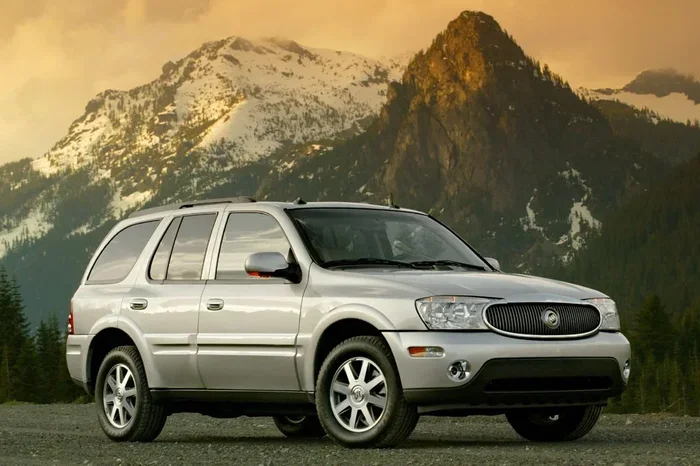
If you own or are considering buying a Buick Rainier, one question probably tops your list: how long will this SUV actually last? The Buick Rainier is a mid-size SUV that GM built from 2004 to 2007. It sits on the GMT360 platform, which also powered the Chevrolet TrailBlazer and GMC Envoy.
The short answer is that a Buick Rainier can last between 200,000 and 300,000 miles with proper care. Some owners have pushed their vehicles well beyond 300,000 miles. But what determines whether your Rainier hits those high numbers? Let us break it all down for you.
The Buick Rainier was designed with a focus on comfort and capability. It offered a smooth ride, spacious interior, and strong towing capacity. These qualities made it a popular choice among families and outdoor enthusiasts alike. Today, it remains a solid option in the used SUV market because of its proven durability.
Understanding what goes into a vehicle’s lifespan helps you make better decisions. Whether you are buying a used Rainier or already own one, knowing what to expect saves you time, money, and headaches. Let us dive into the details.
Engine Options and Their Impact on Longevity
The 4.2L Inline-6 Engine
The base Buick Rainier came equipped with a 4.2L inline-6 engine. This engine was known for its smooth operation and reliable performance. Many owners report that the inline-6 can easily surpass 250,000 miles when maintained properly.
The 4.2L engine uses a simple design with fewer moving parts than a V8. This simplicity often translates to fewer things that can go wrong. The engine block and internal components were built to handle sustained highway driving without much stress.
- Horsepower: Around 275 hp
- Torque: 275 lb-ft
- Fuel Type: Regular gasoline
- Common Issues: Minor oil leaks after 150,000 miles
The 5.3L V8 Engine
The upgraded V8 option delivered more power and towing capability. The 5.3L V8 in the Buick Rainier produced around 290 horsepower and 330 lb-ft of torque. This engine was also used in other GM vehicles, which means parts and repair knowledge are widely available.
V8 engines tend to last a long time because they run at lower RPMs under load. This reduces wear on internal components. However, the V8 does consume more fuel, which is something to consider if you drive high mileage regularly.
Owners of the V8 version often report reaching the 250,000 to 300,000 mile range. Some have even exceeded 350,000 miles with diligent maintenance. The key is staying on top of oil changes and addressing small issues before they grow.
Factors That Determine How Long a Buick Rainier Lasts
Maintenance Schedule and Service Intervals
Let us be honest. The single biggest factor in how many miles your Buick Rainier will last comes down to maintenance. Skipping oil changes, ignoring transmission fluid flushes, and neglecting brake inspections will shorten your vehicle’s life significantly.
Here is a simple maintenance timeline to follow:
- Every 5,000 to 7,500 miles: Oil and filter change
- Every 15,000 miles: Tire rotation and brake inspection
- Every 30,000 miles: Transmission fluid change, spark plug replacement
- Every 60,000 miles: Coolant flush, drive belt inspection
- Every 100,000 miles: Major service including timing chain check and differential fluid change
Following this schedule keeps all major systems running smoothly. The Buick Rainier was built tough, but even the strongest engines need consistent care. Think of maintenance as an investment that pays off in extended mileage lifespan.
Driving Habits and Conditions
How you drive your Rainier matters just as much as how you maintain it. Highway cruising is much easier on a vehicle than stop-and-go city driving. The engine operates at a steady, efficient pace on the highway, which reduces wear over time.
Short trips with frequent cold starts can be tough on any engine. The Buick Rainier is no different. When you only drive short distances, the engine does not fully warm up. This leads to moisture buildup and increased wear on internal components.
Here are some driving tips that help extend your SUV’s life:
- Avoid aggressive acceleration and hard braking
- Let the engine warm up for 30 seconds before driving
- Do not overload the vehicle beyond its towing capacity
- Drive at moderate speeds on highways when possible
- Avoid prolonged idling, which wastes fuel and builds up carbon
Also, consider the 000 lbs heavy for a car factor. The Buick Rainier is a hefty vehicle, and its weight places more stress on the suspension, brakes, and tires. Regular inspections of these components become even more important given the vehicle’s mass.
Climate and Environmental Factors
Where you live affects your vehicle’s lifespan. Cars driven in cold, snowy climates face more wear on engines and electrical systems. Salt and road chemicals cause rust and corrosion that can weaken the Buick Rainier frame and body over time.
Hot climates bring their own challenges. Extreme heat stresses cooling systems, transmissions, and rubber seals. If you live in a harsh environment, you need to be extra vigilant with fluid checks and cooling system maintenance.
Garage storage or covered parking helps protect the vehicle from the elements. Even a simple car cover can reduce sun damage and keep interior materials in better condition for longer.
Common Problems That Affect Buick Rainier Longevity
Transmission Issues
The Buick Rainier came with a 4-speed automatic transmission. While generally reliable, some owners have reported transmission problems after 150,000 miles. Symptoms include rough shifting, slipping gears, and delayed engagement.
The good news is that regular transmission fluid changes can prevent most of these issues. Fresh fluid keeps the internal components lubricated and cool. Waiting too long between fluid changes is one of the most common causes of premature transmission failure.
If you notice any shifting irregularities, get it checked immediately. Small transmission problems become expensive repairs fast when ignored. Early detection saves thousands of dollars and keeps your SUV longevity on track.
Suspension and Steering Wear
Given the Buick Rainier‘s weight, the suspension system takes a beating over time. Common issues include worn control arm bushings, degraded shocks and struts, and loose steering components. These problems typically appear between 100,000 and 150,000 miles.
Replacing suspension parts is not cheap, but it is necessary for safe driving. A well-maintained suspension system also improves ride quality and handling. If you buy a used Rainier with high mileage, always get a thorough suspension inspection.
Electrical and Cooling System Concerns
Some Buick Rainier owners have experienced electrical gremlins. These can range from flickering dashboard lights to more serious issues with the power window motors and door lock actuators. Most electrical problems are manageable and affordable to fix.
The cooling system also deserves attention. The Rainier uses a traditional radiator and fan setup. Over time, hoses can crack, the thermostat can fail, and the water pump can leak. A cooling system failure can lead to engine overheating, which causes serious damage quickly.
Quick Tips for Electrical and Cooling Health:
- Check coolant levels monthly
- Inspect hoses for cracks or swelling every oil change
- Replace the thermostat at 100,000 miles as a preventive measure
- Address any electrical issues promptly before they worsen
Maintenance Tips to Maximize Your Buick Rainier’s Mileage
Oil and Fluid Management
Clean oil is the lifeblood of any engine. For the Buick Rainier, using high-quality synthetic oil and changing it every 5,000 to 7,500 miles makes a real difference. Synthetic oil handles heat better and protects engine internals more effectively than conventional options.
Beyond oil, you need to monitor transmission fluid, brake fluid, power steering fluid, and coolant. Each fluid serves a critical purpose. Neglecting any one of them can lead to component failure that costs hundreds or even thousands of dollars to repair.
Brake System Care
The Buick Rainier is a heavy vehicle, which means its brakes work harder than lighter cars. Brake pads and rotors wear faster as a result. Plan to replace brake pads every 40,000 to 60,000 miles depending on your driving style.
Pay attention to warning signs like squealing noises, grinding sounds, or a vibrating pedal. These indicate that your brakes need immediate attention. Safe stopping power is non-negotiable, especially in a large SUV.
Tire Maintenance and Alignment
Proper tire care extends the life of your Rainier and improves fuel economy. Rotate your tires every 5,000 to 7,500 miles and check alignment annually. Misaligned wheels cause uneven tire wear and strain the steering system.
Since the Buick Rainier weighs significantly more than many SUVs, tire quality matters even more. Invest in all-season tires rated for the vehicle’s weight and towing capacity. Quality tires improve handling, safety, and overall ride comfort.
Is the Buick Rainier a Good Used SUV Purchase?
Resale Value and Market Position
The Buick Rainier holds its resale value reasonably well for a discontinued model. Its reputation for durability and comfort makes it a desirable choice in the used SUV market. Buyers appreciate the spacious interior, smooth ride, and strong build quality.
When shopping for a used Rainier, focus on models with complete maintenance records. A well-documented service history tells you that the previous owner took good care of the vehicle. This dramatically increases your confidence in the mileage expectations going forward.
What to Look for When Buying Used
Before you buy a used Buick Rainier, follow this checklist:
- Request a full vehicle history report
- Have a trusted mechanic perform a pre-purchase inspection
- Check for rust, especially on the undercarriage and wheel wells
- Test drive on both city roads and highways
- Verify all fluid levels and conditions
- Inspect the suspension, brakes, and steering for wear
- Confirm the transmission shifts smoothly through all gears
A thorough inspection helps you avoid buying someone else’s problem. The Buick Rainier is a great vehicle when it has been cared for properly. But a neglected one can quickly become a money pit.
Real-World Longevity Stories from Buick Rainier Owners
Many Buick Rainier owners share impressive mileage stories online. One common theme is that owners who followed the maintenance schedule religiously saw the best results. Regular oil changes, timely fluid replacements, and prompt repairs made a huge difference.
Some owners report reaching the 300,000-mile mark with only minor repairs needed. The 4.2L inline-6 engine seems particularly resilient, with many units going strong well past 250,000 miles. The V8 versions also show impressive longevity when properly maintained.
Of course, not every Rainier reaches these milestones. Some vehicles develop major issues earlier due to neglect or harsh driving conditions. The variation in outcomes highlights why maintenance and driving habits matter so much.
Expert Insights from Longtime Owners:
Experienced Buick Rainier owners consistently emphasize two things. First, never skip oil changes. Second, address small problems immediately. A tiny coolant leak ignored for months can turn into a major engine repair. A slight transmission slip caught early can be fixed with a simple fluid change instead of a full rebuild.
These owners also recommend finding a mechanic who knows the GMT360 platform. Familiarity with the vehicle’s common issues saves time and money. A knowledgeable mechanic can spot problems before they become expensive headaches.
Comparing Buick Rainier Longevity to Similar SUVs
| Vehicle | Average Lifespan | Engine Options | Key Strength |
|---|---|---|---|
| Buick Rainier | 200,000 – 300,000 miles | 4.2L I6 / 5.3L V8 | Comfort and reliability |
| Chevrolet TrailBlazer | 200,000 – 280,000 miles | 4.2L I6 / 5.3L V8 | Towing and value |
| GMC Envoy | 190,000 – 270,000 miles | 4.2L I6 / 5.3L V8 | Premium features |
| Isuzu Ascender | 180,000 – 250,000 miles | 4.2L I6 | Fuel economy |
The Buick Rainier compares favorably to its GMT360 siblings. Its focus on comfort and refinement sets it apart. While the Chevrolet TrailBlazer and GMC Envoy share the same engines and platform, the Rainier benefits from Buick’s reputation for quality and durability.
When you compare the Buick Rainier to competitors from other brands, it holds its own. Vehicles like the Ford Explorer and Toyota 4Runner offer similar mileage lifespan potential. The Rainier stands out for its smooth ride and luxurious interior at a competitive price point.
Key Takeaways for Maximizing Your Buick Rainier’s Life
Let us pull everything together. The Buick Rainier is a vehicle built to last. With a potential lifespan of 200,000 to 300,000 miles, it offers excellent value for buyers seeking a reliable used SUV. But that potential only becomes reality through consistent care and attention.
Keep up with the maintenance schedule. Drive responsibly. Address issues early. These simple habits transform a good vehicle into a great one. The Buick Rainier rewards owners who treat it with respect and care.
Whether you are buying your first Rainier or have owned one for years, the principles remain the same. Regular maintenance, smart driving, and proactive repairs are the keys to unlocking the full mileage expectations of this capable SUV.
The bottom line is clear. A Buick Rainier can serve you well for many years and tens of thousands of miles. It is a vehicle that rewards patience and attention with dependable performance and lasting value.
Conclusion
The Buick Rainier is a strong, reliable SUV that can last 200,000 to 300,000 miles with proper care. Its engines, platform, and build quality give it a solid foundation for long-distance driving and years of faithful service. Whether you choose the 4.2L inline-6 or the 5.3L V8, you are getting a vehicle designed to endure.
Maintenance is the backbone of any vehicle’s longevity. The Buick Rainier responds beautifully to consistent oil changes, fluid replacements, and timely repairs. Drive gently, park smartly, and address problems early. These habits compound over time to deliver outstanding results.
If you are in the market for a used SUV, the Buick Rainier deserves a serious look. Its combination of comfort, capability, and durability makes it a standout choice. Just remember to verify the maintenance history and get a professional inspection before you buy.
Take what you have learned here and apply it. Your Buick Rainier can go the distance. It just needs you to be its partner in care. The road ahead is long, and this SUV is ready to meet it head-on.
Frequently Asked Questions
What is the average lifespan of a Buick Rainier?
A well-maintained Buick Rainier can last between 200,000 and 300,000 miles. Some owners have reported going beyond 350,000 miles with diligent care. The key factors are regular maintenance, gentle driving habits, and prompt attention to any issues that arise.
Is the Buick Rainier reliable for long road trips?
Yes, the Buick Rainier is a reliable choice for long road trips. Its engines are designed for sustained highway driving, and the comfortable interior makes long journeys enjoyable. Just make sure to check all fluid levels and tire conditions before embarking on a long trip.
What is the most common problem with the Buick Rainier?
The most common issues involve the transmission and suspension. The 4-speed automatic transmission can develop rough shifting after 150,000 miles. Suspension components like control arm bushings and shocks wear out due to the vehicle’s heavy weight. Regular inspections help catch these problems early.
How often should I change the oil in my Buick Rainier?
Change the oil every 5,000 to 7,500 miles for best results. Using synthetic oil provides better protection and extends engine life. The Buick Rainier benefits greatly from consistent oil changes, as this simple habit prevents the majority of engine-related problems.
Can a Buick Rainier reach 300,000 miles?
Absolutely. Many Buick Rainier owners have reached the 300,000-mile milestone. The vehicle’s engines and drivetrain are built to handle high mileage. The difference between reaching 200,000 and 300,000 miles usually comes down to how well the owner maintains the vehicle over time.
Is the Buick Rainier a good used SUV to buy?
The Buick Rainier is a solid used SUV purchase when you find a well-maintained example. Its comfort, reliability, and strong build quality make it an attractive option. Always request a vehicle history report and have a mechanic inspect the vehicle before purchasing.
=== INTERNAL LINKING ===
The Buick Rainier is a substantial vehicle, and understanding its weight plays an important role in maintenance planning. You can read more about how vehicle weight impacts overall wear and tear in our detailed guide on what it means when a car is 000 lbs heavy for a car. This knowledge helps you make smarter decisions about tire selection, brake replacement, and suspension upgrades.
Because the Buick Rainier carries significant mass on the road, its braking system and suspension components experience more stress than lighter vehicles. For additional insights on how weight affects vehicle performance and longevity, check out our article on the impact of being 000 lbs heavy for a car. These factors directly influence how many miles your SUV will last.
If you are shopping for a used Buick Rainier, understanding the relationship between vehicle weight and maintenance costs is essential. Our guide on 000 lbs heavy for a car considerations provides valuable context for buyers evaluating heavier SUVs and their long-term ownership costs.