How Much Can a Ford F-250 Tow – The Complete Guide
The Ford F-250 is a powerful truck with an impressive towing capacity that ranges from 12,000 to over 20,000 pounds depending on the configuration. This guide breaks down everything you need to know, from factory towing specs to essential safety tips and must-have accessories. Whether you are new to truck towing or looking to upgrade your setup, you will find practical advice here.
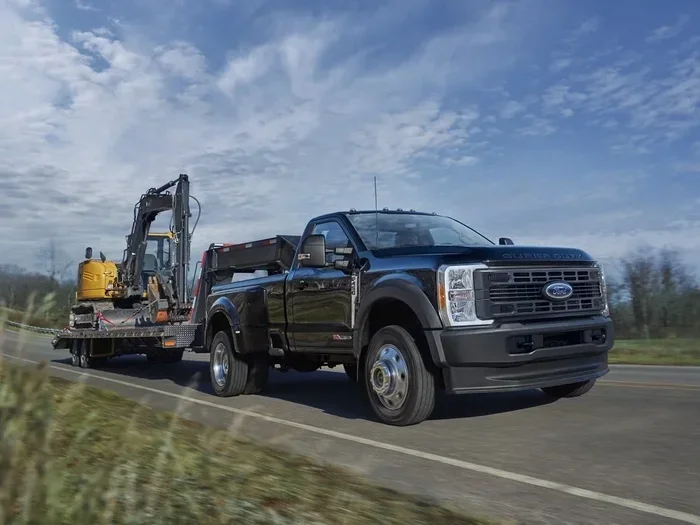
The Ford F-250 has earned a strong reputation as one of the most capable trucks for towing on the market. Whether you need to haul a boat, a horse trailer, or heavy equipment, this full-size pickup delivers serious towing power. But the question remains: how much can a Ford F-250 tow? The answer is not a single number. It depends on the engine, the towing package, the cab style, and the bed length you choose.
In this guide, we will walk you through every detail you need to know about the Ford F-250 towing capacity. We will look at factory numbers, different configurations, and the factors that can change your towing ratings. We will also share practical tips on safety, accessories, and how to get the best towing performance from your truck. By the end, you will have a clear picture of what this truck can do and how to use it safely.
Key Takeaways
- Maximum Towing Capacity: The Ford F-250 can tow up to 20,000 pounds or more with the right configuration and towing package.
- Engine and Package Matter: Different engines and towing packages significantly change the towing ratings and overall towing ability.
- Weight Distribution Is Key: Payload, hitch type, and trailer weight all play a role in safe and effective trailer towing.
- Safety Comes First: Using a towing brake controller, proper mirrors, and following weight limits keeps you and others safe on the road.
- Right Accessories Make a Difference: Investing in quality towing accessories like hitch receivers and cooling systems boosts towing performance.
- Know Your Limits: Always stay within the manufacturer’s towing limits to avoid damage and ensure long-term reliability.
📑 Table of Contents
What Is the Ford F-250 Towing Capacity?
The maximum towing capacity of a Ford F-250 varies by model year and configuration. Generally, the F-250 can tow between 12,000 and 20,000 pounds. Some newer models with the right setup can even exceed these numbers. Let us break this down by engine and package so you can see the full picture.
Towing Capacity by Engine Type
The engine you choose plays a huge role in your truck’s towing ability. The F-250 comes with several engine options, and each one offers a different level of towing performance.
- 6.2-Liter V8 Gas Engine: This engine provides solid towing for everyday use. It typically supports towing up to around 12,000 to 15,000 pounds depending on the configuration.
- 6.7-Liter Power Stroke V8 Turbo Diesel: This is the heavy-hitter engine. With the diesel option, the F-250 can reach the upper end of its towing limits, often towing 18,000 to 20,000 pounds or more.
- 7.3-Liter V8 Gas Engine (Newer Models): Ford introduced this newer engine option in recent years. It offers strong towing specs and is a great middle ground between gas and diesel.
How Towing Packages Change the Numbers
Ford offers different towing packages that boost the truck’s towing capacity. These packages include upgraded cooling systems, stronger suspension, and specialized wiring harnesses. The towing package also adds a towing brake controller and upgraded towing mirrors for better visibility.
When you add a towing package, you are not just increasing numbers on paper. You are improving the overall towing safety and reliability of the truck. The package ensures that the engine, transmission, and brakes can handle the extra stress of pulling heavy loads.
If you are curious about vehicle weight and what counts as truly heavy, you might enjoy learning about 000 lbs Heavy For A Car to put things in perspective.
Towing Packages and Configurations
The way you configure your Ford F-250 matters a lot when it comes to truck towing. Different cab styles, bed lengths, and drivetrain options all affect the final towing ratings. Let us look at the main configurations and what they mean for your towing ability.
Cab Styles and Their Impact
The cab style refers to the seating area of the truck. The F-250 comes in several cab options, and each one affects weight distribution and towing performance.
- Regular Cab: This is the most basic configuration. It has two doors and a single row of seats. The regular cab tends to have the highest towing capacity because it is the lightest configuration.
- SuperCab: This cab has smaller rear doors and extra seating behind the front seats. It adds a bit of weight, which can slightly reduce the maximum towing weight.
- SuperCrew: This is the full four-door cab with full rear seating. It is the heaviest configuration, so the towing limits may be slightly lower compared to the other options.
Bed Length and Drivetrain Options
The bed length and drivetrain also play a role. A longer bed adds weight, which can affect towing specs. The drivetrain, whether two-wheel drive or four-wheel drive, also changes the overall weight of the truck.
- Short Bed: Typically lighter, which can help improve towing ability.
- Long Bed: Adds more weight, which may slightly lower the towing capacity.
- Two-Wheel Drive: Lighter than four-wheel drive, often resulting in higher towing ratings.
- Four-Wheel Drive: Heavier due to the extra drivetrain components, which can reduce the maximum towing weight slightly.
When choosing your configuration, always check the specific towing ratings for your exact setup. Ford provides detailed charts that show the towing capacity for every possible combination of engine, cab, bed, and drivetrain.
Factors That Affect Towing Ability
Several factors go into determining how much your Ford F-250 can safely tow. Understanding these factors helps you stay within safe towing limits and get the best towing performance every time.
Payload and Tongue Weight
Payload capacity is the weight the truck can carry in its bed and cabin. This includes passengers, cargo, and the tongue weight of the trailer. Tongue weight is the downward force the trailer puts on the hitch. A good rule of thumb is that tongue weight should be about 10 to 15 percent of the total trailer weight.
If your payload is too high, it can affect handling and braking. Always check your truck’s payload rating before loading up. You can find this information on the label inside the driver’s door jamb.
Hitch Type and Weight Distribution
The type of hitch you use matters a lot for trailer towing. There are several hitch types available for the F-250, and each one suits different towing needs.
- Gooseneck Hitch: This hitch sits in the bed of the truck and connects to a ball mounted over the axle. It provides excellent stability and is popular for heavy truck towing. A gooseneck setup often allows for higher towing capacity than a traditional hitch.
- Fifth Wheel Hitch: Similar to a gooseneck, this hitch is designed for large trailers and RVs. It offers a very stable connection and is a favorite among serious towers.
- Receiver Hitch: This is the most common type. It attaches to the rear of the truck and works well for lighter trailers, boat trailers, and utility loads.
Using the right hitch for your load makes a big difference in towing safety and stability. Always match your hitch to the weight and type of trailer you are pulling.
Engine Cooling and Transmission
Towing puts extra stress on the engine and transmission. Ford addresses this with upgraded cooling systems in the towing packages. The transmission also plays a role in how smoothly the truck handles heavy loads. The 10-speed automatic transmission in newer F-250 models is designed to handle the demands of truck towing with ease.
Pro Tip: If you plan on towing in hilly or mountainous terrain, consider adding an engine coolant booster. This simple accessory helps prevent overheating during long, steep climbs and improves overall towing performance.
Towing Safety Tips for the Ford F-250
Towing safety should always come first. The F-250 is a powerful machine, and with that power comes responsibility. Following these safety tips helps protect you, your cargo, and everyone else on the road.
Before You Tow
- Check Your Mirrors: Proper towing mirrors give you a clear view of the trailer and the road behind you. Standard mirrors may not be enough for wider trailers.
- Inspect Your Hitch and Connections: Make sure all bolts, pins, and chains are secure before every trip. A loose connection can be extremely dangerous at highway speeds.
- Verify Tire Pressure: Both the truck tires and the trailer tires should be at the correct pressure. Underinflated tires can lead to blowouts and poor handling.
- Test Your Lights: Make sure all trailer lights, including brake lights and turn signals, are working properly.
While Towing
- Use a Towing Brake Controller: This device syncs the trailer brakes with your truck’s braking system. It is essential for safe stopping, especially with heavier loads.
- Allow Extra Stopping Distance: A loaded truck takes longer to stop. Keep a safe following distance and avoid sudden braking whenever possible.
- Drive at a Safe Speed: Speeding with a heavy trailer is risky. Stick to posted speed limits and reduce your speed on curves and downhill stretches.
- Take Breaks on Long Trips: Stop every couple of hours to check your load, tire pressure, and fluid levels. This keeps everything running smoothly and prevents overheating.
For more tips on keeping your truck clean and ready for the road, you can read about 30 Unwanted Things You Can Remove From Car Glass to ensure your visibility stays clear during every trip.
Essential Towing Accessories for the F-250
Having the right accessories makes truck towing safer, easier, and more enjoyable. Here are some must-have items for any F-250 owner who plans to tow regularly.
Towing Hitch and Receiver
A quality towing hitch is the foundation of any towing setup. The F-250 comes with a Class IV receiver hitch as standard in most configurations. This hitch can handle heavy loads and is compatible with a wide range of trailer types. If you plan on using a gooseneck or fifth wheel, you will need the appropriate hitch installed in the truck bed.
Weight Distribution System
A weight distribution system helps level the truck when towing a heavy load. It prevents the rear of the truck from sagging and keeps the front wheels firmly on the ground for better steering control. This system is especially important when towing near the maximum towing weight of the truck.
Towing Brake Controller
A towing brake controller is a must-have safety device. It lets you apply the trailer brakes independently from the truck brakes. This gives you much more control when stopping, especially on steep descents or in emergency situations.
Cooling System Upgrades
If you tow frequently or in challenging conditions, consider upgrading your cooling system. An auxiliary transmission cooler and an engine oil cooler help prevent overheating during long towing sessions. These upgrades protect your truck’s drivetrain and extend its lifespan.
Is the Ford F-250 Right for Your Towing Needs?
The Ford F-250 is an excellent choice for most towing needs. Its strong towing capacity, durable build, and available diesel engine make it a versatile workhorse. Whether you are a weekend warrior hauling a boat to the lake or a professional contractor moving heavy equipment, the F-250 delivers reliable towing performance.
However, if your towing needs exceed the F-250’s towing limits, you may want to look at the Ford F-350 or F-450 Super Duty models. These trucks offer even higher towing ratings and are designed for the heaviest loads.
Before making a purchase, always check the specific towing specs for the exact model and configuration you are considering. Visit your local Ford dealer or check the Ford website for the latest towing ratings and package details. Test driving the truck with a trailer is also a great way to feel how it handles on the road.
Remember, the key to safe and effective towing is knowing your truck’s limits and staying within them. With the right setup, accessories, and a little preparation, the Ford F-250 will serve you well for many miles of trailer towing.
Understanding how much weight your truck can handle is important. If you are interested in learning more about vehicle weight and what makes a car heavy, take a look at this guide on what 000 lbs means for a car to better understand weight ratings in general.
In the end, the Ford F-250 stands out as one of the best choices in the full-size truck segment for anyone who needs serious towing ability. Its combination of power, durability, and smart towing features makes it a trusted partner for work and play alike. Take the time to set up your truck correctly, invest in quality accessories, and always prioritize safety. With the right approach, your F-250 will handle whatever you throw at it with confidence and ease.
Frequently Asked Questions
What is the maximum towing capacity of a Ford F-250?
The maximum towing capacity of a Ford F-250 ranges from about 12,000 to over 20,000 pounds, depending on the engine, cab configuration, and towing package. The diesel engine option typically offers the highest numbers.
Can a Ford F-250 tow a fifth wheel trailer?
Yes, the Ford F-250 is well suited for fifth wheel towing. With the proper fifth wheel hitch installed in the truck bed, the F-250 can handle heavy fifth wheel trailers safely and effectively.
What towing package do I need for the F-250?
Ford offers a dedicated towing package that includes an upgraded cooling system, a towing brake controller, reinforced suspension, and specialized wiring. This package is recommended for anyone planning to tow regularly or haul heavy loads.
How does payload affect towing capacity?
Payload and towing capacity are closely related. The total weight your truck carries, including passengers, cargo, and tongue weight, must stay within the payload limit. Exceeding the payload can reduce your safe towing capacity and affect handling.
Is the Ford F-250 good for towing a boat?
Absolutely. The Ford F-250 is an excellent choice for towing boats. Its strong towing ability, stable handling, and available gooseneck hitch make it a popular option among boat owners who need reliable truck towing performance.
What safety equipment do I need for towing with an F-250?
Essential safety equipment includes a towing brake controller, proper towing mirrors, a weight distribution system, and secure hitch connections. Always check all connections and lights before every trip to ensure safe towing safety.
=== CONCLUSION ===
The Ford F-250 is a remarkable truck when it comes to towing capacity. With the right engine, configuration, and towing package, it can handle loads that range from 12,000 pounds all the way up to 20,000 pounds or more. Understanding the factors that affect towing ability, such as payload, hitch type, and engine cooling, helps you get the most out of your truck while staying safe.
Remember to always stay within the manufacturer’s towing limits, invest in quality accessories, and follow proper safety procedures every time you tow. The Ford F-250 is built to work hard, and with the right setup, it will deliver dependable towing performance for years to come. Take the time to know your truck, plan your loads carefully, and enjoy the confidence that comes with a well-prepared towing setup.