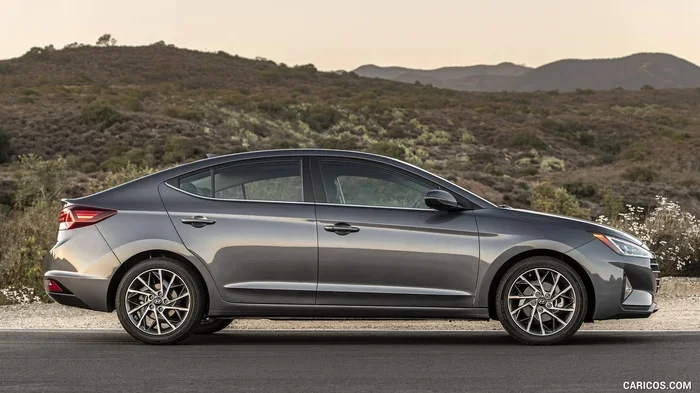
How Much Does a Hyundai Elantra Sedan Weigh in Pounds
The Hyundai Elantra sedan weight varies by trim and model year, typically ranging from about 2,800 to 3,200 pounds. Knowing your Elantra’s curb weight helps with maintenance, fuel economy, and safety decisions. Whether you own a base SE or a loaded Limited, this guide breaks down the numbers clearly.
Have you ever wondered about the Hyundai Elantra weight in pounds? Maybe you are buying a used Elantra, planning a road trip, or just curious about your daily driver. Either way, knowing how much your car weighs matters more than most people think.
The Elantra sedan weight affects everything from fuel economy to how much cargo you can safely carry. A heavier car uses more gas. A lighter car handles differently on the road. And if you are towing or hauling, exceeding weight limits can be dangerous. That is why we put together this complete guide to how much a Hyundai Elantra weighs in pounds. We will break it down by trim, model year, and engine type so you have all the facts at your fingertips.
Key Takeaways
- Average Weight Range: Most Hyundai Elantra sedans weigh between 2,800 and 3,200 pounds depending on the trim and year.
- Trim Matters: Higher trims with more features add weight, so a Limited model is heavier than a base SE.
- Engine Type Affects Weight: Different engines, including turbocharged and hybrid options, change the overall vehicle weight.
- Weight Impacts Fuel Economy: A lighter Elantra tends to get better miles per gallon.
- Check Your Door Jamb: The sticker on the driver’s door gives your exact curb weight and payload capacity.
- Payload and Towing: Understanding your Elantra’s weight helps you stay within safe limits for passengers and cargo.
📑 Table of Contents
- Understanding Vehicle Weight: What Does Curb Weight Mean?
- Hyundai Elantra Weight by Trim Level
- Elantra Weight by Model Year and Generation
- How Engine Type Affects Elantra Weight
- What Does Elantra Weight Mean for Fuel Economy?
- Common Mistakes People Make With Elantra Weight
- Expert Insights: How Elantra Weight Compares to Competitors
- Key Takeaways
- Conclusion
Understanding Vehicle Weight: What Does Curb Weight Mean?
Before we dive into numbers, let us talk about what “weight” actually means when it comes to cars. The term you will see most often is curb weight. This is the weight of the vehicle with a full tank of gas but no passengers or cargo inside.
Think of it like this. Your Elantra is ready to roll. It has oil, coolant, and a full tank. But there is nobody sitting in the driver seat, and the trunk is empty. That is your curb weight. It is the baseline number every manufacturer uses.
There is also gross vehicle weight rating, or GVWR. This is the absolute maximum weight your Elantra can safely carry, including passengers, cargo, and the car itself. Going over this number is a bad idea. It strains your brakes, suspension, and engine.
Why Weight Matters for Your Hyundai Elantra
You might be thinking, “Does a few hundred pounds really matter?” The answer is yes. Here is why vehicle weight plays such a big role:
- Fuel Economy: Lighter cars use less fuel. A lighter Elantra will get better miles per gallon.
- Braking Distance: Heavier vehicles take longer to stop. This matters for safety.
- Handling: Weight affects how your car corners, accelerates, and rides over bumps.
- Tire Wear: More weight means more friction, which wears tires faster.
- Insurance Costs: Some insurers consider vehicle weight when setting rates.
For the Hyundai Elantra, the weight falls in a sweet spot for a compact sedan. It is not too heavy like a full-size luxury car, but it is not featherweight either. This balance is part of why the Elantra has been such a popular choice for so many years.
Hyundai Elantra Weight by Trim Level
The Elantra sedan weight changes depending on which trim you have. Base models are lighter because they have fewer features. Higher trims come with more standard equipment, which adds pounds. Let us look at the main trims and what they weigh.
Base SE Trim
The SE is the entry-level trim for most Elantra model years. It comes with a 2.0-liter four-cylinder engine and a front-wheel drivetrain. The Hyundai Elantra weight for the SE typically starts around 2,800 pounds. This is a very manageable number for a compact sedan.
Because the SE is stripped down to essentials, it does not carry much extra weight. You get a comfortable ride, solid fuel economy, and all the safety features you need. For many buyers, this is the perfect balance of light weight and everyday usability.
SEL Trim
The SEL trim adds a few more comfort and convenience features. You might get upgraded upholstery, a larger touchscreen, or blind-spot monitoring. These additions push the Elantra weight up slightly, usually to around 2,900 to 3,000 pounds.
The difference is small but noticeable. You may see a slight dip in fuel economy compared to the SE. Still, the SEL remains a very efficient compact car by any standard.
Limited and N Line Trims
The Limited trim is the luxury-oriented option. It adds leather seats, premium audio, and advanced driver-assistance features. The N Line trim focuses on sportier styling and a firmer ride. Both of these trims tend to weigh closer to 3,100 or 3,200 pounds.
More features mean more components. Heated seats, bigger speakers, and additional sound insulation all add up. But the driving experience on a Limited or N Line Elantra still feels nimble for a sedan in this class.
Elantra Weight by Model Year and Generation
The Hyundai Elantra has gone through several generations since its debut. Each generation brought updates to the platform, materials, and engine options. This affected the overall Elantra sedan weight from one era to the next.
Sixth Generation (2011-2016)
The sixth-generation Elantra was a big step forward for Hyundai. It used more high-strength steel, which improved safety but also added some weight. The curb weight for this generation hovered around 2,800 to 2,950 pounds depending on the trim.
This was a solid, reliable generation that helped Hyundai compete with Honda and Toyota in the compact sedan segment. The weight was well-balanced and contributed to good fuel economy numbers.
Seventh Generation (2017-2020)
The seventh-generation Elantra got a sleeker design and more advanced technology. The weight increased slightly to around 2,900 to 3,100 pounds. More safety features like forward collision avoidance and lane-keep assist added components that contributed to the heft.
If you own a seventh-generation Elantra, you are looking at a car that is well-equipped and still lightweight by sedan standards. The Hyundai Elantra weight in this generation strikes a great balance between modern tech and efficiency.
Eighth Generation (2021-Present)
The newest Elantra brought a bold design and available hybrid powertrain. The base eighth-generation Elantra weighs around 2,850 to 3,050 pounds. The hybrid version is slightly heavier due to the battery pack, typically coming in around 3,100 to 3,200 pounds.
Hyundai also introduced the Elantra N, a performance-oriented variant. This model is a bit heavier because of the sport suspension, larger brakes, and reinforced chassis. The Elantra N weight can reach close to 3,200 pounds.
| Generation | Years | Approximate Weight (lbs) | Notes |
|---|---|---|---|
| Sixth Gen | 2011-2016 | 2,800 – 2,950 | High-strength steel added for safety |
| Seventh Gen | 2017-2020 | 2,900 – 3,100 | More tech and safety features added |
| Eighth Gen | 2021-Present | 2,850 – 3,200 | Hybrid and N variants available |
How Engine Type Affects Elantra Weight
Not all Elantras are created equal under the hood. The engine you choose has a direct impact on the Hyundai Elantra weight. Let us look at the different engine options and how they change things.
Standard 2.0-Liter Gasoline Engine
The most common Elantra comes with a 2.0-liter four-cylinder engine. This engine produces about 147 horsepower and is paired with either a 6-speed manual or a continuously variable transmission. The weight contribution from this engine is moderate, keeping the overall Elantra sedan weight in the 2,800 to 3,100 pound range.
1.6-Liter Turbocharged Engine
Some Elantra trims, especially the N Line, come with a 1.6-liter turbocharged engine. This engine makes more power, around 201 horsepower. The turbocharger and supporting components add a bit of weight compared to the naturally aspirated engine. You might see an additional 30 to 50 pounds compared to the base engine.
Hybrid Powertrain
The Elantra Hybrid uses a 1.6-liter engine paired with an electric motor and a lithium-ion battery pack. The battery adds significant weight. The Elantra hybrid weight is typically around 3,100 to 3,200 pounds. That is a few hundred pounds more than the gas-only version.
But here is the trade-off. The hybrid system delivers excellent fuel economy, often exceeding 50 miles per gallon combined. For many buyers, the extra weight is worth the savings at the pump.
Quick Tips: How to Find Your Elantra’s Exact Weight
- Check the driver’s door jamb sticker. This label lists your exact curb weight and GVWR.
- Look in your owner’s manual. The specifications section includes weight details.
- Search online by VIN. Enter your vehicle identification number on Hyundai’s website for precise specs.
- Visit a tire shop or dealership. They can look up your vehicle’s weight using the VIN.
What Does Elantra Weight Mean for Fuel Economy?
One of the biggest questions people ask about Hyundai Elantra weight is how it affects fuel economy. The answer is straightforward: lighter cars use less fuel.
The Elantra is already a lightweight compact sedan. But even small differences in weight can change your miles per gallon. Here is what to expect based on different weight scenarios:
- Base SE with the 2.0-liter engine: Around 33 mpg city and 43 mpg highway. This is the lightest configuration and the most fuel-efficient.
- SEL with additional features: Expect a slight drop, maybe 32 mpg city and 42 mpg highway. The extra features add a small amount of weight.
- Hybrid trim: Despite being heavier, the hybrid system delivers around 53 mpg city and 56 mpg highway. The electric motor makes up for the extra pounds.
If you are someone who cares about fuel efficiency, keeping your Elantra light helps. Remove unnecessary items from your trunk. Avoid roof racks when you are not using them. Every extra pound your car carries costs you a little more at the gas station.
For more insights on how vehicle weight impacts performance and fuel economy, you can explore our detailed guide on what it means when a car is heavy. Understanding the relationship between weight and driving dynamics helps you make smarter choices as a car owner.
Common Mistakes People Make With Elantra Weight
There are a few mistakes Elantra owners make when it comes to understanding and managing their car’s weight. Avoiding these pitfalls can save you money and keep your car running safely.
Overloading the Trunk
It is easy to pile in groceries, luggage, and sports equipment. But every pound counts. Overloading your Elantra beyond its payload capacity stresses the suspension and brakes. Check your owner’s manual for the recommended cargo limit and stick to it.
Ignoring the Door Jamb Sticker
Many people never look at the sticker on the driver’s door. This sticker contains vital information, including your exact curb weight and the maximum load your car can handle. Ignoring it means you might not know if you are safely within limits.
Assuming All Model Years Weigh the Same
As we covered above, different generations of the Elantra have different weights. If you are buying a used Elantra, do not assume the weight is the same as your old one. Check the specific model year and trim to get accurate numbers.
Not Considering Aftermarket Add-Ons
Roof racks, upgraded wheels, and sound systems all add weight. A set of large alloy wheels can add 20 to 40 pounds per wheel. Over time, these additions can push your Elantra past its intended weight range.
Expert Insights: How Elantra Weight Compares to Competitors
How does the Hyundai Elantra weight stack up against other compact sedans? Let us put it in perspective.
The Toyota Corolla is a close competitor and weighs roughly the same, around 2,800 to 3,100 pounds depending on the trim. The Honda Civic is slightly lighter in many configurations, coming in around 2,700 to 3,000 pounds. The Kia Forte, which shares a platform with the Elantra, is also very similar in weight.
What does this tell you? The Elantra sits right in the middle of the compact sedan weight range. It is not the lightest car on the road, but it is far from the heaviest. This balance gives the Elantra a good mix of stability, efficiency, and comfort.
From a maintenance perspective, the moderate weight of the Elantra means parts like brakes and tires last a reasonable amount of time. You are not replacing them as often as you would in a heavier luxury sedan. And the lighter weight contributes to the strong fuel economy that makes the Elantra so appealing.
Key Takeaways
- Average Weight Range: Most Hyundai Elantra sedans weigh between 2,800 and 3,200 pounds depending on the trim and year.
- Trim Matters: Higher trims with more features add weight, so a Limited model is heavier than a base SE.
- Engine Type Affects Weight: Different engines, including turbocharged and hybrid options, change the overall vehicle weight.
- Weight Impacts Fuel Economy: A lighter Elantra tends to get better miles per gallon.
- Check Your Door Jamb: The sticker on the driver’s door gives your exact curb weight and payload capacity.
- Payload and Towing: Understanding your Elantra’s weight helps you stay within safe limits for passengers and cargo.
Conclusion
So, how much does a Hyundai Elantra weigh in pounds? The answer depends on your specific trim, model year, and engine choice. Most Elantra sedans fall between 2,800 and 3,200 pounds, making them a well-balanced compact car for daily driving.
Whether you have a base SE or a loaded Limited, knowing your Elantra sedan weight helps you make better decisions about fuel, maintenance, and safety. Keep your car within its recommended weight limits, and it will reward you with years of reliable service.
The next time someone asks you about the Hyundai Elantra weight, you will have all the details ready. Share this guide with a friend who owns an Elantra, or bookmark it for your own reference. Understanding your car is the first step to taking better care of it.
Frequently Asked Questions
How much does a 2023 Hyundai Elantra weigh?
The 2023 Hyundai Elantra sedan weighs approximately 2,850 to 3,100 pounds depending on the trim level. The base SE model is at the lower end, while higher trims like the Limited push the weight closer to 3,100 pounds. Always check the door jamb sticker for your exact vehicle weight.
Is the Hyundai Elantra a heavy car?
No, the Elantra is considered a lightweight compact sedan. Most models weigh between 2,800 and 3,200 pounds, which is very typical for this class of vehicle. Compared to midsize sedans or SUVs, the Elantra is quite light and easy to maneuver.
Does the Elantra Hybrid weigh more than the gas-only version?
Yes, the Elantra Hybrid weighs more because of the battery pack and electric motor. The hybrid version typically weighs around 3,100 to 3,200 pounds, which is a few hundred pounds heavier than the gas-only model. The added weight is offset by excellent fuel economy.
How does Elantra weight affect insurance rates?
Vehicle weight can influence insurance rates because lighter cars generally sustain less damage in collisions. The Elantra’s moderate weight works in its favor. However, insurance companies also consider many other factors like your driving record and location.
Can I tow with a Hyundai Elantra?
The Elantra is not designed for heavy towing. Its curb weight of around 2,800 to 3,200 pounds means it has limited towing capacity. Most Elantras can tow a small trailer or bike rack, but you should never exceed the manufacturer’s recommended towing limit.
Where can I find the exact weight of my Hyundai Elantra?
The most accurate source is the label on your driver’s door jamb. It lists your curb weight, gross vehicle weight rating, and payload capacity. You can also check your owner’s manual or look up your VIN on Hyundai’s official website for precise specifications.