How Much Weight Can a GMC Canyon Truck Actually Tow
The GMC Canyon offers impressive towing capacity ranging from 3,500 to 7,700 pounds depending on the configuration. Understanding your truck’s towing weight limit is essential before hauling any trailer. We break down every spec, tip, and safety consideration you need to know.
So you just bought a GMC Canyon, or maybe you are thinking about getting one. Either way, you probably want to know one thing: how much weight can this truck actually pull? Towing capacity is one of the most important specs to understand before you hook up any trailer. It affects everything from safety to legal compliance on the road.
The answer is not as simple as one number. Different engine options, cab configurations, and towing packages change the final towing capacity significantly. In this guide, we will walk you through every detail you need to know about how much weight a GMC Canyon can tow. By the end, you will feel confident about your truck’s limits and how to stay safe within them.
Key Takeaways
- Towing Range Varies: The GMC Canyon can tow between 3,500 and 7,700 pounds depending on engine and configuration.
- Engine Matters: The diesel engine delivers the highest towing capacity compared to the gasoline options.
- Payload and Towing Are Different: Towing capacity and payload capacity are two separate numbers you must understand.
- Hitch Type Is Critical: Using the correct hitch receiver and towing equipment ensures safe towing.
- Safety First: Always follow manufacturer guidelines and practice proper towing techniques before hitting the road.
- Remove Unnecessary Weight: Clearing excess items from your vehicle helps maximize your towing capability.
📑 Table of Contents
- Understanding GMC Canyon Towing Capacity
- Towing Capacity vs. Payload Capacity
- What Affects Towing Capacity?
- How to Safely Tow with Your GMC Canyon
- Common Towing Mistakes to Avoid
- Removing Unnecessary Weight for Better Towing
- GMC Canyon Towing Setup Recommendations
- Quick Tips for Towing Success
- Final Thoughts on GMC Canyon Towing
Understanding GMC Canyon Towing Capacity
Every truck has a maximum towing limit set by the manufacturer. For the GMC Canyon, that number depends on several factors. The base model with the smaller engine will tow less than a fully loaded configuration with the diesel powerplant. Let us break this down so you know exactly what your truck can handle.
Base Towing Numbers
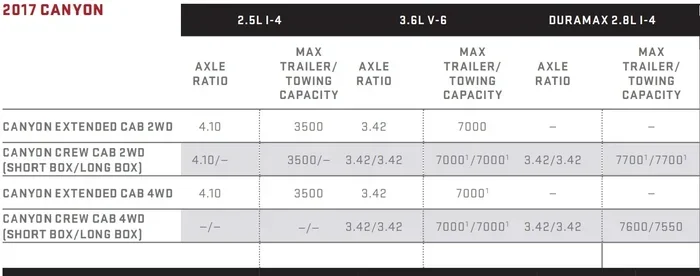
The standard GMC Canyon with the 2.5-liter four-cylinder engine can tow approximately 3,500 pounds. This is enough for a small utility trailer or a couple of ATVs. It is a solid starting point for light-duty towing needs. Most casual users will find this capacity more than sufficient for weekend projects.
When you step up to the 3.6-liter V6 engine, the numbers improve significantly. This engine can tow up to 7,000 pounds when properly equipped. That is enough to handle a larger travel trailer or a boat. The V6 option gives you real versatility for hauling heavier loads around town or on trips.
Maximum Towing with the Diesel Engine
The 2.8-liter Duramax diesel engine takes towing to another level. This is the powerhouse option for those who need serious hauling capability. With the right configuration, the diesel-equipped Canyon can tow up to 7,700 pounds. That is a remarkable number for a mid-size truck.
The diesel engine also delivers better fuel economy under load compared to the gasoline options. This makes it an excellent choice for frequent tower who need both power and efficiency. If you plan on towing heavy loads regularly, the diesel is the way to go.
Towing Capacity vs. Payload Capacity
Many people confuse towing capacity with payload capacity. These are two very different numbers, and understanding the difference is crucial. Your truck has limits on both what it can pull and what it can carry in its bed.
What Is Towing Capacity?
Towing capacity refers to the maximum weight your truck can pull behind it with a trailer. This includes the entire weight of the trailer plus everything inside it. The truck’s engine, transmission, frame, and braking system all work together to handle this load safely.
When you tow at or near your maximum capacity, you put extra stress on every component of your vehicle. Braking distances increase. Steering becomes harder. Your suspension works overtime. Staying within the rated limit keeps you and others safe on the road.
What Is Payload Capacity?
Payload capacity is the maximum weight your truck can carry in its bed and cabin combined. This includes passengers, cargo, and any accessories mounted on the truck. Think of it as what your truck can hold on top of its own weight.
Payload capacity matters because it affects your truck’s handling and ride quality. Overloading the bed can damage the suspension and reduce braking performance. Always check your owner’s manual for the exact payload rating before loading up your truck for a trip.
How They Work Together
Both numbers matter when you are planning a haul. If your trailer weighs 6,000 pounds but your payload is already maxed out with passengers and gear, you may have a problem. You need to account for both the towing weight and the payload weight simultaneously.
A good rule of thumb is to leave a buffer below both limits. Towing at 90 percent of your maximum capacity gives you a safety margin. This approach protects your truck and ensures a more comfortable driving experience.
What Affects Towing Capacity?
Not every GMC Canyon tows the same amount. Several factors determine your truck’s actual towing capability. Understanding these variables helps you make informed decisions about what you can safely haul.
Engine Configuration
The engine is the biggest factor in towing power. A stronger engine produces more torque, which is the twisting force that moves heavy loads. The diesel engine in the Canyon delivers high torque at low RPMs, making it ideal for towing heavy trailers.
The gasoline engines work well for lighter loads but may struggle with heavier trailers on steep inclines. If you regularly tow heavy loads, investing in the diesel option pays off in both capability and durability.
Transmission and Drivetrain
The transmission plays a vital role in towing. The GMC Canyon comes with either a six-speed automatic or a ten-speed automatic depending on the model year. The ten-speed transmission offers more gear ratios, which helps the engine stay in its power band while towing.
Drivetrain also matters. A four-wheel-drive setup adds weight to the truck but provides better traction when hauling heavy loads on slippery surfaces. Rear-wheel-drive models are lighter and may have a slight edge in raw towing numbers.
Towing Package and Equipment
GMC offers a factory towing package that includes essential equipment for safe towing. This package typically includes a trailer hitch receiver, wiring harness, and cooling upgrades. Without the proper towing package, your truck may not be rated for its maximum capacity.
Adding a weight-distributing hitch can significantly improve stability when towing heavy trailers. This type of hitch distributes the trailer’s tongue weight more evenly across all axles. The result is better handling and safer driving dynamics.
Tire Pressure and Type
Your tires are the only contact point between your truck and the road. Properly inflated tires rated for your load capacity are essential for safe towing. Underinflated tires can overheat and fail under heavy loads, leading to dangerous situations.
Consider upgrading to tires with a higher load rating if you plan on towing near your truck’s maximum capacity. All-terrain tires also provide better traction when hauling trailers on uneven or unpaved roads.
How to Safely Tow with Your GMC Canyon
Knowing your truck’s limits is only half the battle. Safe towing requires proper preparation, equipment, and driving habits. Follow these guidelines to ensure every trip goes smoothly.
Step 1: Check Your Owner’s Manual
Your owner’s manual contains the exact towing specifications for your specific truck. Every configuration is different, so do not rely on generic numbers. Find your VIN and look up the exact ratings for your setup.
The manual also provides important information about proper hitch installation and wiring requirements. Following these guidelines keeps your warranty intact and ensures safe operation.
Step 2: Choose the Right Hitch
Not all hitches are created equal. A Class III hitch receiver is standard on most GMC Canyon configurations. This hitch type supports towing up to 10,000 pounds when properly installed. Make sure your hitch matches or exceeds your trailer’s weight rating.
For heavier loads, consider a weight-distributing hitch system. This setup uses spring bars to spread the trailer’s weight across all axles. It dramatically improves stability and reduces the risk of sway on the highway.
Step 3: Distribute Weight Properly
How you load your trailer matters just as much as how much it weighs. Place heavier items over the axle and lighter items toward the front. This prevents the trailer from swaying and keeps the truck balanced.
Tongue weight should be between 10 and 15 percent of the total trailer weight. Too little tongue weight causes dangerous sway. Too much tongue weight lifts the front of your truck and reduces steering control.
Step 4: Practice Before You Go
Before embarking on a long trip, practice driving with your loaded trailer in a safe, empty area. Get a feel for how the truck handles with the extra weight. Practice braking, turning, and reversing to build confidence.
Remember that stopping distances increase significantly when towing. Allow extra space between you and the vehicle ahead. This simple habit can prevent accidents and give you peace of mind on the road.
Common Towing Mistakes to Avoid
Even experienced towers make mistakes. Avoiding these common errors keeps you safe and protects your GMC Canyon from unnecessary wear and damage.
- Exceeding the towing limit: This is the most dangerous mistake you can make. Overloading your trailer stresses the engine, brakes, and frame beyond safe limits.
- Ignoring tongue weight: Improper tongue weight causes trailer sway, which can lead to jackknifing or loss of control.
- Neglecting tire maintenance: Underinflated or worn tires are a leading cause of towing accidents. Check your tire pressure before every trip.
- Skipping the brake controller: If your trailer has brakes, you need a brake controller in your truck. This ensures both vehicles stop together safely.
- Not using the towing mirror: Extended trailers reduce your rear visibility. Proper towing mirrors give you the visibility you need for safe lane changes and turns.
Many of these mistakes are easy to avoid with proper preparation. Taking a few extra minutes before each trip can save you from costly damage or serious accidents. Your truck is built to tow, but only when used within its designed limits.
Removing Unnecessary Weight for Better Towing
Every pound you carry in your truck reduces its available towing capacity. Before you head out on a towing trip, take a moment to remove anything you do not need. This simple step can free up capacity and improve your truck’s handling.
Start by clearing out your truck bed and cabin. Remove any heavy items that are not essential for your trip. Things like unused tools, extra cargo, or heavy accessories all add up quickly. Even small weight reductions make a difference when you are operating near your truck’s maximum limits.
Some owners do not realize that items stored in the cabin or bed count toward the payload limit. That means they reduce the amount you can safely tow. Keeping your truck lean and clean helps you maximize both payload and towing capability. For more ideas on what to remove from your vehicle, check out our guide on 30 unwanted things you can remove from car glass to learn about clearing unnecessary items from your vehicle.
Also, consider the weight of your trailer itself. A heavy empty trailer eats into your available towing capacity before you even load anything. Choosing a lighter trailer design when possible gives you more room for cargo. Every pound saved on the trailer translates to more pounds you can haul.
If you are curious about how weight affects vehicle performance in general, you might find our article on what makes certain weights heavy for a car helpful. Understanding weight distribution and its effects on handling is key to becoming a better tower.
GMC Canyon Towing Setup Recommendations
Getting the most out of your GMC Canyon’s towing capability requires the right setup. Here are some recommendations to help you maximize performance and safety.
Essential Towing Equipment
- Class III hitch receiver: Standard on most configurations, supports up to 10,000 pounds.
- Trailer wiring harness: Ensures proper connection of brake lights and turn signals.
- Weight-distributing hitch: Improves stability for loads over 5,000 pounds.
- Brake controller: Required if your trailer has electric brakes.
- Towing mirrors: Expand your rear visibility for safe lane changes.
Recommended Towing Accessories
- Trailer sway control system: Automatically adjusts braking to prevent sway.
- Transmission cooler: Helps manage heat during long towing trips.
- Truck bed liner: Protects your bed from trailer hitch wear and cargo damage.
- Tire pressure monitoring system: Alerts you to pressure changes while on the road.
Investing in quality towing equipment pays for itself in safety and peace of mind. Cheap or mismatched accessories can fail under heavy loads, leading to dangerous situations. Always choose equipment rated for your intended towing capacity.
Quick Tips for Towing Success
- Always check your trailer hitch connection before every trip.
- Test your brake lights and turn signals with the trailer connected.
- Allow extra following distance when towing a heavy load.
- Take wider turns to avoid clipping curbs and other obstacles.
- Pull over safely if you notice trailer sway or handling issues.
- Keep a fire extinguisher in your truck when towing long distances.
- Plan your route to avoid steep grades and tight turns when possible.
These simple habits become second nature with practice. They protect your truck, your trailer, and everyone sharing the road with you. Safe towing starts with preparation and ends with smart driving.
Final Thoughts on GMC Canyon Towing
The GMC Canyon is a capable mid-size truck that handles a wide range of towing tasks with confidence. From light-duty trailer hauling to heavier loads with the diesel engine, this truck delivers real-world performance. Understanding your specific truck’s towing capacity is the first step toward safe and enjoyable towing experiences.
Remember that towing capacity is not just about numbers on a spec sheet. It is about matching your truck to the right trailer and load for the job. When you respect your truck’s limits and prepare properly, you can tow safely and efficiently for years to come.
Take the time to understand your truck’s specifications, invest in quality equipment, and practice safe towing habits. Your GMC Canyon is ready to work hard for you. Give it the respect and preparation it deserves, and it will reward you with reliable performance every time you hit the road.
Frequently Asked Questions
What is the maximum towing capacity of a GMC Canyon?
The maximum towing capacity of a GMC Canyon is 7,700 pounds when equipped with the 2.8-liter Duramax diesel engine and the proper towing package. Gasoline V6 models can tow up to 7,000 pounds. Always check your specific truck’s configuration for the exact rating.
Can a GMC Canyon tow a travel trailer?
Yes, the GMC Canyon can tow a travel trailer depending on the trailer’s weight. With the diesel engine, it can handle trailers up to 7,700 pounds. Most mid-size travel trailers fall within this range, making the Canyon a great choice for camping trips and road travel.
Do I need a special hitch to tow with a GMC Canyon?
A Class III hitch receiver is standard on most GMC Canyon configurations. For heavier loads, a weight-distributing hitch is recommended. Always ensure your hitch is properly rated for the weight you plan to tow.
How does towing affect GMC Canyon fuel economy?
Towing significantly reduces fuel economy. The diesel engine handles towing loads more efficiently than the gasoline options. Expect a noticeable drop in MPG when towing heavy loads, especially on highways and uphill grades.
Is it safe to tow at the maximum capacity?
Towing at maximum capacity is possible but requires extra caution. Braking distances increase, handling becomes more challenging, and engine stress rises. Most experts recommend towing at 80 to 90 percent of your maximum capacity for a safety margin.
What is the difference between towing capacity and payload capacity?
Towing capacity refers to the maximum weight your truck can pull behind it with a trailer. Payload capacity is the maximum weight your truck can carry in its bed and cabin. Both numbers are separate and must be respected for safe operation.
=== CONCLUSION ===
The GMC Canyon proves that mid-size trucks can deliver serious towing performance. With a range of up to 7,700 pounds depending on configuration, it handles everything from small utility trailers to larger travel setups. Understanding your truck’s specific towing capacity is essential for safe and confident hauling.
Always respect the limits set by the manufacturer, invest in proper towing equipment, and practice safe driving habits when pulling a trailer. The GMC Canyon is built to work hard, and with the right preparation, it will reliably get the job done trip after trip.