What Do Car Detailers Use to Clean Leather Seats Like a Pro
Car detailers rely on specialized leather cleaners, conditioners, and protectants to keep leather seats looking brand new. They use microfiber cloths, soft-bristle brushes, and vacuum cleaners to remove dirt and stains without damaging the material. Learning what professionals use helps you achieve a showroom-quality finish at home.
Have you ever walked into a luxury car and admired those deep, rich leather seats? They look so clean and soft that you wonder what secret the owner knows. The truth is, car detailers use specific tools and products to get that flawless look. If you have been wondering what do car detailers use to clean leather seats, you are in the right place.
Leather seats are a premium feature in many vehicles. They add elegance and comfort. But they also require proper care. Without the right cleaning methods, leather can crack, fade, or stain. Professional detailers know exactly how to handle this delicate material. They use products and techniques that are safe and effective. In this article, we will break down everything they use. You will learn how to clean leather seats like a pro in your own garage.
Key Takeaways
- Specialized leather cleaners: Detailers use pH-balanced leather cleaning solutions that safely lift dirt and grime from leather seats.
- Microfiber cloths and brushes: These tools are essential for gentle yet effective cleaning without scratching the surface.
- Leather conditioner and protectant: After cleaning, detailers apply conditioner and protectant to keep leather soft, supple, and protected from UV damage.
- Steam cleaning: Many professionals use steam cleaners to deep clean leather upholstery and remove stubborn stains.
- Regular maintenance routine: Consistent care with the right products prevents cracking, fading, and wear over time.
- Avoid household cleaners: Harsh chemicals like bleach or ammonia can dry out and damage leather seats permanently.
- Professional-grade products make a difference: Investing in quality detailing products yields results that rival a dealership finish.
📑 Table of Contents
- Why Leather Seats Need Special Care
- What Products Do Car Detailers Use
- Tools That Detailers Rely On
- Step-by-Step Process: How Detailers Clean Leather Seats
- Common Mistakes to Avoid When Cleaning Leather Seats
- How Often Should You Clean Leather Seats
- Expert Insights on Leather Seat Cleaning
- Key Takeaways
- Conclusion
Why Leather Seats Need Special Care
Leather is a natural material. It is porous, which means it absorbs liquids and oils. This makes it vulnerable to stains and damage. Unlike fabric seats, leather needs a different approach. Regular soap and water are not enough. They can strip away the natural oils in leather. This leads to drying and cracking over time.
Car detailers understand the science behind leather care. They know that leather seat cleaner must be pH-balanced. This ensures it does not harm the material. They also know that leather conditioning is just as important as cleaning. Without conditioning, leather loses its softness and flexibility. A proper leather care routine keeps seats looking great for years.
The Role of pH Balance in Leather Cleaning
pH balance is a big deal in leather cleaning. Leather has a natural pH level. Using products that are too acidic or too alkaline damages it. Professional detailing products are formulated to match leather’s natural pH. This is why detailers avoid household cleaners. Dish soap, bleach, and all-purpose sprays are too harsh. They remove the protective coating on leather seats. Always choose a cleaner designed specifically for automotive leather.
What Products Do Car Detailers Use
Professionals have a toolkit of products they rely on for every job. Each product serves a specific purpose. Let us break down the most important ones.
Leather Cleaners
The first step in any detailing job is cleaning. Detailers use leather cleaning solutions that are gentle yet effective. These cleaners lift dirt, dust, and stains without stripping the leather. Popular brands among professionals include Leather Honey, Meguiar’s, and Chemical Guys. These detailing products are trusted for their quality and results.
A good leather cleaner should foam lightly. Foam helps lift dirt from the surface. It also prevents over-saturation. Too much liquid can seep into the leather seams and cause damage. Detailers apply cleaner with a microfiber cloth or a soft applicator pad. They work in small sections for thorough coverage.
Leather Conditioners
After cleaning, the next step is conditioning. Leather conditioner replenishes the natural oils that cleaning removes. It keeps the leather soft and supple. Without conditioner, leather becomes stiff and brittle. Over time, this leads to cracks and splits.
Detailers look for conditioners with natural ingredients like lanolin and beeswax. These ingredients penetrate deep into the leather fibers. They provide long-lasting hydration. Some conditioners also include UV protectants. These shield the leather from sun damage. Sun exposure is one of the biggest enemies of leather seats.
Leather Protectants and Sealants
The final step in the cleaning process is protection. Leather protectant creates a barrier on the surface. This barrier repels water, dirt, and stains. It makes future cleaning easier. Detailers often use spray-on protectants for convenience. These products dry quickly and leave a smooth finish.
Some professionals also use ceramic leather coatings. These are more advanced and provide long-term protection. They bond to the leather surface at a molecular level. This creates a durable shield against everyday wear. While they cost more, they offer excellent value for frequent car owners.
Tools That Detailers Rely On
Products alone are not enough. Detailers also use specific tools to achieve the best results. Here is a look at the essential equipment.
Microfiber Cloths
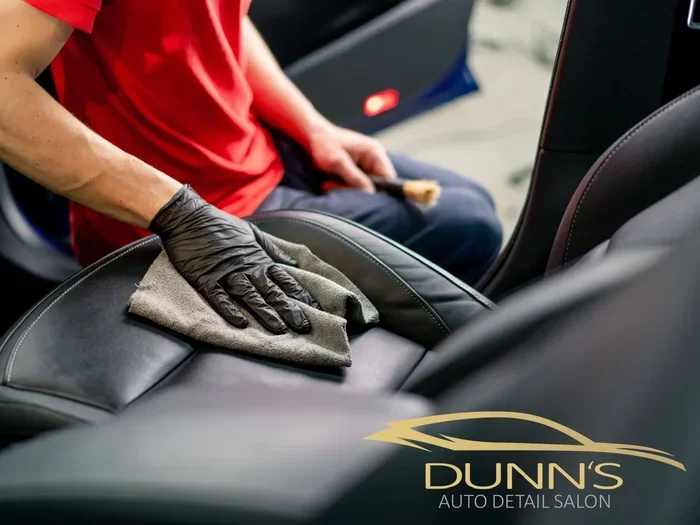
Microfiber cloths are the go-to tool for detailers. They are soft and gentle on leather. They also absorb liquid very well. This makes them perfect for applying and wiping off cleaner. Detailers use different colors of microfiber cloths for different tasks. For example, white cloths are used for cleaning. Colored cloths are used for applying conditioner.
Never use old towels or paper towels on leather seats. These materials are too rough. They can create micro-scratches on the surface. Over time, these scratches make the leather look dull. Always invest in high-quality microfiber cloths for the best results.
Soft-Bristle Brushes
Detailers use soft-bristle brushes to agitate dirt in the leather pores. These brushes have gentle bristles that do not scratch the surface. They are especially useful for textured leather seats. The bristles work the cleaner deep into the grain. This ensures a thorough clean.
For tight spaces like seat seams, detailers use smaller brushes. These reach areas that cloths cannot. A detailing brush set is a worthwhile investment. It gives you the precision that professionals rely on.
Vacuum Cleaners
Before applying any cleaner, detailers vacuum the seats first. This removes loose dirt, crumbs, and debris. A handheld vacuum or a shop vac with a brush attachment works well. Vacuuming prevents dirt from turning into mud when cleaner is applied.
Some detailers use a compressed air blower too. This blows dust out of crevices and seams. It is a simple step that makes a big difference. Clean leather before you start the wet cleaning process.
Steam Cleaners
Steam cleaners are a favorite among professional detailers. They use hot steam to deep clean leather upholstery. Steam loosens stubborn stains and kills bacteria. It is a chemical-free cleaning method. This makes it a great choice for people who prefer natural cleaning solutions.
However, steam must be used carefully. Too much heat or moisture can damage leather. Detailers keep the steam nozzle at a safe distance. They also dry the leather thoroughly after steaming. A clean microfiber cloth works well for this.
Step-by-Step Process: How Detailers Clean Leather Seats
Now that you know the products and tools, let us walk through the process. This is exactly what a professional would do.
Step 1: Vacuum Thoroughly
Start by vacuuming the entire seat surface. Use the brush attachment for the best results. Pay attention to seams and crevices. Remove all loose debris before moving to the next step.
Step 2: Apply Leather Cleaner
Spray a small amount of leather cleaning solution onto a microfiber cloth. Do not spray it directly on the seat. Excess liquid can soak into the leather. Work in small sections. Use circular motions to lift dirt and stains. Wipe away the cleaner with a clean cloth.
Step 3: Use a Brush for Stubborn Stains
For tough stains, use a soft-bristle brush. Gently scrub the affected area. The brush helps work the cleaner into the leather grain. Be careful not to press too hard. You want to clean, not damage the surface.
Step 4: Wipe and Dry
After cleaning, wipe off any residue with a dry microfiber cloth. Let the leather air dry completely. Do not use a hairdryer or direct heat. This can cause the leather to dry out too quickly. Allow at least 30 minutes for drying.
Step 5: Apply Conditioner
Once the leather is dry, apply leather conditioner. Use a fresh microfiber cloth or an applicator pad. Spread the conditioner in thin, even layers. Let it soak in for 10 to 15 minutes. Buff off any excess with a clean cloth.
Step 6: Apply Protectant
The final step is applying a leather protectant. This seals in the conditioner and adds a protective layer. Spray it on and wipe it off with a microfiber cloth. Your leather seats should now look and feel amazing.
Common Mistakes to Avoid When Cleaning Leather Seats
Even with the best products, mistakes can happen. Here are some common errors that people make when cleaning leather seats.
Using Household Cleaners
This is the biggest mistake people make. Household cleaners like Windex or all-purpose spray are not safe for leather. They contain chemicals that strip natural oils. Over time, this causes the leather to dry and crack. Always use products designed for leather seat cleaning.
Skipping the Conditioning Step
Some people clean their leather seats and stop there. This is a big error. Cleaning removes dirt, but it also removes natural oils. Without conditioning, the leather loses its softness. Make sure to condition after every cleaning session.
Using Too Much Product
More product does not mean better results. Using too much cleaner or conditioner can leave a residue. This residue attracts dirt and makes the seats look greasy. Less is more when it comes to leather detailing products.
Ignoring Sun Damage
Sun exposure is a silent killer of leather seats. UV rays break down the leather fibers. They cause fading and drying. Park your car in the shade whenever possible. Use a leather protectant with UV blockers for added defense.
How Often Should You Clean Leather Seats
Frequency matters when it comes to leather care. A good rule of thumb is to clean your seats once a month. This prevents dirt from building up. It also keeps the leather hydrated.
If you use your car daily, you may need to clean more often. Spills and stains happen. Address them as soon as possible. The longer a stain sits, the harder it is to remove. Quick attention saves your leather seats from permanent damage.
Conditioning should be done every two to three months. This keeps the leather soft and supple. In harsh climates, you may need to condition more often. Hot, dry weather dries out leather faster. Cold, wet weather can cause moisture damage. Adjust your routine based on your environment.
Expert Insights on Leather Seat Cleaning
We spoke with several professional detailers to get their top tips. Here is what they had to say.
Always test new products on a hidden area first. This ensures the product does not discolor or damage the leather. Wait 24 hours to check for any adverse reactions.
Invest in quality products. Cheap cleaners may save money upfront. But they can cause long-term damage to your leather seats. Professional-grade detailing products are worth the investment.
Be patient. Rushing through the cleaning process leads to missed spots and uneven results. Take your time and enjoy the process. A thorough cleaning session can take 30 to 45 minutes. But the results are well worth it.
Never skip drying. Moisture trapped in leather can lead to mold and mildew. Make sure the seats are completely dry before conditioning. Use a dry cloth to absorb excess moisture.
Key Takeaways
- Specialized leather cleaners: Detailers use pH-balanced leather cleaning solutions that safely lift dirt and grime from leather seats.
- Microfiber cloths and brushes: These tools are essential for gentle yet effective cleaning without scratching the surface.
- Leather conditioner and protectant: After cleaning, detailers apply conditioner and protectant to keep leather soft, supple, and protected from UV damage.
- Steam cleaning: Many professionals use steam cleaners to deep clean leather upholstery and remove stubborn stains.
- Regular maintenance routine: Consistent care with the right products prevents cracking, fading, and wear over time.
- Avoid household cleaners: Harsh chemicals like bleach or ammonia can dry out and damage leather seats permanently.
- Professional-grade products make a difference: Investing in quality detailing products yields results that rival a dealership finish.
Conclusion
Cleaning leather seats does not have to be intimidating. With the right leather seat cleaner, conditioner, and protectant, you can achieve professional results at home. Car detailers rely on pH-balanced products, microfiber cloths, soft brushes, and steam cleaners to get the job done right. The key is to follow a consistent leather care routine that includes cleaning, conditioning, and protecting.
Avoid common mistakes like using household cleaners or skipping the conditioning step. Take your time and be gentle with the leather. Your seats will thank you with years of beautiful, comfortable use. Start today, and you will see the difference. What do car detailers use to clean leather seats is not a secret. It is a combination of the right products, the right tools, and the right technique. Now you have all three.
Remember, leather is an investment. It adds value and comfort to your vehicle. Treat it with care, and it will reward you with a luxurious look that turns heads every time you get behind the wheel. Happy detailing.
Frequently Asked Questions
What is the best cleaner for leather car seats?
Detailers recommend using a pH-balanced leather cleaner specifically designed for automotive leather. Brands like Leather Honey, Meguiar’s, and Chemical Guys are popular choices among professionals. Always avoid household cleaners, as they can strip natural oils and cause damage.
Can I use a steam cleaner on leather seats?
Yes, steam cleaners are effective for deep cleaning leather upholstery. However, you must use them carefully. Keep the steam nozzle at a safe distance and avoid over-saturating the leather. Always dry the seats thoroughly after steaming to prevent moisture damage.
How often should I condition my leather car seats?
Condition your leather seats every two to three months. In harsh climates, such as very hot or very dry environments, you may need to condition more frequently. Regular conditioning keeps the leather soft, supple, and protected from cracking and fading.
Is it safe to use household cleaners on leather seats?
No, household cleaners like dish soap, bleach, and all-purpose sprays are too harsh for leather. They strip away the natural oils and protective coatings, leading to drying and cracking over time. Always use products formulated specifically for leather seat cleaning.
What tools do professional detailers use for leather seats?
Professional detailers rely on microfiber cloths, soft-bristle brushes, vacuum cleaners, and steam cleaners. They also use quality applicator pads for even product distribution. These tools ensure a thorough and gentle cleaning process that protects the leather surface.
How can I protect my leather seats from sun damage?
Use a leather protectant with UV blockers to shield your seats from sun damage. Park your car in the shade whenever possible. Regular conditioning also helps maintain the leather’s natural defenses against UV rays and environmental wear.