What Does EPB Malfunction Mean And How To Fix It Today
An EPB malfunction means your electronic parking brake has detected a problem and needs attention. This warning can appear due to faulty wiring, a stuck caliper, a bad switch, or a failing motor. Understanding the root cause helps you fix it quickly and keep your car safe on the road.
You are driving down the road, and suddenly a yellow or red light pops up on your dashboard. It says something about an EPB malfunction. Your heart skips a beat. What does it mean? Is your car about to break down? Should you pull over right now?
Here is the good news. Most of the time, an EPB malfunction is not a death sentence for your vehicle. It is your car telling you something needs attention. And the sooner you figure out what that is, the better off you are. In this guide, we will break down exactly what EPB malfunction means, why it happens, and how you can fix it today.
Whether you are a hands-on DIYer or someone who just wants to understand the warning before heading to the shop, this article has you covered. We will walk through every angle of the electronic parking brake system, from simple resets to complex electrical faults. Let us get into it.
Key Takeaways
- EPB stands for Electronic Parking Brake: It replaces the traditional hand lever with a button or switch controlled by your car’s computer.
- An EPB malfunction signals a real issue: Ignoring it can lead to safety risks and costly repairs down the road.
- Common causes include faulty switches, worn brake pads, and damaged wiring: Most of these problems are fixable with the right approach.
- Some fixes are simple DIY jobs: Resetting the system or checking the fuse can solve minor issues in minutes.
- Other problems need a professional mechanic: Electrical faults or caliper damage require specialized tools and expertise.
- Regular maintenance prevents EPB problems: Simple habits like checking brake fluid and keeping calipers clean go a long way.
- Always address the EPB warning light immediately: Driving with a faulty parking brake puts you and others at risk.
📑 Table of Contents
What Is an Electronic Parking Brake?
Before we dive into what goes wrong, let us talk about what the electronic parking brake actually is. Think of it as the modern version of the old hand lever or foot pedal you used to pull up or push down to keep your car from rolling when parked.
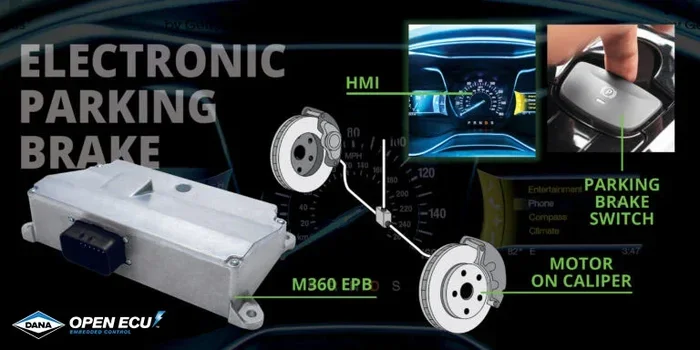
Instead of a cable you yank by hand, the EPB system uses an electric motor, sensors, and your car’s computer to engage and release the parking brake. You simply press a button on the center console or dash, and the system does the rest. It is neat, compact, and very convenient.
The EPB module controls everything. It reads inputs from the EPB switch, checks the EPB sensor readings, and sends signals to the parking brake motor at each rear wheel. When all of these parts work together, you get smooth, reliable braking with the push of a button.
But like any electronic system, things can go wrong. Wires corrode. Motors wear out. Sensors fail. And when they do, your car flashes that dreaded EPB warning light on the dashboard. That is your cue to pay attention.
What Does EPB Malfunction Mean?
When your dashboard shows an EPB malfunction message, it means the car’s computer has detected a problem in the electronic parking brake system. The car cannot confirm that the parking brake is working correctly, so it flags an error. This is not something to ignore.
The brake system warning can appear in different ways. Sometimes it is a text message on the digital display. Other times, it is a yellow or red icon shaped like a “P” with an exclamation point. The exact look depends on your car’s make and model. But the meaning is the same: something in the EPB system needs checking.
Common Warning Signs of an EPB Malfunction
How do you know your EPB system is acting up? Watch for these telltale signs:
- The EPB warning light stays on: It should turn off after you start driving. If it stays lit, there is a problem.
- The parking brake will not engage: You press the button, and nothing happens. Or it takes several tries.
- The parking brake will not release: Your car feels like it is always braking, even on the highway.
- Unusual grinding or clicking sounds: These noises often come from the rear wheels when the brake caliper is not moving freely.
- The message keeps coming back: You clear the code, but the EPB malfunction warning returns within minutes or miles.
- Inconsistent behavior: The parking brake works sometimes but not others. This often points to an electrical gremlin.
If you notice any of these signs, do not wait. The longer you drive with a faulty EPB system, the more damage it can cause. And more importantly, it is a safety risk. A parking brake that fails to hold your car on a hill is a real danger.
Understanding the EPB Warning Light
The EPB warning light is your first line of defense. It is designed to alert you the moment the system detects an issue. But here is the tricky part: the light does not always tell you exactly what is wrong. It just tells you something is wrong.
That is why a diagnostic scanner is so helpful. When you plug it into your car’s OBD-II port, it reads the trouble codes stored in the EPB module. These codes point you toward the specific problem. For example, a code might indicate a faulty EPB sensor or a motor that has stopped responding. Without the scanner, you are basically guessing.
Some drivers make the mistake of ignoring the light because the car “seems fine.” That is a risky bet. The parking brake system does more than just hold the car when parked. On many modern vehicles, it also plays a role in hill-start assist and vehicle stability control. A broken EPB system can affect how your car handles in emergency situations.
Top Causes of EPB Malfunction
Now let us get into the meat of the matter. Why does an EPB malfunction happen in the first place? There are several common culprits, and knowing them helps you narrow down the problem faster.
Faulty EPB Switch
The EPB switch is the button or lever you press to engage or release the parking brake. Over time, this switch can wear out. Dirt, moisture, and constant use all take a toll. When the switch fails, it cannot send the right signal to the EPB module, and the system throws an error.
A faulty switch is one of the most common reasons for an EPB malfunction. The good news is it is also one of the easier and cheaper fixes. In many cases, replacing the switch takes less than an hour and costs between $50 and $150 for parts.
Damaged Parking Brake Motor
Each rear wheel has a small electric motor that pulls the parking brake cable or engages the brake caliper directly. These motors can burn out, especially if the system is used frequently or if the caliper is sticking. A dead motor means the parking brake cannot engage or release on that side.
Motor failure often happens after the car has high mileage. If you drive a lot in stop-and-go traffic or live in a hilly area, the motor works harder and wears out faster. Replacing a parking brake motor typically costs between $200 and $400 per wheel, depending on the vehicle.
Brake Caliper Issues
The rear brake caliper is where the parking brake cable or motor applies the actual braking force. If the caliper seizes, rusts, or gets stuck, the EPB system cannot do its job. You might hear a grinding noise when driving, or the car might pull to one side when braking.
Caliper problems are more serious than a bad switch or motor. They can affect your regular braking too, not just the parking brake. If you suspect a seized caliper, get it checked right away. A stuck caliper can cause uneven brake pad wear and reduce your stopping power.
Wiring and Electrical Problems
Since the EPB system is entirely electronic, it relies on a network of wires and connectors. Corrosion, chafing, or a damaged wire can interrupt the signal between the EPB switch, the EPB module, and the motors. This is especially common in older cars or vehicles that have been through rough weather.
Electrical issues are tricky because they can be intermittent. The system might work fine one moment and throw an error the next. Moisture is a big enemy here. If water gets into a connector behind the rear wheel, it can cause corrosion that leads to an EPB malfunction warning.
Low Brake Fluid or Sensor Problems
Some EPB systems share fluid with the main hydraulic brake system. If your brake fluid level drops low, the EPB module may detect a problem and trigger the warning light. The same goes for the EPB sensor itself, which monitors the position of the parking brake mechanism.
A failing sensor is another frequent cause of the EPB malfunction light. Sensors degrade over time, especially when exposed to heat and road grime. Replacing a sensor is usually straightforward, but it requires the right part for your specific vehicle.
How To Fix an EPB Malfunction
Now for the part you have been waiting for. How do you actually fix an EPB malfunction? The answer depends on what is causing the problem. Let us walk through the options, from simple home fixes to jobs best left to the pros.
Simple DIY Fixes You Can Try at Home
Before you book an appointment at the shop, try these easy steps. You might be surprised at how often a simple fix clears the EPB warning light.
- Reset the system: Turn the car off, wait 30 seconds, and turn it back on. In many cases, a simple reset clears a temporary error. This works when the EPB malfunction is caused by a minor glitch in the software.
- Check the fuse: Locate your car’s fuse box and find the fuse for the EPB system. A blown fuse can trigger the warning light. Replace it with a fuse of the same amperage. This costs almost nothing and takes five minutes.
- Inspect the wiring connectors: Look behind the rear wheels for any connectors to the parking brake motor or EPB sensor. Unplug them, clean the contacts with electrical contact cleaner, and plug them back in. Corrosion on the connectors is a surprisingly common culprit.
- Check the brake fluid level: Open the hood and look at the brake fluid reservoir. If it is low, top it off with the correct type of fluid listed in your owner’s manual. Low fluid can confuse the EPB module and trigger a false warning.
- Use a diagnostic scanner: If you have access to an OBD-II scanner, read the trouble codes. This tells you exactly what the EPB module is complaining about. Some scanners can also clear the codes and reset the system.
These steps solve the problem in many cases. But if the EPB malfunction persists after trying them, it is time to dig deeper.
When You Need a Professional Mechanic
Some problems are beyond a DIY fix. If the EPB warning light keeps coming back, or if the parking brake physically does not work, you need a professional. Here are the situations where a trip to the shop is the right call:
- The parking brake motor has failed: You will need a replacement motor, and installing it requires removing the rear wheel and sometimes the brake caliper. This is not a beginner-level job.
- The brake caliper is seized or damaged: A stuck caliper needs to be rebuilt or replaced. This involves bleeding the brake system and ensuring proper hydraulic pressure.
- There is a wiring fault deep in the harness: Tracing and repairing a damaged wire behind the rear axle requires experience and the right tools.
- The EPB module itself has failed: A bad EPB module is rare but serious. It requires programming and coding to replace, which only a dealer or qualified shop can do.
- You have checked everything and the light still won’t go away: A mechanic can hook up a professional-grade diagnostic scanner that reads deeper into the system and pinpoints the exact fault.
The cost of professional repairs varies widely. A simple switch replacement might run $100 to $200 including labor. A motor or caliper replacement could cost $300 to $600 per wheel. A full EPB module replacement can run $500 or more, depending on the vehicle. Always get a quote before approving major repairs.
Comparison Table: Common EPB Problems and Repair Costs
| Problem | Symptoms | DIY Fixable? | Average Repair Cost |
|---|---|---|---|
| Faulty EPB Switch | Button does not respond, warning light on | Yes | $50 – $150 |
| Dead Parking Brake Motor | Brake will not engage or release on one side | No | $200 – $400 per wheel |
| Seized Brake Caliper | Grinding noise, car pulls to one side | No | $300 – $600 per wheel |
| Corroded Wiring Connector | Intermittent warning, works sometimes | Yes | $0 – $20 (cleaner only) |
| Low Brake Fluid | Warning light, EPB error message | Yes | $10 – $30 (fluid only) |
| Failed EPB Module | Persistent warning, no clear cause | No | $500+ |
| Faulty EPB Sensor | Warning light, inaccurate readings | Sometimes | $100 – $250 |
This table gives you a quick snapshot of what you might be dealing with. Use it as a starting point, not a final diagnosis. Every vehicle is different, and actual costs depend on your make, model, and location.
Preventing Future EPB Problems
Prevention is always better than repair. The good news is that keeping your EPB system healthy is not complicated. A few simple habits can add years of life to your electronic parking brake and keep that annoying warning light away.
- Check your brake fluid regularly: Top it off as needed and change it according to your owner’s manual schedule. Clean fluid keeps the entire brake system running smoothly.
- Keep the rear wheels clean: Road salt, dirt, and grime cause corrosion on the parking brake motor and connectors. Rinse your rear wheels when you wash the car, especially in winter.
- Use the parking brake every time you park: It might seem obvious, but some drivers rely only on putting the car in park. Using the EPB regularly keeps the motor and cable from seizing up.
- Listen for unusual noises: Clicking, grinding, or whining sounds from the rear wheels are early warning signs. Catching them early prevents bigger problems.
- Do not ignore the warning light: The moment the EPB malfunction light comes on, address it. A small issue today becomes a big repair bill tomorrow.
- Get regular brake inspections: Have a mechanic check your brake pads, brake calipers, and parking brake cables at every oil change or tire rotation.
These habits take very little time but pay off in reliability and safety. Your EPB system works hard every day, even if you do not think about it. A little attention goes a long way.
Quick Tips for Dealing with an EPB Malfunction
Here are some fast tips to keep in mind when you encounter an EPB malfunction on the road:
- Do not panic: Your regular hydraulic brakes still work even if the EPB system has failed. You can safely drive to a repair shop.
- Manually engage the parking brake if needed: Some vehicles have a manual backup. Check your owner’s manual for instructions.
- Avoid hilly parking spots: If the EPB is not engaging properly, park on flat ground and turn your wheels toward the curb as an extra safety measure.
- Keep a diagnostic scanner in your glovebox: A basic OBD-II scanner costs under $30 and can save you hundreds in diagnostic fees at the shop.
- Record when the warning appears: Note the conditions when the EPB malfunction light comes on. Was it cold? Wet? After a sharp turn? This information helps your mechanic diagnose the issue faster.
Expert Insight: According to automotive technicians, the most common EPB malfunction they see is a corroded connector at the rear wheel. Before replacing expensive parts, always inspect the connectors first. In many cases, a simple cleaning solves the problem instantly.
Key Takeaways
- EPB stands for Electronic Parking Brake: It is a modern, button-operated system that replaces the traditional hand lever or foot pedal.
- An EPB malfunction means the system has detected a fault: The dashboard warning light tells you something needs attention.
- Common causes include faulty switches, dead motors, seized calipers, and corroded wiring: Most are fixable with the right approach.
- Simple resets, fuse checks, and connector cleaning can solve minor issues at home: These are quick and cost-free fixes.
- Complex problems like motor or caliper failure require a professional mechanic: Do not attempt these repairs without the right tools and experience.
- Regular maintenance prevents most EPB problems: Check brake fluid, keep rear wheels clean, and use the parking brake consistently.
- Never ignore the EPB warning light: Driving with a faulty parking brake compromises your safety and your vehicle’s stability.
Conclusion
An EPB malfunction can feel scary when it pops up on your dashboard for the first time. But as we have covered, it is usually a fixable problem. The key is to not ignore it. Whether it is a simple reset, a corroded connector, or a worn-out motor, the sooner you address the issue, the safer you and your car stay.
Start with the basics. Check the fuse, clean the connectors, and reset the system. If those steps do not clear the EPB warning light, move on to a diagnostic scanner to read the trouble codes. And if the problem is beyond your comfort level, take your car to a trusted mechanic. The cost of a professional diagnosis is always worth the peace of mind.
Remember, your electronic parking brake is a critical safety system. It holds your car in place on hills, supports hill-start assist, and contributes to overall vehicle stability. Taking care of an EPB malfunction today means avoiding bigger headaches tomorrow. So the next time that light comes on, you will know exactly what to do.
Now you have the knowledge and the steps to tackle this problem head-on. Share this guide with a friend who might need it, and keep your car running safe and strong.
Frequently Asked Questions
Can I still drive my car if the EPB malfunction light is on?
Yes, you can drive carefully, but you should get the issue checked soon. Your regular hydraulic brakes still work. However, the parking brake may not hold the car properly, especially on hills. Avoid steep parking areas until the problem is fixed.
How much does it cost to fix an EPB malfunction?
The cost depends on the cause. A simple fuse replacement or connector cleaning costs almost nothing. Replacing an EPB switch runs $50 to $150. Motor or caliper repairs can cost $200 to $600 per wheel. A full EPB module replacement may exceed $500.
Can low brake fluid cause an EPB malfunction?
Yes, it can. Many EPB systems share brake fluid with the main hydraulic brakes. If the fluid level drops, the EPB module may detect a problem and trigger the warning light. Always check your brake fluid if the EPB light comes on.
How do I reset my EPB system at home?
Turn the car off, wait about 30 seconds, and turn it back on. Make sure the parking brake is fully engaged before restarting. In many cases, this simple reset clears a temporary error. If the light returns, there is a deeper issue to address.
What should I do if the EPB light keeps coming back?
If the warning light keeps returning, use an OBD-II diagnostic scanner to read the trouble codes. These codes tell you exactly what the EPB module is detecting. If you do not have a scanner, take the car to a mechanic who can read the codes and pinpoint the fault.
Is an EPB malfunction a safety hazard?
Yes, it can be. A parking brake that fails to hold the car creates a rollaway risk, especially on slopes. It can also affect hill-start assist and vehicle stability systems. Always address an EPB malfunction promptly to keep yourself and others safe on the road.