What Is the Gas Tank Opening Called Everything You Need
The gas tank opening is commonly called the fuel filler neck or filler door. It is the access point where you insert the gas pump nozzle to refuel your vehicle. This article covers everything from the parts and types of gas tank openings to maintenance tips and common problems you should know about.
Have you ever stood at the gas pump, unsure of the proper name for the part you are about to use? You are not alone. Many drivers know the routine — pull up, open the door, insert the nozzle, and fill up. But when someone asks, “What is the gas tank opening called?” most people draw a blank.
The answer is simpler than you think. The gas tank opening has a few official names depending on the part you are referring to. The most common term is the fuel filler neck. Some people call it the filler door, the fuel door, or the gas tank cover. In this article, we will walk through every term, every part, and every detail you need to know about your vehicle’s gas tank opening. Whether you are a new driver or a seasoned car owner, this guide has something useful for you.
Understanding your car’s fuel system starts with knowing the basics. The gas tank opening is the gateway between your vehicle and the fuel that powers it. It might seem like a small, unimportant part, but it plays a big role in keeping your car running safely and efficiently. Let us dive in and explore everything there is to know.
Key Takeaways
- The gas tank opening is officially known as the fuel filler neck or filler door.
- Different vehicles use different gas tank door designs, including side-mounted, rear bumper, and flush-mounted styles.
- The fuel cap and fuel door latch are key components that keep your fuel system sealed and secure.
- Common problems include stuck fuel doors, broken latches, and leaking gas caps.
- Regular maintenance of your gas tank access point can prevent fuel leaks and costly repairs.
- Knowing how your fuel filler system works helps you troubleshoot issues faster.
- Always refer to your owner’s manual for the correct way to open your specific vehicle’s gas tank.
📑 Table of Contents
- The Simple Answer: What Is the Gas Tank Opening Called
- Parts of Your Gas Tank Opening System
- How the Gas Tank Opening Works
- Common Problems with Gas Tank Openings
- How to Open Different Types of Gas Tank Doors
- Maintenance Tips for Your Gas Tank Opening
- Expert Insights on Gas Tank Openings
- Key Takeaways
- Conclusion
The Simple Answer: What Is the Gas Tank Opening Called
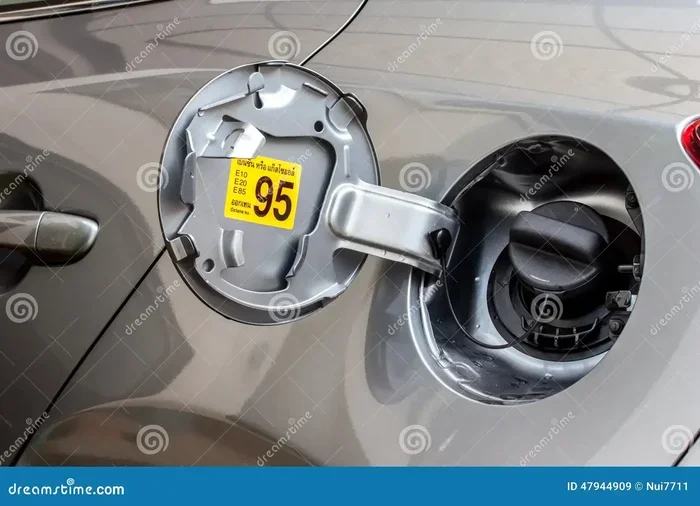
The gas tank opening is most commonly referred to as the fuel filler neck. This is the pipe or tube that connects the outside of your car to the inside of the fuel tank. When you open the fuel filler door on the exterior of your vehicle, you are accessing the top of the fuel filler neck.
Here are the most common terms used to describe the gas tank opening:
- Fuel filler neck — the pipe that leads from the outside to the fuel tank.
- Filler door — the exterior door or flap that covers the opening.
- Fuel door — another name for the filler door.
- Gas cap — the cap you screw on top of the filler neck to seal it.
- Fuel door latch — the mechanism that holds the filler door shut.
- Tank filler — a general term used in automotive manuals.
- Fuel inlet — the point where fuel enters the tank.
So the next time someone asks you what the gas tank opening is called, you can confidently say it is the fuel filler neck, protected by the filler door and sealed with the gas cap. Each of these parts works together to form the complete fuel access system on your vehicle.
Why Does the Name Matter?
You might wonder why knowing the proper name matters. It actually does matter in several situations. When you are talking to a mechanic, using the correct term helps them understand your problem faster. When you are looking up parts online, searching for “fuel filler neck” or “fuel door latch” gives you more accurate results than a vague search. And when you are reading your vehicle’s owner manual, the terms used there match the official names we just covered.
Parts of Your Gas Tank Opening System
The gas tank opening is not just one single piece. It is a system made up of several components that work together. Each part has a specific job, and understanding them helps you take better care of your vehicle.
The Fuel Filler Neck
The fuel filler neck is the tube that runs from the exterior opening down into the fuel tank. It is typically made of metal or durable plastic and is designed to handle the constant flow of fuel. The neck also includes a internal valve or baffle that prevents fuel from splashing out and reduces vapor emissions.
The Fuel Filler Door
The fuel filler door is the external cover that hides the opening. It protects the fuel filler neck from dirt, debris, and weather damage. The door can be opened in several ways — by pulling a lever inside the car, pressing a button, or manually lifting it from the outside. The design of the fuel door varies by vehicle make and model.
The Fuel Door Latch
The fuel door latch is the mechanism that keeps the filler door closed. It can be a simple spring-loaded clip or a more complex electronic latch controlled by the car’s computer. A faulty fuel door latch is one of the most common issues drivers face with their gas tank opening.
The Gas Cap
The gas cap — also called the fuel cap or filler cap — screws onto the top of the fuel filler neck. It seals the system to prevent fuel vapors from escaping. Modern gas caps are part of the vehicle’s evaporative emissions control system, which is why a loose or damaged cap can trigger the check engine light.
The Fuel Tank Itself
Of course, the fuel tank is the container that actually holds the gasoline or diesel. The gas tank opening connects to the top of the tank, allowing fuel to flow in safely. The tank is typically made of high-density polyethylene or stamped steel and is designed to withstand pressure and temperature changes.
How the Gas Tank Opening Works
Understanding how the gas tank opening works gives you a better appreciation for its design. The process of refueling seems simple, but there is a lot happening behind the scenes.
When you open the fuel filler door, you expose the fuel filler neck. You insert the gas pump nozzle into the neck, and fuel flows down through the tube into the tank. The gas cap sits on top, creating a sealed system. When you remove the cap, air enters the tank to replace the fuel, which allows the pump to work efficiently.
Modern vehicles also have an evaporative emission control system that captures fuel vapors and sends them back to the engine. The gas cap plays a key role in this system by maintaining the proper pressure seal. If the cap is loose, damaged, or missing, vapors escape, and your car may fail an emissions test.
The Refueling Process Step by Step
- Park your vehicle near the fuel pump.
- Turn off the engine.
- Locate the fuel filler door — check your dashboard for an arrow pointing to the side.
- Open the door using the interior lever, button, or manual release.
- Remove the gas cap by turning it counterclockwise.
- Insert the pump nozzle into the fuel filler neck.
- Select your fuel grade and begin pumping.
- Replace the gas cap and close the fuel door.
That is it! The entire process relies on the gas tank opening working properly. If any part of the system is damaged or malfunctioning, refueling becomes difficult or unsafe.
Common Problems with Gas Tank Openings
Like any part of your vehicle, the gas tank opening can develop problems over time. Knowing what to watch for can save you time, money, and frustration.
Stuck Fuel Filler Door
A stuck fuel door is one of the most annoying issues. It can happen because of a broken fuel door latch, a frozen mechanism in cold weather, or a faulty release cable. If your door will not open, try these quick fixes:
- Check the interior release lever or button.
- Try opening it from the trunk or rear seat if your vehicle has a secondary release.
- Apply a small amount of lubricant to the latch mechanism.
- Avoid forcing the door open, as this can cause further damage.
Broken or Missing Gas Cap
A loose or missing gas cap is a surprisingly common problem. It can cause your check engine light to come on, reduce fuel efficiency, and increase emissions. Always make sure your fuel cap is tightened properly after every fill-up. If the cap is cracked or the seal is worn, replace it immediately.
Leaking Fuel Filler Neck
A leak in the fuel filler neck is a serious safety hazard. You might notice a fuel smell around the rear of your vehicle, or you may see fuel stains on the ground. A leaking neck should be repaired by a professional as soon as possible.
Damaged Fuel Door Latch
The fuel door latch can wear out over time, especially in vehicles that are frequently driven in harsh conditions. A broken latch may not hold the door securely, which can cause the door to pop open while driving. Replacing a fuel door latch is usually a simple and affordable repair.
Clogged Fuel Inlet
Dirt, debris, and ice can clog the fuel inlet or tank filler opening. This can make it difficult to insert the pump nozzle. Keep the area around your gas tank opening clean, and clear any ice or debris before refueling in winter.
How to Open Different Types of Gas Tank Doors
Not all gas tank doors are the same. Different vehicles use different mechanisms to access the gas tank opening. Here are the most common types you will encounter.
Interior Lever Release
Many cars have a lever or pull handle inside the driver’s cabin, usually on the driver’s side door or the dashboard area. Pulling this lever releases the fuel door latch and pops the door open.
Dashboard Button
Some modern vehicles use a button on the dashboard or center console to open the fuel filler door. Simply press the button, and the door releases. This is common in newer cars and trucks.
Manual Lift
Older vehicles and some trucks require you to manually lift the fuel door from the outside. There is no internal release — you just grab the edge and pull it up. These simple designs are reliable but offer less protection from the elements.
Remote Release
A few luxury and high-end vehicles offer a remote fuel door release through the key fob or infotainment system. This is a convenient feature that lets you open the gas tank access point without leaving the driver’s seat.
Flush-Mounted Doors
Flush-mounted fuel doors sit level with the body of the car, giving the vehicle a sleek, aerodynamic look. These doors are common on modern sedans and SUVs. They typically use a push-to-release mechanism.
Maintenance Tips for Your Gas Tank Opening
Taking care of your gas tank opening is easy and goes a long way toward preventing problems. Follow these simple maintenance tips to keep your fuel filler system in great shape.
- Tighten your gas cap after every fill-up until you hear it click.
- Inspect the fuel door latch regularly for signs of wear or rust.
- Keep the filler neck clean by wiping away dirt and debris.
- Replace a damaged gas cap immediately — do not drive with a loose or broken cap.
- Clear ice or snow from the fuel door before opening it in winter.
- Listen for unusual sounds when opening or closing the fuel door, as this can indicate a failing latch.
- Check for fuel odors near the rear of your vehicle, which could signal a leak in the fuel filler neck.
These small habits add up over time and help you avoid expensive repairs. A well-maintained gas tank opening also keeps your vehicle running at peak efficiency, which saves you money at the pump.
Expert Insights on Gas Tank Openings
Automotive experts agree that the gas tank opening is one of the most overlooked parts of a vehicle. Here are some insights from industry professionals.
Tip from a certified mechanic: “I see so many cars with the check engine light on, and the cause is often a loose gas cap. Always make sure it is tight. It costs nothing and takes two seconds.”
Design perspective: Car manufacturers have evolved fuel door designs over the years. Early vehicles had simple, exposed openings. Modern designs focus on aerodynamics, security, and ease of use. The flush-mounted fuel door is now the industry standard for most passenger vehicles.
Safety reminder: Never overfill your fuel tank. When the pump automatically shuts off, stop adding fuel. Overfilling can cause fuel to enter the fuel filler neck and damage the evaporative emissions system, leading to costly repairs.
Key Takeaways
- The gas tank opening is officially called the fuel filler neck, and the external cover is the fuel filler door.
- The system includes several parts: the fuel filler neck, fuel door latch, gas cap, and fuel tank.
- Different vehicles use different fuel door types, including lever release, button release, and manual lift.
- Common problems include stuck doors, broken latches, and loose or missing gas caps.
- Regular maintenance keeps your gas tank access point working reliably for years.
- Knowing the proper names helps you communicate with mechanics and find the right parts.
Conclusion
The gas tank opening is a simple but essential part of every vehicle. Now you know that it is called the fuel filler neck, protected by the fuel filler door, and sealed with the gas cap. You understand how the system works, the common problems that can arise, and how to keep everything running smoothly.
Next time you pull up to the pump, you will not just be refueling — you will understand the entire fuel system behind the action. Take a moment to check your gas cap, inspect your fuel door, and appreciate the engineering that goes into something so simple. A little knowledge about your gas tank opening goes a long way toward being a smarter, safer driver.
Share this guide with a friend who might not know the answer to “What is the gas tank opening called?” Knowledge is one of the best things you can pass on, and it might just save someone a trip to the mechanic.
Frequently Asked Questions
What is the gas tank opening called on a car?
The gas tank opening is called the fuel filler neck. The external door that covers it is known as the fuel filler door or fuel door. The cap that seals the top is the gas cap or fuel cap.
Why does my fuel door not open?
A fuel door that will not open is usually caused by a broken fuel door latch, a faulty release cable, or a frozen mechanism in cold weather. Try the interior release lever first, and if that does not work, check for a secondary release in the trunk or rear seat.
Can I drive with a loose gas cap?
You can drive a short distance with a loose gas cap, but it is not recommended. A loose cap can trigger the check engine light, reduce fuel efficiency, and allow fuel vapors to escape. Always tighten your gas cap until it clicks after every fill-up.
How do I know which side my gas tank is on?
Look at the fuel gauge icon on your dashboard. There is a small arrow next to the gas pump symbol that points to the side of the vehicle where the fuel filler door is located.
What causes a gas cap to keep coming loose?
A gas cap that keeps coming loose may have a worn or damaged seal, a cracked cap, or a thread that is stripped. Replacing the gas cap is usually a quick and inexpensive fix. Make sure you purchase a cap that is compatible with your vehicle model.
Is the fuel filler neck the same as the gas tank?
No, the fuel filler neck is the tube that connects the exterior opening to the fuel tank. The fuel tank is the container that holds the gasoline or diesel. The gas tank opening refers to the entire access point, including the neck, the door, and the cap.