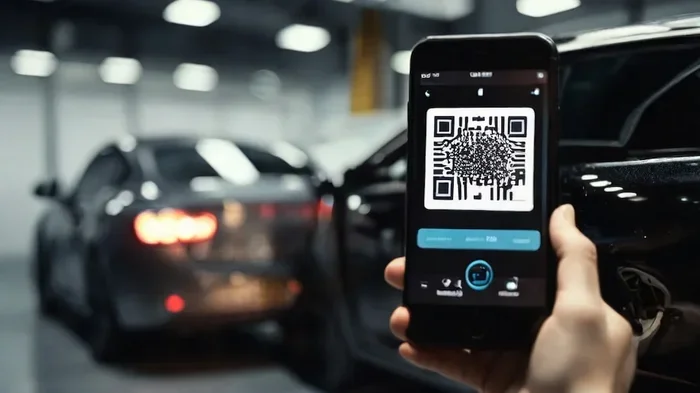
Why Is There a QR Code on My Car and What Does It Mean
A QR code on your car serves as a digital vehicle identifier that links to important information like registration, insurance, and owner details. These automotive QR codes are becoming more common as car manufacturers and law enforcement embrace smart car technology for faster vehicle verification and enhanced road safety.
You might have noticed a small square pattern printed on your car window, bumper, or license plate frame. It looks like a barcode but with a grid of black and white squares. This is a QR code on my car, and it is not just a random design. It serves a real purpose that connects your vehicle to digital information in seconds.
More and more drivers are spotting these QR code car registration stickers and wondering what they are all about. Whether you bought a new car recently or just started paying attention, the vehicle QR sticker on your ride can tell you a lot about modern automotive QR codes and how they are changing the way we interact with our cars.
In this article, we will break down everything you need to know. We will cover what the code means, how it works, why automakers use it, and what it means for you as a car owner. By the end, you will understand the digital car identity trend and why it is here to stay.
Key Takeaways
- Quick ID Access: A QR code on your car allows instant access to vehicle and owner information without physical paperwork.
- Law Enforcement Tool: Police and parking officers can scan the code to verify registration and insurance in seconds.
- Multiple Use Cases: QR codes serve purposes ranging from digital registration to smart parking and vehicle tracking.
- Safety and Security: These codes can help identify stolen vehicles and assist in emergencies on the road.
- Growing Trend: More automakers are adopting automotive QR codes as part of the digital vehicle passport movement.
- Easy to Use: Anyone with a smartphone camera can scan a car QR tag and access the linked data instantly.
- Privacy Considerations: While convenient, car owners should understand what information is shared through the QR code.
📑 Table of Contents
- What Is a QR Code on My Car?
- Why Do Cars Have QR Codes Now?
- How QR Codes Improve the Driving Experience
- What Information Does the QR Code Store?
- Are QR Codes on Cars Secure?
- The Future of QR Codes in the Automotive World
- Common Mistakes Car Owners Make with QR Codes
- Quick Tips for Managing Your Car QR Code
- Conclusion
What Is a QR Code on My Car?
A QR code is a quick response code. It is a two-dimensional barcode that stores data in a grid pattern. When you scan it with your phone, it pulls up linked information almost instantly. A car QR tag works the same way but is specifically designed for vehicles.
The code on your car usually links to a secure database. This database can hold your vehicle identification number, registration details, insurance status, and more. Think of it as a digital vehicle passport that fits right on your windshield.
How Does It Work?
Here is how simple the process is. Someone points their smartphone camera at the QR code on my car. The camera app reads the code and opens a web link. That link directs them to a verified page with your vehicle information. No typing needed. No searching. Just a quick scan.
Most car manufacturers use encrypted codes. This means the data is protected and cannot be easily altered. Only authorized systems and databases can read the full details. This keeps your car owner information safe while still making it accessible when needed.
Where Is the QR Code Located?
The placement varies by vehicle and purpose. Common locations include:
- Windshield corner near the rearview mirror
- Bumper or license plate frame
- Dashboard area visible through the windshield
- Inside the driver door jamb
- On a digital display screen in newer electric vehicles
Where it sits depends on the car brand and what the code is meant to do. Some codes are for law enforcement. Others are for parking systems or smart parking QR networks.
Why Do Cars Have QR Codes Now?
The rise of smart car technology has pushed the auto industry toward digital solutions. Car companies want to make vehicles smarter, safer, and easier to manage. A QR code vehicle inspection system is one of the simplest ways to achieve this.
Traditional car ownership involves a lot of paper. Registration cards, insurance slips, inspection stickers, and parking permits. All of these can now be linked to a single QR code. This reduces clutter and makes verification faster for everyone involved.
Digital Vehicle Registration
Many states and countries are moving toward QR code car registration systems. Instead of carrying a physical registration card, your car displays a scannable code. Police officers, parking attendants, and toll booth operators can scan it and pull up your records immediately.
This is a big step forward for automotive digitalization. It saves time, reduces paperwork, and makes roadside checks more efficient. If your registration is up to date, the scan confirms it in seconds.
Insurance Verification Made Easy
One of the biggest benefits of a car QR tag is instant insurance verification. In the past, an officer might need to call your insurance company to confirm coverage. With a QR code, they scan it and see your policy details right away.
This also helps drivers who forget their insurance cards. The code on your car serves as proof of coverage. It removes the stress of getting pulled over without your documents.
Vehicle Safety and Emergency Response
In a car accident, first responders need quick access to critical information. A vehicle QR sticker can provide emergency workers with details like your blood type, medical conditions, and emergency contacts. Some systems even link to your vehicle digital twin, which contains the full history of your car.
This use of vehicle safety QR technology can save lives. It gives paramedics the data they need without wasting precious time searching through your belongings.
How QR Codes Improve the Driving Experience
The QR code on my car is not just about paperwork. It also enhances the everyday driving experience in several practical ways.
Smart Parking Solutions
Smart parking QR systems are growing in cities around the world. Instead of feeding a parking meter or finding a paper ticket, you scan a QR code to pay for parking. Your QR code parking session starts automatically and ends when you leave.
Some parking garages use permanent QR codes on entry pillars. You scan the code, select your spot, and pay through your phone. It is contactless, fast, and convenient.
Toll Road and Congestion Charging
Several countries use QR-based toll systems. Instead of installing a dedicated toll tag, your car QR tag works as a pass. Cameras capture the code as you drive through, and the toll is billed to your account.
This is especially useful for visitors who do not have a local toll device. A rental car with a QR code can pass through tolls without any extra setup.
Vehicle Tracking and Theft Prevention
QR codes also play a role in vehicle tracking. When a car is reported stolen, the QR code links to a database that flags the vehicle. Law enforcement can scan the code and confirm the car has been stolen.
Some insurance companies offer discounts for cars equipped with scannable QR tags. The code proves the vehicle has added security features. It also helps recover stolen cars faster because the code ties directly to the owner.
What Information Does the QR Code Store?
Not all car QR codes contain the same data. The information depends on the purpose of the code and the system it connects to.
Common Data Points
- Vehicle Identification Number (VIN)
- Registration status and expiration date
- Insurance provider and policy number
- Emission inspection results
- Owner contact details (limited for privacy)
- Manufacturer and model information
- Emergency medical data (if opted in)
What the QR Code Does Not Store
Good security practices mean the code does not store sensitive personal data openly. Your full home address, social security number, or banking details are not embedded in the code. Instead, the code points to a secure server that holds this information behind authentication walls.
This is a key part of vehicle verification systems. The code acts as a bridge, not a storage device. It directs scanners to where the real data lives safely.
Are QR Codes on Cars Secure?
Security is a valid concern for many car owners. If anyone can scan your car QR tag, can they access your personal data? The short answer is no, not easily.
Encryption and Access Control
Most automotive QR codes use encryption. The code itself contains a unique identifier, not your personal details. When scanned, the identifier connects to a secure database. The database then verifies the scanner’s authorization before releasing any information.
Law enforcement and authorized personnel have the right access level. Regular pedestrians do not. This layered approach keeps your car owner information protected while still making the code useful.
Privacy Tips for Car Owners
- Only opt into data sharing programs you trust
- Review what information your car’s QR code links to
- Ask your dealer or manufacturer about data privacy policies
- Keep your registration and insurance records updated
- Report any suspicious QR stickers placed on your car by strangers
Being proactive about your digital car identity ensures you enjoy the benefits without compromising your privacy.
The Future of QR Codes in the Automotive World
The use of QR code car registration and digital vehicle identification is still in its early stages. But the trend is growing fast. Automakers, governments, and tech companies are all investing in this technology.
Digital Vehicle Passports
The European Union has already started rolling out digital vehicle passports. These passports use QR codes to store a car’s complete history, including maintenance records, accident reports, and ownership changes. When you buy a used car, you scan the code and get the full story instantly.
This kind of automotive digitalization could become standard worldwide. It makes buying and selling cars more transparent and trustworthy.
Integration with Electric Vehicles
Electric vehicles are leading the charge in QR code adoption. Many EV owners use their car QR tag to access charging stations, track battery health, and manage over-the-air software updates. The code becomes a central hub for all things related to the vehicle.
Autonomous and Connected Cars
As cars become more autonomous, smart car technology will rely even more on scannable identifiers. QR codes could help self-driving vehicles communicate with infrastructure, parking systems, and other cars on the road.
The QR code on my car might one day be as essential as the license plate itself. It is a small square that opens up a world of digital possibilities.
Common Mistakes Car Owners Make with QR Codes
While QR codes are helpful, some mistakes can cause problems. Here are a few to avoid.
Ignoring the Code
Many drivers simply ignore the QR code on their car. They do not know what it does or how to use it. Taking a few minutes to understand your code can save you time and hassle later.
Covering the Code
Some people place phone mounts, air fresheners, or other items over their QR code. This blocks scanners from reading it. Keep the code visible and unobstructed at all times.
Using Fake or Unauthorized QR Stickers
Do not print and apply random QR stickers to your car. Unauthorized codes can lead to confusion, privacy leaks, or even legal issues. Always use codes provided by your manufacturer or authorized service center.
Forgetting to Update Linked Information
If your registration or insurance changes, make sure the linked data is updated too. An outdated QR code vehicle inspection record can cause problems during a traffic stop or parking check.
Quick Tips for Managing Your Car QR Code
Here are some practical tips to get the most out of your car QR code:
- Scan your own code regularly to make sure it still works and shows the right information.
- Keep your phone camera app updated so it can read the latest QR code formats.
- Store a backup of your registration and insurance in your phone wallet, just in case.
- Report damaged or faded codes to your dealer for a replacement sticker.
- Teach family members how to scan and use the code in case of an emergency.
These simple habits keep your car QR tag functional and your vehicle identification up to date.
Conclusion
The QR code on my car is more than a trendy design element. It is a practical tool that makes vehicle ownership easier, safer, and more connected. From instant registration checks to smart parking and emergency response, these automotive QR codes are reshaping how we interact with our vehicles.
Understanding what the code means and how it works puts you ahead of the curve. You can use it confidently, protect your privacy, and even save time during daily driving. As automotive digitalization continues to grow, the car QR tag will become an everyday part of life on the road.
Take a moment today. Look at the QR code on your car, scan it with your phone, and explore what it links to. You might be surprised by how much useful information is just a scan away.
Frequently Asked Questions
Can I remove the QR code sticker from my car?
In most cases, yes. However, if the QR code is part of a mandatory registration or inspection system, removing it could lead to fines or issues with law enforcement. Check your local regulations before removing any vehicle QR sticker.
Does scanning a QR code on a car cost money?
No. Scanning a QR code with your smartphone camera is completely free. You only need a camera app that supports QR reading, which is built into most modern phones.
Can someone steal my personal data through a car QR code?
It is very unlikely. Reputable car QR codes use encryption and access controls. The code itself contains only a unique identifier, not your personal details. The linked database requires proper authorization before sharing any sensitive information.
Do all new cars come with a QR code?
Not all of them yet. Many new vehicles from major manufacturers include QR codes for registration, insurance, and digital identification. However, adoption varies by brand, model, and region. Electric vehicles tend to lead in QR code integration.
What should I do if my car QR code is damaged or unreadable?
Contact your car dealer or manufacturer for a replacement. They can provide a new QR code sticker or direct you to a service center. Keeping the code readable ensures smooth verification during parking, tolls, and traffic checks.
How is a QR code different from a traditional license plate?
A license plate is a visual identifier read by humans and police cameras. A QR code is a scannable digital link that provides instant access to detailed vehicle and owner information. Together, they complement each other for a more complete vehicle identification system.