Can You Disable the Airbag Warning Light on Your Car
The airbag warning light is a critical safety indicator that should never be ignored. Many car owners wonder if they can simply disable it, but doing so can put lives at risk. This guide explains why the light comes on, the dangers of turning it off, and the proper ways to fix the underlying problem safely.
This is a comprehensive guide about Can You Disable the Airbag Warning Light.
Key Takeaways
- Disabling the airbag light is dangerous: It hides a real safety problem that could prevent airbags from deploying in a crash.
- The light usually signals a fault: Common causes include worn seat belt sensors, faulty crash sensors, or a bad airbag module.
- An OBD scanner can help diagnose the issue: It reads error codes tied to the airbag system quickly and accurately.
- Professional repair is always recommended: Airbag systems are complex and sensitive, and improper fixes can be costly or dangerous.
- Ignoring the light risks your life: In an accident, a disabled airbag system may not deploy when you need it most.
- Some simple fixes are DIY-friendly: Loose connectors or worn seat belt buckles can sometimes be fixed at home safely.
- Regular car maintenance prevents warning lights: Keeping your car in good shape reduces the chance of airbag faults.
[FEATURED_IMAGE_PLACEHOLDER]
Can You Disable the Airbag Warning Light on Your Car
You are driving down the road, and suddenly a bright yellow light shaped like a person sitting in a seat with a circle in front of it pops up on your dashboard. Your heart sinks. What does it mean? Can you just turn it off and keep driving? The airbag warning light is one of the most alarming lights you can see on your dash. It means something is wrong with your car’s airbag system, and it could affect how well your safety devices work in a crash. In this article, we will explore whether you can disable the airbag warning light, why you should think twice before doing so, and what you should do instead.
The airbag warning light is part of your car’s supplementary restraint system, or SRS. This system includes airbags, seat belt pretensioners, and crash sensors. When the light stays on, it means the system has detected a problem. Disabling it might seem like an easy fix, but it is not. The light exists to protect you. It tells you that something in your safety system needs attention. In this guide, we will walk you through everything you need to know about the airbag warning light, from what triggers it to how to fix the real problem the right way.
What Does the Airbag Warning Light Mean?
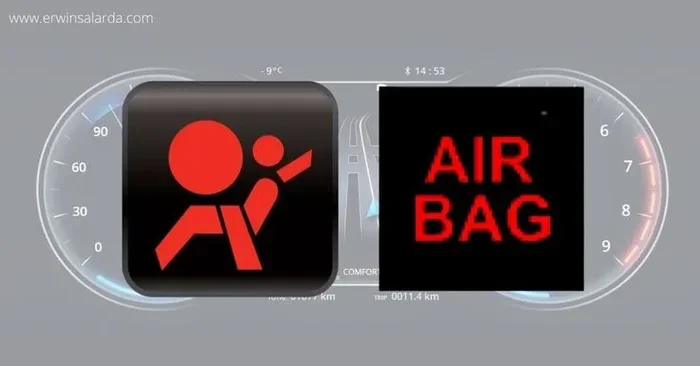
The airbag warning light looks different depending on your car. Most vehicles show a seated figure with a circle in front. Some cars display the letters “SRS” or “AIRBAG.” No matter the symbol, the meaning is the same. Something in the airbag system is not working as it should. The light is part of your car’s dashboard warning system. When you start your car, all warning lights briefly turn on for a quick check. The airbag warning light should turn off within a few seconds. If it stays on, your car is telling you there is a fault that needs attention.
Common Reasons the Airbag Light Comes On
Several things can trigger the airbag warning light. Understanding these causes helps you figure out the next steps. Here are the most common reasons:
- Faulty seat belt sensor: The sensor that detects if your seat belt is buckled can wear out over time. A loose or worn sensor sends a signal to the airbag control unit, triggering the light.
- Bad crash sensor: Crash sensors detect sudden stops or impacts. If one fails, the airbag system may not deploy properly. The warning light comes on to alert you.
- Low battery voltage: A weak car battery can confuse the airbag module. When voltage drops, the system may throw an error code and light up the dash.
- Damaged airbag clock spring: The clock spring connects the steering wheel airbag to the car’s wiring. If it wears out or breaks, the airbag warning light turns on.
- Previous crash or airbag deployment: If your car has been in an accident and the airbags deployed, the system may keep the light on until the airbag module is reset or replaced.
- Loose or corroded connectors: Wiring under the seat or behind the dashboard can come loose. Corrosion on connectors can also disrupt the airbag system.
- Aftermarket seat installation: Installing aftermarket seats without proper wiring can interfere with the seat belt sensor and trigger the light.
Each of these issues points to a real problem. The airbag warning light is not just a nuisance. It is a safety alert. Ignoring it or trying to disable the airbag warning light without fixing the root cause can be very risky.
Can You Actually Disable the Airbag Warning Light?
The short answer is yes, you can turn off the airbag warning light in some cases. But that does not mean you should. There are several ways people try to disable the airbag warning light, but each comes with serious risks. Let us look at the methods people use and why they are dangerous.
Method 1: Disconnecting the Battery
Some car owners disconnect the car battery to reset the airbag warning light. This works temporarily. When you reconnect the battery, the light may stay off for a while. However, the underlying problem still exists. The airbag control unit stores error codes in its memory. Once the system runs its self-check again, the light will come back on. Worse, disconnecting the battery can reset other important settings in your car, including your radio presets and power window calibration.
Method 2: Using an OBD Scanner to Clear Codes
An OBD scanner reads error codes from your car’s computer. You can use it to clear the codes that triggered the airbag warning light. This might turn off the light for a short time. But again, if the real problem is not fixed, the codes will return. The airbag system is designed to be honest with you. Clearing codes without fixing the issue is like hiding a warning sign on a busy road.
Method 3: Bypassing the Sensor
Some people try to bypass the seat belt sensor or crash sensor to turn off the light. This is extremely dangerous. Bypassing a sensor means the airbag system will not work correctly. In a crash, your airbags may not deploy, or they could deploy at the wrong time. This puts you and your passengers at serious risk of injury or death.
The bottom line is clear. You can technically disable the airbag warning light, but doing so without fixing the real problem is a terrible idea. The light is there to protect you. It is a warning, not an inconvenience.
Why You Should Never Ignore the Airbag Warning Light
Your car’s airbag system is one of the most important safety features you have. It works together with seat belts and crash sensors to protect you during a collision. When the airbag warning light is on, it means the system has detected a fault. This could mean your airbags will not work when you need them most.
The Real Danger of a Disabled Airbag System
According to crash test data, airbags reduce the risk of fatal injury by up to 30 percent in frontal crashes. When the airbag system is not working properly, you lose this protection. In a serious accident, the difference between a minor injury and a life-threatening one can come down to whether your airbags deploy. Ignoring the airbag warning light means you are driving without this critical layer of protection.
Here is another important point. Many states have laws requiring all safety systems to be in working order. Driving with a known fault in your airbag system could lead to a failed inspection or even a fine. More importantly, if you are in an accident and it is found that you knew the airbag system was faulty, your insurance company may deny your claim.
What Happens During a Crash When the System Is Faulty?
When your car is involved in a collision, the crash sensors send signals to the airbag control unit. The control unit decides whether to deploy the airbags based on the severity and type of impact. If there is a fault in the system, the control unit may not send the deployment signal at all. Or it might delay the deployment by a fraction of a second. Even a small delay can mean the difference between a safe outcome and a tragic one.
The seat belt pretensioner is another part of the safety system that relies on proper system function. If the airbag warning light is on, the pretensioner may also fail to activate. This means your seat belt will not tighten during a crash, leaving you with more movement and more risk of injury.
How to Properly Fix the Airbag Warning Light
Now that we have established you should not just disable the airbag warning light, let us talk about what you should do instead. The right approach is to find and fix the root cause. Here is a step-by-step guide to handling the airbag warning light the proper way.
Step 1: Use an OBD Scanner to Read the Error Codes
The first thing you should do is connect an OBD scanner to your car’s diagnostic port. The scanner will read the error codes stored in the airbag control unit. These codes tell you exactly what part of the system has a problem. You can buy a basic OBD scanner for under $50, or you can visit an auto parts store where they will read the codes for free.
Common error codes related to the airbag system include:
- B0001: Driver airbag circuit malfunction
- B0011: Driver airbag circuit resistance low
- B0016: Left front impact sensor malfunction
- B0050: Driver seat belt pretensioner circuit
- B0060: Passenger seat belt switch circuit
Write down the codes and look them up in your car’s service manual or online. This will give you a clear idea of what needs to be fixed.
Step 2: Inspect the Seat Belt System
The seat belt sensor is one of the most common causes of the airbag warning light. Start by checking all seat belts. Make sure they click in properly and retract smoothly. Look for frayed webbing or damaged buckles. A worn seat belt buckle can send a false signal to the airbag control unit, triggering the light. Sometimes simply cleaning the buckle with electrical contact cleaner can fix the problem.
Also check under the seats. Wires and connectors can shift over time, especially if you carry heavy items in the footwell. A loose connector under the driver’s seat is a very common cause of the airbag warning light.
Step 3: Check the Crash Sensors
Crash sensors are usually located in the front of the car, behind the bumper or near the radiator support. Over time, these sensors can corrode or become damaged, especially in areas with road salt or heavy rain. If a crash sensor is faulty, it needs to be replaced. This is not a DIY job for most people. The sensors are part of the airbag system and require careful handling.
Step 4: Inspect the Airbag Clock Spring
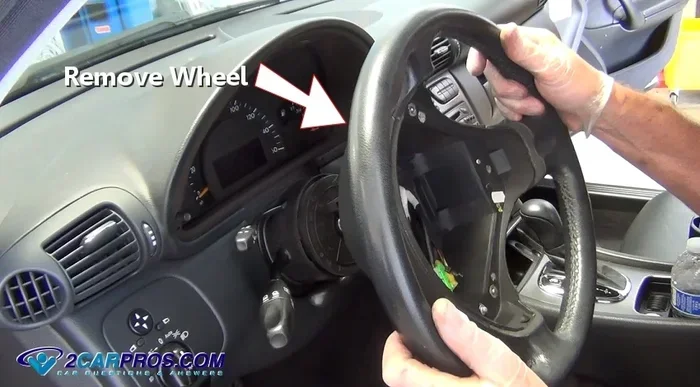
The clock spring is a spiral ribbon cable that connects the steering wheel airbag to the car’s electrical system. It allows the airbag to maintain its connection even when you turn the steering wheel. If the clock spring wears out or breaks, the airbag warning light will come on. You may also notice that your horn stops working. Replacing the clock spring requires removing the steering wheel and is best left to a professional.
Step 5: Visit a Professional Mechanic
For most airbag-related issues, the safest and most effective solution is to visit a qualified mechanic. Airbag systems are sensitive and complex. Working on them without proper training and tools can lead to accidental deployment or further damage. A professional mechanic has the right diagnostic tools and repair manuals to fix the problem correctly. They can also reset the airbag module after the repair is complete.
Quick Tips for Preventing Airbag Warning Light Issues
Prevention is always better than cure. Here are some simple tips to keep your airbag system in good shape and prevent the warning light from coming on:
- Keep your battery healthy: A weak battery can cause voltage drops that confuse the airbag control unit. Have your battery tested regularly and replace it when needed.
- Avoid putting heavy items under the seats: Heavy objects can shift connectors and damage wiring under the seats. Keep the footwell clear.
- Clean seat belt buckles: Dirt and debris can interfere with the seat belt sensor. Use a cotton swab and electrical contact cleaner to keep them clean.
- Get regular car inspections: A routine check-up can catch small problems before they turn into big ones. Ask your mechanic to check the airbag system during every service visit.
- Do not modify your seat belts: Aftermarket seat belt covers or modifications can interfere with the sensor system. Always use factory-approved parts.
- Keep connectors dry and clean: Moisture can cause corrosion on electrical connectors. If you notice any signs of water damage under the seats, have it checked immediately.
Common Mistakes People Make with the Airbag Warning Light
Many car owners make mistakes when dealing with the airbag warning light. Here are the most common ones and how to avoid them:
- Mistake 1: Ignoring the light: Some people see the light and assume it will go away on its own. It will not. The problem will get worse over time and could become dangerous.
- Mistake 2: Using a generic reset tool: Not all OBD scanners can properly reset the airbag system. Using the wrong tool can damage the airbag control unit and make the problem worse.
- Mistake 3: Trying to fix it yourself without training: Airbag systems use explosive charges. Mishandling them can cause accidental deployment, which can seriously injure you.
- Mistake 4: Buying used airbag parts: Used or salvaged airbag components may not work properly. Always use new or certified replacement parts for your safety system.
- Mistake 5: Driving with the light on for too long: Every mile you drive with a faulty airbag system is a mile without full protection. Get it fixed as soon as possible.
Expert Insights on Airbag Safety
We spoke with certified automotive technicians about the best way to handle the airbag warning light. Their advice is consistent and clear. Never try to disable the airbag warning light without fixing the underlying issue. According to the technicians, the most common cause of a persistent airbag warning light is a faulty seat belt sensor or a loose connector under the seat. In most cases, these are simple and affordable fixes that a mechanic can handle in under an hour.
One technician shared an important insight. He said, “I have seen people drive for years with the airbag warning light on. When they finally get into an accident, the airbags do not deploy, and they suffer injuries that could have been prevented.” This is a powerful reminder of why the airbag warning light exists and why you should always take it seriously.
Another expert pointed out that modern cars have very sensitive airbag systems. Even a small change, like installing a new steering wheel cover or an aftermarket seat, can trigger the light. Always make sure any modifications you make to your car are compatible with the safety system.
Key Takeaways
- The airbag warning light is a critical safety alert: It tells you something is wrong with your car’s airbag system and should never be ignored.
- You can technically turn off the light: But doing so without fixing the real problem is dangerous and could cost lives in a crash.
- Common causes include faulty seat belt sensors, bad crash sensors, and loose connectors: A proper diagnosis with an OBD scanner is the first step.
- Professional repair is the safest option: Airbag systems are complex and sensitive, and should be handled by trained mechanics.
- Prevention keeps your safety system working: Regular maintenance, clean connectors, and a healthy battery can prevent most airbag warning light issues.
- Never bypass or ignore safety features: Your airbag system works with your seat belts to protect you. Disabling it removes a layer of protection you cannot afford to lose.
Frequently Asked Questions
Can I drive my car with the airbag warning light on?
You can technically drive, but it is not safe. The airbag system may not deploy in a crash if there is a fault. You are losing a critical layer of protection every time you get behind the wheel with the light on. Get the problem diagnosed and fixed as soon as possible.
How much does it cost to fix the airbag warning light?
The cost depends on the cause. A loose connector might cost nothing to fix. A faulty seat belt sensor could cost between $100 and $300. Replacing an airbag control unit or crash sensor can range from $300 to $1,000 or more. Always get a professional diagnosis first to know the exact cost.
Will disconnecting the battery reset the airbag light permanently?
No, it will not. Disconnecting the battery may turn off the light temporarily, but the error code stored in the airbag control unit will return once the system completes its self-check. The underlying problem still exists and needs to be fixed.
Can an OBD scanner permanently fix the airbag warning light?
An OBD scanner can clear the codes and turn off the light for a short time. But if the real fault is not repaired, the codes will come back. The scanner is a diagnostic tool, not a permanent fix. Always address the root cause of the airbag warning light before clearing any codes.
Is it legal to disable the airbag system in my car?
In most places, disabling the airbag system is not legal. Many states and countries require all factory safety equipment to remain functional. Driving with a known disabled airbag system could result in fines, failed inspections, or issues with insurance claims after an accident.
What should I do if the airbag light comes on after an accident?
If the light comes on after a collision, do not try to drive the car far. The airbag system may have been damaged and may not deploy again. Have the car towed to a repair shop. A professional can inspect the airbag module, crash sensors, and wiring to determine what needs to be replaced or reset.
Conclusion
The airbag warning light is one of the most important warnings your car can give you. It exists to keep you and your passengers safe. While you can technically disable the airbag warning light by clearing codes or disconnecting the battery, doing so without fixing the real problem is dangerous and irresponsible. The airbag system is a complex network of sensors, modules, and connectors that work together to protect you in a crash. When something goes wrong, the warning light tells you to pay attention.
Your best course of action is always to diagnose the problem properly. Use an OBD scanner to read the error codes. Inspect your seat belts and connectors. And when in doubt, visit a qualified mechanic. Taking care of the airbag warning light the right way means your safety system will work when you need it most. Do not take shortcuts with your safety. Fix the problem, keep your car well-maintained, and drive with confidence knowing your airbag system is ready to protect you.
Also, keep your car clean and free of clutter that could interfere with safety systems. For example, removing unwanted items from your car glass can improve visibility and reduce distractions, which helps you stay safe on the road. Additionally, if you are upgrading your car’s lighting, consider a quality 200 watt LED light for car to improve nighttime visibility and overall driving safety.
Frequently Asked Questions
What is Can You Disable the Airbag Warning Light?
Can You Disable the Airbag Warning Light is an important topic with many practical applications.