Can You Add Remote Start to a Car With Push Button Start
Yes, you can add a remote start to a car with push button start. Many modern vehicles with push button ignition are compatible with aftermarket remote start systems. However, the process requires specific modules and professional installation to work safely with your car’s smart key system and immobilizer.
If you drive a car with a push button start, you have probably wondered whether you can add a remote start system to your vehicle. The idea of warming up your car on a freezing morning or cooling it down on a hot summer day is incredibly appealing. The good news is that in most cases, the answer is yes. But the process is not as simple as it is with traditional key ignition cars. There are specific modules, wiring considerations, and security features you need to understand before diving in.
This guide breaks down everything you need to know about adding a remote start to a car with push button ignition. We will cover compatibility, installation steps, costs, and common mistakes to avoid. Whether you are a DIY enthusiast or planning to hire a professional, this article has you covered.
Key Takeaways
- Push button start cars can support remote start: Most vehicles with keyless ignition accept aftermarket remote start modules.
- You need a compatible remote start module: Brands like Compustar and Viper offer systems designed for push button start vehicles.
- Professional installation is strongly recommended: Wiring into the car’s computer and bypassing the immobilizer requires expertise.
- Cost ranges from $200 to $500: Prices vary based on the brand, range, and features of the remote start system.
- Warranty and insurance implications exist: Always check with your dealer before installing a remote start system.
- Smart key and transponder systems add complexity: These security features must be properly integrated for the remote start to function.
📑 Table of Contents
- What Is a Push Button Start System?
- Can You Add Remote Start to a Push Button Start Car?
- How Does a Remote Start System Work?
- Steps to Install Remote Start on a Push Button Start Car
- Things to Consider Before Installing
- Benefits of Adding Remote Start to Your Push Button Start Car
- Common Mistakes to Avoid
- Expert Insights on Remote Start Installation
- How Much Does It Cost to Add Remote Start?
- Final Thoughts
What Is a Push Button Start System?
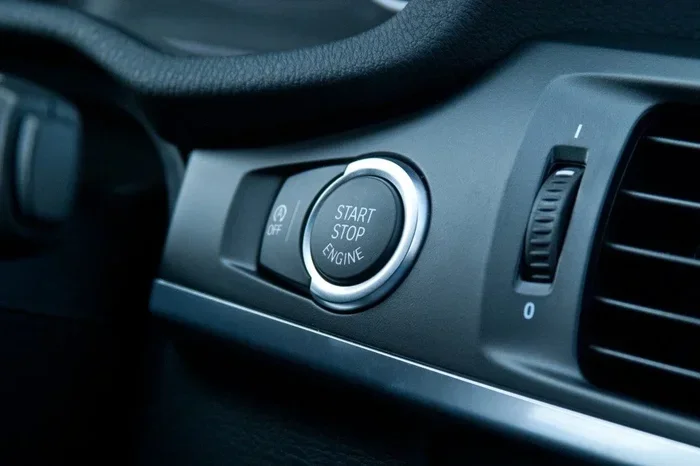
A push button start system, also known as keyless ignition, allows you to start your car without turning a traditional key. You simply press a button on the dashboard or center console after pressing the brake pedal. The car uses a smart key or key fob to communicate with the vehicle’s computer. When the system detects the correct key is nearby, it allows the engine to start.
This technology has become standard in most modern cars. Brands like Toyota, Honda, Ford, BMW, and Chevrolet all use variations of push button ignition. The system offers convenience and a sleek, modern feel. But it also introduces additional security layers that can make adding a remote start more complex.
How Does Push Button Ignition Work?
When you press the start button, the car sends a signal to the key fob. The fob responds with a unique encrypted code. If the code matches, the car’s immobilizer system disengages and the engine can start. This whole process happens in seconds. It is designed to prevent theft and unauthorized access. The transponder key inside the fob plays a critical role in this authentication process.
Understanding this process is important because any remote start system you add must replicate or bypass this communication safely. This is where the complexity comes in.
Can You Add Remote Start to a Push Button Start Car?
The short answer is yes. Most push button start vehicles can be fitted with an aftermarket remote start system. However, not all systems are created equal. You need a remote start module that is specifically designed to work with keyless start vehicles. Generic remote start kits that work with traditional key ignition will not function properly on push button start cars.
The reason is simple. A push button start car relies on encrypted communication between the key fob and the car’s computer. A basic remote start system cannot replicate this encrypted signal. You need a more advanced module that can interface with the car’s smart key system and handle the security handshake properly.
Types of Remote Start Systems for Push Button Start Cars
There are two main types of remote start systems you can consider:
- One-way remote start systems: These send a signal from the remote to the car. They are simpler and more affordable. However, they do not confirm whether the command was received.
- Two-way remote start systems: These send a signal and receive confirmation back. You know for sure the car has started. They are more reliable but cost more.
For push button start cars, a two-way system with a long-range transmitter is usually the best choice. Brands like Compustar, Viper, and DroneMobile offer systems that are compatible with keyless ignition vehicles.
How Does a Remote Start System Work?
A remote engine start system communicates with your car’s computer to start the engine remotely. When you press the button on your remote, the system sends a signal to the car. The remote start module then triggers the ignition sequence just as if you had pressed the start button inside the car.
But here is the key difference. In a push button start car, the system must also trick the car into thinking the smart key is present. This is done through a process called immobilizer bypass or by using a proximity emulator. The emulator sits near the steering column and mimics the presence of the key fob. This allows the car to start without the actual fob inside the vehicle.
Key Components of a Remote Start System
Here are the main parts you will find in a remote start setup:
- Remote control: The handheld device you carry to send start commands.
- Control module: The brain of the system. It receives signals and communicates with the car’s computer.
- Proximity emulator: Mimics the smart key signal for push button start vehicles.
- Wiring harness: Connects the remote start module to the car’s electrical system.
- Antenna: Boosts the signal range between the remote and the car.
All of these components work together to give you the ability to start your car from a distance. The quality of each component matters. Cheap or incompatible parts can lead to system failures or even damage to your car’s electronics.
Steps to Install Remote Start on a Push Button Start Car
Installing a remote start system on a push button start car is a multi-step process. It involves wiring, programming, and testing. While some experienced car enthusiasts attempt a DIY installation, professional installation is highly recommended for push button start vehicles.
Step 1: Choose the Right Remote Start System
Start by researching remote start systems that are compatible with your car’s make and model. Check the manufacturer’s compatibility list. Brands like Compustar and Viper have extensive databases of supported vehicles. Make sure the system you choose supports push button ignition and smart key vehicles.
Step 2: Gather Your Tools and Materials
You will need basic automotive tools including wire strippers, crimping tools, electrical tape, and a multimeter. The remote start kit usually comes with a wiring diagram specific to your vehicle. Follow this diagram carefully during the installation process.
Step 3: Install the Control Module
The control module needs to be mounted in a secure, hidden location under the dashboard. It should be protected from moisture and heat. Connect the module to the car’s wiring harness using the provided wires. Each wire corresponds to a specific function such as ignition, accessory power, or ground.
Step 4: Install the Proximity Emulator
This is the most critical step for push button start cars. The proximity emulator must be installed near the steering column where it can detect the smart key signal. It intercepts the signal from the key fob and relays it to the car’s computer when the remote start command is sent.
Step 5: Connect the Remote and Test
Once all the wiring is complete, pair the remote control with the control module. Follow the programming instructions in the kit manual. Test the system multiple times to ensure it starts the engine reliably and shuts it off when you lock the doors.
Pro Tip: If you are not confident about any step, visit a professional installer. A 24 hrs car mechanic or a car electronics shop can handle the installation safely. Incorrect wiring can damage your car’s electrical system or void your warranty.
Things to Consider Before Installing
Before you invest in a remote start system, there are several important factors to keep in mind.
Vehicle Compatibility
Not all push button start cars are equally compatible with remote start systems. Newer vehicles with advanced security features may require more expensive or specialized modules. Check your car’s year, make, and model against the remote start manufacturer’s compatibility list. Some vehicles from 2015 and newer have enhanced security protocols that make installation more challenging.
Warranty Implications
Adding a remote start system to your car may affect your manufacturer’s warranty. If the installation causes any electrical issues, the dealer could deny warranty claims related to the affected systems. Always check with your dealer or read your warranty terms before proceeding with the installation.
Insurance Considerations
Some insurance companies consider aftermarket electronics installations when calculating premiums. A remote start system may qualify for a small discount in some cases, but it is always best to inform your insurance provider about any modifications to your vehicle.
Signal Range and Connectivity
The range of your remote start system matters. Basic systems offer around 500 to 1,000 feet of range. Premium two-way systems can reach up to 3,000 feet or more. If you park in a large lot or live in a rural area, a longer range system is a better choice. Some advanced systems also offer smartphone integration through apps like DroneMobile, allowing you to start your car from anywhere with cell service.
Climate and Safety
Remote start systems are especially useful in cold climates where you want to warm up the car before driving. In hot climates, they help cool down the interior. However, always ensure your car is parked in a well-ventilated area before using remote start. Running a car in an enclosed space like a garage can lead to dangerous carbon monoxide buildup.
Benefits of Adding Remote Start to Your Push Button Start Car
Adding a remote engine start to your push button start car comes with several practical benefits:
- Comfort: Walk into a warm car in winter or a cool car in summer. This is one of the biggest advantages of a remote start system.
- Convenience: You can start your car from inside your home or office without walking out to the parking lot.
- Safety: Warming up your defroster before you drive improves visibility and reduces accident risk in icy conditions.
- Engine Health: Allowing your engine to warm up before driving in cold weather reduces wear on internal components.
- Resale Value: A factory or professionally installed remote start system can increase your car’s resale value.
These benefits make a strong case for investing in a remote start system. The added vehicle convenience and drive comfort are noticeable from day one.
Common Mistakes to Avoid
When adding a remote start to a push button start car, there are several common mistakes you should avoid:
- Buying an incompatible system: Not all remote start kits work with push button start cars. Always verify compatibility before purchasing.
- Skipping the proximity emulator: Without this component, the car will not recognize the remote start command because it will not detect the smart key.
- DIY installation without experience: Wiring mistakes can cause electrical shorts, blown fuses, or damage to the car’s computer. If you are not experienced with car electronics, hire a professional.
- Ignoring the owner’s manual: Your car’s manual may have specific guidelines or restrictions about aftermarket electronic installations.
- Choosing the cheapest option: A very cheap remote start system may lack the features and security needed for push button start vehicles. Invest in a reputable brand.
Avoiding these mistakes will save you time, money, and frustration in the long run. Take your time to research and plan the installation carefully.
Expert Insights on Remote Start Installation
Industry professionals recommend choosing a remote start system from a trusted brand. Compustar, Viper, and DroneMobile are widely regarded as reliable options for push button start vehicles. These brands offer strong customer support, regular firmware updates, and extensive compatibility lists.
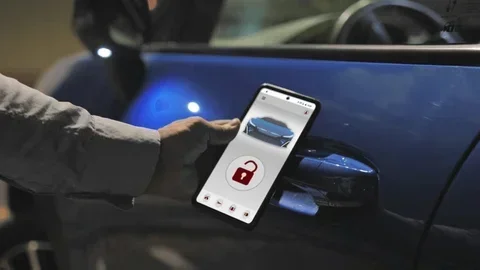
Experts also suggest opting for a system with smartphone integration. Modern remote start systems can connect to your phone through Bluetooth or cellular networks. This gives you the ability to monitor your car’s status, lock and unlock doors, and start the engine from virtually anywhere. The car automation features in these advanced systems go far beyond simple remote starting.
One thing professionals emphasize is the importance of proper grounding. A poor ground connection can cause the remote start system to malfunction intermittently. Make sure all ground wires are connected to clean, bare metal on the car’s chassis.
If your car already has a 12V car cigarette lighter socket, you can use it as a power source for the remote start control module in some setups. However, many installers prefer to tap into the ignition wire directly for a more reliable power supply. The choice depends on your specific vehicle and the installer’s recommendation.
How Much Does It Cost to Add Remote Start?
The cost of adding a remote start system to a push button start car varies based on the brand, features, and installation method. Here is a general breakdown:
- Basic one-way remote start kit: $150 to $250 (DIY installation)
- Two-way remote start kit with long range: $250 to $400 (DIY or professional)
- Premium system with smartphone integration: $400 to $700 (professional installation recommended)
- Professional installation labor: $100 to $300 depending on complexity
The total cost typically ranges from $200 to $500 for most push button start vehicles. While it is a noticeable investment, the convenience and comfort it provides make it well worth it for most car owners.
Keep in mind that some luxury car brands may charge more for compatible modules. Additionally, if your car has a smart key system with advanced encryption, the compatible remote start module may be on the higher end of the price range.
Final Thoughts
Adding a remote start to a car with push button start is absolutely possible. It requires the right equipment, some technical knowledge, and in most cases, professional installation. The process involves selecting a compatible remote start module, installing a proximity emulator, wiring the system into your car’s electrical network, and programming everything to work seamlessly with your smart key.
The benefits are clear. You gain comfort, convenience, and a safer driving experience. Just make sure you choose a reputable system, follow proper installation procedures, and consider the warranty and insurance implications before you begin.
Whether you live in a freezing climate or simply want the luxury of starting your car from a distance, a remote start system for your push button start car is a worthwhile upgrade. Take your time, do your research, and enjoy the added vehicle convenience that comes with modern car automation technology.
Remember, if you ever need help with related car electronics or accessories, resources like the 12V to 230V car inverter guide or information on 12V car cigarette lighter socket can provide useful background on your car’s electrical system. For those interested in broader car upgrades, learning about a 6 channel car amplifier can also complement your car’s audio and electronics setup.
Frequently Asked Questions
Can any push button start car be fitted with a remote start system?
Most push button start cars can be fitted with a remote start system, but compatibility depends on your car’s make, model, and year. Always check the remote start manufacturer’s compatibility list before purchasing. Some newer vehicles with advanced security features may require specialized modules.
Is it safe to install a remote start system myself?
If you have experience with car electronics and wiring, a DIY installation is possible. However, for push button start cars, professional installation is strongly recommended. The proximity emulator and immobilizer integration require precise wiring to avoid damaging your car’s computer or electrical system.
Will a remote start system void my car’s warranty?
It depends on your manufacturer’s warranty terms. In some cases, aftermarket electronics installations can void warranty coverage for related components. Always check with your dealer before installing a remote start system to understand the potential impact on your warranty.
How far can I start my car with a remote start system?
The range depends on the system you choose. Basic one-way systems offer around 500 to 1,000 feet. Two-way systems with long-range transmitters can reach up to 3,000 feet. Smartphone-connected systems can be operated from anywhere with cellular service.
Can I use my existing key fob for remote start?
Most aftermarket remote start systems come with their own dedicated remote control. Your existing key fob is typically not used for remote starting. However, some factory-installed remote start systems may integrate with your original key fob.
What is the difference between one-way and two-way remote start systems?
A one-way system sends a start command to your car but does not confirm receipt. A two-way system sends the command and receives confirmation back, so you know the car has started. Two-way systems are more reliable and are recommended for push button start vehicles.
=== CONCLUSION ===
Adding a remote start to a car with push button start is a practical and rewarding upgrade. The process requires careful planning, the right equipment, and often professional installation. But the comfort and convenience it delivers make it well worth the effort and investment. With the right aftermarket remote start system, your push button start car can become even more convenient and enjoyable to drive every single day.