How Do You Open the Trunk Release Button on Any Car
Knowing how to open the trunk release button saves you time and frustration whether you drive a sedan, SUV, or truck. Every car has a trunk release button somewhere inside the vehicle, and most models also include a remote or hidden release. This guide walks you through the exact steps, locations, and common problems so you can open your trunk with confidence every single time.
Have you ever stood in front of your car, keys in hand, wondering why the trunk just won’t open? You press a button, nothing happens. You try the handle, still nothing. It happens to the best of us. The trunk release button is one of those small things we rarely think about until it stops working. And when it does, it can turn a quick errand into a real headache.
This guide will show you exactly how to open the trunk release button on any car. We will cover where the button is, what type of system your car uses, and what to do when things go wrong. Whether you drive a compact sedan or a full-size SUV, you will find practical steps that actually work. Knowing your trunk release system is one of the simplest things you can do as a car owner.
We also want to remind you that keeping your car’s interior clean helps everything work better. Sometimes dust and debris build up around buttons and handles, causing them to stick or fail. If you want tips on keeping your car glass and interior spotless, check out 30 Unwanted Things You Can Remove From Car Glass for some great ideas.
Key Takeaways
- Trunk release buttons vary by car: most vehicles have them on the driver’s side, the center console, or near the steering column.
- Remote trunk release is standard on most modern cars and works through your key fob or dashboard controls.
- A hidden trunk release lever is required by law and is usually located near the trunk lid or seat back.
- Common problems include dead batteries, blown fuses, and faulty solenoids that prevent the trunk from opening.
- Regular maintenance keeps your trunk release working smoothly and avoids unexpected breakdowns.
- Emergency trunk releases are life-saving features that every driver and passenger should know about.
📑 Table of Contents
- Where Is the Trunk Release Button Located?
- Types of Trunk Release Systems
- Step-by-Step: How to Open the Trunk Release Button
- Common Trunk Release Button Problems
- How to Fix a Trunk Release Button That Won’t Work
- Expert Tips for Maintaining Your Trunk Release System
- Safety Tips for Using the Trunk Release
- Frequently Asked Questions
- Conclusion
Where Is the Trunk Release Button Located?
The location of the trunk release button depends on your car’s make, model, and year. Automakers place the button in different spots, but there are a few common areas you should check first.
Driver’s Side Dashboard
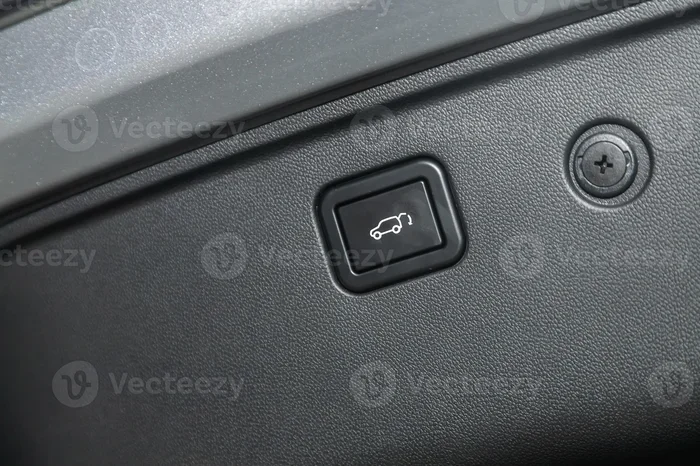
On most cars, the trunk release button sits on the driver’s side dashboard. It is usually near the door panel, below the steering column, or on the left side of the instrument cluster. Look for a button with a trunk icon. The icon often looks like a car with an open trunk or a box with a lid flipped up.
Center Console
Many newer vehicles place the trunk release switch in the center console. This is the area between the front seats. You may find it near the gear shift, on the armrest, or under a small flip-up cover. SUVs and crossovers especially love this placement because it is easy for the driver to reach.
Driver’s Seat Side Panel
Some cars hide the button on the side panel of the driver’s seat. You may need to feel along the door-side edge of the seat cushion. The button is often recessed so it does not get pressed accidentally while driving.
Key Fob Controls
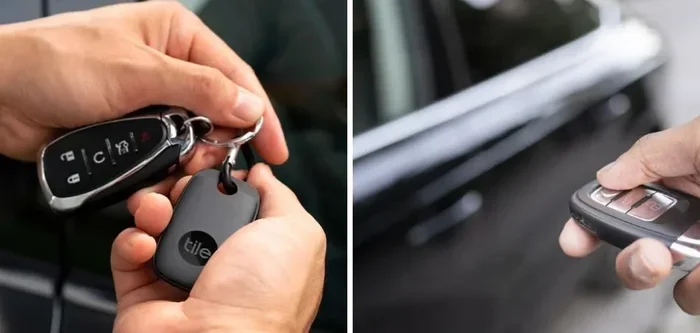
Most modern cars let you open the trunk with the key fob. Look for a button on the remote that has the same trunk icon. On many vehicles, you just press the button while standing within a few feet of the car. Some fobs require you to hold the button for two to three seconds to activate the trunk release.
Trunk Lid Itself
Do not forget the most obvious spot. Many cars have a trunk release button right on the trunk lid. This is usually a flush-mounted button near the license plate or on the trunk handle. You will need the trunk open or partially open to reach it in some cases.
Types of Trunk Release Systems
Not all trunk release systems work the same way. Understanding the type your car uses helps you troubleshoot faster. Here are the most common systems found on vehicles today.
Electric Trunk Release
Electric trunk release is the most common system in cars built after 2010. It uses a small motor and solenoid to unlock and pop open the trunk lid. You press a button, send a signal from the key fob, or use a dashboard control. The system draws power from the car’s battery, which means a dead battery can stop it from working.
Mechanical Trunk Release
Older cars and some budget models still use a mechanical trunk release. This system relies on a cable connected from the interior button to the trunk latch. When you press the button, the cable pulls the latch open. Mechanical systems do not need electricity, but they can stretch, fray, or get stuck over time.
Hands-Free Trunk Release
Many luxury and mid-range vehicles now offer hands-free trunk release. This system uses a sensor under the rear bumper. You wave your foot under the bumper, and the trunk opens automatically. It is incredibly convenient, but the sensor can get dirty or misaligned, which causes problems.
Remote Start Trunk Release
Some cars let you open the trunk through the remote start system or a connected app on your phone. This is common in vehicles with smart features. You tap a button on your phone, and the trunk pops open. It is a great feature, but it depends on a strong Bluetooth or cellular connection.
Step-by-Step: How to Open the Trunk Release Button
Now that you know where the button is and what type of system you have, let us walk through the process step by step. These steps work for most passenger vehicles.
Step 1: Get Inside the Car
Sit in the driver’s seat and make sure the car is unlocked. On most vehicles, the trunk release button only works when the doors are unlocked. If your car has a central locking system, press the unlock button on the key fob or the driver’s door panel first.
Step 2: Find the Trunk Release Button
Look for the trunk icon on the dashboard, center console, or driver’s seat side panel. It is usually a raised button with a clear or colored cap. On some cars, you may need to feel for it if it is not immediately visible.
Step 3: Press and Hold
Press the button firmly. On many cars, you need to hold it for one to two seconds. You may hear a click or a soft motor sound. The trunk latch should release, and the trunk lid will pop up slightly.
Step 4: Lift the Trunk Lid
Once the latch releases, lift the trunk lid with your hands. Most trunks open with a smooth hydraulic lift or gas strut. If the lid feels heavy, the struts may need replacement, but that is a different issue.
Step 5: Use the Key Fob as a Backup
If the interior button does not work, try the key fob. Stand close to the car and press the trunk button on the fob. This bypasses the interior switch and sends a direct signal to the trunk latch.
Step 6: Try the Emergency Release
If nothing else works, look for the emergency trunk release. This is a small lever or handle inside the trunk area. On sedans, you may need to fold down the rear seats to reach it. On SUVs and hatchbacks, it is often behind a trim panel on the trunk lid itself. Pull the lever, and the trunk will release.
Keeping the areas around your trunk clean can prevent button and sensor issues. Check out 30 Unwanted Things You Can Remove From Car Glass for helpful cleaning advice that also applies to your car’s interior and trunk area.
Common Trunk Release Button Problems
Trunk release buttons fail for a few common reasons. Knowing these problems helps you fix them faster and avoid costly trips to the mechanic.
Dead Car Battery
The most common reason for a trunk release button not working is a dead or weak car battery. The electric trunk system needs power to operate. If your car will not start and the dashboard lights are dim, the battery is likely the culprit. Try jump-starting the car first, then attempt to open the trunk.
Blown Fuse
Every car has a fuse box that protects the electrical systems. The trunk release circuit has its own fuse. If that fuse blows, the button will do nothing. Check your owner’s manual to find the trunk release fuse. Replace it with a fuse of the same amperage.
Faulty Solenoid
The solenoid is the small electromagnetic device that actually does the work of releasing the trunk latch. Over time, solenoids wear out or get stuck. You may hear a faint clicking sound when you press the button. That clicking usually means the solenoid is trying to engage but cannot. Replacing a solenoid is often inexpensive and straightforward.
Broken Release Cable
On cars with a mechanical trunk release, the cable can stretch, fray, or snap. If you press the button and hear nothing, the cable may be broken. This is more common on older vehicles or cars with high mileage. Replacing the cable is a simple repair that most mechanics can do quickly.
Dirty or Damaged Sensor
Hands-free trunk systems rely on sensors. Dirt, mud, ice, or snow can block the sensor and prevent the trunk from opening. Clean the sensor area with a soft cloth. If the sensor is damaged, you may need a professional to replace it.
Faulty Key Fob Battery
A weak key fob battery is an easy fix that many people overlook. The trunk release signal from the fob may be too weak to reach the car. Replace the battery in your key fob with a fresh one, usually a CR2032 coin cell battery, and try again.
How to Fix a Trunk Release Button That Won’t Work
When your trunk release button fails, you have several options for fixing it. Start with the simplest solutions and work your way up to more involved repairs.
Quick Fixes You Can Do at Home
- Check the battery: Make sure the car battery has enough charge. A voltmeter can tell you if the battery is below 12 volts.
- Replace the key fob battery: This takes about two minutes and solves the problem more often than you would think.
- Check the fuses: Locate the trunk release fuse in your owner’s manual and inspect it for a broken filament.
- Clean the button: Dirt and grime can build up around the button and prevent it from making proper contact. Use a cotton swab with a little rubbing alcohol.
- Try the manual release: Every car has a backup method. Find the emergency release lever and use it to open the trunk manually.
When to See a Mechanic
If the quick fixes do not work, it is time to visit a mechanic. Problems with the solenoid, wiring, or control module usually require professional diagnosis. A mechanic can use a diagnostic scanner to read error codes from the car’s computer. This tells them exactly what part has failed and needs replacement.
Cost of Repairs
The cost to fix a trunk release button depends on the problem. Replacing a key fob battery costs just a few dollars. A new fuse costs under five dollars. Solenoid replacement typically runs between 50 and 150 dollars, including parts and labor. Wiring or control module repairs can be more expensive, sometimes 200 to 400 dollars depending on the car.
One thing you should always keep in mind is the overall condition of your car’s interior. Sometimes issues in one area of the car connect to problems in another. For instance, moisture from a leaking trunk seal can affect electrical components throughout the car. Keeping your car’s glass and seals in good shape prevents moisture damage. You can learn more by reading 30 Unwanted Things You Can Remove From Car Glass, which covers maintenance tips that protect your entire vehicle.
Expert Tips for Maintaining Your Trunk Release System
Prevention is always better than repair. A few simple habits will keep your trunk release button working reliably for years.
- Keep the button clean: Wipe the trunk release button and surrounding area with a damp cloth every few weeks. This removes dust and grime that can interfere with the switch.
- Check the battery regularly: Test your car battery at least twice a year, especially before winter. A weak battery affects every electrical system in the car, including the trunk release.
- Lubricate the trunk latch: Apply a silicone-based lubricant to the trunk latch and hinge mechanisms every six months. This keeps everything moving smoothly and prevents sticking.
- Protect the sensor: If your car has a hands-free trunk system, keep the sensor area on the rear bumper clean and free of debris.
- Replace the key fob battery annually: Do not wait until the trunk stop working. Replace the fob battery once a year as a preventive measure.
- Read your owner’s manual: Every car is different. Your owner’s manual contains specific instructions for your trunk release system, including the location of fuses and emergency releases.
These small habits take only minutes but save you from the frustration of a trunk that will not open. Maintaining your trunk release button is one of the easiest parts of car ownership, and it pays off every time you need to load groceries, luggage, or sports equipment.
Safety Tips for Using the Trunk Release
Trunk safety is something every driver should think about, especially families with children. The trunk is not a place to play or hide, and understanding the release systems keeps everyone safe.
Teach Children About Trunk Safety
Children are curious, and an open trunk can be dangerous. Teach your kids that the trunk is for storage only, not for playing. Show them where the emergency trunk release lever is, but also explain that they should only use it in a real emergency.
Keep the Emergency Release Accessible
Make sure the emergency trunk release lever is not blocked by luggage or other items. In an emergency, every second counts. You should be able to reach the lever quickly from inside the trunk.
Never Leave the Trunk Closed While Running
Running a car with the trunk closed in an enclosed space is extremely dangerous. Exhaust fumes contain carbon monoxide, which is odorless and deadly. Always make sure the trunk is fully open and the area is well ventilated when the engine is running.
Check Trunk Release Before Long Trips
Before any long road trip, test the trunk release button and the emergency release. A trunk that will not open on the highway is a serious inconvenience and can be dangerous. A quick five-minute check can save you a lot of trouble.
Frequently Asked Questions
Why won’t my trunk release button work even with a new battery?
If your trunk release button still does not work after replacing the car battery, the issue is likely a blown fuse, a faulty solenoid, or a broken release cable. Check the fuse box first, and if that does not solve the problem, a mechanic can diagnose the electrical or mechanical failure.
Can I open my trunk if the key fob battery is dead?
Yes. Most cars have a physical key slot or a hidden key blade inside the key fob. Use the key to manually unlock the driver’s door, and then use the interior trunk release button. You can also use the emergency trunk release lever inside the trunk area.
Is it safe to open the trunk while driving?
It is not recommended to open the trunk while driving. Cargo can shift and become dangerous, and exhaust fumes can enter the cabin through the trunk space. If you must open the trunk while driving, keep the rear seats or partition closed and drive at low speeds with the ventilation system on.
How much does it cost to replace a trunk release button?
Replacing a trunk release button or switch usually costs between 30 and 100 dollars for parts and labor. The exact price depends on your car’s make and model. Some luxury vehicles have more expensive components. Always get a quote from a trusted mechanic before proceeding.
What is the difference between a trunk release button and a trunk release lever?
A trunk release button is an electrical switch that sends a signal to unlock and open the trunk. A trunk release lever is a mechanical pull handle that directly releases the trunk latch. Many cars have both systems as backup options for each other.
Where is the emergency trunk release located in most cars?
The emergency trunk release is usually a small lever or handle located inside the trunk, near the trunk lid latch. In sedans, you may need to fold down the rear seats to reach it. It is designed to be easy to find and pull, even in low light or emergency situations.
Conclusion
Knowing how to open the trunk release button on any car is a basic skill that every driver should have. We have covered the most common locations, the different types of systems, step-by-step instructions, common problems, and expert maintenance tips. The next time your trunk does not open, you will know exactly what to check and how to fix it.
Remember to keep your trunk release system clean, check the battery and fuses regularly, and always know where the emergency release is. These simple habits keep your car running smoothly and your trunk opening without any hassle. Share this guide with a friend who might be struggling with their trunk, and bookmark it for future reference. A little knowledge about your trunk release button goes a long way toward making your driving life easier and safer.