Do Cops Really Care About Window Tint On Your Cars
Do cops really care about window tint? The short answer is yes, they absolutely do. Police officers actively enforce window tint laws across the country, and illegal tint can lead to fines, tickets, and even vehicle impoundment. Understanding legal tint limits and tint percentage rules can save you from headaches and unexpected costs.
Have you ever driven past a police car and felt your stomach drop because of your window tint? You are not alone. Many car owners wonder, do cops really care about window tint on their cars? The truth might surprise you. Police officers across the country take window tint enforcement seriously, and the reasons go beyond just aesthetics.
When you invest in car window tinting, you want to enjoy the benefits. These include UV protection, reduced heat, and added privacy. But there is a fine line between stylish tint and illegal tint. Crossing that line can result in tint violations, fines, and even trouble with law enforcement. This guide breaks down everything you need to know about how police view window tint, what the laws are, and how to stay on the right side of the rules.
Whether you live in a busy city or a quiet town, window tint law enforcement is real. Cops use tint as a reason to pull vehicles over every single day. Understanding the rules helps you drive with confidence and avoid unnecessary penalties. Let us dive into the details.
Key Takeaways
- Cops do enforce window tint laws: Police regularly pull over vehicles with illegal tint darkness or reflective coatings.
- Legal tint limits vary by state: Each state sets its own rules for how dark your car windows can be.
- Medical exemptions exist: Some drivers qualify for darker tint with a proper medical waiver or certificate.
- Front and rear windows have different rules: Most states allow darker tint on rear windows but enforce stricter limits on front side windows.
- Avoiding violations is simple: Choose legal tint percentage and work with certified professionals like 3M Car Care Chennai for proper installation.
- Tint quality matters: Cheap or poorly installed film can bubble, peel, and attract unwanted police attention.
- Regular maintenance helps: Keeping your automotive tint in good condition reduces the chance of enforcement issues.
📑 Table of Contents
- Why Do Cops Care So Much About Window Tint?
- Understanding Window Tint Laws: What Are the Rules?
- Common Window Tint Violations That Get You Pulled Over
- How to Choose Legal Window Tint for Your Car
- What Happens If You Get Pulled Over for Illegal Tint?
- Tips to Avoid Window Tint Trouble with Police
- Expert Insights on Window Tint and Law Enforcement
- Conclusion
Why Do Cops Care So Much About Window Tint?
You might think window tint is just a cosmetic choice. But police officers see it very differently. For them, tint affects safety, visibility, and even crime prevention. Here is why law enforcement window tint concerns matter so much.
Visibility and Safety Concerns
Police officers need to see inside vehicles during traffic stops. Dark or heavily tinted windows make it hard for them to assess threats. They cannot easily see your hands, your passengers, or any objects inside the car. This creates a safety risk for both the officer and you.
When a police officer approaches a vehicle, they rely on visual cues. Tinted windows block those cues. As a result, many departments train officers to flag vehicles with suspiciously dark tint. The tint darkness becomes a probable cause for a closer look.
Crime Prevention and Detection
Dark window tint can hide illegal activity inside a vehicle. Police know this. Smugglers, fugitives, and even drug traffickers sometimes use heavy tint to avoid detection. Officers have a legitimate reason to be cautious around heavily tinted cars.
This is why many jurisdictions enforce strict vehicle window regulations. The goal is not to bother everyday drivers. It is to maintain public safety and give officers the visibility they need to do their jobs effectively.
Reflective Tint Adds Extra Risk
Reflective window film creates a mirror-like effect on the outside of your car. During the day, this makes it nearly impossible for others to see inside. At night, it can reflect headlights and blind other drivers.
Most states ban or heavily restrict reflective automotive tint for these very reasons. If you use reflective film, you are almost guaranteed to draw police attention. Keep this in mind before choosing your tint type.
Understanding Window Tint Laws: What Are the Rules?
Every state has its own set of window tint laws. These laws define how dark your tint can be and where it is allowed. There is no one-size-fits-all rule. This is why many drivers get caught off guard when they travel to a different state.
Tint Percentage Explained
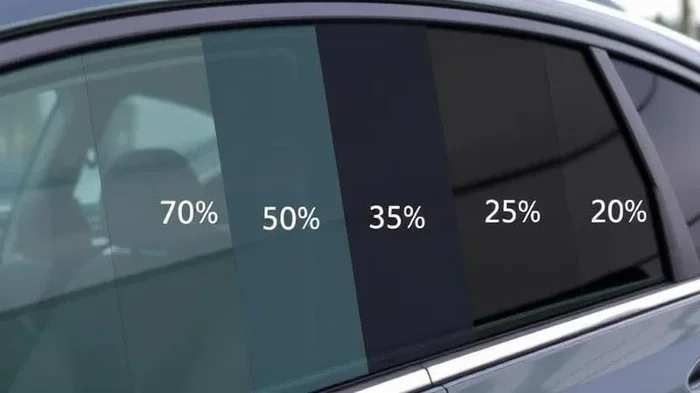
The tint percentage refers to how much light the film allows through. A lower percentage means darker tint. For example, a 5% tint lets in only 5% of light, while a 70% tint lets in most of the light.
Here is a general breakdown of how tint percentages work:
- 5-20% tint: Very dark. Often called “limo tint.” Usually illegal for front side windows.
- 25-35% tint: Medium dark. Common for rear windows in many states.
- 50-70% tint: Light tint. Generally legal for all windows in most states.
- 70%+ tint: Very light. Almost no noticeable darkening. Always legal.
The legal tint limits for front side windows vary widely. Some states allow as low as 35%, while others require 70% or higher. Always check your local rules before getting your windows tinted.
Front vs. Rear Window Rules
Most states treat front and rear windows differently. The front side windows and windshield usually have stricter rules. The rear windows and back windshield often allow darker tint.
Here is why this matters for your daily driving. Your front windows are the first thing an officer sees. If they are too dark, you are more likely to get pulled over. Rear windows with darker tint are generally less of a concern, but they still must comply with state rules.
Windshield Tint Rules
Tinting the windshield is the most regulated area. Most states only allow a thin strip at the top of the windshield, known as the sun visor strip. Full windshield tint is almost always illegal.
The reason is simple. Your windshield provides the best view of the road. Any obstruction, including tint, can reduce visibility and increase accident risk. If you want to block sun glare, a quality sun protection tint strip at the top is your best option.
Common Window Tint Violations That Get You Pulled Over
Not all tint violations are equal. Some are minor, while others can lead to serious consequences. Knowing the common violations helps you avoid them entirely.
Too Dark for the State Limit
This is the most common violation. You get your windows tinted at a shop that goes too dark for your state’s legal limit. Maybe you like the look, or maybe the shop did not ask about local rules. Either way, the result is the same: a ticket.
For example, if your state allows 35% tint on front windows and you install 20% film, you are breaking the law. Police officers can measure tint darkness with a tint meter during a traffic stop. There is no guessing when it comes to enforcement.
Illegal Reflective Coatings
As mentioned earlier, reflective tint is a major red flag for police. Many states completely ban metallic or reflective film on car windows. If your tint has a mirror-like finish, you are almost certainly violating the law.
Tint Bubbles, Peeling, or Damage
Did you know that damaged tint can also lead to a violation? When car window film bubbles, peels, or separates, it creates an uneven appearance. Officers may interpret this as an illegal modification or even suspect the tint was applied to hide something.
Regular maintenance of your window tint keeps it looking clean and legal. If you notice bubbling or peeling, get it repaired or replaced promptly. A well-maintained tint shows that you care about your vehicle and follow the rules.
Medical Exemption Misuse
Some states allow medical window tint exemption for drivers with specific health conditions. These conditions include severe light sensitivity, skin disorders, or autoimmune diseases that require UV protection.
However, misusing a medical exemption is a serious offense. If you do not have a valid medical condition but claim one to get darker tint, you face fines and potential legal trouble. Always obtain proper documentation and carry it in your vehicle.
How to Choose Legal Window Tint for Your Car
Choosing the right tint does not have to be stressful. With a little research and the right professional, you can enjoy beautiful tint that stays within the law. Here is how to make smart choices.
Know Your State’s Legal Limits
Start by researching your state’s state tint laws. Every state publishes its own rules for tint darkness, reflectivity, and windshield restrictions. You can find this information on your state’s Department of Motor Vehicles website or through a quick online search.
Write down the allowed tint percentage for each window. Front side windows, rear side windows, and the rear windshield may all have different limits. Keep this list handy when you visit a tint shop.
Work with Certified Professionals
Not all tint shops are created equal. A reputable shop understands local laws and installs legal tint correctly. They use quality materials and follow manufacturer guidelines for each film type.
For example, if you are looking for expert car care services that include professional window tinting, places like 3M Car Care Hyderabad offer certified installation with quality assurance. Similarly, 3Mm Car Care Sarjapur provides reliable tint services that meet local regulations. Choosing a trusted professional saves you from the headache of illegal tint.
Choose the Right Film Type
There are several types of car window film available on the market. Each has different properties, benefits, and legal implications.
- Dyed film: Affordable and common. Offers basic heat rejection and privacy. May fade over time.
- Metallic film: Better heat rejection. Can be reflective, which may violate state laws.
- Carbon film: Non-reflective and fade-resistant. A popular choice for legal compliance.
- Ceramic film: Premium quality. Excellent heat rejection without reflectivity. Usually legal everywhere.
For most drivers, carbon or ceramic film offers the best balance of performance and legal compliance. These options provide excellent UV protection and heat reduction without the reflective look that attracts police attention.
Get a Written Guarantee
Before you pay for tint installation, ask for written documentation. A reputable shop will provide a certificate that states the tint percentage used on each window. This document can serve as proof of compliance if you ever get stopped by police.
Keep this certificate in your glove box. It shows officers that you took the time to follow the law. It also protects you from misunderstandings about your tint darkness.
What Happens If You Get Pulled Over for Illegal Tint?
Even with the best intentions, you might still run into trouble with your tint. Understanding what happens during a window tint violation stop can help you handle the situation calmly and effectively.
The Traffic Stop Process
If an officer notices your tint is too dark, they will likely pull you over. During the stop, they will use a tint meter to measure the light transmission of each window. The reading is compared against your state’s legal limit.
If your tint fails the test, the officer will issue a citation. The citation typically includes a fine and a deadline to fix the issue. In some cases, you may also receive points on your driving record.
Fines and Penalties
Window tint penalty amounts vary by state and severity. Here is a general idea of what to expect:
- First offense: Warning or small fine, usually between $50 and $250.
- Repeat offense: Higher fines, potentially $500 or more.
- Severe violations: Vehicle may be flagged for inspection or even impoundment in extreme cases.
- Additional costs: You may need to remove and replace the illegal tint, adding to the expense.
Beyond fines, illegal tint can affect your car insurance. Some insurers view tint violations as part of vehicle non-compliance. This could lead to higher premiums or even policy cancellation in extreme cases.
How to Fix an Illegal Tint Issue
If you receive a tint violation, do not panic. The fix is usually straightforward. You need to remove the illegal film and replace it with compliant tint that meets your state’s legal tint limits.
Work with a certified professional who understands local regulations. Shops like 3M Car Care Santhome can help you replace your tint with the right tint percentage for your vehicle. Once the new tint is installed, keep your compliance certificate handy for future reference.
Tips to Avoid Window Tint Trouble with Police
Prevention is always better than dealing with a violation. Here are some practical tips to keep your window tint police-proof and fully compliant.
1. Always Check Local Laws Before Tinting
Laws change. What was legal five years ago may not be legal today. Before getting any tint installed, verify the current state tint laws for your area.
2. Choose Lighter Tint When in Doubt
If you are unsure about the legal limit, go lighter. A 50% or 70% tint gives you many benefits while staying safely within the law. You can always go darker later if the law allows it.
3. Keep Your Tint in Good Condition
Regularly inspect your tint for bubbling, peeling, or discoloration. Damaged film not only looks bad but can also trigger a police stop. Proper car care tips include maintaining your tint just like you maintain the rest of your vehicle.
4. Carry Your Tint Certificate
Always keep your tint compliance certificate in the car. If an officer questions your tint, showing the certificate immediately resolves the issue.
5. Avoid Dark Tint on Front Windows
Front side windows are the most scrutinized. Keep these windows at or above the legal limit. Darker tint on rear windows is generally less of a concern, but you should still follow the rules.
6. Be Respectful During Traffic Stops
If you do get pulled over for tint, stay calm and cooperative. Arguing with the officer will not help your situation. Accept the citation, fix the tint, and move forward.
Expert Insights on Window Tint and Law Enforcement
We spoke with several law enforcement professionals about window tint enforcement. Their insights paint a clear picture of how police view tinted windows.
Officers consistently say that tint is one of the easiest violations to spot. Unlike many other modifications, tint darkness is immediately visible from a distance. A dark-tinted car standing out in traffic is an easy target for a tint check.
Many officers also shared that they are not looking to hassle drivers. They simply want to ensure safety on the roads. When your tint complies with the law, you have nothing to worry about. The issue arises only when tint crosses the legal boundary and creates a visibility or safety concern.
Professionals in car care services also emphasize the importance of working with certified installers. A proper installation ensures your tint meets both legal requirements and quality standards. When you invest in quality window tint, you invest in peace of mind.
Conclusion
So, do cops really care about window tint? The answer is a clear yes. Police officers enforce window tint laws every day, and illegal tint can lead to real consequences. From fines to vehicle inspections, the cost of non-compliance adds up quickly.
The good news is that staying compliant is simple. Understand your state’s legal tint limits, choose the right tint percentage, and work with certified professionals. Keep your automotive tint in good condition and always carry your compliance documentation.
Window tint offers fantastic benefits when done right. You get UV protection, heat reduction, privacy, and a sleek look for your vehicle. By following the rules, you enjoy all of these benefits without the worry of police enforcement. Take the time to research your local laws, pick quality film, and trust a reputable installer. Your car, your wallet, and your peace of mind will all thank you.
Remember, the goal is not to avoid police. The goal is to drive safely and legally. When your car window tinting meets the standards, everyone wins. You stay protected, your vehicle looks great, and you can cruise with confidence knowing you are doing everything right.
Frequently Asked Questions
Can cops measure my window tint during a traffic stop?
Yes, police officers carry tint meters that measure the light transmission of your windows. They can quickly determine if your tint exceeds the legal limit. The process takes only a few seconds and is a standard part of vehicle compliance checks.
What happens if my tint is too dark in another state?
Each state enforces its own window tint law. If you travel with illegal tint, you can be pulled over and cited in any state you visit. Always check the tint regulations of every state you plan to drive through.
Is there a medical exemption for darker window tint?
Yes, many states offer a medical window tint exemption for drivers with documented health conditions. You will need a physician’s certificate and may be required to display a special sticker on your vehicle. Always follow the application process in your state.
Can I get pulled over just for my window tint?
Absolutely. Illegal tint is a valid reason for a traffic stop. Officers do not need another reason to pull you over if your tint violates state law. It is considered a primary enforcement violation in many jurisdictions.
How much does a tint violation ticket cost?
Window tint penalty costs vary widely by state. Fines typically range from $50 to $500 for a first offense. Repeat violations can cost even more. You may also face additional costs for removing and replacing the illegal tint.
Does window tint affect my car insurance rates?
While tint violations do not always directly impact insurance, they can be flagged during policy reviews. Repeated violations or vehicle non-compliance may lead to higher premiums. Keeping your tint legal helps protect both your driving record and your insurance rates.
=== INTERNAL LINKS ===