How Do You Get into a Glove Box Without a Key Today
Getting into a glove box without a key is easier than most drivers think. Whether your glove box key is lost, broken, or stuck, you have several practical options to regain access. This guide walks you through the most reliable methods, tools you need, and tips to prevent future lock problems.
Ever found yourself staring at a locked glove box and wondering what to do? Maybe the key snapped inside the lock. Maybe you bought a used car and the previous owner never handed over the key. Or maybe you simply forgot which key opens it. Whatever the reason, getting into a glove box without a key is a problem more drivers face than you might think.
The good news? You do not need to be a mechanic or a locksmith to solve this. With a few basic tools and a little patience, you can open most glove box locks in under ten minutes. This guide breaks down every method in plain, simple language so anyone can follow along. Let us get into it.
Key Takeaways
- Multiple Methods Exist: You can use simple tools like screwdrivers, bobby pins, or lock picks to open a glove box without a key.
- Know Your Lock Type: Understanding whether you have a turn-lock, latch, or cylinder lock helps you choose the right approach.
- Prevention Saves Time: Regular maintenance and lubrication keep your glove box latch working smoothly.
- Safety Matters: Always be gentle to avoid cracking the glove box door or damaging the dashboard.
- Professional Help Is Available: A locksmith can help if DIY methods don’t work or if the lock is damaged.
- Key Replacement Is Affordable: Replacing a lost glove box key is often quick and inexpensive.
📑 Table of Contents
- Understanding Your Car’s Glove Box Lock System
- Common Reasons the Glove Box Won’t Open
- Tools You Will Need to Open a Glove Box Without a Key
- Step-by-Step Methods to Get into a Glove Box Without a Key
- Preventing Future Glove Box Lock Issues
- When to Call a Professional Locksmith
- Common Mistakes to Avoid
- Key Takeaways
- Conclusion
Understanding Your Car’s Glove Box Lock System
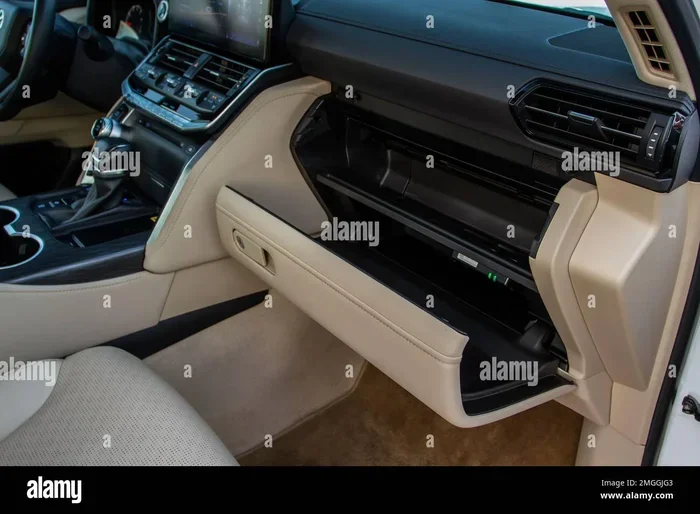
Before you try anything, it helps to know what kind of lock you are dealing with. Different cars use different systems, and the method you choose depends on the type of lock installed. Let us look at the most common types.
Turn-Lock Glove Boxes
This is the classic style you see in older vehicles. You insert a key, turn it, and the latch releases. The mechanism is simple. Inside the door, there is a small metal rod connected to the lock cylinder. When you turn the key, the rod moves and the door pops open. These locks are usually the easiest to bypass without a key.
Push-Latch Glove Boxes
Many modern cars do not use a key at all. Instead, the glove box has a simple push latch. You press the door and it pops open. If your glove box has this type of latch, you might be dealing with a broken spring or a stuck mechanism rather than a locked door. This is actually good news because it means there is no real lock to defeat.
Cylinder Lock Glove Boxes
Some vehicles, especially newer models and certain luxury brands, use a cylinder lock. This is similar to a door lock on your house. It requires a specific key with a unique cut pattern. These are a bit harder to open without the key, but it is still very doable with the right tools.
Electronic or Sensor-Based Locks
A few high-end vehicles feature electronic glove box locks. These may open with a button on the dashboard, a remote, or even a smartphone app. If your car has this system, a dead battery or a faulty sensor might be the real issue, not a physical lock.
Common Reasons the Glove Box Won’t Open
Before jumping straight into opening methods, let us talk about why glove boxes get stuck in the first place. Understanding the cause helps you pick the best solution.
- Lost or Missing Key: This is the number one reason people search for how to open a glove box without a key. Keys get lost, misplaced, or left in a different car.
- Broken Key Inside the Lock: A key can snap off inside the cylinder, especially if it is old or forced. This leaves part of the key trapped inside the lock.
- Frozen or Stuck Latch: In cold weather, moisture can freeze inside the latch mechanism. The door looks locked but really just needs to be thawed or lubricated.
- Broken Spring or Latch: Over time, the internal spring can weaken or break. The door will not release even with the correct key.
- Child Lock Engaged: Some glove boxes have a small switch on the inside that locks the door from the passenger side. You might not know this switch exists.
- Worn-Out Lock Cylinder: After years of use, the lock cylinder wears down. The key no longer turns smoothly, or it does not turn at all.
Once you figure out which of these problems applies to your situation, you can move on to the right fix.
Tools You Will Need to Open a Glove Box Without a Key
You do not need a fancy workshop to open a locked glove box. Most of the tools you need are things you probably already have at home. Here is a simple list to gather before you start.
- Flathead Screwdriver: This is your go-to tool for prying open push-latch glove boxes. A small, thin flathead works best.
- Tweezers or Needle-Nose Pliers: These help you grab or manipulate small parts inside the lock.
- Bobby Pins or Hair Pins: You can use these to pick a simple lock cylinder. Two bobby pins are all you need.
- Paperclip or Safety Pin: Another common lock-picking substitute that works on basic glove box locks.
- WD-40 or Silicone Spray Lubricant: Spray this into the lock or latch to free up a stuck mechanism.
- Flashlight: You will want good light to see inside the glove box compartment and the lock area.
- Small Phillips Head Screwdriver: Some glove boxes have screws holding the door or the surround in place.
- Plastic Spudger or Butter Knife: These work well for prying without scratching or cracking the plastic.
Having these tools ready before you start saves time and frustration. Lay them all out on a clean surface so nothing gets lost in the glove box.
Step-by-Step Methods to Get into a Glove Box Without a Key
Now for the part you have been waiting for. Here are the most effective methods for opening a glove box without a key. Try them in order, starting with the simplest approach.
Method 1: The Screwdriver Technique for Push-Latch Boxes
This is the easiest method and works on most modern vehicles with a simple push latch.
- Open the car door and locate the glove box.
- Look closely at the seam where the door meets the dashboard.
- Slide a thin flathead screwdriver into the gap at the bottom of the door.
- Gently twist the screwdriver to pop the latch.
- The door should swing open with a soft click.
Go slowly. You do not want to scratch the dashboard or crack the plastic. If the screwdriver slips, try a plastic spudger instead. It is gentler on the surfaces and works just as well.
Method 2: Using a Bobby Pin to Pick the Lock
This method works on turn-lock and cylinder lock glove boxes. It takes a little practice, but it is very effective.
- Straighten out two bobby pins. You will use one as a tension wrench and the other as a pick.
- Insert the tension wrench into the bottom of the keyhole. Apply light, steady pressure in the direction the key would turn.
- Insert the straightened pick into the top of the keyhole.
- Feel around inside for the pins. Push each pin up one at a time until you feel the lock set.
- Once all pins are set, the lock should turn smoothly.
This might take a few tries. That is completely normal. Even professional locksmiths practice this skill. Stay patient and keep your hands steady.
Method 3: Lubricating the Lock and Latch
If the glove box is stuck because of rust, grime, or freezing temperatures, lubrication might be all you need.
- Spray a small amount of WD-40 or silicone lubricant directly into the keyhole.
- Also spray the latch area where the door meets the dashboard.
- Wait two to three minutes for the lubricant to soak in.
- Try turning the key or pressing the latch again.
- If it still does not move, apply a little more lubricant and try again.
This method is especially helpful in winter when moisture freezes the mechanism. A quick spray can save you from a lot of frustration.
Method 4: Removing the Glove Box Door Entirely
If the lock is completely jammed and nothing else works, you can remove the door. This gives you full access to the compartment underneath.
- Open the car door and look for screws holding the glove box surround in place.
- Use a Phillips head screwdriver to remove the screws.
- Carefully pull the glove box door away from the dashboard.
- Set the screws and door aside in a safe place.
- Reach inside the compartment and retrieve what you need.
Be gentle when pulling the door. The clips that hold it in place can break if you force them. Work slowly and wiggle the door loose rather than yanking it.
Method 5: Using a Lock Pick Set
If you have a proper lock pick set, this method is faster and more precise than using bobby pins.
- Insert the tension wrench into the lock cylinder.
- Apply light turning pressure.
- Use the pick tool to feel for the pins inside.
- Set each pin at the shear line.
- Turn the lock and the glove box opens.
Lock pick sets are inexpensive and available online. If you plan on opening glove boxes or other locks regularly, a basic pick set is a worthwhile investment.
Method 6: Drilling the Lock (Last Resort)
Drilling should be your absolute last option. It destroys the lock and makes future key-based access impossible. However, if the lock is completely seized and you need immediate access, drilling can work.
- Use a small drill bit, about 3 millimeters wide.
- Drill directly into the lock cylinder at the six o’clock position.
- Drill just deep enough to push the lock pins out of the way.
- Try turning the lock with a flathead screwdriver after drilling.
- Replace the entire lock cylinder afterward with a new one.
Again, this is a last resort. Drilling should only be done when you have exhausted every other option. Always wear safety glasses when drilling.
Preventing Future Glove Box Lock Issues
Once you get your glove box open, you probably want to make sure it never gets stuck again. Here are simple steps to keep your glove box working smoothly for years to come.
Lubricate the Lock Regularly
Every three to six months, spray a small amount of silicone lubricant into the lock cylinder. This prevents rust and keeps the mechanism moving freely. A can of spray lubricant costs just a few dollars and lasts a long time.
Keep the Key in Good Condition
Do not force the key into the lock. If it does not slide in easily, do not push harder. Check for debris or damage on the key teeth. A worn key can damage the lock cylinder over time.
Store a Spare Key
Keep a spare glove box key in a safe place at home. Some people also tape a spare key to the underside of the dashboard where it is hidden but accessible. This simple habit saves a lot of headaches.
Check the Child Lock Switch
If your glove box suddenly stops opening, check for a small switch on the inside of the door or on the dashboard side. Flipping this switch can lock or unlock the door depending on the position.
Avoid Overloading the Glove Box
Heavy items put pressure on the door and latch. This can cause the latch to misalign over time. Keep the contents light and avoid stacking heavy objects inside.
When to Call a Professional Locksmith
Most glove box lock problems can be solved at home with the methods above. But there are times when calling a professional is the smart move.
If the lock cylinder is completely damaged and none of the DIY methods work, a locksmith can replace it quickly. If you accidentally drill the lock and need a new one installed, a locksmith handles that too. Also, if your vehicle has an electronic lock system and the sensor or wiring is faulty, you need a professional to diagnose and repair the electrical issue.
A mobile locksmith can come to you, which is incredibly convenient. Most locksmiths can have a glove box open in just a few minutes. The cost is usually between $50 and $150 depending on your location and the type of lock. This is a small price to pay for peace of mind.
Before calling a locksmith, make sure you have your car registration and proof of ownership ready. Locksmiths typically ask for identification before working on your vehicle.
Common Mistakes to Avoid
As you work on opening your glove box, keep these common mistakes in mind. Avoiding them saves time and prevents damage.
- Using Too Much Force: Yanking or prying too hard can crack the glove box door or damage the dashboard trim. Gentle, steady pressure always works better.
- Using the Wrong Tools: Do not use metal tools on plastic surfaces. Use a plastic spudger or wrap metal tools in a cloth to prevent scratches.
- Forgetting to Disconnect the Battery: Some vehicles have electrical connections inside the glove box area. Disconnecting the battery before working inside prevents accidental shorts.
- Skipping Lubrication: If the latch is stiff, lubricate first before trying to force it open. Skipping this step can make the problem worse.
- Losing Small Parts: When you remove screws or clips, keep them in a small container. Losing a screw means extra time searching for it later.
Key Takeaways
- Know Your Lock Type: Whether you have a turn-lock, push-latch, or cylinder lock determines which method works best for opening your glove box without a key.
- Start Simple: Try the lubricant method or the screwdriver technique first. These require no special skills and minimal tools.
- Pick the Lock If Needed: Bobby pins or a lock pick set can open cylinder locks with patience and practice.
- Remove the Door as a Last Resort: Taking off the glove box door gives you full access without damaging the lock mechanism.
- Prevent Future Problems: Regular lubrication, spare keys, and gentle use keep your glove box working smoothly.
- Call a Professional When Stuck: A locksmith is a reliable option if DIY methods fail or if the lock is damaged beyond repair.
Conclusion
Knowing how to get into a glove box without a key is a practical skill every driver should have. Whether your key is lost, broken, or simply missing, you now have six reliable methods to regain access to your glove box. From simple lubrication to lock picking to full door removal, there is an approach that fits every situation and skill level.
The most important takeaway is this: stay calm and work through the methods in order. Start with the easiest approach and only move to more advanced techniques if needed. Most glove box lock problems can be solved at home without spending a dime.
Take care of your glove box latch, keep a spare key handy, and you will rarely face this problem again. But if you do, you now know exactly what to do. Grab your tools, stay patient, and you will have that glove box open in no time.
Frequently Asked Questions
Can I use a hairpin to pick a glove box lock?
Yes, a hairpin or bobby pin works well for picking simple glove box locks. Straighten out the pin, insert it into the lock cylinder, and use it to push the pins up one at a time. It takes a little practice, but many people find it works surprisingly well on basic turn-lock mechanisms.
Is it safe to drill a glove box lock?
Drilling a glove box lock is safe if you take proper precautions. Wear safety glasses to protect your eyes from plastic debris. Use a small drill bit and only drill into the lock cylinder, not the surrounding dashboard. Remember that drilling destroys the lock permanently, so plan to replace the cylinder afterward.
How much does a locksmith charge to open a glove box?
Most locksmiths charge between $50 and $150 to open a locked glove box. The cost depends on your location, the type of lock, and whether you need a new key or lock cylinder. Mobile locksmiths may charge a small additional fee for coming to your location.
Why does my glove box lock keep sticking?
A sticky glove box lock is usually caused by dirt, grime, or moisture buildup inside the mechanism. Cold weather can also freeze the latch temporarily. Regular lubrication with silicone spray or WD-40 keeps the lock moving freely and prevents sticking. If the problem persists, the lock cylinder may need to be replaced.
Can I replace a glove box lock cylinder myself?
Yes, replacing a glove box lock cylinder is a straightforward DIY project. You will need a screwdriver and a replacement cylinder that matches your vehicle make and model. Remove the old cylinder, insert the new one, and test it with your key. Most auto parts stores carry replacement cylinders for popular vehicle models.
What should I do if the key breaks off inside the glove box lock?
If your key breaks inside the lock, try using needle-nose tweezers to grab and pull out the broken piece. If you cannot reach it, apply lubricant and try gently working a small tool into the lock to extract the fragment. If neither method works, a locksmith can remove the broken key and replace the lock cylinder for you.