Is It Illegal to Disable DRL and Face Serious Penalties
It is illegal to disable DRL in many countries and US states because daytime running lights are a critical vehicle safety feature designed to reduce accidents. Disabling your DRL system can result in serious penalties, including fines, failed inspections, and even voided warranties.
Have you ever thought about turning off your daytime running lights because they bother you or drain your battery? Maybe your DRL system stays on even when you do not want it to, and you are tempted to just pull a fuse and call it a day. Before you do anything, let us talk about something important. Is it illegal to disable DRL? The short answer is yes, in most places. But the full answer is more nuanced than you might think. This article breaks down the laws, penalties, safety implications, and everything else you need to know before you make any changes to your vehicle lighting system.
Disabling DRL is not just a simple tweak to your car. It involves automotive lighting compliance laws that exist for a reason. These lights were designed to save lives. They make your vehicle more visible to other drivers during daylight hours. When you turn them off, you are not just breaking a rule. You are also putting yourself and others at risk. Let us dive deep into why this matters and what can happen if you ignore the laws.
Key Takeaways
- It is illegal in many places: disabling DRL violates vehicle safety laws in the US, Canada, EU, and other regions.
- Penalties can be costly: fines range from $50 to over $500 depending on your location.
- Safety is the real concern: DRL reduces daytime accidents by making your vehicle more visible.
- Warranty and insurance risks: disabling DRL may void your car warranty and complicate insurance claims.
- Several methods exist but all carry risk: removing the DRL fuse, bypassing the relay, or unplugging the module all fall under illegal modifications.
- Exemptions exist for some vehicles: certain older models and off-road vehicles may not require DRL.
- Re-enabling DRL is simple: most fixes involve resetting the module or replacing a removed fuse.
📑 Table of Contents
- What Are Daytime Running Lights and Why Do They Exist?
- Is It Illegal to Disable DRL? A Country-by-Country Look
- Potential Penalties for Disabling DRL
- Common Methods People Use to Disable DRL
- Why You Should Never Disable DRL
- Quick Tips for DRL Maintenance and Compliance
- Common Mistakes People Make with DRL
- Expert Insights on DRL Laws and Safety
- What to Do If You Already Disabled Your DRL
- Conclusion
What Are Daytime Running Lights and Why Do They Exist?
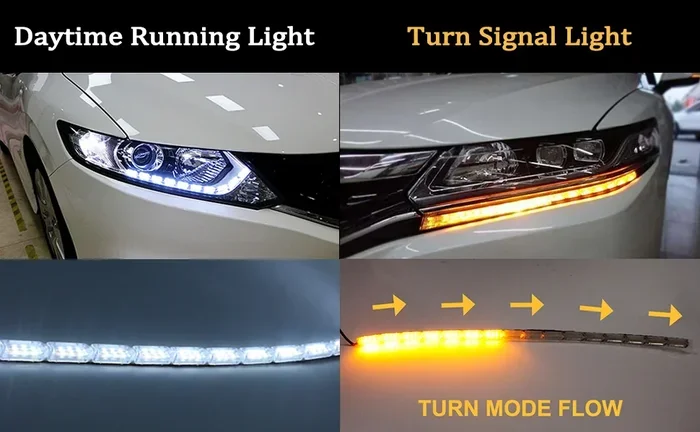
Daytime running lights, commonly known as DRL, are low-intensity lights that automatically turn on when your engine starts. They are not the same as your headlights. DRL lights are designed to make your vehicle stand out during the day, not to help you see the road at night. Most modern cars come with DRL built right into the front fog light assembly or the low beam headlights.
The idea behind DRL is simple. A car that is easier to see is a car that is less likely to get into an accident. Studies from countries that mandate DRL show a noticeable drop in daytime collisions. Countries like Canada, Sweden, and Norway were early adopters of DRL mandates, and the results spoke for themselves. Fewer accidents meant fewer injuries and fewer deaths on the road.
How DRL Works Under the Hood
Your DRL module controls the daytime running lights. It receives a signal from the engine control unit when you start the car. Then it sends power to the DRL bulbs or LEDs. The system is designed to turn off automatically when you switch on your full headlights at night. This prevents the DRL from being too bright and blinding other drivers.
Most vehicles use the existing headlight bulbs for DRL. The module simply reduces the voltage or uses a relay to control the circuit. Some newer cars use dedicated LED strips that are built into the front bumper. Either way, the DRL system is integrated into your auto safety standards and is not meant to be easily modified or removed.
Is It Illegal to Disable DRL? A Country-by-Country Look
The legality of disabling DRL depends heavily on where you live. Different countries and even different states have their own vehicle lighting laws. Let us break this down by region so you know exactly where you stand.
United States
In the United States, there is no federal law that specifically requires DRL on all vehicles. However, many states have adopted state vehicle codes that address automotive lighting compliance. For example, states like California, New York, and Michigan have regulations that require vehicles to meet Federal Motor Vehicle Safety Standards. These standards include provisions for daytime visibility systems. If you modify or disable your DRL and your vehicle fails to meet these standards, you could face legal consequences.
Some states enforce roadworthiness standards during annual inspections. If your DRL system is not functioning or has been tampered with, your vehicle may fail inspection. This means you cannot legally drive it until the issue is fixed.
Canada
Canada is one of the strictest countries when it comes to DRL. Since 1990, all new vehicles sold in Canada must have working daytime running lights. Disabling them is a direct violation of Canadian vehicle safety regulations. If you are caught driving without functioning DRL, you could face fines and points on your license.
European Union
The European Union has had DRL requirements in place for many years. All new cars sold in EU countries must have automotive lighting compliance with ECE regulations. Disabling DRL in the EU is illegal and can result in fines during routine traffic stops or vehicle inspections.
Other Countries
Countries like Australia, Japan, and most of Scandinavia also require DRL on new vehicles. The trend worldwide is moving toward mandatory DRL because of the proven safety benefits. So if you are thinking about disabling your DRL, you are likely going against the law no matter where you live.
Potential Penalties for Disabling DRL
If you are caught driving with disabled daytime running lights, the penalties can vary widely. Here is what you might face depending on your location and circumstances.
Fines and Monetary Penalties
In most US states, disabling DRL can result in a traffic violation fine ranging from $50 to $500. The exact amount depends on the state and whether it is a first offense. In Canada, fines can be higher, especially in provinces like Ontario and British Columbia where vehicle inspection requirements are strict.
Failed Vehicle Inspection
Many states require annual or biennial vehicle inspections. A vehicle with disabled DRL lights will almost certainly fail the lighting inspection. This means you will have to fix the issue and re-inspect the vehicle before you can legally drive it again. In some cases, you may need to pay for a re-inspection fee, which adds to the cost.
Warranty Voiding
This is something many car owners do not think about. If you disable your DRL and it causes damage to the DRL module or the automatic headlight system, your manufacturer may refuse to cover the repairs. Modern cars are complex systems, and modifying one component can affect others. A voided warranty can cost you thousands of dollars in unexpected repairs.
Insurance Complications
Here is a penalty that catches many people off guard. If you are involved in an accident and your DRL system was disabled, your insurance company may deny your claim. They can argue that the disabled lights contributed to the accident or that you were driving a non-compliant vehicle. This can leave you paying for repairs and medical bills out of pocket.
Points on Your License
In some jurisdictions, disabling safety equipment on your vehicle can result in points being added to your driving record. Accumulate too many points, and you could face license suspension or higher insurance premiums. It is simply not worth the risk.
Common Methods People Use to Disable DRL
Despite the risks, some people still try to disable their DRL. Here are the most common methods and why each one is problematic.
Removing the DRL Fuse
This is the simplest method. You locate the DRL fuse in your fuse box and pull it out. The DRL lights go off. The problem is that this is an illegal modification in most places. It also disables any safety feature tied to that circuit, which could affect other systems in your car.
Bypassing the DRL Relay
Some people bypass the DRL relay to prevent the lights from turning on. This involves rewiring the electrical system, which is a more involved process. It requires knowledge of automotive electrical systems, and if done incorrectly, it can cause short circuits or electrical fires.
Unplugging the DRL Module
Unplugging the DRL module effectively disables the entire system. This method is more difficult to detect during inspections, but it is still illegal. It can also trigger the DRL warning light on your dashboard, which will alert police during a traffic stop.
Installing a DRL Kill Switch
Some aftermarket kill switches allow you to toggle DRL on and off. While this might seem convenient, installing a kill switch is still considered a modification that violates automotive lighting compliance laws in most jurisdictions.
Why You Should Never Disable DRL
Beyond the legal issues, there are compelling safety reasons to keep your daytime running lights active. Let us look at why DRL matters so much.
Improved Visibility Saves Lives
Studies consistently show that DRL systems reduce daytime accidents. When your vehicle is more visible, other drivers can see you sooner. This gives them more time to react, especially in low-light conditions like dawn, dusk, or overcast weather. The nighttime visibility benefits extend into daytime driving as well, since DRL helps distinguish your vehicle from the background.
Reduced Headlight Wear
Because DRL uses low-intensity light, it actually reduces the wear on your headlight bulbs. The DRL system is designed to use less power than full headlights. This means your bulbs last longer, and you save money on replacements over time.
Better Fuel Efficiency
Modern DRL systems use LEDs, which consume very little power. The impact on your fuel economy is negligible. In fact, the safety benefits far outweigh any tiny increase in fuel consumption. Disabling DRL to save fuel is a myth that does not hold up under scrutiny.
Setting a Good Example
When you keep your DRL lights on, you are contributing to overall road safety. Other drivers can see you better, and you set an example for other motorists. It is a small action that has a ripple effect across the entire driving community.
Quick Tips for DRL Maintenance and Compliance
Keeping your daytime running lights in good shape is easy. Here are some quick tips to make sure your DRL system stays compliant and functional.
- Check your DRL bulbs regularly. Replace any burned-out bulbs immediately to maintain proper visibility.
- Do not remove the DRL fuse. Even if the lights seem dim or annoying, there are better solutions than disabling them.
- Address DRL warning lights promptly. If the DRL warning light appears on your dashboard, have the system checked by a professional.
- Keep your DRL module clean. Dirt and debris can affect the performance of the module and the bulbs.
- Follow your vehicle manufacturer’s maintenance schedule. Regular inspections help catch DRL issues before they become problems.
- Never modify the DRL wiring yourself. If you are unsure about something, consult a certified mechanic.
Common Mistakes People Make with DRL
Even well-meaning car owners can make mistakes when it comes to DRL systems. Here are some common errors to avoid.
Confusing DRL with Headlights
The biggest mistake is assuming that DRL replaces your headlights. They do not. DRL are low-intensity lights for daytime visibility. You still need to turn on your headlights at night or in poor weather conditions. Disabling DRL does not mean you can skip using your headlights when it gets dark.
Ignoring the DRL Warning Light
If your dashboard shows a DRL warning light, do not ignore it. This light indicates a problem with the DRL system. It could be a faulty sensor, a bad relay, or a wiring issue. Driving with a malfunctioning DRL system is not only unsafe but could also be considered a violation of vehicle lighting laws in your area.
Using Aftermarket DRL Kits Without Proper Installation
Aftermarket DRL retrofit kits can be a great way to add DRL to older vehicles. However, improper installation can lead to electrical problems, bulb burnout, or even fire hazards. Always have aftermarket kits installed by a qualified professional.
Assuming All Vehicles Have DRL
Not every vehicle has daytime running lights. Older models, some trucks, and certain off-road vehicles may not come equipped with DRL. If you drive one of these vehicles, check your local state vehicle codes to understand the lighting requirements that apply to your specific vehicle type.
Expert Insights on DRL Laws and Safety
According to the National Highway Traffic Safety Administration, vehicles equipped with daytime running lights are involved in fewer daytime accidents than those without. Safety experts consistently recommend keeping DRL enabled at all times. The auto safety standards established by regulatory bodies around the world are based on extensive research and real-world crash data.
Traffic safety regulations exist to protect everyone on the road. When you disable your DRL, you are not just breaking the law. You are reducing your vehicle’s visibility and increasing the risk of a collision. Experts agree that the benefits of DRL far outweigh any minor inconvenience they might cause.
What to Do If You Already Disabled Your DRL
If you have already disabled your DRL system, the best thing to do is re-enable it as soon as possible. Here is how to get back in compliance.
- Reinstall the DRL fuse. If you pulled the fuse, put it back in its proper slot.
- Reconnect the DRL module. If you unplugged the module, plug it back in securely.
- Reset the DRL system. Some vehicles require a reset after the DRL circuit has been interrupted. Consult your owner’s manual or a mechanic for guidance.
- Check the DRL warning light. Make sure the warning light is no longer illuminated on your dashboard.
- Test the system. Start your engine and confirm that the DRL lights turn on automatically.
If you are unsure about any of these steps, visit a trusted mechanic or dealership. They can quickly and safely restore your daytime running lights to full working order.
Conclusion
The answer to the question Is it illegal to disable DRL? is a clear and resounding yes in most jurisdictions. Disabling DRL carries serious penalties, including fines, failed inspections, warranty voiding, and insurance complications. But beyond the legal risks, there is a much bigger reason to keep your daytime running lights on. They save lives. DRL systems make your vehicle more visible to other drivers, which reduces the chance of accidents during the day.
If you have been considering disabling your DRL, now is the time to reconsider. The minor annoyance of having lights on during the day is nothing compared to the safety benefits and legal protection that come with keeping them active. Follow your vehicle lighting laws, maintain your DRL system properly, and drive with confidence knowing you are doing your part to keep the roads safer for everyone.
Take action today. Check your DRL lights, make sure they are working, and never disable them. Your safety and the safety of others depend on it.
Frequently Asked Questions
Can I disable DRL if I drive an older vehicle?
Some older vehicles manufactured before DRL mandates may not have daytime running lights at all. However, if your older vehicle was originally equipped with DRL, disabling it is still illegal in most jurisdictions. Check your local state vehicle codes for specific requirements.
Will disabling DRL save me money on fuel?
The fuel savings from disabling DRL are negligible. Modern DRL systems use LEDs that consume very little power. The potential savings are far outweighed by the safety risks and legal penalties you face.
What happens if my DRL lights fail during a vehicle inspection?
If your DRL lights are not functioning during inspection, your vehicle will likely fail. You will need to repair or replace the faulty components before you can pass the inspection and legally drive the vehicle.
Can I install aftermarket DRL lights to replace a broken system?
Yes, aftermarket DRL retrofit kits are available for many vehicle models. However, make sure the kit meets automotive lighting compliance standards and have it installed by a qualified professional to avoid electrical issues.
Is it legal to drive with DRL only and no headlights at night?
No. Daytime running lights are not designed to replace headlights at night. They are low-intensity lights meant for daytime visibility. You must always turn on your full headlights when driving in dark conditions.
Are there any vehicles exempt from DRL requirements?
Certain off-road vehicles, motorcycles, and vehicles manufactured before specific DRL mandates may be exempt. However, most passenger cars and light trucks must comply with DRL mandates in countries and states that require them. Always check your local regulations to confirm.
=== META TITLE ===
Is It Illegal to Disable DRL? Serious Penalties Await
=== SEO TITLE ===
Is It Illegal to Disable DRL and Face Serious Penalties
=== URL SLUG ===
/is-it-illegal-to-disable-drl
=== META DESCRIPTION ===
Wondering if it is illegal to disable DRL? This guide covers penalties, laws, safety risks, and what happens if you turn off your daytime running lights.