At What Mileage Does A Transmission Go Bad And Repair Cost
Most car transmissions start failing between 100,000 and 150,000 miles, but poor maintenance can push problems much earlier. The average transmission repair cost ranges from $300 to $5,000 depending on the damage and vehicle type. This guide breaks down every stage of transmission wear so you can spot trouble early and avoid costly breakdowns.
Your car’s transmission is one of the most hardworking parts under the hood. It transfers power from the engine to the wheels, and it does this thousands of times every single drive. So it is no surprise that at what mileage does a transmission go bad is one of the most searched questions by car owners everywhere.
The honest answer is that there is no single magic number. Some transmissions give out at 80,000 miles. Others sail past 200,000 miles without a hiccup. What determines the difference? Maintenance, driving habits, vehicle type, and yes, even the weight your car carries. For example, carrying heavy loads puts extra strain on your drivetrain and can accelerate wear significantly.
In this guide, we will walk through everything you need to know about transmission failure mileage, warning signs, and what you should expect to pay for repairs. Whether you drive a daily commuter or a heavy-duty truck, this article will help you stay ahead of costly breakdowns.
Key Takeaways
- Transmissions typically fail between 100,000 and 150,000 miles without proper care, though some last over 200,000 miles.
- Transmission repair costs vary widely, from $300 for simple fixes to $5,000+ for full replacements.
- Regular fluid changes are the single best way to extend your transmission’s lifespan and prevent expensive repairs.
- Warning signs like slipping gears, strange noises, and fluid leaks should never be ignored.
- Driving habits and vehicle weight directly impact how soon your transmission goes bad.
- DIY maintenance can save hundreds of dollars compared to professional rebuilds.
- Knowing the signs early helps you budget and avoid roadside emergencies.
📑 Table of Contents
- Understanding Your Transmission and How It Works
- At What Mileage Does A Transmission Go Bad
- What Causes a Transmission to Fail Early
- Transmission Repair Cost: What You Should Expect
- How to Extend Your Transmission’s Lifespan
- When to See a Mechanic vs. When You Can DIY
- Common Mistakes That Shorten Transmission Life
- Expert Insights on Transmission Longevity
- Conclusion
Understanding Your Transmission and How It Works
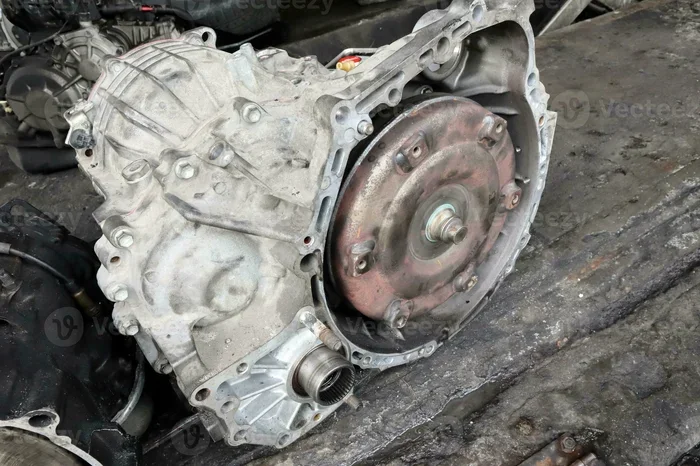
Before we dive into mileage numbers, let us quickly cover what a transmission actually does. Think of it as the bridge between your engine and your wheels. Your engine spins constantly, but your wheels need to move at different speeds. The transmission handles that job by shifting gears up and down.
There are two main types most people drive every day:
- Automatic transmissions shift gears on their own using fluid pressure and sensors. They are convenient and popular in modern cars.
- Manual transmissions require the driver to physically shift gears using a clutch pedal. They are simpler in design but need more driver input.
Both types use transmission fluid to lubricate moving parts and keep everything cool. Over time, this fluid breaks down, gets dirty, and loses its effectiveness. That is where the trouble begins.
Why Transmission Fluid Matters So Much
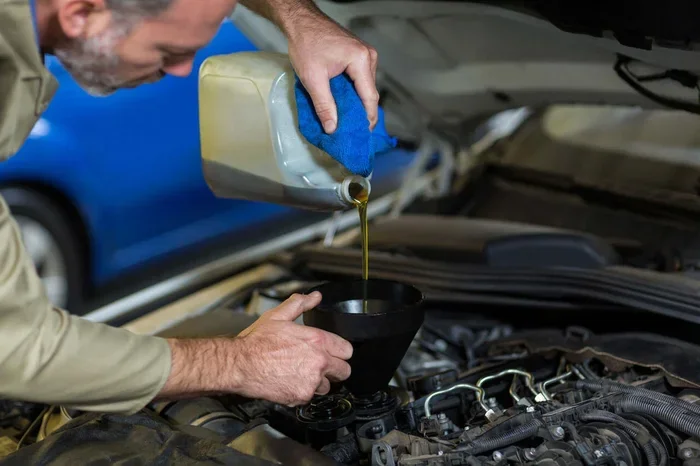
Transmission fluid is the lifeblood of your gearbox. It reduces friction, prevents overheating, and ensures smooth gear changes. When the fluid gets old or contaminated, gears start grinding, parts wear faster, and the whole system suffers. This is why most mechanics recommend a transmission fluid change every 30,000 to 60,000 miles.
If you skip fluid changes, you are basically asking your transmission to run on dirty oil. It works for a while, but the damage adds up fast. And once internal components start wearing out, repair bills climb quickly.
At What Mileage Does A Transmission Go Bad
Now let us get to the heart of the question. At what mileage does a transmission go bad? The answer depends heavily on several factors, but here are some general guidelines that apply to most vehicles on the road today.
Early Warning Zone: 60,000 to 80,000 Miles
Some vehicles, especially those used in stop-and-go city driving, start showing transmission problems as early as 60,000 miles. Why? Because frequent gear changes, idling in traffic, and towing create more heat and friction. If the fluid has never been changed, problems can show up even sooner.
Common issues in this range include:
- Slipping between gears under load
- Delayed shifting when accelerating
- Slight leaks around the transmission pan
- Burning smell while driving
If you notice any of these symptoms around the 60,000-mile mark, do not ignore them. A simple transmission fluid change or flush at this stage can often prevent major damage later on.
Mid-Life Wear: 80,000 to 120,000 Miles
This is the most common range where transmission problems surface. By this point, the fluid has done a lot of work, and internal components like clutch packs, solenoids, and seals have experienced significant wear.
According to most automotive experts, 100,000 miles is the average lifespan of a transmission before major repairs become necessary. However, well-maintained vehicles can push well past this number. For instance, if you have been diligent about fluid changes and avoid harsh driving, your gearbox may still feel strong at 120,000 miles or more.
Here is a quick comparison of what to expect at different mileage points:
- 60,000-80,000 miles: Early signs of wear, fluid degradation, minor leaks
- 80,000-120,000 miles: Most common repair window, solenoid issues, slipping gears
- 120,000-150,000 miles: Major component failure likely without maintenance
- 150,000+ miles: Possible with excellent care, but rebuilds become common
Late-Life Transmission Problems: 150,000+ Miles
Vehicles that reach 150,000 miles or more without transmission issues are often well taken care of. At this stage, even with regular maintenance, you may start experiencing wear on internal components like the torque converter, bearings, or planetary gear sets.
Interestingly, the type of vehicle matters a lot here. Some manufacturers build transmissions meant to last longer. For example, certain models from brands known for durability can exceed 200,000 miles with proper care. On the other hand, some vehicles are simply designed with shorter transmission lifespans, and problems start earlier no matter what you do.
What Causes a Transmission to Fail Early
Mileage alone does not tell the whole story. Several factors can cause your transmission to go bad well before the expected mileage. Understanding these causes helps you take preventive action.
Neglecting Fluid Changes
This is the number one cause of premature transmission failure. Dirty, old fluid loses its ability to lubricate and cool the internal components. The result is increased friction, overheating, and eventually, gear damage. A routine transmission fluid change costs a fraction of what a rebuild or replacement costs.
Overheating
Transmissions generate a lot of heat, especially when towing or carrying heavy loads. When the temperature rises beyond what the fluid can handle, the fluid breaks down and internal parts warp. Overheating is a silent killer because you often do not notice it until serious damage has already occurred.
Ignoring Warning Signs
Many drivers brush off early symptoms like slight slipping or a minor delay in shifting. They tell themselves it is probably nothing. But these small signs are your transmission asking for help. Ignoring them leads to bigger problems and higher repair bills down the road.
Accidents and Impact Damage
Even a minor accident can damage your transmission. For example, hitting a deer at highway speeds can cause undercarriage damage that affects the transmission housing, sensors, or linkage. Similarly, potholes and road debris can jar the drivetrain enough to cause internal misalignment over time.
Driving Habits
How you drive directly affects your transmission’s health. Aggressive acceleration, riding the clutch (in manual cars), and shifting from drive to reverse while still moving all put extra stress on the system. Smooth, steady driving habits can add years to your transmission’s life.
Vehicle Weight and Load
Every vehicle has a recommended weight limit. Exceeding it regularly puts extra strain on the engine and transmission. The added weight means more work for the gearbox, more heat generated, and faster wear on internal components.
Transmission Repair Cost: What You Should Expect
Now let us talk money. Transmission repair cost is the part most car owners worry about the most, and for good reason. Transmission work is among the most expensive repairs a vehicle can need. But the actual cost depends on what exactly needs fixing.
Minor Repairs: $300 to $800
Minor repairs include things like replacing a transmission solenoid, fixing a small leak, or replacing a worn seal. These fixes are relatively affordable and can often be done in a single day at a local repair shop.
Moderate Repairs: $800 to $2,500
Moderate repairs cover issues like a failing torque converter, replacing the transmission filter, or fixing clutch packs in manual vehicles. These repairs require more labor and sometimes special tools, but they do not require a full rebuild.
Transmission Rebuild: $2,500 to $4,500
A rebuild involves taking the entire transmission apart, replacing worn parts, and reassembling it with new gaskets, seals, and bearings. This is a significant investment, but it costs considerably less than a full replacement. Many shops offer rebuild services with warranties that can last several years.
Full Transmission Replacement: $4,000 to $8,000+
A complete replacement means installing a brand new or remanufactured transmission. This is the most expensive option and is typically reserved for vehicles with catastrophic failure. The cost varies widely based on the make, model, and year of the vehicle.
How Vehicle Type Affects Repair Cost
The type of vehicle you drive plays a big role in what you pay. Luxury vehicles and trucks with heavy-duty transmissions cost more to repair. Import vehicles sometimes require specialized parts that drive up the price. On the other hand, common domestic models often have more affordable replacement parts available.
If you are shopping for a vehicle and worry about future transmission costs, consider visiting a local Chevrolet dealership to explore models known for durable drivetrains and reasonable maintenance costs.
DIY vs. Professional Repair
Some transmission tasks, like checking fluid levels or replacing external filters, are simple enough for DIY enthusiasts. However, anything involving opening the transmission casing should be left to professionals. A mistake during a rebuild can lead to even more expensive damage.
How to Extend Your Transmission’s Lifespan
The good news is that you have a lot of control over how long your transmission lasts. Simple habits and regular maintenance can add tens of thousands of miles to your gearbox’s life. Here is what you can do starting today.
Stick to a Fluid Change Schedule
Check your owner’s manual for the recommended transmission fluid change interval. Most manufacturers suggest changing the fluid every 30,000 to 60,000 miles. If you tow frequently or drive in hot climates, consider changing it more often.
Watch for Warning Signs
Do not wait for your transmission to completely fail. Pay attention to early warning signs like:
- Gears slipping or feeling unresponsive
- Strange noises like grinding or whining
- Burning smell coming from under the hood
- Fluid leaks under the car
- Check engine light illuminating
- Delayed engagement when shifting from park to drive
Addressing these signs early can save you from a complete failure later.
Warm Up Your Car Before Driving
In cold weather, give your car a minute or two to warm up before driving. This allows the transmission fluid to circulate properly and lubricate all the internal components. It is a small habit that makes a big difference over time.
Avoid Overloading Your Vehicle
Every vehicle has a maximum payload capacity. Exceeding it regularly puts unnecessary stress on the transmission. If you need to carry heavy items frequently, consider upgrading to a vehicle with a stronger drivetrain.
Use the Right Fluid
Not all transmission fluids are the same. Using the wrong type can cause poor performance and accelerated wear. Always check your owner’s manual or ask your mechanic to confirm the correct fluid specification for your vehicle.
When to See a Mechanic vs. When You Can DIY
Knowing when to handle a problem yourself and when to call a professional can save you both time and money. Here are some guidelines to help you decide.
DIY-Friendly Transmission Tasks
These tasks are safe for most car owners with basic tools:
- Checking transmission fluid level and condition
- Replacing the transmission dipstick
- Changing the transmission filter (if accessible)
- Checking for external fluid leaks
- Resetting transmission fault codes with an OBD scanner
Tasks That Require a Professional
Leave these jobs to trained technicians who have the right equipment and experience:
- Transmission fluid flush and fill (for sealed systems)
- Replacing internal components like solenoids or clutch packs
- Transmission rebuilds or replacements
- Diagnosing complex electrical or sensor issues
- Any repair that requires removing the transmission from the vehicle
If you are unsure about a symptom, it is always better to get a professional diagnosis. Many shops offer free or low-cost inspections, and catching a problem early can save you thousands of dollars.
Common Mistakes That Shorten Transmission Life
Even well-meaning car owners sometimes make mistakes that hurt their transmissions. Here are the most common ones to avoid.
Ignoring the Check Engine Light
Your car’s computer monitors transmission health through various sensors. When the check engine light comes on, it could be signaling a transmission issue. Ignoring it means the problem gets worse while you keep driving.
Changing Gears While Still Moving
In manual vehicles, shifting from drive to reverse (or vice versa) while the car is still in motion puts enormous stress on the transmission gears. Always come to a complete stop before changing direction.
Riding the Clutch
Manual transmission drivers who keep their foot on the clutch pedal while driving wear out the clutch plate much faster. This leads to premature transmission problems and costly repairs.
Skipping Regular Maintenance
Some owners only visit the mechanic when something breaks. By then, the damage is already done. Regular maintenance schedules are designed to catch small problems before they become big ones.
Using Wrong or Low-Quality Fluids
Cheap or incorrect fluids do not provide the same level of protection. Over time, this leads to increased wear, overheating, and eventual failure. Always use manufacturer-recommended fluids.
Expert Insights on Transmission Longevity
We asked several certified automotive technicians what they wish every driver knew about transmission care. Here is what they had to say.
Tip 1: Fluid is everything. Most experienced mechanics agree that clean, fresh transmission fluid is the single most important factor in extending gearbox life. A simple fluid change every 40,000 miles can prevent 90% of common transmission problems.
Tip 2: Listen to your car. Unusual sounds, shifts in behavior, or new vibrations are your car’s way of telling you something is wrong. The sooner you address it, the cheaper the fix will be.
Tip 3: Do not delay repairs. A small leak or minor slipping can turn into a complete failure within a few thousand miles if left unchecked. Prompt attention saves money and keeps you safe on the road.
Tip 4: Know your vehicle. Every make and model has its own strengths and weaknesses. Research your specific vehicle’s common transmission issues so you know what to watch for. Some manufacturers have had well-documented recall campaigns for transmission defects, and staying informed can save you from repeated repairs.
Tip 5: Consider your driving environment. If you live in a hot climate or do a lot of stop-and-go driving, your transmission works harder than someone who drives on open highways in moderate temperatures. Adjust your maintenance schedule accordingly.
Conclusion
So, at what mileage does a transmission go bad? The realistic answer is somewhere between 100,000 and 150,000 miles for most vehicles, but that number can shift dramatically based on how well you maintain it. Regular fluid changes, smooth driving habits, and prompt attention to warning signs can push your transmission well past 200,000 miles.
Transmission repair cost is a real concern for every car owner, but it does not have to be a surprise. By staying proactive with maintenance and watching for early symptoms, you can avoid the most expensive repairs and keep your vehicle running smoothly for years to come.
Remember, your transmission does not give you a warning until it is too late. The best time to take action is right now. Check your fluid, listen for unusual sounds, and keep up with your maintenance schedule. Your future self will thank you when your transmission keeps running strong long past the 150,000-mile mark.
Stay proactive, stay informed, and give your transmission the care it deserves. A little effort today can save you thousands of dollars tomorrow.
Frequently Asked Questions
What mileage do most transmissions start having problems?
Most transmissions begin showing signs of wear between 80,000 and 120,000 miles. However, vehicles that receive regular maintenance and are driven gently can go well beyond 150,000 miles without issues. The key factor is consistent fluid changes and prompt attention to any warning signs.
Is it worth replacing a transmission at 150,000 miles?
It depends on the vehicle’s overall condition and the repair cost. If the car is otherwise in great shape, a rebuilt transmission at this mileage can extend its life by another 100,000 miles or more. Compare the replacement cost against the vehicle’s value to make the best decision.
How can I tell if my transmission is going bad?
Common signs include gears slipping, delayed shifting, burning smells, fluid leaks, and strange grinding noises. Your check engine light may also illuminate. If you notice any of these symptoms, get your vehicle inspected by a qualified mechanic as soon as possible.
Does driving style really affect transmission lifespan?
Absolutely. Aggressive driving, frequent towing, and stop-and-go city driving all put extra stress on the transmission. Smooth acceleration, gentle shifting, and avoiding overloading your vehicle can significantly extend the life of your gearbox.
Can I drive with a slipping transmission?
You should not. Driving with a slipping transmission is dangerous and can cause further damage that leads to much more expensive repairs. If your gears are slipping, pull over safely and arrange for a tow to a repair shop.
How much does a transmission fluid change cost?
A routine transmission fluid change typically costs between $100 and $250 at most shops. This is a small investment compared to the thousands of dollars a transmission rebuild or replacement can cost. Most mechanics recommend changing the fluid every 30,000 to 60,000 miles.