How Long Can Groceries Sit in a Car Without Spoiling
How long can groceries sit in a car without spoiling? The answer depends on the temperature outside, the type of food, and how you store it. Most perishable items should not sit in a car for more than two hours when the temperature is below 90°F, and only one hour when it is above 90°F. Using insulated bags, ice packs, and quick transport can significantly extend freshness and keep your food safe to eat.
We have all been there. You finish a long grocery shopping trip, and life gets in the way. Maybe you need to run into the bank. Perhaps you forgot to grab something else from the house. Or maybe you just need a few minutes to rest your legs. Whatever the reason, your bags of groceries end up sitting in the backseat or trunk of your car for longer than you planned.
The question is simple but important. How long can groceries sit in a car without spoiling? The answer might surprise you. What seems like a harmless delay can quickly turn your fresh produce, dairy, and meat into a breeding ground for harmful bacteria. Understanding the limits of food storage in a vehicle can save you from food waste, foodborne illness, and unnecessary stress.
This guide covers everything you need to know. We will look at temperature risks, spoilage timelines for different food types, and practical tips to keep your groceries fresh. Whether it is a quick errand or a long road trip, you will find actionable advice to protect your food and your health.
Key Takeaways
- Two-Hour Rule: Perishable groceries should not sit in a car for more than two hours in normal temperatures.
- Heat Changes Everything: When temperatures exceed 90°F, the safe window drops to just one hour.
- Insulated Bags Help: Using insulated grocery bags and ice packs keeps food at safe temperatures longer.
- Different Foods, Different Timelines: Dairy, meat, and produce each have unique spoilage rates in a hot car.
- Bacteria Grows Fast: The temperature danger zone between 40°F and 140°F is where harmful bacteria multiply rapidly.
- Quick Action Matters: Unloading groceries immediately after arriving home is the best habit for food safety.
- Toss When in Doubt: When you are unsure about food safety, it is always better to throw it out than risk illness.
📑 Table of Contents
- Why Groceries Spoil Fast in a Car
- The Temperature Danger Zone Explained
- How Long Can Different Groceries Sit in a Car
- Best Ways to Keep Groceries Fresh in Your Car
- Common Mistakes People Make with Grocery Storage
- Expert Tips for Road Trips and Long Drives
- When to Toss Groceries Instead of Using Them
- Conclusion
Why Groceries Spoil Fast in a Car
Your car is not a refrigerator. Even on a mild day, the temperature inside a vehicle can rise quickly. Understanding why groceries spoil in a car starts with a basic science lesson about heat, bacteria, and food safety.
The Science Behind Food Spoilage
Food spoils because of bacteria, mold, and yeast. These microorganisms thrive in warm, moist environments. When food sits in the temperature danger zone, which is between 40°F and 140°F, bacteria can double in number every 20 minutes. This rapid growth means that a short delay can turn safe food into a health risk.
Cars amplify this problem. A parked car acts like a greenhouse. Sunlight heats the interior through the windows. Even with the windows cracked open, temperatures inside a car can soar well above the outside temperature. In the summer, a car interior can reach 140°F or more within an hour. That is hot enough to cook food slowly, but not in a safe or controlled way.
How Temperature Affects Different Food Types
Not all groceries react the same way to heat. Some items are more resilient than others. Here is a quick breakdown of how different food categories respond to being left in a car:
- Dairy Products: Milk, cheese, and yogurt are highly perishable. They spoil quickly when exposed to heat because bacteria thrive in protein-rich, moist environments.
- Raw Meat and Poultry: These are the most dangerous items to leave in a car. Bacteria like Salmonella and E. coli multiply rapidly at warm temperatures. Even a short exposure can make meat unsafe to eat.
- Seafood: Fish and shellfish are extremely sensitive to temperature changes. They spoil faster than almost any other grocery item.
- Fresh Produce: Fruits and vegetables can wilt, brown, or rot when left in heat. Leafy greens are especially vulnerable.
- Eggs: Eggs are more resilient than dairy but still need refrigeration. The shell provides some protection, but the interior can spoil in warm conditions.
- Canned and Dry Goods: These items are the most durable. Canned goods and dry pantry items can handle temperature fluctuations better than perishable foods.
The Temperature Danger Zone Explained
The United States Department of Agriculture (USDA) defines the temperature danger zone as the range between 40°F and 140°F. Within this range, bacteria grow at an alarming rate. The longer food stays in this zone, the greater the risk of foodborne illness.
What Happens Inside Your Car
Here is a real-world example. On a 75°F day, the inside of a parked car can reach 100°F in just 10 minutes. Within 30 minutes, it can climb to 120°F. On a 90°F day, the interior can exceed 130°F in under 30 minutes. These temperatures push your groceries deep into the danger zone very quickly.
Many people underestimate how hot a car can get. They think a quick 10-minute errand is harmless. But even 10 minutes in a hot car can push perishable items past the safe threshold. This is especially true for items like raw chicken, fresh milk, and soft cheeses.
Cold Weather Risks Are Real Too
Heat is not the only concern. In winter, cold temperatures can also damage groceries. Freezing temperatures can cause liquids in cans and jars to expand and burst. Dairy products and eggs can freeze, changing their texture and quality. Frozen items like ice cream can thaw and refreeze, creating a safety risk.
The ideal temperature for transporting groceries is between 35°F and 40°F. This is the safe zone for cold storage that keeps bacteria from growing while preventing freeze damage.
How Long Can Different Groceries Sit in a Car
The safe time limit for groceries in a car depends on three factors. The outside temperature, the type of food, and how well the food is insulated. Here is a detailed look at spoilage timelines for common grocery categories.
Perishable Items: The Two-Hour Rule
The general guideline from food safety experts is simple. Perishable groceries should not sit at room temperature for more than two hours. If the outside temperature is above 90°F, that window shrinks to just one hour. This is known as the two-hour rule and the one-hour rule, respectively.
Perishable items include:
- Raw meat, poultry, and seafood
- Dairy products like milk, yogurt, and soft cheese
- Eggs
- Cut fruits and vegetables
- Cooked foods and leftovers
- Deli meats and hot dogs
Frozen Items: Time Is Short
Frozen groceries have an even shorter safe window. A fully frozen item can start to thaw within 30 minutes in a hot car. Once ice crystals begin to melt, the food enters the danger zone. Partially thawed and refrozen foods can develop harmful bacteria that cooking may not fully destroy.
If you must transport frozen items, keep them in a cooler with ice packs. A good quality cooler can maintain safe temperatures for up to four hours, even in warm weather. But do not push your luck. Get those frozen items into a freezer as soon as possible.
Produce: More Resilient but Still Vulnerable
Whole, uncut fruits and vegetables can tolerate a car environment better than dairy or meat. However, heat still damages produce. Leafy greens wilt. Berries get mushy. Tomatoes lose their flavor and texture. Citrus fruits hold up slightly better, but even they suffer in extreme heat.
As a general rule, try to keep produce out of the car for no more than two hours. For delicate items like berries and leafy greens, aim for under one hour on warm days.
Dry Goods and Shelf-Stable Items
Canned goods, pasta, rice, cereal, and other dry pantry items can handle temperature swings much better. These items are not perishable in the traditional sense. They will not harbor dangerous bacteria at room temperature. However, extreme heat can affect the quality of the packaging. Glass jars can crack in freezing temperatures. Cans may bulge or rust in sustained heat.
For dry goods, the car is a low-risk storage area. But it is still best to bring them inside promptly to maintain quality.
| Grocery Category | Safe Time Below 90°F | Safe Time Above 90°F | Risk Level |
|---|---|---|---|
| Raw Meat & Poultry | 1 hour | 30 minutes | Very High |
| Seafood | 1 hour | 30 minutes | Very High |
| Dairy Products | 2 hours | 1 hour | High |
| Eggs | 2 hours | 1 hour | Moderate |
| Fresh Produce | 2 hours | 1 hour | Moderate |
| Frozen Items | 30 minutes | 15 minutes | Very High |
| Cooked Foods | 2 hours | 1 hour | High |
| Dry & Shelf-Stable Goods | No strict limit | No strict limit | Low |
Best Ways to Keep Groceries Fresh in Your Car
You do not have to accept spoilage as inevitable. A few simple strategies can dramatically extend the safe window for your groceries. These tips work whether you are running a quick errand or dealing with a longer delay.
Use Insulated Grocery Bags
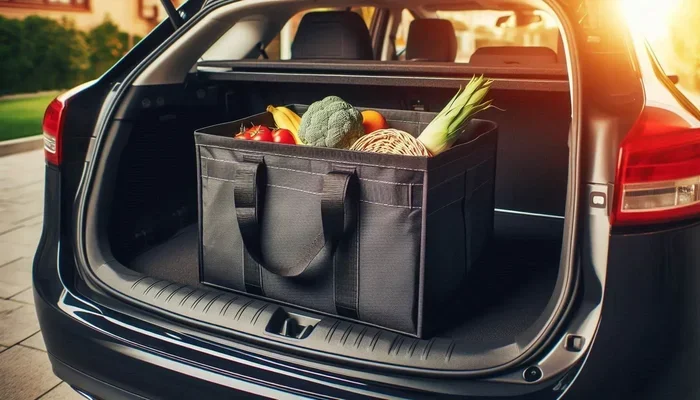
Insulated grocery bags are a game-changer. They are affordable, reusable, and widely available. A good insulated bag can keep cold items at a safe temperature for up to two hours on its own. Add ice packs, and you extend that window significantly.
Look for bags with thick, thermal-lined interiors. Some bags come with removable liners that make washing easy. Keep a couple of reusable bags in your trunk at all times. You never know when an extra stop will come up.
Pack a Cooler for Longer Trips
If you know your groceries will sit in the car for more than an hour, invest in a portable cooler. A well-insulated cooler with ice packs can maintain safe temperatures for four to six hours. This is especially important for road trips, camping trips, or long days of shopping.
Pro tip: Pre-freeze your ice packs before you leave. Frozen gel packs last longer than loose ice and do not create a mess as they melt. Place frozen items at the bottom of the cooler and perishable items on top for the best cold air circulation.
Shop Smart to Reduce Car Time
One of the best ways to protect your groceries is to minimize the time they spend in the car. Plan your shopping trips strategically. Here are some ideas:
- Shop early in the morning when temperatures are cooler.
- Make grocery shopping your last errand of the day.
- Ask someone to meet you at the car with the keys so you can load up quickly.
- Keep a folding cart in your trunk to move bags faster from car to kitchen.
- Organize your shopping list by store sections to reduce time spent browsing.
Park in the Shade and Crack Windows
Where you park matters more than most people realize. A shaded parking spot can be 10 to 15 degrees cooler than a sun-exposed spot. Crack your windows slightly to allow airflow. These small steps can slow the temperature rise inside your car by a meaningful margin.
Do not rely on air conditioning if you leave the car running. If you step away from the vehicle, the AC will shut off. The interior will start heating up immediately.
Keep a Thermometer in Your Car
A small refrigerator thermometer costs just a few dollars and provides invaluable peace of mind. Place it in your cooler or insulated bag to monitor the temperature of your groceries. If the temperature rises above 40°F, you know you need to act fast.
Common Mistakes People Make with Grocery Storage
Even careful shoppers make mistakes. Here are the most common errors that lead to spoiled groceries and potential food safety issues.
Leaving Bags in the Trunk Overnight
This is one of the most common mistakes. You get home late, unload the groceries into the fridge tomorrow, and think nothing of it. But overnight temperatures in a trunk can swing dramatically. In summer, a trunk can reach 150°F. In winter, it can drop below freezing. Neither extreme is safe for perishable items.
Always unload groceries as soon as you get home. Make it a non-negotiable habit.
Ignoring the Smell and Texture Test
Many people rely on their senses to determine if food is still good. While this can work for some items, it is not foolproof. Harmful bacteria like Salmonella and Listeria do not always produce a noticeable smell or change in texture. Food can look and smell perfectly fine while still harboring dangerous pathogens.
When in doubt, throw it out. No meal is worth the risk of food poisoning.
Overloading the Cooler
A crowded cooler does not stay cold as long as a loosely packed one. Cold air needs to circulate around items to keep them at a safe temperature. Overpacking blocks airflow and creates warm pockets where bacteria can thrive.
Pack your cooler snugly but not tightly. Use newspaper or towels to fill gaps and maintain cold air circulation.
Forgetting About Residual Heat
Groceries that have been sitting on a hot store shelf or in a warm shopping cart carry residual heat. When you place them in an insulated bag or cooler, that heat can warm the surrounding items. This is especially true for large items like gallon jugs of milk or big bags of frozen vegetables.
Let hot items cool slightly before packing them into a cooler, or wrap them in a separate cloth to insulate them from cold items.
Expert Tips for Road Trips and Long Drives
Road trips and long drives present unique challenges for grocery storage. You cannot simply unload your groceries the moment you leave the store. Here is how to handle food safely on the road.
Pre-Trip Grocery Planning
Buy perishable items last before you hit the road. Pack them in a cooler with plenty of ice packs. Non-perishable snacks like nuts, granola bars, and dried fruit are great for the road and do not require temperature control.
Use Your Car’s Air Conditioning
If you are driving with the AC on, your cabin stays at a safe temperature. Keep perishable items in the cabin, not the trunk. The trunk does not benefit from the car’s air conditioning system.
Stop Frequently on Long Trips
On road trips longer than four hours, plan stops to check your cooler. Add ice if needed. Rearrange items so the warmest ones are accessed first. This keeps your food at a consistent safe temperature throughout the journey.
Know Where to Refill Ice
Gas stations, grocery stores, and rest stops often sell bags of ice. Keep a few dollars in your car specifically for this purpose. A quick ice refill can extend your cooler’s effectiveness by hours.
When to Toss Groceries Instead of Using Them
Food safety should never be taken lightly. Certain situations clearly indicate that groceries have been compromised and should be discarded immediately.
Toss groceries if:
- Raw meat or poultry has been above 40°F for more than two hours (or one hour above 90°F).
- Dairy products have been left unrefrigerated overnight.
- Frozen items have completely thawed and been refrozen.
- Seafood has been sitting in a warm car for more than one hour.
- You notice an unusual odor, color change, or slimy texture on any food.
- Canned goods have bulged, leaked, or rusted severely.
Remember that foodborne illness can cause serious health problems. Vomiting, diarrhea, fever, and stomach cramps are common symptoms of food poisoning. In severe cases, hospitalization may be required. The cost of replacing a few dollars worth of groceries is nothing compared to the cost of a hospital visit.
Conclusion
The answer to how long groceries can sit in a car without spoiling comes down to three things. Temperature, time, and food type. The general rule is two hours in normal temperatures and one hour when it is above 90°F. Frozen items and raw proteins have even shorter safe windows. Using insulated bags, coolers, and ice packs can extend these timelines and keep your food safe.
Good food safety habits start with awareness. Understanding the risks and taking simple precautions can protect your health and reduce food waste. Always unload your groceries promptly. Plan your trips to minimize car time. And when you are unsure about a food item, trust your instincts and toss it.
Your groceries are an investment in your health and well-being. Treat them with care, and they will nourish you safely. A few minutes of attention at the grocery store and in your car can save you hours of discomfort and potentially serious illness. Stay mindful, stay prepared, and keep your food fresh.