Can You Tell If a Starter Is Going Bad with These Signs
Knowing the signs of a bad starter can save you from unexpected breakdowns and costly repairs. A failing starter motor often gives clear warning signals, from clicking sounds to slow cranking, that every car owner should recognize. This guide walks you through the most common starter symptoms, what causes them, and how to address the problem before it leaves you stranded.
Your car relies on a small but mighty component to get the engine running every single time you turn the key. That component is the starter motor, and when it starts to fail, it can cause all kinds of frustrating problems. The good news is that a bad starter rarely fails without warning. There are clear signs and symptoms that tell you something is wrong long before the starter completely gives out.
Whether you hear a clicking sound when you turn the ignition or notice your engine cranking slowly, these are your car’s way of asking for help. Understanding what to listen for and what to look for can save you time, money, and a lot of stress. In this guide, we break down every sign of a failing starter in plain language so you can take action before you get stranded.
If you have ever been in a parking lot trying to start your car and heard nothing but a rapid clicking, you know how alarming it can feel. That moment of panic is exactly why learning about starter symptoms matters. Let’s dive into the details so you can spot the problem early and keep your car running smoothly.
Key Takeaways
- Listen for clicking or grinding noises: These are the most common signs of a bad starter and should never be ignored.
- Slow or no cranking means trouble: If your engine turns over sluggishly or not at all, the starter motor may be failing.
- Intermittent starting issues point to electrical problems: Corroded connections or a worn solenoid can cause unpredictable behavior.
- You can perform basic starter diagnostics at home: Simple tests help you confirm whether the starter is the real culprit.
- Replacing a starter is often more affordable than you think: Understanding the starter repair cost helps you budget and avoid overspending.
- Early detection prevents bigger damage: Catching starter problems early protects your engine and other components.
📑 Table of Contents
What Does a Starter Do and Why Does It Matter?
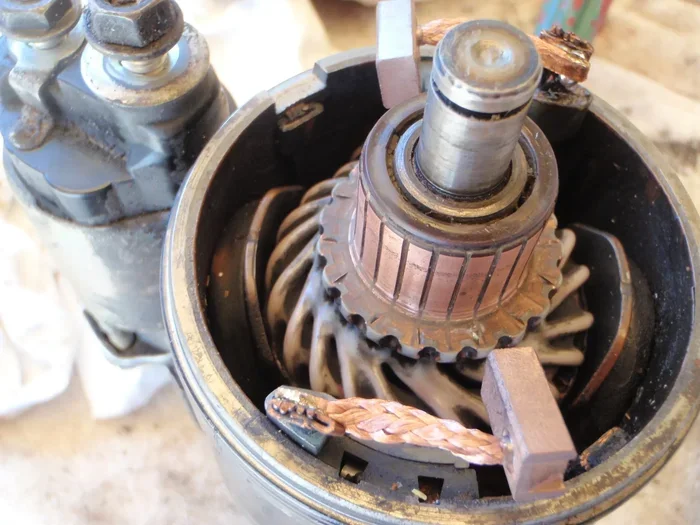
The starter motor is a small electric motor that engages with your engine’s flywheel to crank it over. Without a working starter, your engine simply will not turn on. Think of it as the push that gets everything else going. The starter works alongside the ignition switch and your car’s battery to create the electrical pathway needed to start the engine.
When you turn your key or press the start button, a signal goes to the starter solenoid. The solenoid then pushes the starter gear into contact with the flywheel. The motor spins, the engine turns over, and your car comes to life. It all happens in seconds. But when any part of this system wears out or fails, the whole process breaks down.
Several factors can lead to starter motor failure. Wear and tear over time is the most common cause. But other issues like corroded wires, loose electrical connections, or even putting too much weight in your car can strain the electrical system and contribute to starter problems. Understanding the root cause helps you choose the right fix.
The Most Common Signs of a Bad Starter
Your car gives you plenty of warning before a starter completely dies. The key is knowing what to look for. Here are the most common signs that your starter motor is on its way out.
Clicking Sound When You Turn the Key
A single loud click or a rapid series of clicks is one of the most recognizable starter symptoms. When you turn the ignition and hear clicking but the engine does not crank, the starter motor is likely engaging but failing to turn the engine over. This usually points to a worn starter or a corroded battery terminal that is not delivering enough power.
Sometimes the clicking happens only occasionally. This intermittent starting behavior can be especially tricky because it makes the problem hard to predict. You might start your car fine one day and hear nothing but clicks the next.
Grinding Noise During Startup
A grinding or whining noise when you try to start the car is another red flag. This sound usually means the starter gear is not meshing properly with the flywheel. Over time, the teeth on both the starter gear and the flywheel can wear down, causing a grinding contact that damages both parts.
If you ignore a grinding noise, the damage can spread. What starts as a minor starter repair can turn into a much more expensive fix if the flywheel gets damaged too. Have the grinding checked as soon as you notice it.
Slow Cranking or No Cranking at All
When your engine turns over slowly or not at all, a bad starter is often to blame. A healthy starter spins the engine quickly and smoothly. If you notice the engine cranking sluggishly, the starter motor may be losing power. This can happen due to worn internal components or weak electrical connections that are not supplying enough current.
Before assuming the starter is the problem, rule out a dead battery. A dimming lights dashboard when you turn the key can point to a battery issue rather than a starter problem. But if the battery tests fine, the starter is the likely culprit.
Smoke or Burning Smell
If you see smoke or smell something burning when you try to start the car, stop immediately. This is a serious sign of an overheating starter motor. Continued attempts to start the car can cause further damage to the electrical system and even pose a safety risk.
A burning smell often comes from the starter’s electrical wires overheating. This can happen when the starter stays engaged too long or when there is a short circuit in the wiring. Tow the car to a mechanic if you notice smoke or a persistent burning odor.
Starter Stays On After the Engine Starts
In a properly functioning system, the starter disengages once the engine starts running. If the starter keeps running after the engine fires up, the starter solenoid may be stuck. This can cause damage to both the starter and the flywheel if not addressed quickly.
This problem sometimes feels like a loud grinding that continues after the engine is running. It is not something you should ignore. A stuck starter can quickly wear down the flywheel teeth and create additional repair costs.
How to Diagnose a Failing Starter at Home
You do not need to be a professional mechanic to check whether your starter is the problem. A few simple tests can help you confirm the diagnosis and give you confidence before visiting a repair shop.
The Headlight Test
Start by turning on your headlights. If the lights are bright and normal, your battery likely has enough charge. Next, try to start the car. If the headlights dim significantly or go out when you turn the key, the starter is drawing too much power. This test gives you a quick way to narrow down the problem.
The Tap Test
This old-school trick can sometimes revive a stuck starter. With the key in the ignition, have someone gently tap the starter motor with a wrench or hammer while you try to start the car. The vibration can sometimes free a stuck component and get the starter working again temporarily.
Do not hit the starter hard. A gentle tap is all you need. This trick works because the internal components of the starter can sometimes stick due to corrosion or worn brushes. It is not a permanent fix, but it can get you to a repair shop safely.
Check the Electrical Connections
Loose or corroded wires can mimic the symptoms of a bad starter. Pop the hood and inspect the cables connected to the starter motor. Look for green or white buildup on the terminals, which is a sign of corrosion. Clean the terminals with a wire brush and tighten any loose connections.
If you have ever tried to do your own car diagnostics, you know that checking electrical connections is one of the easiest and most overlooked steps. A simple cleaning and tightening job can sometimes solve starting problems without any replacement needed.
Use a Multimeter to Test Voltage
A multimeter is a handy tool for any car owner. Set it to measure voltage and test the battery and starter connections. A healthy battery should read around 12.6 volts. When you try to start the car, the voltage should not drop below 10 volts. If it drops significantly lower, the starter may be drawing too much current due to internal wear.
What Causes a Starter to Go Bad?
Understanding what leads to starter motor failure can help you prevent it. Several common causes contribute to a bad starter, and knowing them gives you a better chance of catching problems early.
Wear and Tear Over Time
Like all car parts, the starter motor has a limited lifespan. Over years of use, the internal brushes and gears wear down. Eventually, the motor loses its ability to generate enough power to turn the engine over. Most starters last between 100,000 and 150,000 miles, but driving conditions can shorten that lifespan significantly.
Corroded or Damaged Wiring
Corrosion on the electrical connections is one of the most common causes of starter problems. Moisture, road salt, and age can all cause wires to corrode. When the electrical pathway is weakened, the starter does not receive the full current it needs to operate properly.
Regularly inspecting your engine bay for signs of corrosion can help you catch this issue early. Simply cleaning the terminals and ensuring tight connections can keep the electrical system in good shape for years.
Oil Leaks and Contamination
Oil leaks that reach the starter motor can cause serious damage. Oil contaminates the internal components and prevents the motor from spinning freely. If you notice oil pooling near the starter, addressing the leak should be a priority.
Blown Fuse or Faulty Relay
Sometimes the problem is not the starter itself but the electrical components that control it. A blown fuse or a faulty starter relay can prevent the starter from receiving the signal it needs to engage. These smaller components are much cheaper and easier to replace than the starter motor itself.
Extreme Temperatures
Both extreme heat and extreme cold can stress your starter motor. Cold weather thickens the engine oil, making the engine harder to turn over. This puts extra strain on the starter. Hot weather can cause internal components to expand and wear faster. Driving in harsh conditions shortens the life of your starter.
Starter Repair Cost and Replacement Options
When a starter motor fails, the question most car owners ask is how much it will cost to fix. The good news is that starter replacement cost is often more reasonable than people expect.
On average, replacing a starter motor costs between 300 and 500 dollars, including parts and labor. The starter part itself usually runs between 100 and 250 dollars, depending on your vehicle make and model. Labor costs make up the bulk of the expense, since accessing the starter can be time-consuming in some vehicles.
Some car owners choose to replace the starter themselves to save on labor costs. If you are comfortable working under your car and have basic tools, a DIY replacement is very doable. Just remember to disconnect the battery before starting any work on the electrical system.
If you prefer professional help, many local mechanics offer free or low-cost diagnostics. Getting a second opinion before committing to a full starter replacement is always a smart move. Sometimes what feels like a bad starter turns out to be a simple wiring issue that costs much less to fix.
Preventing Starter Problems Before They Start
While you cannot prevent every starter problem, you can take steps to extend the life of your starter motor and reduce the chances of unexpected failure.
- Keep your battery terminals clean: Corrosion is one of the leading causes of starter issues. Clean the terminals every few months.
- Avoid turning the key repeatedly: If the car does not start, wait at least 10 seconds between attempts. Repeated tries overheat the starter.
- Check for oil leaks regularly: Inspect under your car for signs of leaks that could reach the starter motor.
- Listen for unusual sounds: Any new clicking, grinding, or whining noise deserves attention right away.
- Have your electrical system inspected annually: A professional check-up can catch weak connections and failing components before they leave you stranded.
Taking care of your car’s electrical system is just as important as changing the oil or rotating the tires. A few small habits can keep your starter running strong for many years to come.
When to See a Professional
While basic diagnostics can be done at home, some situations call for a professional mechanic. If you have confirmed that the battery is healthy but the car still will not start, the starter is likely the problem. A mechanic can perform a more thorough inspection and recommend the right course of action.
If you notice smoke, a burning smell, or a loud grinding that does not go away, do not keep driving the car. These are signs of serious electrical or mechanical issues that can worsen quickly. Towing the vehicle to a repair shop is the safest option in these cases.
Many auto parts stores also offer free starter testing. You can bring your car in, and they will test the starter and charging system on the spot. This is a great first step if you are not sure whether the starter is the real problem.
Remember that ignoring starter symptoms can lead to bigger problems. A weak starter puts extra strain on the engine and battery, which can lead to additional failures down the road. Addressing the issue early is always the smartest move.
Final Thoughts
Knowing how to tell if a starter is going bad empowers you as a car owner. The signs are there, and they are usually obvious once you know what to listen for. From clicking sounds to slow cranking, your car communicates its needs clearly. Paying attention to these signals can save you from unexpected breakdowns and expensive repairs.
Regular maintenance and quick attention to warning signs go a long way in keeping your starter healthy. Whether you handle the diagnosis yourself or visit a professional, the most important step is taking action as soon as you notice something is wrong. Your starter is a small part that plays a huge role in getting you where you need to go every day.
Stay proactive, stay informed, and keep your car running at its best. A little attention today can prevent a big headache tomorrow.
Frequently Asked Questions
Can a bad starter drain your battery?
Yes, a failing starter can draw excessive power from the battery, especially when it struggles to engage properly. Repeated attempts to start the car with a bad starter can leave your battery too weak to hold a charge. If your battery keeps dying, the starter might be the hidden cause.
How long does a starter motor typically last?
Most starter motors last between 100,000 and 150,000 miles under normal driving conditions. However, factors like extreme temperatures, oil leaks, and frequent short trips can shorten that lifespan significantly. Regular maintenance helps you get the most miles out of your starter.
Can you drive with a bad starter?
You cannot start your car with a completely dead starter, which means you cannot drive it at all. If the starter is intermittent, you might get lucky a few times, but relying on a failing starter is risky. It is best to address the issue before it leaves you stranded.
Is a clicking sound always a sign of a bad starter?
Not always. A single click can also indicate a dead battery or a faulty ignition switch. However, rapid clicking is most commonly associated with a bad starter or insufficient electrical power reaching the motor. Testing the battery first helps you narrow down the cause.
How much does it cost to replace a starter?
The average starter replacement cost ranges from 300 to 500 dollars, including both parts and labor. The starter part itself typically costs between 100 and 250 dollars. Labor costs vary depending on your vehicle model and how accessible the starter is in the engine bay.
Can cold weather cause starter problems?
Yes, cold weather thickens engine oil and reduces battery efficiency, both of which put extra strain on the starter motor. In freezing temperatures, a weak starter may struggle to turn over the engine. Keeping your battery charged and the electrical system well-maintained helps reduce cold-weather starting issues.
=== CONCLUSION ===
Learning to tell if a starter is going bad is one of the most valuable skills any car owner can develop. The signs are clear once you know what to look for, and catching them early can save you from unexpected breakdowns and expensive repairs. From clicking sounds and slow cranking to grinding noises and burning smells, your car gives you plenty of warning.
Take the time to understand your vehicle’s starting system. Perform simple checks at home, keep your electrical connections clean, and never ignore unusual sounds. A little attention goes a long way toward keeping your car reliable and ready to go whenever you need it.