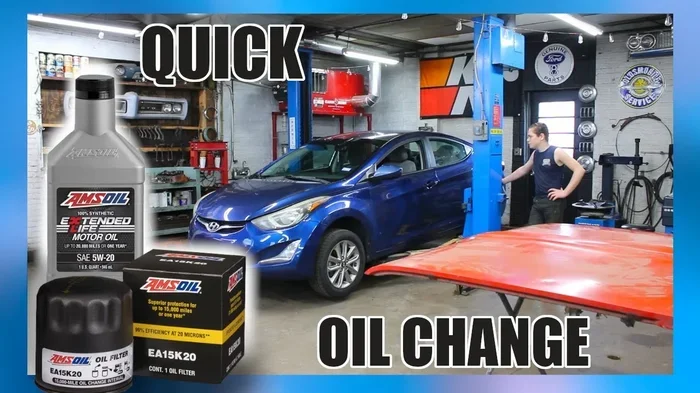
Can an Oil Change Really Be Done in Just 10 Minutes
An oil change can be done in 10 minutes, but it depends on several key factors. The speed of your oil change relies on your experience level, the type of vehicle you drive, and whether you visit a quick lube shop or do it yourself at home. This guide covers everything you need to know about speeding up your next oil change without cutting corners.
Let us get one thing straight. You have somewhere to be. Your car needs an oil change. And you are wondering if you can get it done in 10 minutes flat. The short answer is yes. But the full answer is a bit more interesting than that. An oil change can be done in 10 minutes under the right conditions. But several factors play a role in how fast the process goes. Let us break it all down for you.
Your engine oil is the lifeblood of your car. It keeps all the moving parts lubricated. It reduces friction. It prevents overheating. Over time, that oil breaks down. It gets dirty. It loses its effectiveness. That is why regular oil changes matter so much. Skipping them can lead to serious engine damage. And nobody wants that kind of repair bill.
Whether you are a seasoned DIYer or a first-timer, understanding how long an oil change takes can help you plan your day. It also helps you set realistic expectations. So let us dive into the details. We will cover everything from the basic steps to the factors that affect timing. You will walk away knowing exactly what to expect.
Key Takeaways
- Quick oil changes are possible: Professional lube shops can complete an oil change in as little as 10 to 15 minutes.
- DIY oil changes take longer: First-timers should expect 30 to 45 minutes, but experienced car owners can do it in 20 minutes.
- The type of oil matters: Synthetic oil changes may cost more but often require fewer steps than conventional oil.
- Preparation saves time: Having all tools and materials ready before you start cuts down on delays significantly.
- Safety should never be rushed: Even if you want a fast oil change, never skip safety steps like jack stands and proper disposal.
- Regular oil changes protect your engine: Sticking to your maintenance schedule keeps your engine running smoothly for years.
📑 Table of Contents
- What Happens During an Oil Change
- Can an Oil Change Really Be Done in 10 Minutes
- Factors That Affect Oil Change Timing
- How to Speed Up Your Oil Change
- How Long Does an Oil Change Really Take
- Common Oil Change Mistakes to Avoid
- How Often Should You Change Your Oil
- Final Thoughts on the 10-Minute Oil Change
What Happens During an Oil Change
Before we talk about timing, let us understand what actually happens during an oil change. The process is straightforward. But each step matters. Here is a quick look at the basic procedure.
Step 1: Warming Up the Engine
Most mechanics start by running the engine for a few minutes. Warm oil flows faster. This makes draining it out much easier. Cold oil is thick and sticky. It drains slowly. So warming up the engine is a smart first move.
Step 2: Lifting the Vehicle
Next, the car gets lifted. This is done using a jack or a lift. Safety comes first here. Never skip this step. If you are doing a DIY oil change at home, always use jack stands. They hold the car in place while you work underneath.
Step 3: Draining the Old Oil
The drain plug is removed from the oil pan. The old oil flows out into a drain pan. This step usually takes about 5 to 10 minutes. The time depends on the oil temperature and the size of your engine.
Step 4: Replacing the Oil Filter
While the oil is draining, the old oil filter gets removed. A new filter is installed in its place. This is a key part of the process. A clogged filter can reduce oil flow. It can also hurt your engine over time.
Step 5: Adding New Oil
Once the drain plug is tightened back up, fresh oil gets added. The amount and type depend on your vehicle. Check your owner manual for the right specifications. This step is quick and simple.
Step 6: Checking for Leaks
After adding the new oil, the engine is started. The mechanic checks for leaks around the drain plug and oil filter. Everything looks good? The job is done.
Can an Oil Change Really Be Done in 10 Minutes
Now for the big question. Can an oil change really be done in just 10 minutes? The honest answer is yes. But with a few important caveats. A professional quick lube shop has the tools. They have the experience. They have everything ready to go. For them, a standard oil change is a routine task.
At a busy quick lube location, the process is streamlined. The staff has all the equipment at hand. They know exactly what to do. No wasted movements. No searching for tools. This is why a quick oil change at a shop often takes less than 15 minutes.
However, if you are doing this at home, 10 minutes is very ambitious. Even experienced DIYers need at least 20 to 30 minutes. And if you have never changed your oil before, give yourself an hour. There is no shame in that. Learning takes time.
The key takeaway here is this. A 10 minute oil change is possible. But it depends on who is doing it and where. Let us look at the factors that affect timing more closely.
Factors That Affect Oil Change Timing
Not all oil changes are created equal. Several factors can make the process faster or slower. Understanding these helps you plan better. It also helps you avoid frustration.
Your Experience Level
This is the biggest factor. A professional mechanic has done thousands of oil changes. They know every step by heart. For a first-timer, things take longer. You might fumble with the drain plug. You might struggle with a stubborn oil filter. That is completely normal.
If you have done a few oil changes before, you get faster. Practice makes perfect. After a couple of tries, you will know exactly what to do. You will be able to complete an oil change in 20 to 25 minutes.
The Type of Vehicle
Different cars have different engine designs. Some vehicles make oil changes easier than others. A compact sedan usually has a simple setup. The oil pan is easy to access. The oil filter is straightforward to replace.
On the other hand, some SUVs and trucks have tight engine bays. The drain plug might be hard to reach. The oil filter might be in an awkward spot. These factors add time to the process. If you are unsure about your vehicle, check with a mechanic or look up a DIY oil change guide for your specific model.
The Type of Oil You Use
The kind of oil you choose also matters. Conventional oil is the most common. It is widely available and affordable. Synthetic oil offers better performance. It lasts longer between changes. But switching to synthetic oil does not significantly change the time it takes to perform the change.
What does matter is the oil viscosity. Thicker oils like 10W-40 drain a bit slower than thinner ones like 5W-30. This is a small difference. But it adds up. If you want the fastest possible drain time, check your manual for the recommended oil viscosity grade.
Shop vs. Home
This is an obvious one but worth mentioning. A professional shop has hydraulic lifts, specialized tools, and a fast workflow. You can walk in and walk out in 15 minutes or less. At home, you are working on the ground or with a basic jack. The setup alone can add 10 minutes to your total time.
Also consider the environment. At a shop, everything is clean and organized. At home, you might be working in a garage with limited space. These small things add up.
Additional Services
Many oil change services include extra checks. The technician might check your tire pressure. They might top off your washer fluid. Some shops do a quick inspection of your brakes and belts. These extras add a few minutes. But they are worth it. They help you stay on top of your car maintenance schedule.
If you want a pure oil change with no extras, let the shop know upfront. This keeps the process fast and focused.
How to Speed Up Your Oil Change
Whether you are going to a shop or doing it yourself, there are ways to speed things up. Here are some practical tips that really work.
Gather Everything Before You Start
Nothing kills momentum like having to stop and find a tool. Before you begin, make sure you have everything ready.
- New engine oil (check your manual for the right amount and type)
- A new oil filter
- A drain pan for the old oil
- A wrench for the drain plug
- An oil filter wrench
- Jack stands or a lift
- Disposable gloves and rags
Having all your supplies laid out saves precious minutes. It also keeps you from making mistakes. There is nothing worse than realizing you forgot something halfway through.
Warm Up Your Engine
We mentioned this earlier, but it deserves its own spotlight. Running your engine for 3 to 5 minutes before you start the oil change makes a big difference. The warm oil flows much faster. It drains more completely. This simple step can save you 5 to 10 minutes of waiting time.
Use the Right Tools
Using the correct size wrench makes a huge difference. An ill-fitting wrench slips and strips bolts. That is a nightmare nobody wants. Invest in a good oil filter wrench too. It makes removing the old filter much easier.
Work on a Level Surface
This might sound minor, but it matters. If your car is on a slope, the oil might not drain properly. You could end up with oil pooling on one side. Working on a flat surface ensures a clean and complete drain.
Dispose of the Old Oil Properly
Do not skip this step. Used engine oil is a hazardous material. Take it to a recycling center or an auto parts store that accepts used oil. Proper disposal is part of responsible car ownership. It might add a few minutes to your trip, but it is the right thing to do.
How Long Does an Oil Change Really Take
Let us put some numbers on the table. Here is a realistic breakdown of oil change timing based on different scenarios.
- Professional quick lube shop: 10 to 15 minutes
- Dealership service center: 20 to 30 minutes
- DIY by an experienced car owner: 20 to 30 minutes
- DIY by a first-timer: 45 minutes to 1 hour
As you can see, the range is wide. But the most common answer is that a standard oil change takes about 15 to 30 minutes. Ten minutes is achievable, but mostly at a professional shop during a slow period.
If you have ever wondered about other quick car maintenance tasks, you might be interested to know that you can also do your own car diagnostics with the right tools. Many modern cars have onboard diagnostic systems that give you real-time data about your engine health. Checking your oil is just one part of staying on top of your vehicle.
Similarly, if you are already under your car for an oil change, it might be a good time to check your splash guards. You can even install splash guards yourself with basic tools and a little patience. It is a simple task that protects your car from road debris and mud.
And while we are on the topic of car care, it is worth noting that using the wrong fuel can also cause problems. If you have ever wondered about fuel types, check out whether you can put 88 octane in my car for guidance on choosing the right fuel for your engine.
Common Oil Change Mistakes to Avoid
Even a simple task like an oil change has pitfalls. Here are some common mistakes that people make. Avoiding these keeps your car safe and your oil change efficient.
Forgetting to Replace the Drain Plug Gasket
The drain plug has a small gasket that prevents leaks. If you do not replace it or forget to reinstall it, you will have an oil leak. This is an easy mistake to make. Always check the gasket before you tighten the plug back in.
Over-Tightening the Drain Plug
Too much force can strip the threads. It can also crack the oil pan. Both problems lead to expensive repairs. Hand-tighten the plug first, then give it a quarter turn with a wrench. That is all you need.
Using the Wrong Oil
Not all oils are the same. Your car needs a specific type and viscosity. Using the wrong oil can reduce engine performance. It can also void your warranty. Always check your owner manual before you buy oil.
Skipping the Oil Filter
Some people think they can just drain the oil and call it a day. That is a big mistake. The oil filter catches contaminants. Without a fresh filter, the new oil gets dirty fast. Always replace the filter with every oil change.
Not Checking the Oil Level Afterward
Once you have added the new oil, check the level with the dipstick. Too little oil is bad. Too much oil is also bad. Both can cause engine problems. Take a minute to verify the level is correct.
How Often Should You Change Your Oil
The old rule of changing oil every 3,000 miles is outdated for most modern cars. Today, many vehicles can go 5,000 to 7,500 miles between changes. Some cars with synthetic oil can even go 10,000 miles.
Your owner manual is the best source for this information. Follow the manufacturer’s recommended oil change interval. If you drive in severe conditions, you might need to change your oil more often. Severe conditions include stop-and-go traffic, extreme heat, and heavy towing.
Regular oil changes are one of the cheapest ways to protect your engine. A small investment now can save you thousands in repairs later. It is one of the easiest forms of preventive maintenance you can do.
Final Thoughts on the 10-Minute Oil Change
So can an oil change be done in 10 minutes? Yes, it can. But context matters. A professional at a quick lube shop can do it in that time. A DIYer at home will likely need a bit longer. The important thing is that you do it. Do not skip your oil change because you are short on time.
Your engine depends on clean oil. Dirty oil leads to friction. Friction leads to heat. Heat leads to engine wear. Over time, this can cause serious and costly damage. A quick oil change is one of the best things you can do for your car.
Whether you visit a shop or do it yourself, the goal is the same. Keep your engine healthy. Keep your car running strong. And keep your maintenance schedule on track. A few minutes of your time today can save you hours of trouble tomorrow.
Next time someone asks you, “Can an oil change really be done in just 10 minutes?” you will know the answer. You will also know what it takes to make that happen. So go ahead. Schedule your oil change. Your engine will thank you for it.
Frequently Asked Questions
Is 10 minutes enough time for an oil change at a shop?
Yes, 10 minutes is enough time at a professional quick lube shop. These shops are designed for speed and efficiency. They have all the tools and supplies ready to go. During busy hours, it might take a bit longer, but 10 to 15 minutes is standard for a basic oil change at most lube shops.
Can I change my oil myself in 10 minutes?
It is possible but unlikely if you are new to DIY car maintenance. Experienced car owners who have done the process multiple times can sometimes finish in about 20 minutes. For first-timers, plan for at least 30 to 45 minutes. Give yourself extra time to learn and avoid mistakes.
What type of oil change is the fastest?
A standard conventional oil change at a quick lube shop is the fastest option. Synthetic oil changes take about the same amount of time but cost more. The speed depends more on the shop’s workflow and equipment than the type of oil used. Either way, a professional shop can handle both quickly.
Do I need special tools for a DIY oil change?
You need a few basic tools. A wrench for the drain plug, an oil filter wrench, a drain pan, and jack stands are the essentials. You also need the correct oil and a new filter for your vehicle. You do not need any fancy or expensive equipment. Most of these tools are available at any auto parts store.
How can I find a fast oil change near me?
Look for quick lube shops or chain service centers in your area. Many offer online scheduling and real-time wait times. You can also check reviews for speed and efficiency. If you want to combine your oil change with other tasks, consider a full-service dealership or a trusted local mechanic.
What happens if I skip my oil change?
Skipping oil changes leads to dirty, degraded oil. Old oil loses its ability to lubricate the engine properly. This causes increased friction, heat buildup, and wear on engine components. Over time, it can lead to engine failure. Regular oil changes are one of the simplest and most important things you can do for your car’s longevity.
=== CONCLUSION ===
An oil change really can be done in just 10 minutes, especially at a professional quick lube shop. But the exact time depends on your experience, your vehicle, and where you get the service done. The key is to never rush safety for speed. Always use proper equipment, dispose of old oil responsibly, and follow the correct procedure every time.
Whether you prefer a quick trip to the lube shop or a weekend DIY project in your garage, staying on top of your oil changes is essential. It is one of the simplest yet most impactful things you can do for your car. Keep your engine happy, and your car will keep running strong for miles to come.