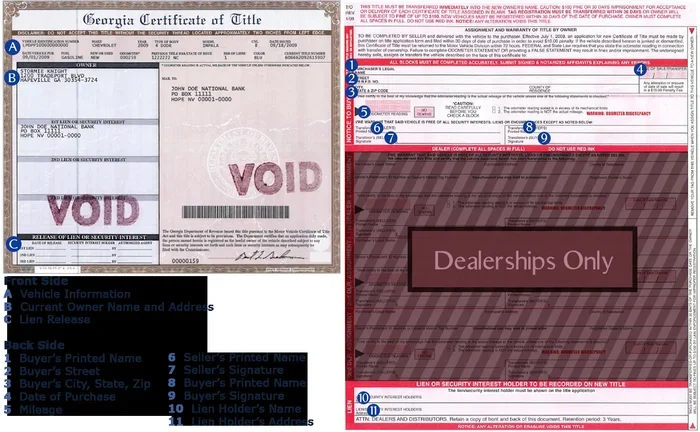
How Can I Get a Replacement Title for My Car Today
Getting a replacement title for your car is simpler than you think. Whether you lost your certificate of title, damaged it, or never received it, you can apply for a duplicate through your state DMV or online portal. This guide walks you through every step, from required documents to fees and processing times.
Losing your car title can feel like a small crisis. You need it for sales, registrations, and loans. The good news is that getting a replacement title for car is a straightforward process. Every state has a system in place to help you get a duplicate certificate of title without too much hassle. Whether you misplaced the paper, it got damaged in a flood, or you never received it after purchasing the vehicle, you have options. This guide covers everything you need to know about obtaining a replacement car title quickly and correctly.
Many people assume they need to jump through hoops to get a new title. In reality, the process is more accessible than most drivers think. You do not need a lawyer or a special connection. You just need the right information and a bit of patience. Let us walk through the entire process step by step, so you can get back on the road with confidence.
Key Takeaways
- You can apply online, by mail, or in person: Most states offer multiple ways to request a replacement car title.
- You will need proof of identity and vehicle details: Your VIN, registration, and a valid ID are typically required.
- Fees vary by state: Expect to pay between $10 and $30 for a duplicate title application.
- Processing times differ: Standard processing takes 2-6 weeks, but expedited services can speed things up.
- A lienholder may be involved: If your car has an outstanding loan, the lender must sign off on the title transfer.
- You can avoid common mistakes: Double-checking your application prevents delays and rejections.
📑 Table of Contents
- What Is a Car Title and Why Does It Matter?
- How to Get a Replacement Title for Your Car
- Documents You Will Need for a Replacement Title
- How Long Does It Take to Get a Replacement Title?
- Common Mistakes That Delay Your Replacement Title
- What If Your Car Has a Lien on the Title?
- Can You Sell or Trade a Car Without a Title?
- Title Replacement Costs by State
- Tips to Keep Your Car Title Safe in the Future
- Frequently Asked Questions
- Conclusion
What Is a Car Title and Why Does It Matter?
A car title is a legal document that proves vehicle ownership. It contains important details like the vehicle identification number, the owner’s name, and any lienholder information. Without a valid title, you cannot sell your car, register it in a new state, or use it as collateral for a loan. Think of it as the birth certificate for your vehicle.
There are different types of titles too. A clean title means the vehicle has no major damage history. A salvage title means the car was declared a total loss at some point. An electronic title is a digital version stored by the state DMV. No matter which type you hold, losing it creates an immediate problem. That is why knowing how to get a replacement title for car quickly matters so much.
Why Titles Get Lost or Damaged
Titles get lost for all kinds of reasons. People move homes and misplace them during the chaos. Others keep them in the glove box, which is not the safest spot. Floods, fires, and spills can destroy the physical document entirely. Sometimes the DMV simply never mailed the original title after a purchase. Whatever the cause, the solution is the same: you need a duplicate title application.
How to Get a Replacement Title for Your Car
The process for getting a replacement title for car depends on your state, but the general steps are very similar across the country. Here is a breakdown of the most common methods.
Option 1: Apply Online Through Your State DMV Portal
Many states now let you request a duplicate title online. This is the fastest and most convenient method. You will need a computer or smartphone, your VIN, your driver’s license number, and a payment method for the title fees. The online portal will guide you through each step.
Here is what the online process typically looks like:
- Visit your state DMV website and find the duplicate title section.
- Enter your VIN and personal information.
- Verify your identity through security questions or a code.
- Pay the replacement title fee online.
- Receive confirmation and wait for the new title to arrive by mail.
Not every state offers online title replacement yet. Check your local DMV site to see if this option is available. If it is, this is definitely the easiest path to a replacement car title.
Option 2: Apply by Mail
If online replacement is not available in your state, applying by mail is the next best option. You will need to download and fill out a duplicate title application form. Most states provide this form on their DMV website. You will also need a copy of your photo ID, proof of vehicle registration, and a check or money order for the fee.
Make sure you sign the application in front of a notary if your state requires it. Some states also need a notarized affidavit explaining why you need the replacement. Once you mail everything in, you should receive your new certificate of title within 4 to 6 weeks.
Option 3: Apply In Person at Your Local DMV Office
Visiting the DMV in person gives you the fastest turnaround in most cases. You can walk out with a temporary receipt and sometimes even receive the new title the same day. Bring your valid photo ID, your VIN, your registration, and payment for the fee.
Before you go, call your local office to check what documents they need. Requirements vary by state. Some offices let you replace a lost title on the spot, while others need a few days to process the request. Either way, going in person eliminates the risk of your application getting lost in the mail.
Documents You Will Need for a Replacement Title
Gathering the right documents before you start is the smartest thing you can do. Missing paperwork is the number one reason applications get delayed or rejected. Here is a checklist of what most states require for a replacement car title.
Proof of Identity
You need a valid government-issued photo ID. A driver’s license works in almost every state. A passport or state ID card also qualifies. Make sure your name matches the name on the vehicle registration. If you recently changed your name, bring a marriage certificate or court order to prove the connection.
Vehicle Information
You will need your vehicle identification number and the license plate number. Your car registration card usually has both of these. If you do not have your registration, you can look up the VIN on the dashboard near the windshield or on the driver’s side door jamb.
Proof of Ownership
If someone else owned the vehicle before you, you may need a bill of sale or the original title transfer document. If the car still has an outstanding loan, the lienholder must provide a release letter before the state will issue a new title. This is an important step that many people overlook when applying for a replacement title for car.
Payment for Title Fees
Every state charges a fee for duplicate titles. The cost typically ranges from $10 to $30, though some states charge more. Check your state DMV website for the exact amount. Most offices accept cash, check, money order, or credit card. Having the exact amount saved ahead of time speeds up the process.
How Long Does It Take to Get a Replacement Title?
Processing times vary depending on how you apply and which state you live in. Here is a general breakdown:
- Online applications: 2 to 4 weeks for delivery by mail.
- Mail applications: 4 to 6 weeks, sometimes longer during peak periods.
- In-person applications: Same day in some states, or 1 to 2 weeks for others.
- Expedited title service: Available in many states for an additional fee, reducing wait times to 3 to 7 business days.
If you need the title urgently, look into expedited options. Many DMVs offer rush processing for an extra charge. This can be a lifesaver if you are trying to sell the car or register it before a deadline. Just remember that even expedited service cannot bypass the required documentation.
Common Mistakes That Delay Your Replacement Title
Avoiding simple mistakes can save you weeks of frustration. Here are the most common errors people make when applying for a replacement car title.
Submitting Incomplete Applications
Leaving a field blank or forgetting to sign the form is the fastest way to get your application returned. Go through every section carefully before submitting. If a question does not apply to you, write “N/A” instead of leaving it empty.
Mismatched Names
Your name on the application must match your ID exactly. Even a small difference, like using “Bill” instead of “William,” can cause a rejection. Double-check every name field against your driver’s license and registration.
Using an Old VIN
Always use the current vehicle identification number. Do not rely on memory. Transposing even one digit will cause the DMV to reject your application. Find the VIN on your registration card or on the car itself.
Forgetting the Lienholder
If there is a lien on the vehicle, the lender must sign the replacement title or provide a lien release. Skipping this step will hold up the entire process. Contact your lender early to avoid this common pitfall.
What If Your Car Has a Lien on the Title?
A lien means a lender or financial institution holds the title until you pay off the loan. This is very common with car purchases. When you need a replacement title for car with an active lien, the process is slightly different.
First, contact your lender and ask them to release the lien or provide a signed letter confirming the loan status. Some lenders will issue a new title directly to you once the loan is paid off. Others will need to coordinate with the DMV. Either way, you cannot get a clean replacement title without the lienholder’s involvement.
If you are still making payments, the lender typically keeps the original title. In this case, you may receive a lienholder title with your name listed as the owner and the lender listed as the lienholder. When you eventually pay off the loan, the lender will send you a release document, and you can then apply for a clear certificate of title in your name alone.
Can You Sell or Trade a Car Without a Title?
Short answer: no. You need a valid title to legally transfer ownership of a vehicle. Without one, you cannot complete a sale at a dealership or sell privately. A buyer will not register the car in their name without the title.
If you need to sell your car urgently and do not have the title, get the replacement first. Most buyers will not wait for you to go through the title replacement process. They will simply move on to another vehicle. This is why it is smart to keep your title in a safe place, like a fireproof home safe or a secure digital copy.
If you are dealing with a situation involving repossession or bankruptcy, the title process can get more complicated. In cases where you are wondering about your rights, checking resources like can I get my car back after repossession or can I keep my car if I file Chapter 7 can provide helpful context on how ownership and titles intersect with financial situations.
Title Replacement Costs by State
Fees for a duplicate title vary widely. Here is a general comparison of what you might expect:
- Low-cost states: $10 to $15 for a standard replacement.
- Mid-range states: $15 to $25 for a duplicate title application.
- High-cost states: $25 to $50 or more, especially with expedited processing.
Some states also charge extra for lien releases or corrections. Always check your state DMV website for the most current fee schedule. Budgeting for the fee ahead of time prevents surprises when you reach the counter.
Tips to Keep Your Car Title Safe in the Future
Once you get your new replacement car title, take steps to protect it. Store the physical document in a secure location, such as a home safe or a locked filing cabinet. Avoid keeping it in the glove box where it can slide around or get damaged.
Consider taking a photo or scanning the title and saving it in a secure cloud folder. Many states now offer electronic titles that you can access through a mobile app. This digital backup ensures you always have a copy even if the physical document is lost or destroyed.
Finally, make it a habit to update your address with the DMV whenever you move. A title mailed to an old address is a title you will never receive. Staying current with your DMV records prevents future headaches and keeps your vehicle documentation in order.
Frequently Asked Questions
Can I get a replacement title if I do not have my registration?
Yes, in most states you can still apply for a replacement title for car without your registration. You will need your VIN and a valid photo ID instead. Check with your local DMV to confirm their specific requirements, as some states may ask for additional documentation.
How much does it cost to replace a lost car title?
Replacement title fees typically range from $10 to $30 depending on your state. Some states charge more for expedited processing. Visit your state DMV website for the exact fee before you apply. Having the exact amount ready speeds up the process significantly.
Can someone else apply for a replacement title on my behalf?
Yes, most states allow a power of attorney or a signed authorization letter. The person applying must provide their own ID along with your written permission. Requirements vary by state, so check with your local DMV office before sending someone else to handle the application.
What is the difference between a clean title and a salvage title?
A clean title means the vehicle has not been declared a total loss or involved in major damage. A salvage title means the insurance company declared the car a total loss at some point. You can still get a replacement car title for either type, but a salvage title may affect the vehicle’s resale value and insurance rates.
Can I drive my car while waiting for a replacement title?
Yes, you can still drive your car while your replacement title is being processed. Your registration and insurance are what matter for legal driving. However, you may need the title for certain transactions like selling or transferring ownership, so it is best to resolve the issue promptly.
What if my replacement title never arrives in the mail?
Contact your state DMV immediately if you do not receive your title within the expected timeframe. They can track the mailing and sometimes reissue the document. Keep your receipt and confirmation number from when you applied, as these will help the DMV locate your request quickly.
Conclusion
Getting a replacement title for car does not have to be stressful. With the right documents and the right approach, you can have a new replacement car title in hand within a few weeks. Whether you choose to apply online, by mail, or in person, the key is preparation. Gather your ID, your VIN, and your payment before you start. Avoid the common mistakes that delay applications, and consider expedited service if you are in a hurry.
Remember that your car title is one of the most important documents you own for your vehicle. Treat it with care, store it safely, and keep digital backups when possible. If you ever find yourself in a situation where your title is lost or damaged, you now know exactly what to do. Take action today, and you will have a clear path to proving your vehicle ownership whenever it matters most.