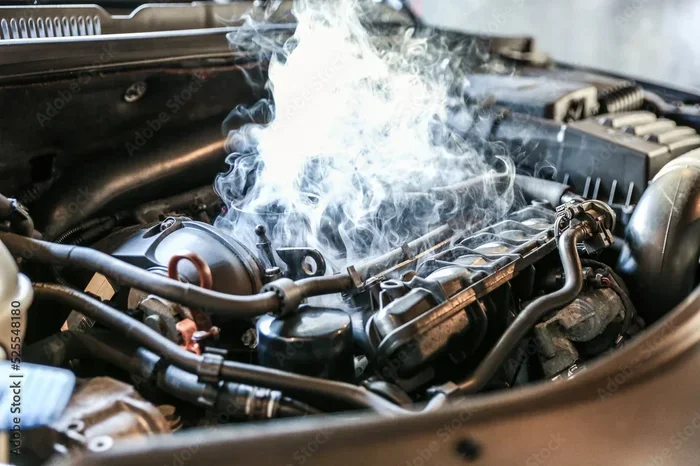
Why Does My Car Overheat When I Stop at Traffic Lights
Your car overheats at traffic lights because of cooling system failures, low coolant, or a broken radiator fan. Stop-and-go traffic puts extra stress on your engine, and when your cooling components can’t keep up, temperatures spike fast. Understanding the root cause helps you fix the problem early and avoid costly repairs. This guide covers every common reason your engine overheats when you stop and gives you practical steps to prevent it.
There’s nothing more frustrating than sitting at a red light and watching your temperature gauge climb into the red zone. You’re stopped, the engine is idling, and suddenly your car overheats at traffic lights. It’s a scary moment for any driver, and it can happen to almost any vehicle. The good news is that this problem is very common, and most causes are easy to fix once you know what to look for.
Stop-and-go traffic is tough on your engine. When you’re moving, airflow through the radiator keeps things cool. But when you stop, that natural cooling stops. Your engine relies on a few key parts to stay at the right temperature during those idle moments. When one of those parts fails, overheating follows quickly. In this article, we’ll walk through every major reason your car overheats when you stop, what warning signs to watch for, and exactly what you can do about it.
Key Takeaways
- Cooling fan failure is the #1 cause: Your radiator fan pushes air through the radiator when you’re stopped. If it breaks, your engine heats up fast at traffic lights.
- Low coolant is a silent killer: Even a small leak can drop your coolant level enough to cause overheating in stop-and-go traffic.
- Thermostat problems block coolant flow: A stuck thermostat prevents coolant from reaching the engine, causing rapid temperature spikes.
- AC use makes it worse: Running your air conditioning in traffic adds heat load to an already stressed engine.
- Regular maintenance prevents most issues: Simple checks like monitoring coolant levels and inspecting hoses can save you from expensive repairs.
- Know when to call a pro: Steam from the hood or a rising temperature gauge means stop driving and get help immediately.
📑 Table of Contents
- Why Your Car Overheats at Traffic Lights
- Top Causes of Overheating When Stopped
- How Your Cooling System Works in Stop-and-Go Traffic
- Warning Signs That Your Engine Is Overheating
- Quick Fixes and Preventive Tips
- When to See a Mechanic for Overheating Issues
- How to Keep Your Engine Cool in Heavy Traffic
- Common Mistakes Drivers Make When Their Car Overheats
- Key Takeaways
Why Your Car Overheats at Traffic Lights
Understanding why your engine runs hot when you’re stopped starts with knowing how your cooling system works. When you drive, air flows through the radiator and pulls heat away from the coolant. But when you stop, that airflow drops to nearly zero. Your engine still produces heat, so something else has to take over. That “something else” is your radiator fan and coolant circulation system.
When these systems aren’t working properly, your engine temperature rises fast during stops. The temperature gauge climbs, steam might start coming from under the hood, and you’re left wondering what went wrong. Let’s break down the most common reasons this happens.
The Idle Cooling Problem
At highway speeds, your engine stays cool thanks to constant airflow. But at idle, there’s no forward motion to push air through the radiator. Your cooling fan has to do all the work. If your fan is weak, broken, or not kicking on at the right time, your engine will overheat every time you come to a stop. This is the most frequent reason drivers experience overheating at traffic lights.
Stop-and-Go Traffic Stresses Your Engine
Heavy traffic creates a perfect storm for overheating. You’re idling for long periods, your AC is running, and your cooling system is working harder than it does at highway speeds. In summer months, this problem gets even worse. The combination of idle time and external heat can push your engine temperature beyond safe limits very quickly.
Top Causes of Overheating When Stopped
Several mechanical issues can cause your engine to overheat at idle. Let’s look at each one in detail so you can identify what might be happening with your vehicle.
1. Broken or Weak Radiator Fan
Your radiator fan is the hero of stop-and-go driving. When your car slows down or stops, this fan kicks on to pull air through the radiator. If the fan motor fails, the fan blades break, or the fan relay goes bad, no air flows through the radiator. Your coolant can’t release heat, and your engine temperature climbs fast.
Common signs of a failing radiator fan include:
- The fan doesn’t turn on when the engine is hot
- You hear a clicking sound from the fan area
- Overheating happens only when you’re stopped or moving slowly
- The AC feels weak at idle but works fine at highway speeds
2. Low Coolant Level
Coolant is the lifeblood of your engine’s cooling system. When your coolant level drops too low, there isn’t enough fluid to absorb and carry away engine heat. Even a small leak in a radiator hose, the water pump, or the radiator itself can cause coolant levels to drop over time.
Check your coolant reservoir regularly. If you notice the level dropping frequently, you likely have a leak that needs attention. Never open the radiator cap when the engine is hot — the pressurized coolant can cause serious burns.
3. Faulty Thermostat
Your thermostat controls the flow of coolant through your engine. It opens when the engine gets warm to let coolant circulate, and closes when the engine is cool to help it warm up faster. When a thermostat gets stuck closed, coolant can’t reach the engine. The result? Rapid overheating, especially at idle when airflow is minimal.
Thermostat failure is one of the most common and least expensive repairs for engine overheating at idle. A mechanic can replace it in under an hour in most cases.
4. Water Pump Failure
The water pump circulates coolant through your engine and radiator. If the pump fails, coolant stops moving, and heat builds up fast. Water pump failures often happen because of a worn impeller or a leaking seal. You might notice a whining noise from the front of the engine, or coolant pooling under your car.
5. Clogged Radiator
Over time, rust, scale, and debris can build up inside your radiator. This buildup blocks coolant flow and reduces the radiator’s ability to release heat. A clogged radiator is especially problematic in traffic because it limits the small amount of cooling that happens even when the fan is working.
If your radiator feels unusually hot on one side or the top, or if you notice coolant leaking from the seams, a clogged radiator could be the culprit.
6. Head Gasket Leak
A blown head gasket is a serious problem. It allows combustion gases to leak into the cooling system, which creates air pockets and reduces coolant efficiency. Signs of a head gasket issue include bubbling in the radiator, white smoke from the exhaust, and oil that looks milky. This repair is expensive, so catching it early is critical.
How Your Cooling System Works in Stop-and-Go Traffic
Your cooling system is designed to work in all driving conditions, but it needs every component to function properly. Here’s a quick look at how the system handles the challenge of idle cooling.
The Role of the Radiator Fan
When your car moves, air flows through the front grille and into the radiator. This airflow carries heat away from the hot coolant. At a standstill, this natural airflow stops. The radiator fan takes over, pulling air through the radiator fins to keep the coolant cool. Without a working fan, your engine is essentially cooking with no breeze.
Thermostat and Coolant Flow
Your thermostat acts as a gatekeeper. It opens to let coolant flow to the radiator when the engine reaches operating temperature. At idle, the thermostat should be open and allowing steady circulation. If it’s stuck, the entire cooling process breaks down.
AC System and Heat Load
Running your AC adds extra heat to the engine. The AC compressor puts a load on the engine, which generates more heat. In traffic, you’re often idling with the AC on full blast, which doubles the cooling challenge. Your radiator has to handle both engine heat and AC condenser heat at the same time.
Coolant Circulation and Pressure
The cooling system operates under pressure, which raises the boiling point of the coolant. If your system loses pressure — because of a loose radiator cap, a leaking hose, or a cracked reservoir — the coolant boils more easily. Boiling coolant can’t absorb heat effectively, and overheating follows quickly.
Warning Signs That Your Engine Is Overheating
Catching overheating early can save your engine from serious damage. Here are the key warning signs you should never ignore.
Temperature Gauge in the Red
Your dashboard temperature gauge is your first line of defense. If it starts climbing toward the hot zone while you’re sitting at a light, pay attention. Don’t ignore it or assume it will come back down on its own.
Steam or Smoke from the Hood
Steam rising from under your hood is a clear sign of overheating. This usually means your coolant has reached its boiling point and is turning to steam. Pull over safely, turn off the engine, and let it cool before opening anything.
Unusual Smells
A sweet, syrupy smell often means coolant is leaking onto hot engine parts. A burning smell could indicate a serpentine belt slipping or overheating electrical components. Either way, stop and investigate.
Coolant Leaks Under the Car
If you see puddles of green, orange, or pink fluid under your car after parking, you have a coolant leak. Even a small leak can cause problems in traffic when your cooling system is under the most stress.
AC Performance Drops
If your AC starts blowing warm air when the engine is hot, your cooling system may be struggling. The AC condenser sits in front of the radiator and relies on the same airflow and coolant circulation to work properly.
Quick Fixes and Preventive Tips
Prevention is always better than repair when it comes to engine overheating. Here are practical steps you can take right now to protect your engine.
Check Your Coolant Regularly
Make it a habit to check your coolant level once a month. Look at the reservoir when the engine is cold. If the level is low, top it off with the correct type of coolant for your vehicle. Frequent top-offs usually mean you have a leak that needs professional attention.
Inspect Your Radiator Fan
Next time you’re stuck in traffic, turn off the AC and listen for the fan. You should hear it kick on within a few minutes of the engine warming up. If you don’t hear it, the fan motor or relay might need replacement.
Flush and Replace Coolant on Schedule
Old coolant loses its ability to transfer heat effectively. Most manufacturers recommend flushing and replacing coolant every 30,000 to 50,000 miles. Check your owner’s manual for the specific schedule for your vehicle.
Keep Your Radiator Clean
Debris like leaves, bugs, and dirt can block airflow through the radiator. Hose down the front of your radiator occasionally to keep it clear. This simple step improves cooling efficiency significantly.
Monitor Your Temperature Gauge While Driving
Don’t wait for the gauge to hit the red. If you notice it creeping up in traffic, turn off the AC and turn the heater to full blast. This sounds counterintuitive, but it pulls heat away from the engine and can buy you time to pull over safely.
Replace Old Hoses and Belts
Coolant hoses and the serpentine belt wear out over time. Cracked, swollen, or brittle hoses can spring leaks without warning. Inspect them regularly and replace them before they fail.
When to See a Mechanic for Overheating Issues
Some overheating problems are simple fixes you can handle yourself. But others require professional help. Here’s when you should call a mechanic.
If your temperature gauge consistently rises in traffic and the fan seems to be working, there’s a deeper issue at play. A mechanic can perform a pressure test on your cooling system to find hidden leaks. They can also check the water pump, thermostat, and head gasket with specialized tools.
Never ignore repeated overheating. Driving with an overheating engine can cause warped cylinder heads, blown head gaskets, and cracked engine blocks. These repairs cost thousands of dollars and could have been prevented with a simple early inspection.
If you see steam, smell coolant, or notice your temperature gauge climbing rapidly, pull over immediately. Turn off the engine and wait at least 20 minutes before opening the hood. Continuing to drive an overheating engine can cause catastrophic damage.
For car overheats at traffic lights issues that keep coming back, a full cooling system inspection is worth every penny. A mechanic can check the radiator cap pressure, inspect the cooling fan circuitry, and flush the entire system to remove any blockages or contamination.
How to Keep Your Engine Cool in Heavy Traffic
Living in a city with heavy traffic means your engine faces more overheating risks. Here are some extra tips for urban drivers who deal with stop-and-go conditions daily.
- Keep your AC on low instead of max when temperatures are very high. This reduces the heat load on your engine.
- Crank the heater briefly if the temperature gauge starts rising. It acts as a secondary heat exchanger.
- Avoid aggressive acceleration from a stop. Smooth driving keeps engine temperatures more stable.
- Park in shaded areas whenever possible to reduce the starting temperature of your engine.
- Carry extra coolant in your trunk for emergencies, especially during summer months.
- Upgrade to a high-performance radiator fan if you live in a hot climate and deal with constant traffic.
Common Mistakes Drivers Make When Their Car Overheats
When your engine starts overheating, panic can set in. But some common reactions actually make the problem worse. Here’s what to avoid.
Don’t Keep Driving
The biggest mistake is ignoring the temperature gauge and just keeping driving. This can cause your engine to seize, warp, or crack. Pull over at the first sign of overheating and shut the engine off.
Don’t Open the Radiator Cap Immediately
The cooling system is pressurized when hot. Opening the cap too soon can cause scalding coolant to spray out and burn you. Wait at least 20 to 30 minutes for the engine to cool down.
Don’t Just Add Water Without Checking for Leaks
Topping off with water is a quick fix, but it doesn’t address the root cause. If you have a leak, adding water just masks the problem until it gets worse.
Don’t Ignore the AC as a Factor
Many drivers don’t realize that running the AC in traffic significantly increases engine heat load. If you’re prone to overheating, minimize AC use in heavy traffic and use your vents instead.
Key Takeaways
- Radiator fan failure is the most common cause: Without airflow at idle, a broken fan means rapid overheating at traffic lights.
- Low coolant and leaks are silent problems: Regular checks can catch these before they cause overheating in traffic.
- Thermostat and water pump issues need prompt attention: These parts are relatively cheap to replace but cause major damage if ignored.
- Stop-and-go traffic is the worst-case scenario: Urban drivers should be extra vigilant about cooling system maintenance.
- Know the warning signs: A rising temperature gauge, steam, or unusual smells all mean stop and investigate immediately.
- Prevention saves money: Regular coolant flushes, hose inspections, and fan checks can prevent most overheating problems before they start.
Frequently Asked Questions
Why does my car overheat when I stop but not when I’m driving?
This usually points to a radiator fan problem. When you drive, airflow through the radiator keeps the coolant cool. When you stop, the fan needs to take over. If the fan isn’t working, your engine overheats at idle but stays fine while moving. Check your fan motor, relay, and fuse first.
How do I know if my radiator fan is working?
Turn on your AC and watch for the fan to engage. You should hear it kick in within a minute or two. You can also look through the front grille and watch for the fan blades spinning. If the fan doesn’t come on, check the fan relay, fuse, and wiring before replacing the motor.
Can low coolant cause overheating only in traffic?
Yes. At highway speeds, there’s enough natural airflow to keep things cool even with low coolant. But at idle, when airflow drops to nearly zero, low coolant can’t absorb and release heat effectively. This is why overheating often only happens in stop-and-go traffic when coolant is low.
Is it safe to drive my car if it overheats in traffic?
No. Continuing to drive an overheating engine can cause serious and expensive damage. Pull over safely, turn off the engine, and let it cool. If the problem keeps happening, have your vehicle towed to a mechanic rather than risk further engine damage.
How much does it cost to fix a car that overheats at traffic lights?
The cost depends on the cause. A thermostat replacement typically costs between $100 and $300. A radiator fan motor can run $150 to $400. A water pump replacement is more expensive, often $300 to $750. A head gasket repair is the most costly, ranging from $1,000 to $2,500. Early diagnosis keeps costs lower.
What should I do right now if my car starts overheating in traffic?
Turn off your AC immediately and turn the heater to full blast. This pulls heat away from the engine. Find a safe place to pull over, turn off the engine, and open the hood to let heat escape. Wait at least 20 minutes before checking the coolant level. Never attempt to drive further if the temperature gauge is in the red.
=== CONCLUSION ===
Dealing with car overheats at traffic lights is frustrating, but it’s also very manageable once you understand the cause. The most common culprits are a broken radiator fan, low coolant, a faulty thermostat, or a failing water pump. Each of these issues is fixable, especially when caught early.
The key takeaway is simple: don’t ignore your temperature gauge. That little needle on your dashboard is telling you exactly what’s happening under the hood. Pay attention to it, especially in stop-and-go traffic and during hot weather. Regular maintenance — checking coolant levels, inspecting hoses, and listening for your radiator fan — goes a long way toward preventing overheating problems.
Your cooling system works hard every time you drive, and it works even harder when you’re sitting in traffic. Give it the care and attention it deserves, and it will keep your engine running smooth and cool no matter how long the lights stay red. Take action today, and you’ll save yourself from costly repairs and stressful breakdowns down the road.