Can a Transmission Cause a Car to Overheat and Fail
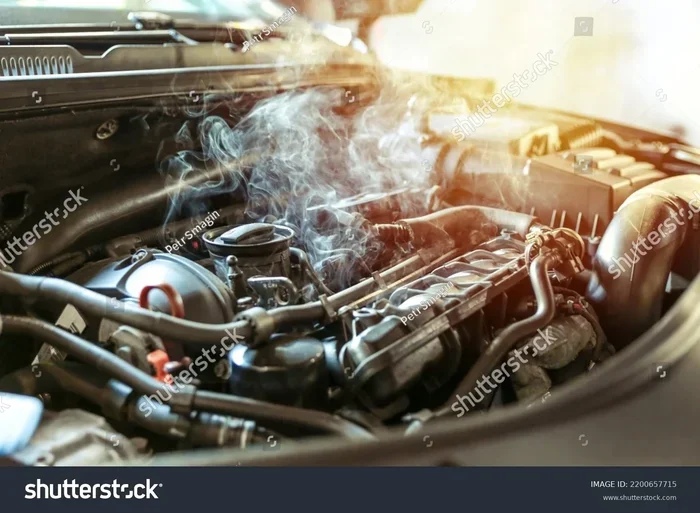
Yes, a transmission can absolutely cause a car to overheat. When your transmission struggles, it generates excess heat that spreads through your engine. Low fluid, worn parts, and a failing torque converter are the usual culprits behind transmission overheating. Catching the problem early can save you from a costly transmission failure.
Your car has many moving parts that work together to keep you moving. One of the hardest-working systems is your transmission. It shifts gears, controls power, and keeps your wheels turning smoothly. But here is the thing most drivers do not think about: your transmission generates a lot of heat. And when that heat builds up, it can cause serious problems. So, can a transmission cause a car to overheat? The short answer is yes. The longer answer is that it is one of the most common overlooked causes of car overheating.
Many drivers assume overheating only comes from the engine. They check the coolant. They look at the radiator. But they forget about the transmission entirely. A transmission overheating problem can damage your engine, your cooling system, and your wallet. In this article, we will walk through exactly how this happens. We will cover the warning signs, the root causes, and what you can do to fix and prevent it. Whether you drive an automatic or a manual, this guide has you covered.
## How Your Transmission Generates Heat
### The Basics of Transmission Heat
Your transmission works hard every time you drive. It uses friction to shift gears. That friction creates heat. In a healthy system, transmission fluid absorbs that heat and carries it away. But when something goes wrong, the heat has nowhere to go. Temperatures inside the transmission can climb past 200°F easily. That is hot enough to damage seals, warp metal parts, and break down the fluid itself.
Automatic transmissions tend to run hotter than manual ones. They use more complex internal components like the torque converter and transmission solenoid. These parts rely on precise fluid pressure and flow to work. When the fluid breaks down, those components grind and overheat. Over time, this leads to serious transmission failure.
### How Transmission Heat Affects the Engine
Here is where it gets tricky. Your transmission and engine share the same cooling system in many vehicles. The radiator helps cool both the engine and the transmission fluid. So when your transmission runs hot, it puts extra stress on the radiator. The engine can end up absorbing some of that heat too.
This is why some drivers notice their temperature gauge rising when they have transmission problems. The overheating engine is not always an engine problem at all. Sometimes, it is a transmission issue in disguise. If you are curious about diagnosing car problems on your own, you might want to read our article on Can I Do My Own Car Diagnostics for some helpful tips.
## Signs Your Transmission Is Causing Overheating
### Burning Smell From Under the Hood
One of the first signs of transmission overheating is a burning smell. If you notice a sweet or slightly burnt odor while driving, your transmission fluid may be breaking down. Old fluid loses its cooling properties. It starts to burn inside the transmission housing. This smell should never be ignored.
### Slipping Gears
Does your car feel like it is slipping between gears? This is a classic sign of transmission trouble. When the fluid gets too hot, it cannot maintain proper pressure inside the system. The result is gears that slip, hesitate, or shift unpredictably. Slipping gears mean your transmission is working overtime, which creates even more heat. It is a vicious cycle.
### Warning Lights on the Dashboard
Modern cars are smart. They tell you when something is wrong. If you see a check engine light or a transmission warning light, take it seriously. These lights often come on when internal temperatures exceed safe limits. Do not wait for the problem to get worse. Address it right away.
### Delayed or Rough Shifting
Another common sign is delayed shifting. When you move from park to drive, does your car hesitate? Or do shifts feel jerky and harsh? These symptoms point to degraded fluid or internal wear. Both issues lead to increased friction, which means more heat. The longer you ignore rough shifting, the worse the damage gets.
## Common Causes of Transmission Overheating
### Low or Dirty Transmission Fluid
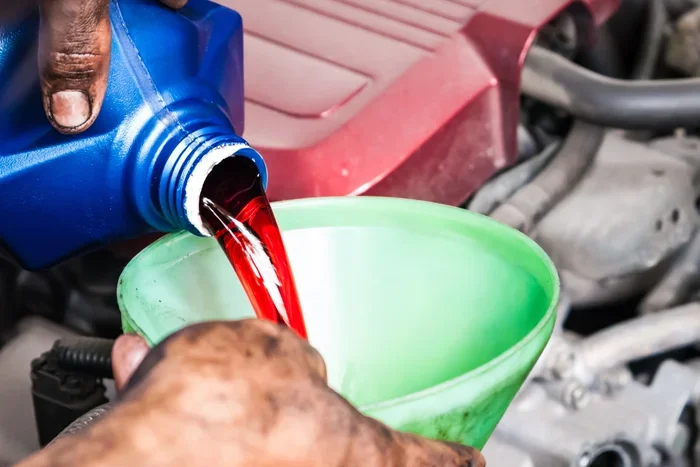
This is the number one cause of transmission overheating. Transmission fluid does two jobs. It lubricates the internal parts, and it carries heat away. When the fluid level drops, there is less lubrication and less cooling. When the fluid gets dirty, it loses its effectiveness entirely.
Most manufacturers recommend changing transmission fluid every 30,000 to 60,000 miles. But if you drive in hot climates or tow heavy loads, you may need to change it more often. Skipping fluid changes is one of the fastest ways to ruin a transmission.
### Towing Heavy Loads
Towing a trailer or hauling heavy cargo puts enormous stress on your transmission. The extra weight forces the transmission to work harder. More work means more heat. If you regularly tow, your transmission fluid breaks down faster than normal. You should check the fluid more often and consider adding an external transmission cooler.
If you are concerned about how much weight your vehicle can safely handle, our article Can I Put Too Much Weight In My Car covers this topic in detail.
### Faulty Cooling System
Your car’s cooling system does more than cool the engine. It also helps regulate transmission temperature. A failing radiator, a clogged coolant line, or a broken transmission cooler can all lead to overheating. If your cooling system is not working properly, neither is your transmission.
### Driving Habits That Create Heat
Some driving habits quietly damage your transmission over time. Stop-and-go traffic in hot weather is brutal on transmissions. Constantly shifting between drive and reverse without fully stopping causes extra wear. Riding the brakes on steep hills generates heat that transfers to the transmission. All of these habits add up over time.
### Worn Clutch Packs or Bands
Inside your transmission, clutch packs and bands help engage different gears. When these wear out, they create more friction. More friction means more heat. This is especially common in higher-mileage vehicles. A worn clutch pack will cause slipping, which then causes overheating, which causes more wear. It is a cycle that keeps getting worse.
## What Happens When Your Transmission Overheats
### Fluid Breakdown
When transmission fluid overheats, it chemically breaks down. The additives that protect seals and lubricate parts burn off. The fluid turns dark brown or black. It may even smell burnt. At this point, the fluid is no longer protecting your transmission. Metal parts are grinding against each other without proper lubrication.
### Seal and Gasket Damage
Extreme heat warps rubber seals and gaskets inside the transmission. Once these seals fail, fluid leaks out. Lower fluid levels mean even more overheating. It is a dangerous feedback loop. Seal damage often requires a full transmission rebuild or replacement.
### Torque Converter Failure
The torque converter is a critical part of automatic transmissions. It transfers power from the engine to the transmission. When it overheats, the internal lock-up clutch can slip or fail entirely. A damaged torque converter causes rough idling, poor acceleration, and serious transmission failure.
### Complete Transmission Failure
If you ignore the signs long enough, the transmission will fail completely. At that point, your car will not move. A full transmission replacement or rebuild can cost anywhere from $1,800 to $3,500 or more. Early intervention is always cheaper. A simple fluid change or repair costs a fraction of that.
## How to Prevent Transmission Overheating
### Stick to a Regular Fluid Change Schedule
The easiest way to prevent transmission overheating is to change your fluid on time. Check your owner’s manual for the recommended interval. If you drive in tough conditions, shorten that interval. Fresh fluid keeps your transmission cool and running smoothly.
### Install a Transmission Cooler
If you tow often or drive in hot climates, consider adding an external transmission cooler. These units attach to your radiator and help keep fluid temperatures in check. They are relatively affordable and can add years to your transmission’s life.
### Monitor Your Fluid Levels
Make it a habit to check your transmission fluid regularly. Look for low levels, dark color, or a burnt smell. Catching problems early gives you time to fix them before major damage occurs. You do not need a mechanic to do this basic check.
### Avoid Aggressive Driving
Hard acceleration and sudden stops put extra strain on your transmission. Smooth, steady driving reduces heat buildup. Give yourself extra time to brake gently. Your transmission will thank you.
### Get Regular Professional Inspections
Even if you do your own basic maintenance, get a professional inspection at least once a year. A mechanic can spot early warning signs that you might miss. They can check your transmission solenoid, inspect the cooling system, and test fluid condition. If you want to learn more about checking your car yourself first, check out our guide on Can I Do My Own Car Diagnostics.
## When to See a Mechanic
### Do Not Wait for Complete Failure
Many drivers wait until their car stops moving before visiting a mechanic. By then, the damage is already severe. If you notice any of the signs we discussed earlier, make an appointment right away. Slipping gears, burning smells, and warning lights are your car begging for help.
### Cost of Ignoring Transmission Problems
Ignoring transmission issues almost always leads to bigger bills. A small repair like a fluid change costs around $100 to $200. A new torque converter might run $400 to $600. But a full transmission rebuild? That is $1,800 to $3,500 or more. The math is clear. Early action saves money.
### What a Mechanic Will Check
When you take your car in, the mechanic will typically check the fluid condition, inspect for leaks, test the cooling system, and scan for error codes. They may also road-test the vehicle to see how the transmission shifts under load. This thorough check helps pinpoint the exact cause of the overheating.
## Quick Tips to Keep Your Transmission Cool
- Check transmission fluid every month.
- Change fluid at the manufacturer’s recommended interval.
- Avoid towing beyond your vehicle’s rated capacity.
- Install an external transmission cooler if you haul often.
- Drive smoothly and avoid aggressive acceleration.
- Never ignore warning lights or unusual smells.
- Keep your cooling system in good shape year-round.
## Conclusion
Can a transmission cause a car to overheat? Absolutely. Your transmission is one of the most heat-sensitive systems in your entire vehicle. When fluid breaks down, parts wear out, or the cooling system fails, the results can be devastating. The good news is that prevention is straightforward. Regular fluid changes, smart driving habits, and timely inspections keep your transmission running cool and strong.
Do not wait for a burning smell or slipping gears to take action. Your transmission is the bridge between your engine and your wheels. Take care of it, and it will take care of you. If you are dealing with overheating issues and want to check if your car can handle long drives, you might also find our article on Can I Drive 10 Miles On Empty useful for understanding how far you can safely push your vehicle when it is running hot.
Stay proactive. Stay informed. And keep your transmission cool.
Key Takeaways
- Transmissions generate significant heat: A working transmission can reach temperatures above 200°F, which puts stress on your entire cooling system.
- Low or dirty fluid is the #1 cause: Old or insufficient transmission fluid loses its ability to lubricate and cool internal parts.
- Warning signs are easy to spot: Slipping gears, burning smells, and delayed shifting all point to an overheating transmission.
- Prevention is simple and affordable: Regular fluid changes and cooling system checks go a long way in avoiding major repairs.
- Ignoring the problem is expensive: A full transmission rebuild can cost thousands, while early fixes are much cheaper.
- Weight and load matter: Towing heavy loads or carrying too much weight can push your transmission past its limits. If you are wondering about weight limits, check out our guide on Can I Put Too Much Weight In My Car for helpful tips.
Frequently Asked Questions
What temperature is too hot for a transmission?
Most experts agree that transmission temperatures above 220°F are too hot. At this point, the fluid starts to break down rapidly. Normal operating temperatures range between 175°F and 200°F. If your temperature gauge or scan tool reads above 220°F, take action immediately to prevent damage.
Can low transmission fluid cause overheating?
Yes, absolutely. Low fluid means less lubrication and less cooling inside the transmission. The internal parts grind against each other with more friction, which generates extra heat. Topping off or changing the fluid is often the first step in fixing an overheating problem.
How often should I change my transmission fluid?
Most manufacturers recommend every 30,000 to 60,000 miles. However, if you drive in stop-and-go traffic, tow heavy loads, or live in a hot climate, you should change it more frequently. Always check your owner’s manual and adjust based on your driving conditions.
Can a transmission cooler prevent overheating?
Yes, a transmission cooler can make a big difference. It works like a mini radiator for your transmission fluid. It helps keep fluid temperatures down, especially during towing or hot weather. Adding one is a smart and affordable upgrade for vehicles that work hard.
Is transmission overheating covered under warranty?
It depends on your warranty and the cause of the overheating. Regular wear and tear is usually not covered. But if a manufacturing defect or a faulty part caused the overheating, it might be. Check with your dealer or warranty provider to understand your specific coverage.
Can I still drive my car if the transmission is overheating?
You should avoid driving if you suspect your transmission is overheating. Continuing to drive can cause permanent damage to internal components. If you must move the car, drive slowly and short distances only. The best move is to pull over safely and call for a tow.