Ac Switch for Car Why It Matters and How to Choose One
An AC switch for car controls your vehicle’s air conditioning system and keeps you cool on hot days. When it fails, your AC blows warm air or stops working entirely. This guide explains how AC switches work, what signs to watch for, and how to choose the right replacement for your vehicle.
You are driving on a scorching summer day. The sun beats down on your windshield. You press the AC button and wait for that sweet cool air. But instead, warm air blows right onto your face. Frustrating, right?
More often than not, the culprit is a small component called the AC switch for car. It is not glamorous. It is not expensive. But it is absolutely essential. Without a working AC switch, your entire car cooling system grinds to a halt.
This guide will walk you through everything you need to know about AC switches. We will cover how they work, what goes wrong, how to pick the right one, and how to replace it yourself. Whether you are a car enthusiast or a daily commuter, this information will help you stay cool and confident on the road.
Let us dive in and break it all down.
Key Takeaways
- The AC switch is a small but vital part that manages your car’s cooling system and compressor operation.
- Common failure signs include warm air, inconsistent cooling, and strange clicking noises from the dashboard.
- There are several types of AC switches, including pressure switches, relay switches, and control panel switches.
- Choosing the right switch depends on your car model, year, and specific AC system design.
- Replacing an AC switch is often a DIY job that takes under an hour with basic tools.
- Regular maintenance helps extend the life of your AC switch and prevents unexpected breakdowns.
- Always buy from reputable brands to ensure compatibility and long-lasting performance.
📑 Table of Contents
- What Is an AC Switch for Car and Why You Need One
- How Does a Car AC Switch Work
- Common Signs Your AC Switch Is Failing
- Types of AC Switches for Cars
- How to Choose the Right AC Switch for Your Car
- Step-by-Step Guide to Replacing Your AC Switch
- Common Mistakes to Avoid When Dealing with AC Switches
- When to See a Professional Instead of DIY
- Conclusion
What Is an AC Switch for Car and Why You Need One
An AC switch for car is an electrical component that controls the air conditioning system in your vehicle. Think of it as the brain behind your car’s cooling. It sends signals to turn the AC compressor on and off, regulates airflow, and manages the overall cooling cycle.
Without this switch, your AC system cannot function. It is like trying to start a car with a dead battery. The parts are all there, but nothing happens.
Most people take their AC switch for granted. They assume the cool air will always be there. But these switches wear out over time. Heat, vibration, and electrical corrosion all take a toll. Understanding what your AC switch does is the first step toward keeping your car comfortable all year long.
How the AC Switch Fits Into Your Car’s Cooling System
Your car’s air conditioning system has several key parts. The compressor pumps refrigerant through the system. The condenser releases heat. The evaporator cools the air before it enters your cabin. And the AC switch for car controls when the compressor turns on and off.
Here is a simple way to think about it. The AC switch acts like a gatekeeper. It tells the compressor to start cooling when the cabin gets too warm. It tells the compressor to stop when the temperature drops to the right level. This on-and-off cycle keeps your car at a comfortable temperature without wasting energy.
The switch also works alongside other components like the AC pressure switch and the AC relay. Together, these parts form a network that keeps your cooling system running smoothly. If one part fails, the whole system suffers.
How Does a Car AC Switch Work
Understanding how an AC switch for car works does not require an engineering degree. The basic idea is simple. When you turn the AC on, the switch completes an electrical circuit. This sends power to the compressor clutch, which engages the compressor.
The compressor then pumps refrigerant through the system. Cool air flows into your car. Once the cabin reaches the set temperature, the switch breaks the circuit. The compressor shuts off. This cycle repeats automatically to maintain a steady temperature.
Some cars use a cycling switch that turns the compressor on and off many times per hour. Others use a fixed cycling switch that runs the compressor in longer intervals. Both types serve the same purpose. They manage your AC system efficiently.
The switch also monitors refrigerant pressure. If the pressure drops too low, the switch shuts the system down to protect the compressor. This is a safety feature that prevents costly damage. It is a small part with a big job.
The Role of the AC Relay in Switch Operation
Many people confuse the AC switch with the AC relay. They are different parts that work together. The AC relay for car acts as an electrical amplifier. It takes a small signal from the switch and uses it to power the compressor.
Without the relay, the switch would need to handle high electrical current directly. That would cause the switch to burn out quickly. The relay protects the switch and extends its lifespan. When you are troubleshooting AC problems, always check both the switch and the relay.
Common Signs Your AC Switch Is Failing
Nobody wants to sweat through a summer drive. Catching AC switch problems early can save you time, money, and discomfort. Here are the most common signs that your AC switch for car is wearing out.
Warm Air Blowing from the Vents
This is the number one sign. You turn on the AC. You set it to cold. But warm air keeps coming out. The compressor may not be engaging because the switch is not sending the right signal. This is often the first thing people notice when their AC switch for car starts to fail.
AC Works Intermittently
Does your AC blow cold air sometimes and warm air other times? This inconsistent behavior is a classic symptom of a failing switch. The electrical contacts inside the switch may be corroded or worn. They make good connections sometimes and bad connections other times.
Clicking Sounds from the Dashboard
Listen carefully when you turn the AC on. A single click is normal. But repeated clicking means the switch is struggling. It is trying to complete the circuit but cannot hold the connection. This clicking noise often gets faster when the AC is under heavy load.
AC Compressor Does Not Engage at All
If the compressor never turns on, the switch is a prime suspect. However, do not jump to conclusions. A dead AC relay or low refrigerant can cause the same symptom. Use a multimeter to test the switch before replacing it.
AC Blows Cold Then Stops Suddenly
This happens when the switch opens the circuit prematurely. The compressor starts cooling, then shuts off before the cabin is cold enough. It may restart a few minutes later and repeat the cycle. This short-cycling behavior puts extra strain on the compressor and wastes fuel.
Burning Smell or Electrical Issues
In rare cases, a failing switch can overheat. You might notice a burning smell near the dashboard. Or you may experience blown fuses related to the AC circuit. These are serious signs that need immediate attention. A damaged switch can cause electrical fires in extreme cases.
Types of AC Switches for Cars
Not all AC switches are the same. Different cars use different types depending on the model, year, and AC system design. Knowing the main types helps you choose the right AC switch for car replacement.
AC Pressure Switch
The AC pressure switch for car monitors refrigerant pressure in the system. It has two main jobs. First, it shuts the system down if pressure gets too high. Second, it prevents the compressor from running if pressure drops too low. High pressure can damage the compressor. Low pressure means there is not enough refrigerant to cool the system.
Most cars have at least two pressure switches. One sits on the high-pressure side. The other sits on the low-pressure side. Some modern vehicles use a single dual-pressure switch instead of two separate units.
AC Cycling Switch
The AC cycling switch controls how often the compressor turns on and off. It measures evaporator temperature and cycles the compressor to prevent ice buildup. If the evaporator gets too cold, frost forms on the coils. The cycling switch prevents this by pausing the compressor briefly.
This type of switch is common in older vehicles and many modern cars. It is a simple but effective way to protect the AC system and maintain consistent cooling.
AC Control Switch (Dashboard)
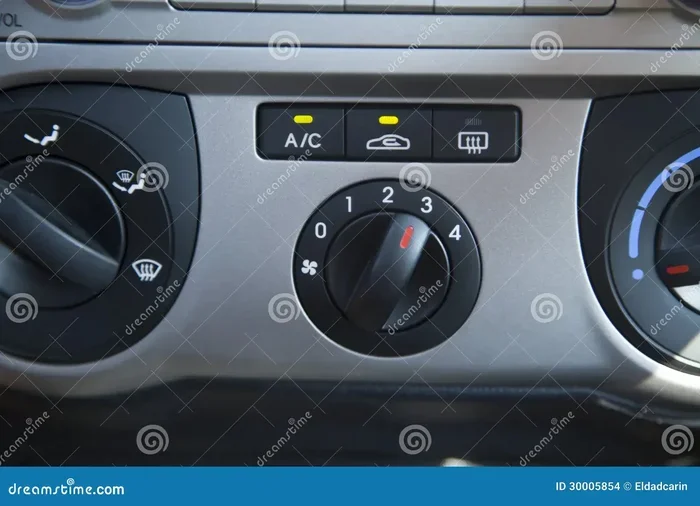
The AC control switch on dashboard is the part you physically touch. It is the button or knob you press to turn the AC on. Inside, it has electrical contacts that send signals to the AC system. When these contacts wear out, you get all the symptoms we discussed earlier.
Some vehicles have a rotary dial for AC controls. Others have digital buttons. The underlying switch mechanism is similar in both cases. The difference is mainly in how the user interacts with it.
AC Compressor Relay Switch
The AC compressor relay switch is an electromagnetic switch that handles high current. It receives a low-power signal from the control switch and uses it to power the compressor clutch. Think of it as a bridge between the small electrical circuit and the powerful compressor motor.
Relays are durable and long-lasting. But they can fail due to corrosion, overheating, or electrical surges. When a relay fails, the compressor will not engage even if the control switch is working perfectly.
Thermal Expansion Valve Switch
Some vehicles use a thermal expansion valve (TXV) with an integrated switch. This valve regulates refrigerant flow into the evaporator. The switch component monitors temperature and pressure to adjust the valve opening. It provides precise cooling control and is common in higher-end vehicles.
How to Choose the Right AC Switch for Your Car
Buying the wrong AC switch for car is a waste of time and money. You need to match the switch to your specific vehicle and AC system. Here is how to do it right.
Check Your Vehicle Manual
Your car owner’s manual is the best starting point. It lists the exact parts used in your vehicle. Look for the AC system section. You will find the switch type, part number, and specifications. This information saves you from guessing and returning wrong parts.
Know Your Car Make, Model, and Year
Always have your vehicle details ready when shopping for a replacement. The AC switch for car varies widely between makes and models. A switch that fits a 2010 Honda Civic will not work in a 2015 Toyota Camry. Even within the same brand, different model years may use different switches.
Write down your VIN (Vehicle Identification Number) before you shop. Many online parts stores can look up the exact switch for your vehicle using the VIN. This is the most reliable method.
Match the Switch Type
Remember the different types we covered earlier. You need to match the switch type to what your car originally used. If your car has a pressure switch, do not buy a control switch by mistake. If you need a relay, make sure the amperage rating matches.
Choose Quality Brands
Not all AC switches are created equal. Cheap switches from unknown brands may save you a few dollars upfront. But they often fail within months. Stick with reputable brands that offer warranties and have good customer reviews.
Look for switches made with quality electrical contacts and durable housings. Brass or silver contacts last longer than copper-clad ones. Heat-resistant plastic housings handle under-hood temperatures better than cheap materials.
Consider OEM vs Aftermarket
OEM (Original Equipment Manufacturer) switches are made by the same company that supplied parts to your car manufacturer. They are exact matches in every way. Aftermarket switches are made by third-party companies and may vary slightly in design.
OEM switches tend to be more expensive but offer the best fit and reliability. Aftermarket switches can be a great budget option if you choose a trusted brand. Many aftermarket switches actually exceed OEM quality.
Verify Compatibility Before Buying
Always double-check compatibility before placing an order. Check the fitment guide on the product page. Compare the part number with your original switch. If you are unsure, call the seller or check online forums for your specific car model.
Step-by-Step Guide to Replacing Your AC Switch
Replacing an AC switch for car is one of the easier automotive repairs you can do at home. You do not need fancy tools or years of experience. With a little patience, most people finish the job in under an hour.
What You Will Need
- Replacement AC switch (matched to your vehicle)
- Basic socket set and screwdrivers
- Multimeter for testing
- Safety gloves and goggles
- Owner’s manual or repair guide
- Dielectric grease (optional but recommended)
Step 1: Turn Off the Engine and Let It Cool
Safety first. Turn off the engine and let the engine bay cool down. Working on a hot engine can burn you. It also increases the risk of electrical shorts. Wait at least 15 minutes before starting any work.
Step 2: Locate the AC Switch
The location varies by vehicle. Common spots include the dashboard behind the AC controls, near the compressor on the engine bay, or on the firewall. Consult your owner’s manual or an online repair guide for the exact location in your car.
Step 3: Disconnect the Battery
Always disconnect the negative battery terminal before working on electrical components. This prevents short circuits and protects your car’s computer system. Use a wrench to loosen the terminal clamp and pull it off the battery post.
Step 4: Remove the Old Switch
Unplug the electrical connector from the old switch. You may need to press a locking tab or squeeze a release clip. Then remove any mounting screws or bolts. Carefully pull the switch out of its housing. Note the position and orientation for reference.
Step 5: Install the New Switch
Place the new switch in the same position as the old one. Secure it with the mounting screws or bolts. Plug in the electrical connector until you hear it click. Apply a thin layer of dielectric grease to the connector to prevent corrosion.
Step 6: Reconnect the Battery and Test
Reconnect the negative battery terminal. Start the engine and turn the AC on full blast. Listen for the compressor to engage. Feel the vents for cold air. If everything works, you have done a great job. If not, double-check the connections and verify you installed the correct switch.
Quick Tips for a Smooth Replacement
- Take photos before disconnecting anything. They help during reassembly.
- Label wires and connectors if there are multiple nearby.
- Do not force connectors. They should plug in with gentle pressure.
- Keep your workspace clean to avoid losing small screws.
- Test the AC system for at least 10 minutes after installation.
Common Mistakes to Avoid When Dealing with AC Switches
Even simple repairs can go wrong if you are not careful. Here are mistakes that many people make when working with an AC switch for car.
Skipping the Diagnosis
Many people assume the switch is the problem when it might not be. Low refrigerant, a bad relay, or a clogged condenser can all cause the same symptoms. Always test the switch with a multimeter before replacing it. Replacing parts blindly wastes money and time.
Ignoring the Relay
As we mentioned earlier, the relay works hand in hand with the switch. If you replace the switch but the relay is also failing, your AC problems will continue. Check both components when diagnosing AC issues.
Using the Wrong Switch Type
Not all switches are interchangeable. A pressure switch cannot replace a control switch. A cycling switch cannot replace a relay. Always match the switch type, pin configuration, and electrical rating to your vehicle’s specifications.
Forgetting to Reconnect the Battery
This sounds obvious, but it happens more often than you would think. People replace the switch, put everything back together, and wonder why the AC still does not work. They forgot to reconnect the battery. Always double-check your connections before testing.
Neglecting Regular Maintenance
AC switches do not need frequent maintenance, but a little attention goes a long way. Keep the area around the switch clean and free of debris. Check electrical connections for corrosion during regular oil changes. Prevention is always easier and cheaper than repair.
Buying the Cheapest Option
We understand the appeal of the lowest price. But a $5 switch from an unknown brand is a gamble. It may last a week or it may last five years. Investing in a quality switch from a reputable brand saves you the hassle of repeat repairs.
When to See a Professional Instead of DIY
Most AC switch replacements are straightforward DIY projects. But some situations call for a professional mechanic. If your car has a complex integrated AC system, the switch may be difficult to access. If you are uncomfortable working with electrical components, it is perfectly fine to let a pro handle it.
Also, if your AC problem persists after replacing the switch, there may be a deeper issue. Low refrigerant levels, compressor damage, or wiring problems could be the real cause. A professional can run full diagnostic tests and find the root problem.
Do not let pride keep you from seeking help. A trained mechanic has the tools, experience, and knowledge to solve complex AC problems quickly and correctly.
Conclusion
The AC switch for car may be a small part, but its role is enormous. It controls your comfort, protects your compressor, and keeps your AC system running efficiently. When it fails, the effects are immediate and impossible to ignore.
Now you know how to identify a failing switch, choose the right replacement, and install it yourself. You also know the common mistakes to avoid and when to call in a professional. This knowledge puts you in control of your car’s comfort and your wallet.
Stay proactive with your car maintenance. Check your AC system before summer arrives. Replace worn switches before they leave you sweating on the highway. A little preparation goes a long way toward stress-free driving.
Keep your cool. Keep your car running right. And never underestimate the power of a well-functioning AC switch for car.
Frequently Asked Questions
How much does it cost to replace an AC switch for car?
The cost typically ranges from $30 to $150 for the part alone. If you hire a mechanic, labor adds another $50 to $100. The total depends on your car model and the type of switch. DIY replacement saves you the labor cost entirely.
Can I drive my car with a broken AC switch?
Yes, you can drive safely, but your AC will not work properly. On a mild day, this is not a big deal. On a hot day, it can be uncomfortable and even dangerous if your car overheats. It is best to replace a faulty switch promptly.
How long does an AC switch for car last?
Most AC switches last between 5 and 10 years. However, exposure to extreme heat, moisture, and electrical issues can shorten their lifespan. Regular maintenance and quality parts help extend the life of your switch.
What is the difference between an AC switch and an AC relay?
The AC switch sends a low-power signal to turn the system on or off. The AC relay takes that signal and uses it to handle the high current needed by the compressor. They work together but serve different functions in the AC circuit.
Can a bad AC switch cause the compressor to fail?
Yes, it can. If the switch fails in a way that keeps the compressor running constantly, it can overheat and damage the compressor. If it fails to engage the compressor, the system will not cool at all. Prompt replacement of a faulty switch protects your entire AC system.
Where can I buy a replacement AC switch for my car?
You can buy replacement switches at auto parts stores, online retailers, and dealerships. Popular online options include Amazon, RockAuto, and AutoZone. Always verify the part number matches your vehicle before purchasing.