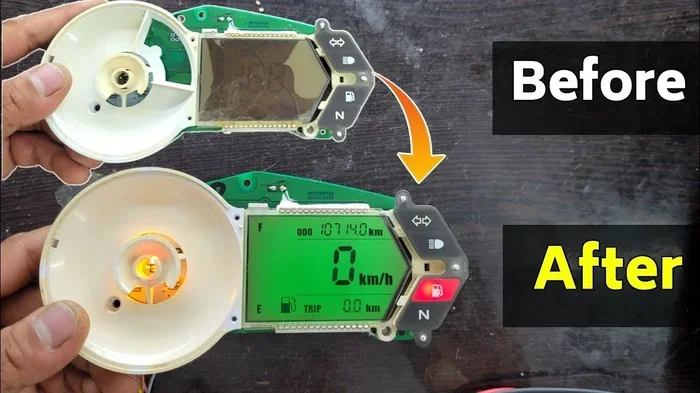
Why Is My Digital Odometer Not Working Anymore Now
A digital odometer that stops working can be frustrating and worrying. Whether your mileage display goes blank or shows errors, the problem often traces back to a few common culprits. This guide breaks down the reasons behind a digital odometer failure and gives you clear steps to fix it. You will learn what causes the issue, how to troubleshoot it yourself, and when to call a professional.
You turn the key, the engine roars to life, and you glance at your dashboard. But instead of seeing your mileage, you see a blank screen or a strange error message. A digital odometer not working can feel like a punch to the gut. Your first thought might be the worst — has something seriously broken inside your car?
The good news is that this problem is more common than you think. And in most cases, it has a fix that is simpler than you expect. A digital odometer relies on a few key parts working together. When one part fails, the whole system can go dark. Let us walk through exactly why this happens and what you can do about it.
Whether you drive a sedan, truck, or SUV, the digital odometer plays a big role in your daily driving. It tracks your vehicle mileage, helps you plan maintenance, and even affects resale value. When it stops working, you lose access to critical information. So let us dive into the reasons behind this issue and find a solution that works for you.
Key Takeaways
- Faulty Vehicle Speed Sensor (VSS): The VSS sends speed data to your odometer. When it fails, your mileage display often goes blank or shows zero.
- Wiring and Connection Problems: Corroded or loose wires between the instrument cluster and the car computer can interrupt the signal.
- Blown Fuse: A simple blown fuse in the dashboard circuit can kill your entire digital odometer display.
- Instrument Cluster Failure: The cluster itself can wear out over time, especially in older vehicles with high mileage.
- ECU or Computer Glitch: Sometimes the car’s main computer needs a reset or update to restore odometer function.
- Odometer Fraud Risk: A dead or broken odometer may be a sign of tampering. Always verify mileage history when buying a used car.
- DIY Fixes Work for Many Issues: You can check fuses, reset the system, and inspect wiring without visiting a shop.
📑 Table of Contents
- What Does a Digital Odometer Do?
- Why Is My Digital Odometer Not Working? Top Causes
- How to Diagnose Your Digital Odometer Problem
- Can You Fix a Digital Odometer Yourself?
- How to Prevent Digital Odometer Problems
- When Should You Worry About a Broken Odometer?
- The Cost of Repairing a Digital Odometer
- Frequently Asked Questions
- Final Thoughts
What Does a Digital Odometer Do?
Before we dig into the fixes, it helps to understand what the digital odometer actually does. Unlike old-school mechanical odometers with spinning numbers, a digital odometer uses electronic signals to display your car’s total miles. This information comes from the vehicle speed sensor, also called the VSS. The sensor sends data to the car’s main computer, or ECU, which then passes it along to the instrument cluster on your dashboard.
The instrument cluster is the panel behind your steering wheel that holds your speedometer, fuel gauge, and warning lights. In modern cars, the odometer shares space with the trip meter and other digital displays. When any link in this chain breaks, your mileage reading can disappear entirely.
Here are the main parts involved in a working digital odometer:
- Vehicle Speed Sensor (VSS): Measures how fast your wheels are turning.
- ECU (Engine Control Unit): The car’s brain that processes sensor data.
- Instrument Cluster: The dashboard unit that shows you the numbers.
- Wiring Harness: The set of wires that connects all these parts together.
- Fuses and Relays: Small safety devices that protect the electrical circuits.
Understanding these parts makes it much easier to figure out why your odometer stopped working. Each one can be the source of the problem. Let us look at the most common reasons now.
Why Is My Digital Odometer Not Working? Top Causes
A broken digital odometer can stem from several different issues. Some are simple and cheap to fix. Others need more work. Here are the top causes you should know about.
1. A Bad Vehicle Speed Sensor
The VSS is one of the most common reasons a digital odometer goes dark. This small sensor sits near your transmission and tracks how fast your wheels spin. When it wears out or gets damaged, it stops sending data to the ECU. Without that data, your odometer has nothing to display.
Signs of a failing VSS include:
- Odometer reading stuck at zero or blank
- Speedometer acting erratically or jumping around
- Check engine light turning on
- Transmission shifting problems
Replacing a VSS is usually not expensive. Most mechanics can do it in under an hour. The part itself often costs between 50 and 200 dollars, depending on your car model.
2. Wiring and Connection Issues
Your car has miles of wiring running through it. Over time, these wires can corrode, fray, or come loose. If the connection between the VSS, ECU, or instrument cluster gets interrupted, your odometer will not get the signal it needs.
Corrosion is a big enemy here. Moisture can seep into connectors under your car, especially near the transmission or rear axle. This causes green or white buildup on the metal contacts. When that happens, the electrical signal gets weak or stops altogether.
Here is what you can check:
- Look under your car for any exposed or damaged wires
- Check the connectors behind your dashboard for loose plugs
- Use a multimeter to test for continuity in the wiring
- Clean corroded connectors with electrical contact cleaner
You do not need to be a master mechanic to do these checks. A basic multimeter costs under 30 dollars and can save you a trip to the shop.
3. Blown Fuse
This might sound too simple, but a blown fuse is one of the top reasons a digital odometer stops working. Your dashboard has a dedicated fuse that powers the instrument cluster. If that fuse blows, everything on the cluster — including the odometer — goes dead.
Fuses blow for a reason. It could be a power surge, a short circuit, or an old fuse that has simply worn out. Checking your fuses is the first thing you should do when your odometer dies.
To check a fuse:
- Find your fuse box. It is usually under the hood or on the driver’s side dashboard.
- Look up the fuse diagram on the lid of the box.
- Pull out the fuse for the instrument cluster or dashboard.
- Inspect it visually. A blown fuse will have a broken metal strip inside.
- Replace it with a new fuse of the same amperage.
If the new fuse blows again right away, there is a deeper electrical problem you need to investigate. Do not keep replacing fuses without finding the root cause.
4. Instrument Cluster Failure
The instrument cluster itself can fail over time. Inside the cluster, there are small circuit boards and LEDs that light up your gauges. These components can burn out, especially in older vehicles or cars with very high mileage.
Some car models are known for instrument cluster problems. For example, certain Ford and GM vehicles from the 2000s had frequent cluster failures. The odometer would flicker, go dim, or stop showing numbers entirely.
Signs of a failing instrument cluster include:
- Flickering or dimming of the odometer display
- Other gauges acting strangely at the same time
- Clicking or buzzing sounds coming from the dashboard
- The cluster needs to be jiggled or tapped to work
Fixing a bad instrument cluster can range from a simple repair to a full replacement. Some shops specialize in cluster rebuilding. They can replace the bad LEDs or solder the cracked circuit boards for a fraction of the cost of a new unit.
5. ECU or Computer Glitch
Your car’s ECU controls almost everything. It receives data from sensors, processes it, and sends it to the right places. Sometimes, the ECU can have a software glitch or a temporary error that causes the odometer to stop working.
This happens more often than you might think. A power surge, a dead battery, or even a recent jump start can confuse the ECU. When that happens, the odometer might freeze or show garbage numbers.
A simple reset can often fix this. Try disconnecting your car battery for about 15 minutes. Then reconnect it and turn the key. This clears the ECU memory and lets it start fresh. If the odometer still does not work after a reset, you may need a professional diagnostic scan.
6. Odometer Fraud or Tampering
This is a serious issue that affects used car buyers. Some dishonest sellers roll back the odometer to make a car seem to have fewer miles than it actually does. In older cars with mechanical odometers, this was done with tools. In modern digital odometers, it requires special equipment to manipulate the ECU.
If your digital odometer suddenly shows a much lower number than before, or if the display looks different from what you remember, be cautious. You can check your car’s maintenance records, which usually list the mileage at each service visit. You can also use vehicle history reports from services like Carfax or AutoCheck to verify the mileage.
Odometer fraud is illegal in most countries. If you suspect tampering, report it to your local authorities or consumer protection agency.
How to Diagnose Your Digital Odometer Problem
Figuring out exactly why your odometer stopped working is easier when you follow a step-by-step process. Start with the simplest checks and work your way up. Here is a quick diagnostic guide you can follow at home.
Step 1: Check the Fuses First
Always start with the fuses. It takes just a few minutes and costs nothing. If the fuse is good, move to the next step.
Step 2: Look at the Dashboard Lights
Turn your key to the “on” position without starting the engine. Do all the dashboard lights come on? If the entire instrument cluster is dark, the problem is likely a power issue — a fuse, a relay, or a wiring problem. If the other gauges work but the odometer does not, the issue is more specific.
Step 3: Use an OBD Scanner
An OBD scanner is a small device that plugs into your car’s diagnostic port. It reads error codes from the ECU and tells you what is wrong. You can buy a basic scanner for under 30 dollars or use one at your local auto parts store for free.
Look for codes related to the VSS or the instrument cluster. Common codes include:
- P0500: Vehicle Speed Sensor Malfunction
- P0501: VSS Range/Performance Problem
- U0100: Lost Communication with ECU
These codes point you in the right direction. They do not give you the final answer, but they narrow down the possibilities quickly.
Step 4: Inspect the Wiring
If the fuses are fine and the scanner does not show obvious codes, check the wiring. Follow the harness from the instrument cluster to the ECU and the VSS. Look for any signs of damage, loose connections, or corrosion.
A quick tip: wiggle the wires gently while watching the odometer. If the display flickers or comes back, you have found a loose connection. That is a much easier fix than replacing parts.
Step 5: Seek Professional Help
If you have gone through all these steps and still cannot find the problem, it is time to visit a mechanic. A professional has the tools and experience to diagnose complex electrical issues. They can also test the instrument cluster and the ECU more thoroughly.
Can You Fix a Digital Odometer Yourself?
Many odometer problems can be fixed at home with basic tools. If the issue is a blown fuse, a loose wire, or a bad VSS, you can handle it yourself. These repairs do not require advanced mechanical skills. A YouTube tutorial or a repair manual for your specific car model can walk you through the process step by step.
However, some fixes are best left to the professionals. Replacing the instrument cluster, reprogramming the ECU, or dealing with complex wiring issues requires specialized tools and knowledge. If you are not comfortable working with your car’s electrical system, do not hesitate to seek help.
Here are some quick tips for DIY repairs:
- Always disconnect the battery before working on any electrical parts.
- Take photos before removing any wires so you can put them back correctly.
- Use the right tools. A basic set of screwdrivers, pliers, and a multimeter covers most jobs.
- Keep your repair manual handy. It has diagrams and fuse locations specific to your car.
How to Prevent Digital Odometer Problems
The best way to deal with a broken odometer is to prevent it from happening in the first place. Regular maintenance and simple habits can keep your digital odometer working for years.
Here are some easy prevention tips:
- Check your fuses during regular oil changes or maintenance visits.
- Keep your battery healthy. A weak battery can cause electrical glitches throughout the car.
- Avoid water damage. Do not drive through deep floods. Water can ruin wiring and sensors.
- Address warning signs early. If your speedometer acts weird or the odometer flickers, get it checked before it becomes a bigger problem.
- Keep your car’s software updated. Some dealers can update the ECU software during routine visits.
Small steps like these can save you from a sudden odometer failure on the road. They also help protect the accuracy of your vehicle mileage records.
When Should You Worry About a Broken Odometer?
Not all odometer problems are emergencies. A blank odometer display is annoying, but your car will still drive fine. The speedometer and other gauges may still work. However, there are situations where you should take it seriously.
You should worry if:
- The check engine light is on along with the odometer failure
- Your speedometer also stopped working, which can lead to speeding tickets or unsafe driving
- You notice the mileage number has changed on its own, which could signal tampering
- Other electrical systems in the car are acting up too
In these cases, get your car to a mechanic as soon as possible. A failing odometer can sometimes point to a bigger electrical problem that affects your safety.
The Cost of Repairing a Digital Odometer
The cost to fix a digital odometer depends entirely on what is causing the problem. Here is a rough breakdown:
- Blown fuse: 5 to 15 dollars for the fuse and maybe 20 to 50 dollars for labor if you go to a shop.
- Bad VSS: 50 to 250 dollars for the part and labor combined.
- Wiring repair: 50 to 150 dollars depending on how much work is needed.
- Instrument cluster replacement: 200 to 800 dollars. Rebuilding the cluster is cheaper, around 100 to 300 dollars.
- ECU reprogramming: 100 to 300 dollars at a dealership or qualified shop.
These are average costs and can vary based on your car make, model, and where you live. Always get a quote before agreeing to any major repair.
Frequently Asked Questions
Can I drive my car if the digital odometer stopped working?
Yes, in most cases you can still drive your car safely. The odometer is a display tool, not a safety component. However, if your speedometer also stopped working, you should avoid driving until the issue is fixed. Without a working speedometer, you risk speeding and accidents.
How much does it cost to replace a digital odometer?
The cost depends on the cause. A simple fuse replacement costs very little. Replacing the instrument cluster can cost between 200 and 800 dollars. A VSS replacement usually runs 50 to 250 dollars total. Always get a diagnosis first so you know exactly what needs to be fixed.
Can a dead battery cause the odometer to stop working?
Yes, a dead or weak battery can cause electrical glitches in your car. When the battery voltage drops too low, the ECU and instrument cluster can lose power temporarily. This may cause the odometer to freeze or reset. Charging or replacing the battery often fixes this problem.
Is odometer fraud common in used cars?
Unfortunately, odometer fraud does happen. It is more common in older vehicles where mechanical odometers were used, but digital odometers can be tampered with too. Always check the vehicle history report, ask for maintenance records, and have a trusted mechanic inspect the car before buying.
Can I reset my digital odometer myself?
You can reset the trip meter yourself, but you cannot reset the total mileage. The total odometer reading is legally protected in most places. Attempting to alter the total mileage is illegal and can result in fines or criminal charges.
What should I do if my odometer shows an error message?
First, write down the exact error message. Then check your fuses and battery connections. Use an OBD scanner to read any stored codes. If the error persists, take your car to a qualified mechanic. Error messages on the odometer often point to specific sensor or communication problems that need professional diagnosis.
Final Thoughts
A digital odometer not working does not have to be a scary problem. In most cases, the cause is simple and the fix is affordable. Start with the basics — check your fuses, inspect your wiring, and use an OBD scanner to read error codes. These steps can save you time and money.
Remember that your digital odometer is more than just a number on the dashboard. It tracks your vehicle mileage, helps you stay on top of maintenance schedules, and protects you from odometer fraud. Taking care of it is part of being a responsible car owner.
If you have tried everything and the odometer still does not work, do not hesitate to visit a trusted mechanic. They have the tools and expertise to find the root cause and get your car back in shape. The key is to act quickly. The sooner you address the problem, the less likely it is to turn into a bigger, more expensive issue.
Keep your car maintained, stay alert to warning signs, and your digital odometer will serve you well for many miles to come.