Can a Toyota Corolla Pull a U-Haul Trailer on the Road
Can a Toyota Corolla pull a U-Haul? The short answer is yes, but with serious limits. Most Toyota Corolla models have a towing capacity between 1,000 and 1,500 pounds, which means they can handle small U-Haul cargo trailers. However, towing near the max limit is risky and can damage your engine, transmission, and brakes. In this guide, we break down the exact numbers, safety risks, and practical tips so you can make a smart decision before hitting the road.
You just booked a U-Haul. Maybe you’re moving to a new apartment. Maybe you’re hauling furniture after a big cleanup. And you’re thinking, “Hey, my Toyota Corolla should be able to handle this, right?”
It’s a fair question. The Toyota Corolla is one of the most popular cars on the road. It’s reliable, fuel-efficient, and affordable. But when it comes to towing a U-Haul trailer, things get complicated fast. The truth is, a Corolla can pull a small trailer, but there are real limits you need to understand before you attach anything to the back of your car.
In this article, we’re going to cover everything you need to know. We’ll look at towing capacity numbers, the risks involved, and practical tips to keep you safe on the road. Whether you’re moving across town or just hauling a few boxes, this guide will help you decide if your Corolla is up to the task.
Key Takeaways
- Towing Capacity Is Limited: Most Toyota Corolla models can tow between 1,000 and 1,500 pounds, which restricts you to small U-Haul trailers.
- Weight Matters a Lot: Exceeding your Corolla’s towing limit can cause engine overheating, transmission failure, and brake damage.
- Not All Models Are Equal: Newer Corolla models may have slightly different towing specs than older ones, so always check your specific year.
- Safety First: Towing a U-Haul with a Corolla requires extra precautions like proper hitch installation, weight distribution, and reduced speed.
- Consider Alternatives: For larger moves, renting a bigger vehicle or truck is often a safer and smarter choice.
- Fuel Efficiency Drops: Towing a trailer significantly reduces your Corolla’s gas mileage, so plan for extra fuel stops.
📑 Table of Contents
- Understanding Your Toyota Corolla’s Towing Capabilities
- What Size U-Haul Trailer Can a Corolla Handle?
- The Risks of Towing With a Toyota Corolla
- Tips for Safely Towing a U-Haul Trailer With a Corolla
- What Happens If You Overload Your Corolla?
- Final Verdict: Should You Tow a U-Haul With a Toyota Corolla?
Understanding Your Toyota Corolla’s Towing Capabilities
Before you even think about hooking up a trailer, you need to know what your Corolla can actually handle. Towing capacity isn’t a one-size-fits-all number. It changes based on the model year, engine type, and trim level.
What Is Towing Capacity?
Towing capacity is the maximum weight your vehicle can safely pull behind it. This number includes the weight of the trailer itself plus everything inside it. Think of it as a hard limit set by the manufacturer. Going over that limit isn’t just risky, it can void your warranty and cause serious damage.
Most Toyota Corolla models have a towing capacity of around 1,000 to 1,500 pounds. That’s enough for a small cargo trailer loaded with boxes or light furniture. But it’s not enough for a fully loaded moving truck or heavy-duty equipment.
How Towing Capacity Is Measured
Manufacturers measure towing capacity using a few key numbers. First, there’s the curb weight, which is the weight of your car with no passengers or cargo. Then there’s the gross vehicle weight rating (GVWR), which is the absolute maximum weight your car can be, including passengers and cargo.
There’s also something called tongue weight. This is the downward force the trailer puts on your hitch. A good rule of thumb is that tongue weight should be about 10 to 15 percent of the total trailer weight. If your tongue weight is too high, your rear end sags and your front wheels lose grip.
You should also know about payload capacity. This is the weight your car can carry in its cabin and trunk, separate from towing. When you’re towing, your payload capacity drops because the trailer weight transfers to your car’s frame.
For example, if your Corolla weighs 2,800 pounds and has a GVWR of 3,500 pounds, your payload is only 700 pounds. Add a 100-pound trailer hitch and 400 pounds of cargo, and you’re already at your limit before you even start moving.
What Size U-Haul Trailer Can a Corolla Handle?
Now let’s get practical. U-Haul offers several trailer sizes, and they vary a lot in weight. Here’s a breakdown of what you can realistically tow with a Toyota Corolla.
Small Cargo Trailers (4×6 or 5×8)
A small U-Haul cargo trailer like the 4×6 or 5×8 models typically weighs between 400 and 700 pounds when empty. Once loaded with boxes and furniture, the total weight usually stays under 1,500 pounds. This is the sweet spot for a Toyota Corolla.
These small trailers work great for moves involving a studio or one-bedroom apartment. They can handle boxes, a mattress, a couch, and some smaller furniture items. If you’re moving a minimal amount of stuff, a small cargo trailer is a solid choice.
Medium Trailers (6×10 or 6×12)
Medium-sized U-Haul trailers weigh around 1,000 to 1,200 pounds empty. Once loaded, they can easily exceed 2,500 pounds. This is well beyond what a Corolla can safely tow.
Attempting to pull a medium trailer with a Corolla is a bad idea. You’ll strain the engine, overheat the transmission, and put excessive wear on your brakes. The handling will also feel sluggish and unsafe, especially at highway speeds.
Large Moving Trailers (8×16 and Up)
Large U-Haul trailers are built for full-size trucks and SUVs. An 8×16 trailer can weigh over 2,000 pounds empty and carry up to 4,000 pounds of cargo. A Toyota Corolla simply cannot tow this safely.
If you need to move a three-bedroom house or more, you should rent a larger vehicle. Many U-Haul locations offer trucks and SUVs with proper towing packages. Trying to force a Corolla to tow a large trailer is dangerous and could lead to a costly breakdown on the side of the road.
The Risks of Towing With a Toyota Corolla
So your Corolla can technically tow a small trailer. But that doesn’t mean you should do it without understanding the risks. Towing puts extra stress on every system in your car, and the Corolla wasn’t designed as a towing machine.
Engine Overheating
The Corolla’s engine is built for efficiency, not heavy hauling. When you tow a trailer, the engine has to work much harder to maintain speed, especially on inclines. This extra workload generates more heat than the cooling system was designed to handle.
Over time, repeated towing can cause long-term engine damage. Even a single long trip towing near the max limit can trigger overheating, which leads to warped head gaskets and blown seals. Repairing these issues can cost hundreds or even thousands of dollars.
Transmission Strain
Your transmission is another component that takes a big hit when towing. The extra weight causes the transmission to shift more frequently and work harder, especially when climbing hills or merging onto highways.
Toyota Corollas use conventional automatic transmissions that aren’t equipped with heavy-duty cooling systems for towing. Without proper cooling, the transmission fluid breaks down faster, leading to premature wear and potential failure. This is one of the most expensive repairs you can face.
Braking and Handling Challenges
Adding a trailer to your Corolla changes the way it brakes and handles. The extra weight increases your stopping distance, and the trailer can sway in crosswinds or on uneven roads.
Your Corolla’s brakes are sized for the vehicle’s original weight, not for towing. When you add a trailer, those brakes have to stop significantly more mass. This leads to faster brake pad wear and, in extreme cases, brake fade on long downhill stretches.
Handling is also affected. A loaded trailer can make your Corolla feel sluggish and unresponsive in steering. This is especially dangerous in emergency situations where quick maneuvering is required.
Warranty and Insurance Concerns
Here’s something many people overlook. If you tow beyond your Corolla’s rated capacity and something breaks, Toyota may deny your warranty claim. The same goes for some insurance policies. Towing outside your vehicle’s specifications can leave you paying for repairs out of pocket.
Always check your owner’s manual and talk to your dealer before towing anything. They can tell you exactly what your model is rated for and what steps you need to take to stay within warranty.
Tips for Safely Towing a U-Haul Trailer With a Corolla
If you’ve decided to tow a small U-Haul trailer with your Corolla, there are steps you can take to do it safely. These tips will help protect your car and keep you and others safe on the road.
Install the Right Hitch
Not all hitches are created equal. For a Corolla, you’ll want a lightweight cargo hitch rated for your Corolla’s towing capacity. Class I hitches are the most common choice and are rated for 1,000 to 2,000 pounds of towing weight.
Make sure the hitch is properly installed and secured. A loose hitch is one of the most dangerous things you can have on the road. Have a professional install it if you’re not confident in your DIY skills.
Distribute Weight Evenly
How you load the trailer matters just as much as how much you load. Place heavier items near the front of the trailer, over the axle. This helps maintain proper tongue weight and prevents the trailer from swaying.
Avoid putting all the heavy stuff at the back of the trailer. That creates a pendulum effect where the trailer wants to swing from side to side. At highway speeds, this sway can become uncontrollable and extremely dangerous.
Check Your Tire Pressure
Both your Corolla’s tires and the trailer’s tires need to be properly inflated before you start towing. Underinflated tires generate more heat and are more prone to blowouts, especially under the extra load of towing.
Check the tire pressure on both the car and the trailer the morning of your trip, not the night before. Tire pressure changes with temperature, and you want the most accurate reading possible.
Drive Slower and Leave More Space
When you’re towing a trailer, you need to adjust your driving style. Slow down. The posted speed limit is for cars without trailers, not for vehicles pulling extra weight.
Leave more following distance behind the car in front of you. Your braking distance increases significantly when towing, and you don’t want to be caught tailgating someone who slams on their brakes.
Also, avoid sudden lane changes and sharp turns. The trailer adds length to your vehicle, and wide turns become even more important to prevent clipping curbs or other vehicles.
Monitor Your Engine Temperature
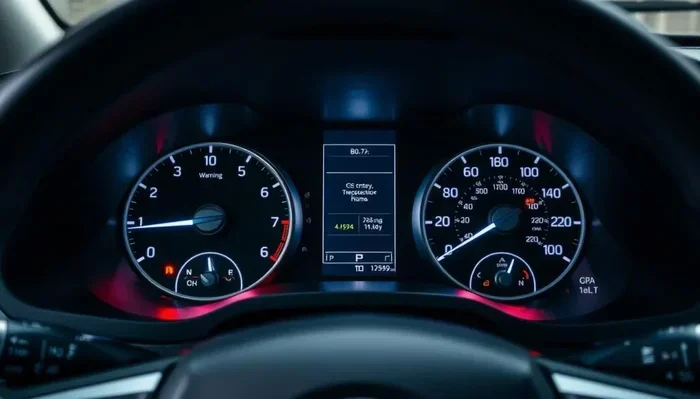
Keep an eye on your temperature gauge throughout the trip. If you notice the needle climbing into the hot zone, pull over safely and let the engine cool down. Continuing to drive while overheating can cause catastrophic engine damage.
It’s also a good idea to carry extra coolant in your trunk. A simple top-off can save you from a roadside breakdown in the middle of nowhere.
Plan Your Fuel Stops
Towing a trailer reduces your fuel economy significantly. A Toyota Corolla that normally gets 35 miles per gallon might drop to 22 or 25 MPG when towing a loaded trailer.
Plan your route around fuel stations and fill up more often than you normally would. Running low on fuel while towing is risky because it can cause the fuel pump to overheat. If you’re wondering how far you can push your fuel range, check out Can I Drive 10 Miles On Empty for important safety information about running on fumes.
What Happens If You Overload Your Corolla?
Overloading your Corolla while towing is one of the worst things you can do. It affects every part of the vehicle and creates dangerous driving conditions. Let’s look at what happens when you exceed the limits.
Suspension and Frame Damage
The Corolla’s suspension system isn’t built to handle heavy towing loads for extended periods. Excessive weight causes the springs and shocks to compress beyond their designed range, leading to premature wear and potential failure.
Over time, the frame can also suffer stress cracks. These are expensive to repair and can compromise the structural integrity of your car.
Axle and Drivetrain Wear
The extra weight puts additional stress on your axles and drivetrain components. Wheel bearings wear out faster, CV joints degrade, and the driveshaft can experience excessive vibration.
These components are expensive to replace, and neglecting them can lead to a breakdown in the middle of a move when you need your car the most.
Legal and Safety Consequences
Driving an overloaded vehicle is illegal in most states. If you’re pulled over, you could face fines and citations. More importantly, an overloaded car is harder to control and more likely to be involved in an accident.
If you’re concerned about weight limits in general, you might want to read 000 Lbs Heavy For A Car to understand how weight limits affect different vehicles on the road.
You should also be aware of weight limits on your car’s cargo capacity. If you’re curious about how much weight your vehicle can safely handle in different scenarios, check out Can I Put Too Much Weight In My Car for a detailed breakdown of vehicle weight limits and safety guidelines.
Final Verdict: Should You Tow a U-Haul With a Toyota Corolla?
So, can a Toyota Corolla pull a U-Haul? The answer is yes, but with important caveats. A small U-Haul cargo trailer within the 1,000 to 1,500-pound range is manageable for most Corolla models. Anything beyond that is a recipe for mechanical problems, safety risks, and potential legal issues.
If you’re moving a small studio apartment or just hauling a few boxes, your Corolla can do the job safely. Just follow the tips we’ve outlined: install the right hitch, distribute weight evenly, drive slower, monitor your engine temperature, and plan your fuel stops.
But if you’re moving a larger home with heavy furniture and appliances, you should seriously consider renting a bigger vehicle. U-Haul offers trucks and SUVs with towing packages designed for heavy loads. The extra rental cost is nothing compared to the cost of repairing a damaged Corolla or, worse, being involved in an accident.
Your Toyota Corolla is a fantastic daily driver. It’s economical, reliable, and easy to maintain. But towing a U-Haul trailer pushes it beyond its intended design limits. Respect those limits, plan carefully, and you can get through your move safely. Push those limits, and you’re inviting trouble.
Make the smart choice. Know your Corolla’s towing capacity. Load the trailer properly. Drive with caution. And if the job is too big for your Corolla, rent the right vehicle for the task. Your car, your wallet, and your safety will all thank you.
Frequently Asked Questions
Can a 2023 Toyota Corolla pull a U-Haul trailer?
Yes, a 2023 Toyota Corolla can pull a small U-Haul cargo trailer. The 2023 Corolla has a towing capacity of around 1,500 pounds when properly equipped. This is enough for a 4×6 or 5×8 utility trailer loaded with boxes and light furniture. Always check your specific model’s owner manual for exact towing specs.
Do I need a tow package to pull a U-Haul with a Corolla?
A tow package is not always required for light towing with a Corolla. Most Corolla models come with a standard Class I hitch receiver that can handle small trailers. However, a tow package that includes a transmission cooler and wiring harness is recommended for safer and more reliable towing performance.
How much does towing affect a Toyota Corolla’s fuel economy?
Towing a U-Haul trailer can reduce your Corolla’s fuel economy by 25 to 40 percent. A Corolla that normally gets 32 to 35 MPG may drop to 20 to 25 MPG while towing. Plan for extra fuel stops and budget accordingly for your moving trip.
What is the maximum U-Haul trailer size a Corolla can tow?
The maximum safe trailer size for a Toyota Corolla is a small 4×6 or 5×8 cargo trailer. These trailers typically weigh 400 to 700 pounds empty and can carry up to 1,500 pounds of cargo. Anything larger than this exceeds the Corolla’s towing capacity and poses serious safety risks.
Is it safe to tow a U-Haul trailer on the highway with a Corolla?
It can be safe if you stay within the towing limits and follow proper precautions. Keep your speed moderate, leave extra following distance, and monitor your engine temperature throughout the trip. Avoid highway driving during extreme heat, as this increases the risk of engine overheating while towing.
Can towing a U-Haul void my Toyota Corolla warranty?
Yes, towing beyond your Corolla’s rated capacity can void your warranty. Toyota’s warranty covers normal use of the vehicle. If damage is traced back to towing outside the manufacturer’s specifications, the warranty claim may be denied. Always stay within your vehicle’s stated towing limits.