How Big Is a Toyota Corolla Fuel Tank and Why It Matters
The Toyota Corolla fuel tank holds approximately 13.2 to 14.2 gallons depending on the model year and trim. This size offers a good balance between fuel capacity and vehicle weight, giving you a driving range of 400-600 miles on a full tank. Understanding your Toyota Corolla fuel tank size helps you plan trips, estimate costs, and maximize fuel efficiency.
When you’re buying a car or just trying to understand your daily driver better, fuel tank size might not be the first thing that comes to mind. But it matters more than you think. The Toyota Corolla fuel tank capacity directly affects how far you can drive, how often you need to stop for gas, and even how your car handles on the road.
The Toyota Corolla has been a favorite for decades because of its reliability, fuel efficiency, and practical design. Whether you’re commuting to work or planning a road trip, knowing your Toyota Corolla fuel tank size helps you make better decisions. In this article, we’ll dive deep into everything you need to know about the Corolla’s fuel tank.
We’ll cover the exact tank capacity across different model years, explain why fuel tank size matters, and give you practical tips to get the most out of every gallon. By the end, you’ll understand your car better and be more confident behind the wheel.
## Understanding Toyota Corolla Fuel Tank Capacity
The Toyota Corolla fuel tank has evolved over the years, just like the car itself. Different generations and trim levels come with varying tank sizes. Let’s break down what you can expect.
### Current Generation Corolla Fuel Tank Size
The latest Toyota Corolla models typically feature a fuel tank that holds 14.2 gallons. This capacity applies to most standard trim levels of the 2020 and newer models. The slightly larger tank compared to older versions gives drivers a bit more range without adding too much weight to the vehicle.
For those wondering about the exact dimensions, the tank is designed to fit efficiently within the car’s body. It’s not just about volume but also about how the space is used. Toyota engineers have optimized the placement to maximize passenger and cargo space while still offering a generous fuel capacity.
### Older Model Years and Variations
If you’re looking at older Corolla models, the Toyota Corolla fuel tank size might be slightly different. Models from the 2010-2019 range typically had tanks around 13.2 gallons. Earlier generations, like those from the 2000s, could have even smaller tanks, sometimes around 12.8 gallons.
The variation across model years comes down to design priorities. As cars have evolved, manufacturers have found ways to make tanks more efficient or slightly larger without compromising other aspects of the vehicle.
### How Trim Levels Affect Tank Size
Most Corolla trims share the same fuel tank size, but there are exceptions. Some sportier trims or special editions might have slightly different specifications. The base L trim and the higher-end SE or XSE trims generally use the same 14.2-gallon tank in recent models.
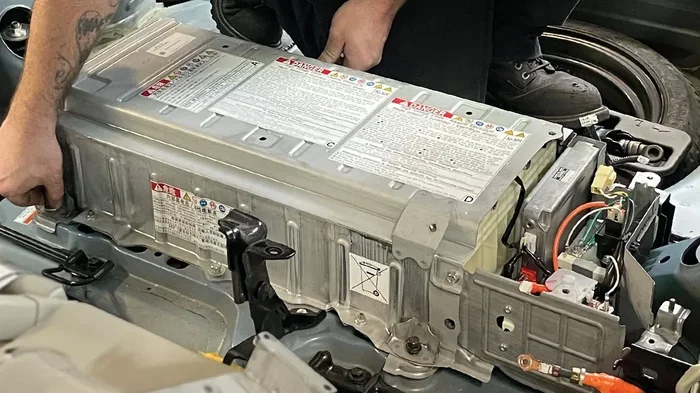
However, the hybrid version of the Corolla might have a different tank design. The hybrid system needs space for the battery pack, which can sometimes affect how much room is available for the fuel tank.
## Why Fuel Tank Size Matters
You might think a bigger tank is always better, but that’s not necessarily true. The Toyota Corolla fuel tank size is carefully chosen to balance several factors. Let’s explore why this matters.
### Driving Range and Convenience
The most obvious reason fuel tank size matters is driving range. With a 14.2-gallon tank and an average fuel economy of 32 miles per gallon, you can expect to drive about 450 miles on a full tank. That’s a long road trip without stopping for gas.
But driving range isn’t just about numbers. It’s about convenience. A larger tank means fewer trips to the gas station, which saves you time and hassle. For daily commuters, this can make a real difference in your routine.
### Weight and Vehicle Performance
Here’s something many people don’t consider: fuel weighs about 6 pounds per gallon. A full 14.2-gallon tank adds roughly 85 pounds to your vehicle. That’s significant weight that affects how your car drives.
More weight means more inertia, which can affect acceleration and braking. It also affects fuel economy – a heavier car uses more gas. Toyota has balanced the tank size to minimize this impact while still giving you enough fuel for most trips.
### Safety Considerations
Fuel tank design also involves safety. Toyota engineers consider crash safety when determining tank size and placement. A properly designed tank should protect the fuel from leaks during collisions. The Corolla’s tank design has been tested to meet or exceed safety standards.
Interestingly, the size of your fuel tank can even relate to other safety features. For instance, if you’re curious about how fast your pre-collision assist system activates, it’s worth noting that safety systems work together with overall vehicle design, including fuel tank placement.
## How Far Can a Toyota Corolla Go on a Full Tank?
Now let’s get to the practical question: how far can you actually drive on a full tank of gas? The answer depends on several factors.
### Calculating Your Range
To calculate your actual driving range, you need two numbers: your fuel tank capacity and your fuel economy. For the current Corolla with a 14.2-gallon tank and 32 MPG combined, the math is simple:
14.2 gallons × 32 MPG = 454 miles
Of course, real-world results vary. Your driving style, road conditions, and even the weather affect your actual range.
### Real-World Fuel Economy
Many Corolla owners report slightly different fuel economy numbers than the official ratings. Highway driving typically yields better MPG than city driving. If you mostly drive on highways, you might get 38-40 MPG, extending your range to over 500 miles on a full tank.
City driving with lots of stops and starts usually results in lower MPG, around 28-30. This means your range might be closer to 400 miles. Either way, the Toyota Corolla fuel tank gives you plenty of range for most driving situations.
### The Hybrid Advantage
The Toyota Corolla Hybrid deserves special mention here. While the hybrid system doesn’t change the basic fuel tank size, it dramatically improves fuel economy. With better MPG, the hybrid Corolla can go even farther on a single tank of gas.
The hybrid system works by using electric power at low speeds and switching to gas when more power is needed. If you’re curious about when exactly a hybrid switches from electric to gas power, it typically happens during acceleration or when the battery charge drops below a certain level.
## Tips to Maximize Your Toyota Corolla Fuel Tank
Getting the most out of your Toyota Corolla fuel tank isn’t just about the tank size – it’s about how you use it. Here are some practical tips to improve your fuel economy and get more miles per gallon.
### Drive Smoothly and Avoid Aggressive Driving
One of the biggest factors in fuel economy is how you drive. Aggressive acceleration and hard braking waste gas. Instead, accelerate smoothly and anticipate stops to coast gradually. This simple change can improve your MPG by 10-15%.
### Keep Your Tires Properly Inflated
Underinflated tires create more rolling resistance, which means your engine works harder and uses more fuel. Check your tire pressure at least once a month and keep them at the recommended PSI. You’ll find the recommended pressure on the driver’s side door jamb.
### Reduce Unnecessary Weight
Remember that extra weight affects fuel economy. Clean out your trunk and back seat of items you don’t need. That golf bag or set of golf clubs you keep in the trunk might be costing you a few miles per gallon.
### Use Cruise Control on Highways
Maintaining a steady speed on highways is more fuel-efficient than constantly changing speed. Cruise control helps you maintain a consistent pace, which can improve your fuel economy by 7-14% on highway trips.
### Regular Maintenance Matters
A well-maintained engine runs more efficiently. Regular oil changes, air filter replacements, and spark plug checks all contribute to better fuel economy. Neglecting maintenance can reduce your MPG and mean you need to fill up more often.
### Plan Your Trips Efficiently
Combining errands into one trip rather than making multiple short trips saves fuel. A warmed-up engine runs more efficiently than a cold one, so several short trips from a cold start use more gas than one longer trip.
## Comparing Toyota Corolla Fuel Tank to Other Models
How does the Toyota Corolla fuel tank compare to other popular compact cars? Let’s look at a few competitors.
### Corolla vs. Honda Civic
The Honda Civic typically comes with a 12.4-gallon fuel tank, which is smaller than the Corolla’s 14.2 gallons. However, the Civic often gets slightly better fuel economy, sometimes matching or exceeding the Corolla’s MPG. This means the Civic might have a slightly shorter range despite its smaller tank.
### Corolla vs. Mazda3
The Mazda3 offers a 13.2-gallon tank in most trims. Again, the Corolla has a larger tank, but the Mazda3’s fuel economy is competitive. The Mazda3 might have a slight edge in sporty driving dynamics, while the Corolla offers more range per fill-up.
### Corolla vs. Hyundai Elantra
The Hyundai Elantra comes with a 14.0-gallon tank, very close to the Corolla’s 14.2 gallons. Both cars offer similar range and fuel economy, making them comparable choices in the compact sedan segment.
### Quick Comparison Table
Here’s a quick comparison of fuel tank sizes across popular compact sedans:
| Model | Fuel Tank Capacity | Approximate Range (at 32 MPG) |
|——-|——————-|——————————-|
| Toyota Corolla | 14.2 gallons | 454 miles |
| Honda Civic | 12.4 gallons | 397 miles |
| Mazda3 | 13.2 gallons | 422 miles |
| Hyundai Elantra | 14.0 gallons | 448 miles |
As you can see, the Corolla holds the most fuel among these competitors, giving it a slight edge in driving range.
## Common Mistakes That Waste Fuel
Even with a good Toyota Corolla fuel tank size, certain habits can waste fuel and reduce your range. Here are some common mistakes to avoid.
### Ignoring the Check Engine Light
That little warning light on your dashboard isn’t just decoration. A check engine light can indicate problems that reduce fuel efficiency, from a loose gas cap to more serious engine issues. If it comes on, get it checked out.
### Filling Up When It’s Really Hot
Gasoline expands in heat, so filling up during the hottest part of the day means you’re getting slightly less fuel for your money. The fuel is denser when it’s cooler, so early morning or late evening is better for filling up.
### Idling Too Long
If you’re going to be stopped for more than a minute, turn off the engine. Idling gets zero miles per gallon while still burning fuel. This is especially wasteful in drive-through lines or when waiting for someone.
### Using the Wrong Gas Grade
The Corolla is designed to run on regular unleaded gasoline. Using premium gas won’t improve performance or fuel economy in most cases. Save your money and stick with the recommended fuel grade.
## Expert Insights on Fuel Tank Design
Automotive engineers consider many factors when designing a fuel tank. The Toyota Corolla fuel tank is no exception. Let’s look at some expert perspectives on what goes into fuel tank design.
### Space Optimization
Modern cars have less space for fuel tanks than older models because engineers need to accommodate more safety equipment, electronics, and comfort features. Toyota has done an excellent job of maximizing fuel capacity within the available space in the Corolla.
### Material Science
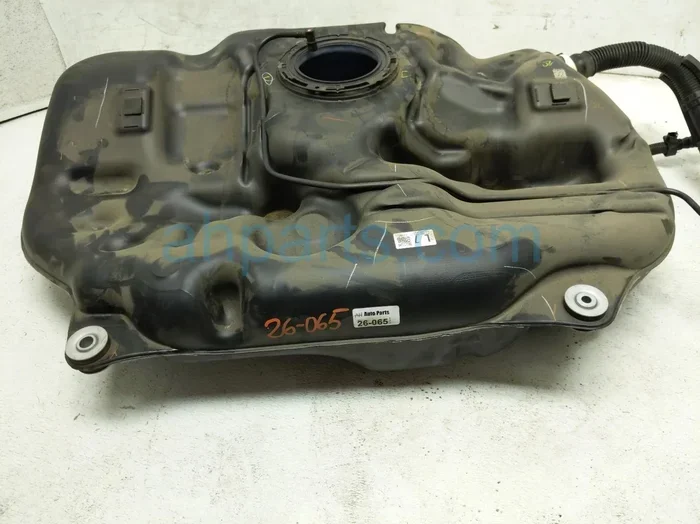
Today’s fuel tanks are made from high-density polyethylene (HDPE) plastic rather than metal. This material is lighter, doesn’t rust, and can be molded into complex shapes that fit better within the car’s body. The lighter weight improves fuel economy and handling.
### Emissions and Evaporative Controls
Modern fuel tanks include sophisticated evaporative emissions controls to prevent fuel vapors from escaping into the atmosphere. These systems add complexity but are essential for meeting environmental regulations. The Corolla’s tank design incorporates these systems without sacrificing capacity.
## The Future of Fuel Tank Design
As cars evolve, so does fuel tank design. With the rise of electric vehicles and hybrids, the traditional fuel tank is changing. But for now, the Toyota Corolla fuel tank represents a well-balanced approach to gasoline-powered driving.
### Hybrid Technology and Fuel Tanks
Hybrid vehicles like the Corolla Hybrid need to balance fuel capacity with battery space. The result is a slightly different tank design that’s optimized for the hybrid powertrain. Despite this, the Corolla Hybrid still offers excellent range and fuel economy.
### What’s Next?
Looking ahead, fuel tank design may continue to evolve. Some manufacturers are exploring lighter materials and more aerodynamic shapes. Toyota continues to innovate, and future Corolla models might feature even more efficient fuel storage solutions.
## Conclusion
The Toyota Corolla fuel tank size is a carefully considered design choice that balances range, weight, safety, and efficiency. With 14.2 gallons in most current models, the Corolla offers a practical driving range of 400-600 miles depending on your driving habits.
Understanding your fuel tank capacity helps you plan trips more effectively, estimate fuel costs, and appreciate the engineering that goes into your daily driver. Whether you’re a new Corolla owner or have been driving one for years, knowing these details makes you a more informed driver.
Remember, fuel tank size is just one piece of the puzzle. Combine your tank’s capacity with good driving habits, regular maintenance, and smart trip planning, and you’ll get the most out of every gallon.
Take a moment to check your fuel gauge more mindfully from now on. You might be surprised at how much you learn about your car’s habits and needs. The more you understand your vehicle, the better you can take care of it – and the more enjoyment you’ll get from every drive.
Key Takeaways
- Standard Capacity: The Toyota Corolla fuel tank typically holds between 13.2 and 14.2 gallons depending on the model year and trim level.
- Driving Range: A full tank can take you 400 to 600 miles, depending on driving habits and fuel efficiency.
- Hybrid vs. Gas: The hybrid Corolla may have a slightly different fuel tank design to accommodate the battery system.
- Fuel Efficiency Matters: A smaller tank doesn’t mean more trips to the gas station if your car gets good miles per gallon.
- Weight Consideration: A full fuel tank adds weight to your vehicle, which can affect handling and fuel economy.
- Model Variations: Different Corolla generations and trims may have slightly different tank sizes.
Frequently Asked Questions
What is the fuel tank capacity of a Toyota Corolla?
The Toyota Corolla fuel tank typically holds 14.2 gallons in current model years (2020 and newer). Older models from the 2010-2019 range usually had tanks around 13.2 gallons, while earlier generations could have tanks as small as 12.8 gallons.
How far can a Toyota Corolla go on a full tank?
With a 14.2-gallon tank and average fuel economy of 32 MPG, a Toyota Corolla can travel approximately 454 miles on a full tank. Highway driving can extend this range to over 500 miles, while city driving might reduce it to around 400 miles.
Does the Toyota Corolla Hybrid have a different fuel tank size?
The hybrid Corolla may have a slightly different tank design to accommodate the battery pack, but the fuel capacity is generally similar to the gas-only model. The hybrid system improves fuel economy, which means you can go farther on the same amount of fuel.
How often do you need to fill up a Toyota Corolla?
This depends on your driving habits and commute distance. With a 14.2-gallon tank and 32 MPG average, you could go 450+ miles before needing to refuel. If you drive 30 miles per day, you might only need to fill up every two weeks.
Does a larger fuel tank mean better fuel economy?
Not necessarily. Fuel economy depends more on engine efficiency, driving habits, and vehicle weight. A larger tank just means you can go farther between fill-ups. The Toyota Corolla fuel tank size is optimized for balance between range and efficiency.
Can hitting a deer damage the fuel tank of a Toyota Corolla?
Yes, a collision with a deer can potentially damage the fuel tank, depending on the impact location. If you’re concerned about whether hitting a deer can total your car, the fuel tank is one of the vulnerable components that could be compromised in such an accident. The Corolla’s tank is designed with safety in mind, but severe impacts can cause damage.