Car Jerks During Acceleration Common Causes Explained
Car jerks during acceleration is a common problem that can stem from several different systems in your vehicle. Whether it is a dirty throttle body, worn spark plugs, or a failing transmission, ignoring the issue can lead to bigger repairs and safety risks. This guide walks you through every major cause, how to spot the signs, and what steps to take next.
You are cruising down the road, foot on the gas, and suddenly your car lurches forward in an awkward, unsettling way. That jolt or shudder when you try to speed up is not normal. It is your vehicle sending you a clear signal that something needs attention.
Car jerks during acceleration is one of the most common complaints drivers bring to mechanics. The good news is that the cause is often something simple and inexpensive to fix. The bad news is that if you ignore it, the problem can snowball into a much bigger repair bill.
In this article, we will explore every major reason your car might jerk when you press the gas pedal. We will cover fuel system failures, ignition problems, dirty sensors, transmission troubles, and more. By the end, you will know what to look for and what action to take next.
Key Takeaways
- Multiple systems can cause jerking: Fuel delivery, ignition, sensors, and transmission issues are all common culprits behind rough acceleration.
- Early diagnosis saves money: Catching the problem early prevents costly damage to your engine, catalytic converter, or transmission.
- Spark plugs and fuel filters are cheap fixes: Many causes are simple and affordable to repair if you act quickly.
- Don’t ignore the check engine light: It is your car’s way of telling you something is wrong with acceleration or engine performance.
- Regular maintenance prevents jerking: Routine services like tune-ups and fuel system cleaning keep your car running smoothly.
- Safety matters: Jerking during acceleration can be dangerous, especially at highway speeds or in heavy traffic.
- Professional help is wise for complex issues: Transmission and sensor problems often need a qualified mechanic to diagnose correctly.
📑 Table of Contents
- Why Does Your Car Jerk When You Hit the Gas?
- Common Causes of Car Jerks During Acceleration
- Transmission Issues That Cause Rough Acceleration
- Fuel System Problems Behind Acceleration Jerks
- Sensor and Electrical Failures
- How to Diagnose and Fix the Problem
- Preventive Maintenance Tips
- When to See a Mechanic
- Key Takeaways
- Conclusion
Why Does Your Car Jerk When You Hit the Gas?
Your car needs a precise mix of air, fuel, and spark to accelerate smoothly. When any one of these elements is off, you feel it. The jerking sensation can range from a slight hesitation to a violent lurch that makes you grip the steering wheel tighter.
Think of it like breathing. If your air supply is blocked, you gasp and choke. The same thing happens to your engine. A disruption in airflow, fuel delivery, or spark timing throws off the entire combustion cycle. The result is rough, uneven power delivery that you feel through the pedals and the steering wheel.
Understanding the root cause starts with knowing the systems involved. Your engine relies on hundreds of moving parts working in perfect harmony. When one component fails or wears out, the whole system suffers. Let us break down the most common reasons car jerks during acceleration and what you can do about each one.
Common Causes of Car Jerks During Acceleration
Worn or Fouled Spark Plugs
Spark plugs are small but mighty. They create the electrical spark that ignites the fuel-air mixture in your engine cylinders. Over time, spark plugs wear out. The electrode erodes, and the gap widens. When that happens, the spark becomes weak or inconsistent.
A weak spark means incomplete combustion. Some cylinders fire properly while others misfire. That uneven firing is what causes your car to jerk or hesitate when you accelerate. You might also notice rough idling, poor fuel economy, or difficulty starting the engine.
The fix is straightforward. Replace your spark plugs on schedule. Most manufacturers recommend changing them every 30,000 to 100,000 miles depending on the type. If you have not changed yours in a while, this is the first thing to check. It is one of the cheapest repairs that can make the biggest difference in eliminating rough acceleration.
Dirty or Clogged Fuel Injectors
Fuel injectors spray precise amounts of fuel into each cylinder. When they are clean, the spray pattern is fine and even. But over time, carbon deposits and fuel residue build up on the injector tips. This clogs them and disrupts the spray pattern.
When fuel injectors are dirty, your engine gets too much or too little fuel in certain cylinders. This creates an imbalanced air-fuel mixture. The engine struggles to deliver smooth power, and you feel it as jerking or surging during acceleration.
You can prevent this with regular fuel system cleaning. Use a quality fuel additive every few thousand miles. For a more thorough cleaning, have a professional perform a fuel injector service. If the injectors are severely clogged, they may need to be replaced. Either way, addressing dirty injectors is one of the most effective ways to stop car jerks during acceleration.
Clogged Air Filter
Your engine needs air to breathe, just like you do. The air filter catches dust, dirt, and debris before they enter the engine. But over time, the filter gets clogged and restricts airflow.
When airflow is restricted, the engine runs rich, meaning too much fuel and not enough air. This creates a sluggish, jerky response when you press the gas pedal. You might also notice a decrease in fuel efficiency and overall engine performance.
Checking your air filter is easy and costs almost nothing. Most drivers can do it themselves in minutes. Hold the filter up to sunlight. If you cannot see light through it, it is time for a replacement. A clean air filter is one of the simplest ways to improve throttle response and prevent jerking.
Dirty Throttle Body
The throttle body controls how much air enters your engine. When you press the gas pedal, the throttle plate opens wider to let more air in. Over time, carbon buildup coats the throttle plate and bore.
A dirty throttle body disrupts the airflow and confuses the engine control unit (ECU). The result is an erratic idle and jerky acceleration. You might also notice stalling when coming to a stop or a delay in response when you step on the gas.
Cleaning the throttle body is a common maintenance task. A mechanic can do it quickly, or you can do it yourself with a throttle body cleaner spray and a soft cloth. Regular cleaning helps maintain smooth airflow and keeps acceleration response crisp and predictable.
Faulty Oxygen Sensor
The oxygen sensor measures the amount of unburned oxygen in your exhaust. It sends this data to the ECU, which uses it to adjust the air-fuel mixture. When the oxygen sensor fails or becomes contaminated, it sends incorrect readings.
A bad oxygen sensor causes the engine to run too rich or too lean. Both conditions lead to poor acceleration, jerking, and reduced fuel economy. You might also see the check engine light come on, which is your first clue that a sensor is malfunctioning.
Replacing an oxygen sensor is relatively affordable. However, ignoring it can cause more serious damage over time. A rich fuel mixture, for example, can clog the catalytic converter, which is an expensive repair. If your check engine light is on and you feel jerking during acceleration, have the oxygen sensor checked right away.
Failing Mass Airflow Sensor
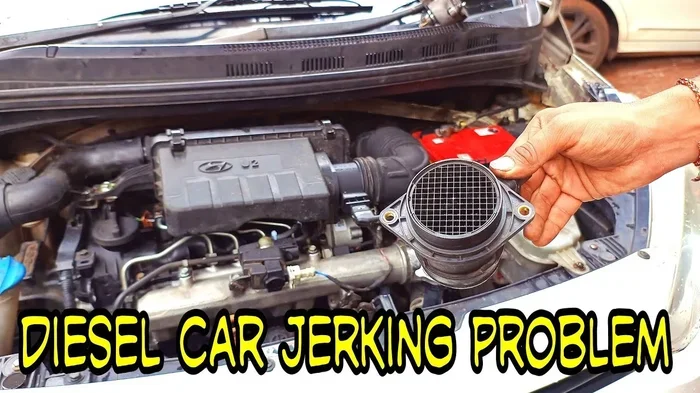
The mass airflow sensor (MAF) measures the amount of air entering the engine. The ECU uses this data to calculate the correct fuel amount for combustion. When the MAF sensor gets dirty or fails, it sends wrong information to the computer.
A faulty MAF sensor causes a host of drivability issues. You may experience hesitation, jerking, or stalling during acceleration. The engine might also surge unpredictably at highway speeds. In some cases, the car will not accelerate past a certain speed.
Cleaning the MAF sensor with a specialized cleaner can often restore proper function. If cleaning does not help, the sensor may need replacement. This is another relatively inexpensive fix that can eliminate acceleration hesitation and restore smooth power delivery.
Transmission Issues That Cause Rough Acceleration
Transmission Slipping
If your car jerks or feels like it is slipping out of gear during acceleration, the transmission could be the culprit. Transmission slipping happens when the clutch packs or bands inside an automatic transmission fail to hold the gear firmly.
You might notice the engine revving higher than usual without a corresponding increase in speed. The car may also jerk or hesitate before engaging the next gear. In manual transmissions, a worn clutch disc can cause similar symptoms.
Transmission problems should never be ignored. Low transmission fluid is a common cause of slipping. Check your fluid level and condition. If the fluid is dark, burnt-smelling, or low, a fluid change or top-off might help. However, internal transmission damage requires professional repair. Addressing transmission slipping early can prevent a complete transmission failure, which is one of the most expensive repairs a car can need.
Torque Converter Problems
The torque converter connects the engine to the transmission in automatic vehicles. It allows the car to stop smoothly without stalling the engine. When the torque converter malfunctions, it can cause shuddering or jerking during acceleration.
Common signs include vibration at highway speeds, rough shifting, and a sensation of the car stumbling when you step on the gas. A damaged torque converter lock-up clutch is often the cause.
Torque converter repairs range from simple fluid changes to full replacement. Regular transmission fluid changes go a long way in preventing torque converter issues. If you feel a persistent vibration or jerk when accelerating, have a transmission specialist inspect the torque converter.
Low or Dirty Transmission Fluid
Transmission fluid lubricates and cools the internal components of your transmission. It also provides the hydraulic pressure needed for smooth gear shifts. When the fluid is low or contaminated, gear changes become harsh and jerky.
You might notice the car lurching between gears or hesitation when shifting under acceleration. In severe cases, the transmission may slip entirely or fail to engage certain gears.
Check your transmission fluid regularly. Most manufacturers recommend changing it every 30,000 to 60,000 miles. Fresh, clean fluid keeps the transmission operating smoothly and extends its lifespan. This simple maintenance step can prevent many common rough acceleration issues related to the drivetrain.
Fuel System Problems Behind Acceleration Jerks
Weak Fuel Pump
The fuel pump sends gasoline from the tank to the engine under pressure. When the pump weakens, it cannot deliver fuel at the proper rate. The engine starves for fuel during hard acceleration and jerks or stumbles as a result.
Symptoms of a weak fuel pump include hesitation when you step on the gas, difficulty maintaining speed on hills, and stalling under load. In some cases, the car will not start at all if the pump fails completely.
Fuel pumps typically last 100,000 miles or more, but they can fail earlier, especially in vehicles driven in stop-and-go traffic or with consistently low fuel levels. Keeping your tank at least a quarter full helps reduce strain on the pump. If you suspect a weak fuel pump, have it tested and replaced if needed to restore consistent fuel delivery and eliminate car jerks during acceleration.
Clogged Fuel Filter
The fuel filter screens out debris and contaminants before fuel reaches the engine. Over time, it becomes clogged and restricts fuel flow. A clogged filter starves the engine, especially during acceleration when fuel demand increases.
The symptoms mirror those of a weak fuel pump. You feel a hesitation or jerk when you push the gas pedal. The car might also struggle on inclines or when carrying a heavy load.
Replacing the fuel filter is a quick and inexpensive job. Most filters should be changed every 20,000 to 40,000 miles. Check your owner’s manual for the recommended interval. A clean fuel filter ensures steady fuel flow and smooth acceleration without any annoying jerks or hesitations.
Fuel Pressure Regulator Failure
The fuel pressure regulator maintains consistent fuel pressure throughout the system. When it fails, fuel pressure drops or spikes unpredictably. This throws off the air-fuel mixture and causes rough acceleration.
Signs of a bad fuel pressure regulator include black smoke from the exhaust, fuel in the vacuum hose, and poor engine performance under load. The car may jerk or surge when you accelerate from a stop or while driving at steady speed.
Replacing the fuel pressure regulator is usually a straightforward repair. A mechanic can test fuel pressure with a gauge to confirm the diagnosis. Do not let a failing regulator go unchecked, as it can damage the catalytic converter and other expensive components over time.
Sensor and Electrical Failures
Ignition Coil Problems
Ignition coils convert the battery’s low voltage into the high voltage needed to create a spark at the plugs. When a coil fails, one or more cylinders lose their spark entirely. This causes a misfire that you feel as a strong jerk or hesitation during acceleration.
Common signs include engine misfires, rough idle, decreased fuel economy, and the check engine light. In modern vehicles, a failing coil often triggers a specific misfire code that a mechanic can read with a diagnostic scanner.
Ignition coils are relatively affordable to replace. Many mechanics recommend replacing all coils at once if one has failed, since the others are likely close to the end of their lifespan too. Addressing coil issues promptly prevents further damage and keeps your acceleration smooth and responsive.
Catalytic Converter Clog
The catalytic converter reduces harmful emissions by converting toxic gases into less harmful ones. Over time, it can become clogged with carbon buildup, especially if the engine has been running rich or misfiring for a long time.
A clogged catalytic converter creates back pressure that chokes the engine. You feel this as a loss of power, jerking during acceleration, and a hot or rotten-egg smell from the exhaust. In severe cases, the car may not accelerate past a certain speed at all.
Catalytic converter replacement is one of the more expensive repairs on this list. That is why it is critical to address the underlying causes, such as misfires or rich fuel mixtures, before they damage the converter. Regular maintenance and prompt attention to engine problems can prevent this costly failure.
Vacuum Leaks
Your engine relies on a sealed vacuum system to operate correctly. Vacuum hoses carry air and gases throughout the engine bay. When a hose cracks or disconnects, unmetered air enters the engine and throws off the air-fuel ratio.
The result is rough idling, hesitation during acceleration, and sometimes stalling. You might also hear a hissing sound coming from the engine bay. Vacuum leaks are common in older vehicles but can affect any car over time.
Finding a vacuum leak involves spraying carb cleaner around hoses and connections while the engine is running. If the idle changes, you have found the leak. Replacing the damaged hose or gasket is usually a simple and inexpensive fix. Regularly inspecting vacuum lines during routine maintenance helps prevent acceleration hesitation caused by leaks.
How to Diagnose and Fix the Problem
When your car jerks during acceleration, the first step is to narrow down the cause. Start by paying attention to when and how the jerking happens. Does it occur at low speeds or highway speeds? Is it worse when the engine is cold or warm? These details help pinpoint the problem.
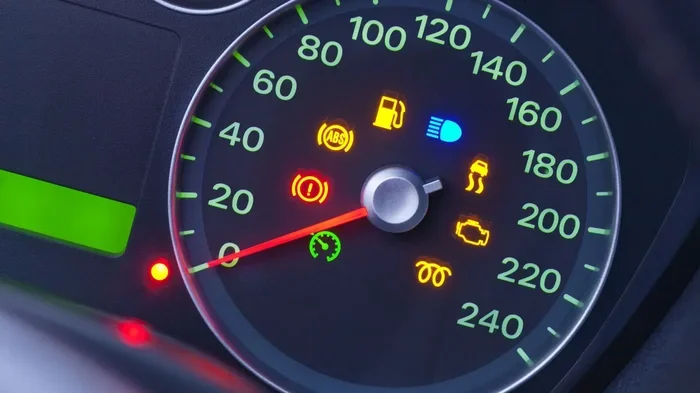
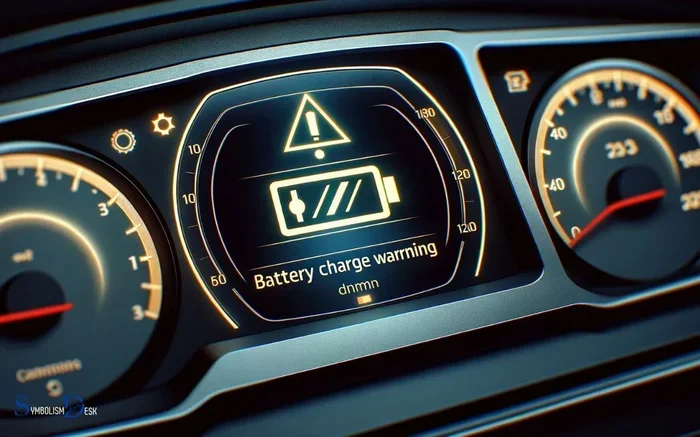
Next, check for warning lights on your dashboard. The check engine light is the most common indicator of drivability issues. A mechanic can plug in a diagnostic scanner to read trouble codes. These codes point directly to the failing component or system.
Here is a simple checklist you can follow:
- Check spark plugs: Look for wear, fouling, or excessive gap. Replace if needed.
- Inspect the air filter: Replace if dirty or clogged.
- Scan for trouble codes: Use a diagnostic tool to read error codes from the ECU.
- Check fuel pressure: A fuel pressure test reveals weak pumps or clogged filters.
- Inspect transmission fluid: Look for low levels, dark color, or burnt smell.
- Listen for unusual sounds: Hissing, grinding, or clicking can point to vacuum leaks or drivetrain problems.
- Check for vacuum leaks: Spray carb cleaner around hoses and listen for idle changes.
Some issues are easy to diagnose at home, while others require professional tools and expertise. Transmission problems, for example, almost always need a trained technician. But basic checks like spark plugs, air filters, and fluid levels are things any car owner can handle.
Do not try to drive through the jerking. It is not only uncomfortable but can also be dangerous, especially in traffic or on wet roads. Address the problem promptly to keep yourself and others safe on the road.
Preventive Maintenance Tips
The best way to prevent car jerks during acceleration is through regular maintenance. A well-maintained car runs smoothly and avoids most of the issues we have discussed. Here are the steps you should take to keep your vehicle in top shape.
- Follow the manufacturer’s service schedule: Stick to recommended oil changes, tune-ups, and fluid replacements.
- Replace spark plugs on time: Do not wait until they cause problems. Replace them at the intervals specified in your owner’s manual.
- Use quality fuel: Top-tier gasoline helps keep fuel injectors clean and reduces carbon buildup.
- Change the air filter regularly: A clean air filter ensures proper airflow and optimal engine performance.
- Keep transmission fluid fresh: Regular fluid changes prevent slipping and rough shifting.
- Address warning signs early: Do not ignore the check engine light, unusual sounds, or mild hesitation. Early action prevents major repairs.
- Drive gently: Avoid aggressive acceleration and hard braking. Smooth driving reduces wear on all components.
Consistent maintenance is the single most effective way to avoid drivability issues. It costs far less than major repairs and keeps your car reliable for years to come. Think of it as an investment in your vehicle’s longevity and your peace of mind.
When to See a Mechanic
Some causes of jerking during acceleration are easy to fix at home. But others require professional expertise. If you have checked the basics, such as spark plugs, air filter, and fluid levels, and the jerking persists, it is time to see a mechanic.
Also seek professional help if you notice any of the following:
- The check engine light is flashing, not just steady.
- The jerking is severe or happens at high speeds.
- You smell burning or notice smoke from the exhaust.
- The transmission slips or refuses to engage gears.
- You hear unusual noises like grinding or clunking.
These symptoms could indicate serious problems that need immediate attention. Driving with a damaged transmission or a failing fuel system can lead to complete breakdowns and expensive repairs. A qualified mechanic has the tools and experience to diagnose the issue accurately and recommend the right fix.
Key Takeaways
- Spark plugs and fuel injectors are the most common culprits: Regular replacement and cleaning prevent most acceleration jerking issues.
- Transmission problems are serious and costly: Never ignore slipping or jerking that feels like it is coming from the drivetrain.
- Sensors control everything: Bad oxygen sensors, MAF sensors, and ignition coils all cause jerking during acceleration.
- Simple maintenance goes a long way: Clean filters, fresh fluid, and timely tune-ups keep your car running smoothly.
- Early diagnosis saves money: The longer you wait, the more damage a small problem can cause.
- Safety should always come first: If your car jerks badly during acceleration, get it checked before driving long distances.
Conclusion
Car jerks during acceleration is a frustrating and sometimes frightening experience. But the good news is that in most cases, the cause is something fixable. Whether it is worn spark plugs, a dirty throttle body, a failing fuel pump, or a transmission issue, each problem has a clear solution.
The key is to pay attention to the warning signs your car gives you. Jerking, hesitation, and rough acceleration are not normal. They are symptoms that something is out of balance in your vehicle. The sooner you address the issue, the better off your car and your wallet will be.
Start with the simple checks. Replace spark plugs, change the air filter, and keep up with fluid services. If the problem persists, take your car to a trusted mechanic. A professional diagnosis can uncover hidden issues and get you back on the road with confidence.
Your car depends on you to take care of it. Give it the attention it needs, and it will reward you with smooth, reliable performance every time you press the gas pedal.
Frequently Asked Questions
What causes a car to jerk when accelerating at low speeds?
At low speeds, jerking during acceleration is often caused by dirty fuel injectors, worn spark plugs, or a clogged air filter. These issues disrupt the air-fuel mixture and create uneven combustion. A dirty throttle body can also cause jerking at low speeds because it restricts proper airflow to the engine.
Is it safe to drive a car that jerks during acceleration?
It is not recommended. Jerking can be unpredictable and may worsen while driving, especially in traffic or at highway speeds. It can also indicate underlying problems that could lead to a breakdown. Have the car inspected as soon as possible to avoid safety risks and further damage.
How much does it cost to fix a car that jerks during acceleration?
The cost varies widely depending on the cause. Spark plug replacement can cost under 100 dollars. Fuel injector cleaning may run 100 to 300 dollars. Transmission repairs can range from 500 to 3000 dollars or more. Getting an early diagnosis keeps costs down and prevents expensive repairs.
Can a clogged catalytic converter cause jerking during acceleration?
Yes. A clogged catalytic converter creates exhaust back pressure that chokes the engine. This leads to power loss, jerking, and hesitation during acceleration. It is one of the more serious causes and usually requires professional replacement if the clog is severe.
How often should I change my spark plugs to prevent jerking?
Most spark plugs need replacement every 30000 to 100000 miles depending on the type and vehicle model. Check your owner’s manual for the exact interval. Replacing spark plugs on schedule is one of the easiest ways to prevent rough acceleration and engine misfires.
Can bad fuel cause my car to jerk when accelerating?
Yes. Contaminated or low-quality fuel can disrupt combustion and cause jerking. Water or debris in the fuel tank can clog injectors and starve the engine. If you suspect bad fuel, drain the tank and refill with clean, top-tier gasoline to restore smooth acceleration.