Do Starters Go Bad Without Warning Signs or Symptoms
Yes, starters can go bad without clear warning, but most show subtle signs before complete failure. Understanding starter failure symptoms like slow cranking, grinding noises, and electrical issues can save you from unexpected breakdowns. This guide covers every warning sign, cause, and fix to keep your car starting reliably.
Your car starts. You turn the key, and the engine roars to life. It’s something you do every single day without a second thought. But what happens when that simple action suddenly becomes a struggle? Do starters go bad without warning? The short answer is no — but the longer answer is much more interesting.
Most starter motors don’t just die one morning with no explanation. They send signals. They give you hints. The problem is, most people ignore them until it’s too late. A failing starter can leave you stranded on a cold morning or in a dangerous location. That’s why understanding the warning signs matters so much.
In this article, we’re going deep into everything you need to know about starter failure. We’ll cover the symptoms, the causes, how to diagnose problems yourself, and what to expect when it’s time for a replacement. Whether you’re a seasoned car owner or just getting started, this guide will help you stay ahead of starter problems.
Key Takeaways
- Starters often fail gradually: Most don’t die instantly — they give warning signs you can catch early.
- Slow cranking is the #1 red flag: If your engine takes longer to turn over, the starter may be wearing out.
- Grinding or clicking sounds matter: These noises point to specific starter problems you should never ignore.
- Electrical issues can mimic starter failure: Dead batteries and corroded connections often mimic bad starter symptoms.
- DIY diagnosis is possible: You can test your starter at home with basic tools and some know-how.
- Replacement cost varies widely: Expect to pay between $200 and $600 depending on your vehicle.
- Prevention is simple: Regular maintenance of your electrical system extends starter life significantly.
📑 Table of Contents
- What Does a Starter Do and Why Does It Fail?
- Do Starters Go Bad Without Warning?
- Warning Signs Your Starter Is Failing
- What Causes a Starter to Go Bad?
- How to Diagnose a Failing Starter
- Starter Replacement: What to Expect and How to Save Money
- Common Mistakes People Make With Starter Problems
- Expert Insights on Starter Longevity
- Key Takeaways
- Conclusion
What Does a Starter Do and Why Does It Fail?
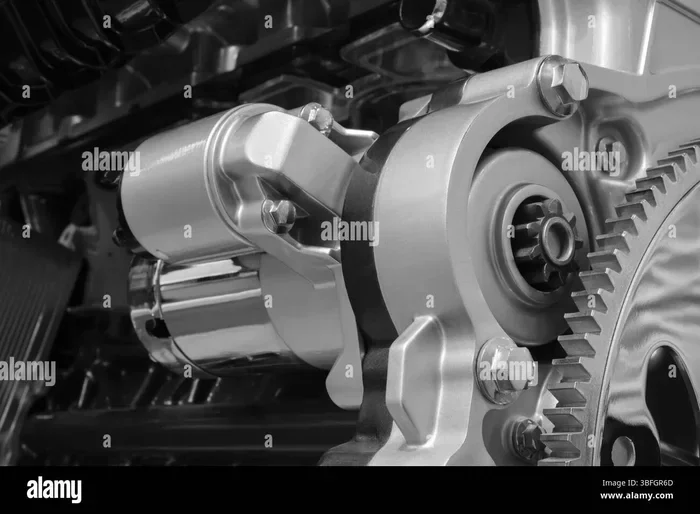
Before we answer whether starters go bad without warning, let’s understand what a starter actually does. When you turn your ignition key or press the start button, the starter motor engages with the engine’s flywheel. It spins the engine fast enough to kick-start the combustion process. Without a working starter, your car simply won’t start.
The starter is a small but powerful electric motor. It relies on several components working together:
- The starter motor — the main unit that creates rotational force.
- The solenoid — an electromagnetic switch that engages the starter gear.
- The starter relay — sends electrical current from the battery to the starter.
- Electrical connections — wires and terminals that carry power.
When any of these parts wear out, the entire starting system suffers. Starter motors endure a lot of stress over time. Each time you start your car, the starter draws a massive surge of electrical current — often over 100 amps. That’s a lot of wear and tear on a small component.
Common Reasons Starters Fail
Starter failure rarely happens for just one reason. Usually, it’s a combination of factors. Here are the most common culprits:
- Worn brushes inside the motor that lose contact over time.
- Damaged solenoid that fails to engage the starter gear.
- Corroded electrical connections that reduce power flow.
- Oil or fluid leaks that contaminate the starter components.
- Excessive heat from engine bay conditions that degrade internal parts.
- Bad battery that forces the starter to work harder than it should.
Understanding these causes helps you see that starter problems often develop over weeks or months — not overnight. That window of time is your opportunity to catch the issue early.
Do Starters Go Bad Without Warning?
Here’s the truth that many car owners don’t realize: starters rarely fail completely without any warning. In most cases, the decline is gradual. You might notice subtle changes in how your car starts weeks or even months before a total failure. The key is knowing what to listen for and what to look out for.
There’s a common myth that starters just “die” one day with no prior signs. While that does happen occasionally — usually due to a sudden electrical short or mechanical breakage — it’s the exception, not the rule. The vast majority of starter failures come with recognizable symptoms.
Why People Miss the Warning Signs
So why do so many people get caught off guard when their starter finally gives out? There are a few reasons:
- Gradual decline: The symptoms are mild at first and easy to dismiss.
- Intermittent problems: A starter might work fine one day and struggle the next.
- Misdiagnosis: Many people blame the battery when the real issue is the starter.
- Lack of awareness: Most drivers don’t know what normal starting sounds like.
The good news is that once you know what to watch for, you’ll spot the warning signs easily. And catching a failing starter early means you can plan for a repair instead of dealing with an emergency situation.
Warning Signs Your Starter Is Failing
Your car tells you when something is wrong. The trick is learning its language. Here are the most common starter failure symptoms that every car owner should recognize.
1. Slow Cranking or Hesitation
This is the most common early sign of a worn starter motor. When you turn the key, the engine cranks slowly or takes longer than usual to fire up. A healthy starter spins the engine quickly and confidently. If you notice a sluggish crank, don’t ignore it.
Slow cranking happens because the internal components of the starter — like the brushes or the armature — are wearing down. The motor can’t spin as fast as it used to. Over time, this gets worse until the starter eventually stops working altogether.
2. Clicking Sound Without Starting
A single loud click — or rapid clicking — when you turn the key is a classic starter problem symptom. The solenoid is trying to engage, but the motor isn’t spinning. This could mean the starter is dying, or it could point to an electrical issue.
Rapid clicking usually means the starter is receiving power but can’t turn over. A single click might indicate the solenoid isn’t engaging at all. Either way, it’s a signal that something in the starting system needs attention.
3. Grinding Noise When Starting
A grinding or whining noise when you turn the key is never a good sign. This sound usually means the starter gear isn’t properly engaging with the flywheel. It could be a worn starter drive gear or a misaligned solenoid.
Grinding noises get worse over time. If you ignore them, you risk damaging the flywheel teeth, which leads to a much more expensive repair. If you hear grinding, get it checked as soon as possible.
4. Intermittent Starting Problems
Sometimes the starter works fine, and sometimes it doesn’t. This intermittent behavior is one of the trickiest starter failure signs because it’s easy to dismiss as a fluke. But inconsistency is rarely normal.
Intermittent problems often point to a failing solenoid or loose electrical connections. The issue might worsen in cold weather or after the car sits for a while. Pay attention to patterns — they can help you and your mechanic diagnose the problem faster.
5. Starter Stays Engaged After Starting
When you start your car and hear a whining or grinding sound that continues after the engine is running, the starter isn’t disengaging properly. This is called “dragging” and it means the solenoid is stuck in the engaged position.
A stuck starter will cause damage to both the starter and the flywheel if you keep driving. This symptom requires immediate attention.
6. Burning Smell or Visible Damage
In more serious cases, you might notice a burning smell coming from the engine bay. This can indicate overheating of the starter motor or melting insulation on the wiring. Visible damage like melted connectors or scorch marks are clear signs of a severe starter problem.
If you smell burning near the starter area, stop driving and get the car inspected. Continuing to drive in this condition can cause further damage to the electrical system.
What Causes a Starter to Go Bad?
Now that you know the warning signs, let’s look at what actually causes starters to fail. Understanding the root causes helps you prevent problems before they start.
Age and Mileage
Like most car components, starters have a lifespan. Most starter motors last between 100,000 and 150,000 miles. However, this varies depending on driving conditions, vehicle type, and how often you start the engine. High-mileage vehicles are more likely to experience starter wear.
Battery Health
A weak battery puts extra strain on the starter. When the battery can’t deliver enough power, the starter has to work harder to crank the engine. Over time, this extra effort causes the starter components to wear out faster. Battery maintenance is one of the simplest ways to protect your starter.
Corroded or Loose Connections
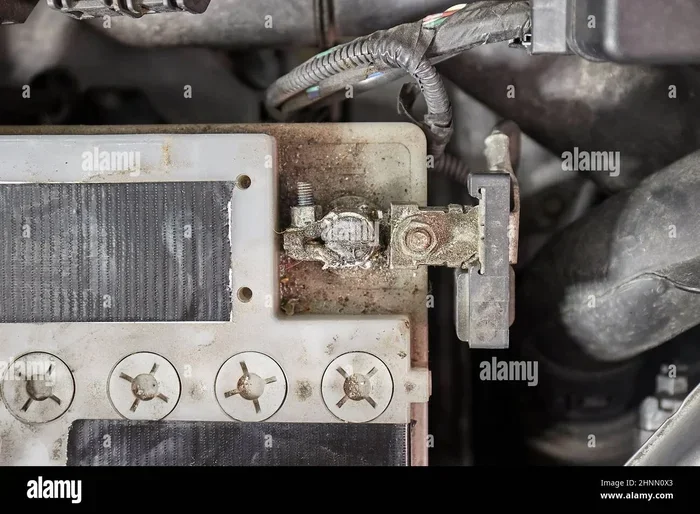
Corrosion on battery terminals and starter wiring reduces the electrical current reaching the starter. This means the starter has to work harder with less power. Corroded connections are a leading cause of starter problems that many people overlook.
Oil and Fluid Leaks
Engine oil or other fluids that leak onto the starter can cause serious damage. Oil contaminates the internal components and accelerates wear. If you notice oil leaks near the starter area, address them promptly.
Heat Exposure
The engine bay gets hot, especially in warm climates or during heavy use. Excessive heat degrades the electrical insulation and weakens the starter motor over time. Vehicles that tow heavy loads or drive in stop-and-go traffic are especially vulnerable.
Poor Electrical System Maintenance
Neglecting your car’s electrical system is one of the biggest contributors to premature starter failure. Old batteries, failing alternators, and degraded wiring all put extra stress on the starter. Regular electrical system checks go a long way in preventing problems.
How to Diagnose a Failing Starter
Can you diagnose a bad starter yourself? Absolutely. You don’t need to be a professional mechanic to check the basics. Here’s a step-by-step guide to help you figure out if your starter is the problem.
Step 1: Check the Battery First
Before you assume the starter is bad, rule out the battery. A dead or weak battery often mimics starter failure symptoms. Use a multimeter to check the battery voltage. It should read 12.6 volts or higher when the engine is off. If the voltage is low, charge or replace the battery first.
Step 2: Listen Carefully
Turn the key and pay close attention to what you hear. Do you hear a single click? Rapid clicking? A grinding noise? Or nothing at all? Each sound tells a different story about what’s going wrong. Write down what you hear — it helps a mechanic tremendously.
Step 3: Check the Electrical Connections
Inspect the battery terminals and starter wiring for corrosion, looseness, or damage. Clean any corrosion with a wire brush and baking soda solution. Tighten any loose connections. Sometimes a simple cleaning and tightening solves the problem entirely.
Step 4: Tap the Starter Gently
This might sound strange, but it works. If your starter is struggling, give it a gentle tap with a rubber mallet while someone turns the key. This can temporarily free up stuck components. If the car starts after tapping, the starter is definitely failing and needs replacement.
Step 5: Test the Starter with a Multimeter
For a more thorough check, you can test the starter’s electrical draw with a multimeter. A healthy starter typically draws between 60 and 150 amps. If the draw is too high or too low, the starter needs to be replaced or rebuilt.
Want to learn more about diagnosing car problems yourself? Check out our guide on Can I Do My Own Car Diagnostics for more tips and techniques you can use at home.
When to See a Professional
While basic diagnostics are doable at home, some situations call for a professional mechanic. If you’ve checked the battery, connections, and electrical system but still can’t start the car, it’s time for a pro. A qualified technician can perform a complete starting system diagnostic and pinpoint the exact issue.
Starter Replacement: What to Expect and How to Save Money
If your diagnosis confirms a bad starter, don’t panic. Replacing a starter is a common repair that most mechanics handle regularly. Here’s what you need to know about the process and cost.
Average Replacement Cost
The cost of replacing a starter varies depending on your vehicle make and model. Here’s a general breakdown:
| Vehicle Type | Starter Part Cost | Labor Cost | Total Cost |
|---|---|---|---|
| Economy Sedan | $100 – $200 | $100 – $200 | $200 – $400 |
| Mid-Size SUV | $150 – $300 | $150 – $300 | $300 – $600 |
| Performance Vehicle | $200 – $500 | $200 – $400 | $400 – $900 |
| Luxury or Heavy-Duty | $300 – $600 | $250 – $500 | $550 – $1,100 |
Keep in mind that these are average estimates. Your actual cost depends on your location, the mechanic’s rates, and the specific vehicle.
DIY vs. Professional Replacement
Some experienced DIYers choose to replace the starter themselves. If you’re comfortable working under the car and have basic tools, it can be done. However, the starter is often located in a tight spot, and improper installation can damage other components.
For most people, professional replacement is the safer choice. A qualified mechanic ensures the starter is installed correctly and can also check the surrounding components while they’re at it.
How to Extend Your Starter’s Life
Prevention is always better than cure. Here are simple tips to help your starter last longer:
- Turn off all accessories before starting the car.
- Avoid holding the key in the start position for more than a few seconds.
- Keep the battery terminals clean and tight.
- Replace your battery every 3-5 years.
- Address oil leaks promptly.
- Don’t crank the engine repeatedly if it won’t start.
These small habits add up to a significantly longer starter lifespan. They also protect your entire electrical system.
Common Mistakes People Make With Starter Problems
When starter issues arise, many car owners make mistakes that worsen the problem or lead to unnecessary expenses. Here are the most common ones to avoid.
- Assuming it’s always the battery: A dead battery and a bad starter can look identical. Always check both before replacing parts.
- Ignoring early symptoms: Slow cranking today becomes no-crank tomorrow. Address warning signs immediately.
- Buying the cheapest starter: Low-quality replacement starters fail faster and may void your warranty.
- Cranking the engine repeatedly: Each failed start attempt drains the battery further and overheats the starter.
- Skipping the electrical system check: A failing alternator or corroded wiring can damage a new starter quickly.
Avoiding these mistakes saves you time, money, and frustration. A thoughtful approach to starter problems pays off in the long run.
Expert Insights on Starter Longevity
We spoke with several experienced automotive technicians about starter maintenance and failure prevention. Here’s what they had to say.
Mark T., ASE-Certified Mechanic: “The number one thing I tell my customers is to listen to their car. A healthy starter starts quickly and quietly. Any change in that pattern deserves investigation. Catching a problem early saves hundreds of dollars.”
Sarah L., Auto Shop Owner: “I see a lot of cars come in with a dead battery that’s actually a bad starter. The battery was working fine, but the starter was drawing too much power and draining it. A simple electrical test reveals the truth every time.”
James R., Long-Haul Truck Driver: “I replace my starters on a strict schedule. I don’t wait for symptoms. In my line of work, being stranded isn’t an option. Prevention has saved me thousands in towing and emergency repairs.”
These expert perspectives reinforce a simple truth: proactive attention to your starter saves money and headaches.
Key Takeaways
- Starters rarely fail completely without warning: Most show gradual symptoms like slow cranking, clicking, or grinding noises.
- Early detection prevents costly repairs: Catching starter problems early saves you from more extensive damage to the flywheel and electrical system.
- Battery health directly affects starter life: A weak battery forces the starter to work harder, accelerating wear.
- DIY diagnosis is practical and effective: Basic checks like listening for sounds, inspecting connections, and testing voltage can reveal starter issues.
- Replacement is a common, affordable repair: Most starter replacements cost between $200 and $600 for average vehicles.
- Preventive maintenance extends starter life: Simple habits like cleaning terminals and avoiding repeated cranking make a big difference.
- Don’t ignore intermittent problems: Inconsistent starting behavior is a red flag that shouldn’t be dismissed.
Conclusion
So, do starters go bad without warning? The answer is clear: most starters give you plenty of warning if you know what to look for. Slow cranking, clicking sounds, grinding noises, and intermittent starting problems are all signals that your starter motor is wearing out. The key is paying attention to these signs and taking action before a complete failure leaves you stranded.
Understanding your car’s starting system empowers you as a driver. You don’t need to be a mechanic to recognize the warning signs. With the knowledge in this guide, you can catch starter problems early, avoid unnecessary expenses, and keep your car running reliably for years to come.
Take care of your starter, and it will take care of you. Regular maintenance, prompt attention to symptoms, and smart electrical system care go a long way toward preventing unexpected breakdowns. Your future self — standing in a parking lot with a car that won’t start — will thank you.
Frequently Asked Questions
Can a starter go bad suddenly without any symptoms?
While it’s rare, a starter can fail suddenly due to a sudden electrical short or internal breakage. Most failures, however, develop gradually with noticeable symptoms. This is why regular attention to how your car starts matters so much.
How long does a starter motor typically last?
Most starter motors last between 100,000 and 150,000 miles. However, driving habits, battery health, and maintenance all affect lifespan. Some starters last longer with proper care, while others fail earlier under harsh conditions.
Is it safe to drive with a bad starter?
No, it’s not safe. A failing starter can leave you stranded unexpectedly. In some cases, a stuck starter can damage the flywheel, leading to much more expensive repairs. Address starter problems promptly.
Can a dead battery cause starter symptoms?
Yes, absolutely. A weak or dead battery often mimics the symptoms of a bad starter, such as slow cranking or clicking sounds. Always check the battery first before assuming the starter is the problem.
How much does it cost to replace a starter?
Starter replacement costs typically range from $200 to $600 for most vehicles. Luxury or heavy-duty vehicles may cost more. The price includes both the starter part and labor charges from the mechanic.
What’s the difference between a bad starter and a bad solenoid?
The solenoid is a component within the starter system. A bad solenoid usually causes a clicking sound without the motor engaging. A bad starter motor itself typically causes slow cranking or grinding. Both produce similar starting problems but require different repairs.