Does Clear Window Tint Really Protect Against UV Rays
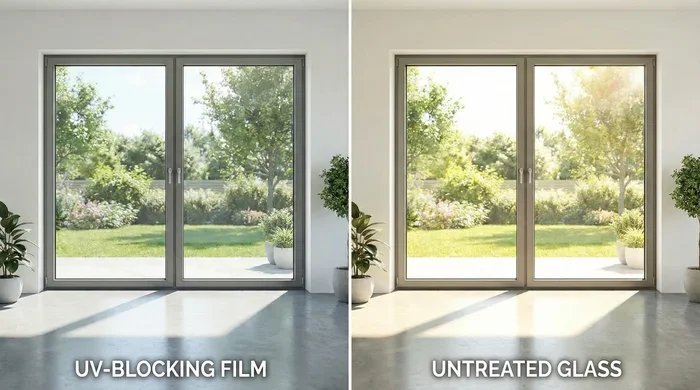
Does clear window tint protect against UV rays? The short answer is yes — but not all clear films are created equal. Clear window tint can block up to 99% of harmful ultraviolet rays, shielding your skin and your car’s interior. This guide breaks down the science, benefits, and myths so you can make an informed choice for your vehicle.
You probably know that too much sun exposure is bad for your skin. But did you know that your car windows might not be blocking all the harmful rays? Many drivers assume their factory glass offers enough clear window tint UV protection. The truth is, standard car windows only block about 25% of UV rays. That leaves you and your passengers exposed during every drive.
If you have ever noticed your dashboard cracking or your seats fading, sun damage is likely the culprit. This is where clear window tint comes into the picture. It offers a simple, nearly invisible solution that can make a huge difference. In this article, we will explore exactly how clear window tint works, whether it really protects against UV rays, and why so many car owners are choosing it.
Whether you are into car detailing or just want to keep your vehicle looking newer longer, understanding UV protection is essential. Let us dive into the facts and help you decide if clear window film is right for your ride.
Key Takeaways
- UV Protection Is Real: Quality clear window tint can block up to 99% of UVA and UVB rays.
- It Protects Your Skin: Driving without UV protection increases your risk of sun damage and skin aging.
- Interior Preservation: Clear tint helps prevent dashboard cracking, seat fading, and upholstery damage.
- Not All Clear Films Are Equal: Visible light transmission and UV rejection rates vary by product.
- Legal Compliance Matters: Check your local window tinting laws before installation.
- Clear Tint vs. Dark Tint: Clear films offer UV protection without changing your car’s appearance.
- Professional Installation Helps: A proper car detailing job ensures the film lasts longer and works better.
📑 Table of Contents
What Is Clear Window Tint?
Clear window tint is a thin film applied to the inside of your car windows. Unlike traditional tinted films, it is designed to be nearly invisible. You get all the benefits of window tinting without changing how your car looks. This makes it a popular choice among car owners who want protection without style changes.
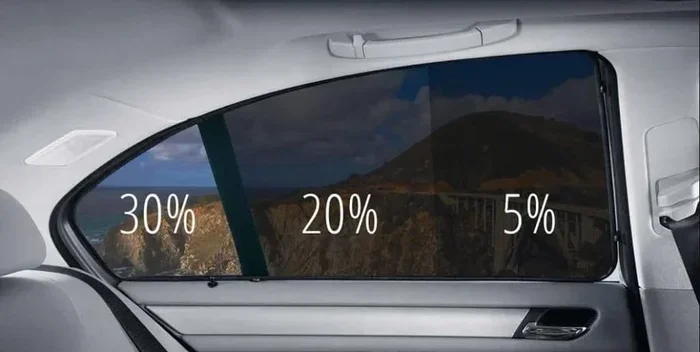
The film is typically made from multiple layers of polyester and adhesive. Some products include ceramic or carbon particles that block UV and infrared rays. The result is a clear layer that lets in plenty of light while rejecting harmful solar energy. Most clear films have a visible light transmission (VLT) rating above 70%, which means they stay very transparent.
How Clear Window Film Differs from Regular Tint
Regular window tint darkens your glass to reduce glare and heat. Clear window film, on the other hand, focuses on blocking UV radiation and infrared heat without darkening the glass. You get the functional benefits of tinting while maintaining full visibility. This is especially useful for drivers who live in sunny climates or spend a lot of time on the road.
Here are the key differences between clear and traditional tint:
- Appearance: Clear film stays invisible, while dark tint changes the look of your car.
- UV Blocking: Quality clear film can block up to 99% of UV rays, which some dark tints also do.
- Heat Rejection: Clear films reject infrared heat without darkening the glass.
- Legality: Clear tint is usually legal everywhere since it does not darken windows.
- Visibility: Clear film maintains natural visibility, which is great for night driving.
How Does Clear Window Tint Block UV Rays?
The science behind clear window tint UV protection is actually fascinating. Ultraviolet rays are part of the solar spectrum that reaches your car every time you drive. These rays are invisible to the naked eye, but they carry enough energy to cause real damage over time. Clear window film uses special layers that absorb or reflect these rays before they enter your vehicle.
Most quality clear films use a multi-layer construction. The outer layer helps with scratch resistance. The middle layer contains UV-absorbing particles. The inner layer bonds to your glass with a strong adhesive. Together, these layers create a barrier that stops UV radiation in its tracks. Some films also block a significant portion of infrared rays, which are responsible for the heat you feel inside your car.
Understanding UVA and UVB Rays
Not all ultraviolet rays are the same. UVA rays penetrate deeper into the skin and cause premature aging. UVB rays are the main cause of sunburn and skin cancer. Both types reach you through car windows. Standard automotive glass blocks most UVB rays but lets a large amount of UVA through. This is why drivers often get more sun damage on the left side of their face in left-hand drive countries.
Good clear window tint blocks both UVA and UVB rays effectively. This means you get balanced protection on all exposed skin. Over time, this can significantly reduce your cumulative sun exposure. That is a big deal for your long-term health.
The Role of Infrared Rejection
Infrared rays are what make your car feel like a sauna on a hot day. While they are not as dangerous as UV rays, they cause discomfort and fade your interior. Many clear window films also offer strong infrared rejection. This keeps your car cooler and protects your seats, dashboard, and steering wheel from heat damage. The combination of UV and infrared blocking makes clear tint a smart investment for any vehicle.
Benefits of Clear Window Tint for Your Car
Adding clear window tint to your car comes with a long list of benefits. It is not just about looking cool or staying legal. The real value lies in the protection it offers to you and your vehicle. Let us look at the biggest advantages.
1. Protects Your Skin
The American Academy of Dermatology warns that prolonged UV exposure while driving increases skin cancer risk. Drivers who spend hours on the road are especially vulnerable. Clear window tint creates a shield that blocks most of these harmful rays. This is one of the most important health benefits you can add to your daily commute.
2. Preserves Your Car’s Interior
Sun damage is one of the fastest ways to age your car’s interior. Dashboards crack, seats fade, and leather dries out. Clear window tint UV protection slows this process dramatically. By blocking UV rays, the film helps your interior look newer for years. If you have invested in quality leather seats or a nice dashboard, this protection is invaluable.
3. Reduces Glare and Eye Strain
Glare from the sun can make driving dangerous, especially during sunrise and sunset. Clear window tint reduces glare without darkening your view. This means less eye strain on long road trips. You stay more comfortable and focused, which improves safety for everyone in the car.
4. Keeps Your Car Cooler
Infrared heat makes your car unbearably hot in the summer. Clear window film rejects a good portion of this heat before it enters. Your cabin stays cooler, which means your air conditioning does not have to work as hard. Over time, this can even improve your fuel efficiency slightly. It is a small benefit, but it adds up.
5. Adds a Layer of Safety
Clear window film holds shattered glass together in the event of an accident or break-in. This can prevent injuries from flying glass and make it harder for thieves to break your windows. While no film can make your car break-in proof, it does add an extra layer of security. This is a benefit many car owners do not think about until they need it.
Clear vs. Tinted Window Films: What’s the Difference?
Choosing between clear and traditional tint can be confusing. Both offer UV protection, but they serve different needs. Understanding the differences helps you pick the right option for your car and lifestyle.
Appearance and Visibility
Clear window tint is virtually invisible. It does not change the color or shade of your glass. Traditional tint comes in various shades, from light to very dark. If you want the protection without altering your car’s look, clear tint is the clear winner. If you prefer a sleeker, darker appearance, traditional tint might be the way to go.
Legal Considerations
Every state and country has different window tinting laws. Some places restrict how dark your tint can be. Clear window film is generally legal everywhere because it does not reduce visibility. This makes it a hassle-free option for drivers in any location. Before you buy, always check your local regulations to be sure.
Heat Rejection Comparison
Dark tint tends to reject more heat than clear film because it absorbs more solar energy. However, high-quality clear tint can still offer impressive heat rejection. The difference is not as big as you might think. For most drivers, the UV protection from clear tint is more than enough to keep their car comfortable.
Cost Differences
Clear window tint and traditional tint are often priced similarly. The cost depends more on the quality of the film and the size of your windows than the type. Ceramic clear films tend to cost more but offer the best performance. Budget options are available too, though they may not block as many UV rays. Always compare the UV rejection rate before making a decision.
Which One Is Right for You?
If you want maximum protection without changing your car’s look, go with clear window tint. If you want a sportier appearance and extra heat rejection, consider a light or medium traditional tint. Some car owners even combine both — clear film on the front windows and darker tint on the rear. This gives you the best of both worlds.
Common Myths About Clear Window Tint
There are a lot of misconceptions about clear window tint. Let us clear up the most common ones so you can make a confident decision.
Myth 1: Clear tint does not actually block UV rays. This is false. Quality clear window film can block up to 99% of UV rays. The key is to buy from a reputable brand and have it installed properly.
Myth 2: Clear tint makes your windows weaker. Window film actually strengthens your glass. It holds fragments together if the glass breaks, adding a layer of safety.
Myth 3: Clear tint will bubble or peel quickly. Professional-grade clear films are built to last. With proper car detailing and care, they can last 5 to 10 years without bubbling or peeling.
Myth 4: You do not need clear tint if your car already has tinted windows. Even factory-tinted windows let in a significant amount of UVA radiation. Adding clear tint boosts your protection and gives you peace of mind.
Myth 5: Clear tint is only for sunny climates. UV rays are present year-round and even on cloudy days. Whether you live in Arizona or Alaska, clear window tint offers valuable protection.
How to Choose the Right Clear Window Tint
Not all clear window films are the same. Choosing the right one ensures you get the best protection and value. Here is what to look for.
Check the UV Rejection Rate
Always ask the seller about the film’s UV rejection rate. The best clear window tint products block at least 99% of UV rays. If a product does not clearly state its UV rejection rate, it is probably not worth buying.
Look at the Visible Light Transmission
VLT measures how much light passes through the film. For clear tint, look for a VLT of 70% or higher. This ensures your windows stay bright and clear while still offering protection. Lower VLT films darken the glass, which defeats the purpose of clear tint.
Consider the Film Material
Ceramic clear films offer the best performance. They block UV and infrared rays without interfering with electronic signals. This means your GPS, phone reception, and toll transponders keep working perfectly. Carbon films are another good option, though they may slightly interfere with signals in rare cases.
Think About Warranty
A good warranty tells you the manufacturer stands behind their product. Look for clear window tint that comes with at least a 5-year warranty. This covers bubbling, peeling, and fading. A strong warranty gives you confidence that your investment is protected.
Professional Installation vs. DIY
While DIY tint kits are available, professional installation gives better results. A trained installer ensures the film goes on smoothly without bubbles or wrinkles. Professional installation also often comes with a warranty. If you want the best results, invest in a professional job.
Quick Tips for Getting the Most Out of Your Clear Tint
- Wait at least 3 to 5 days after installation before rolling down your windows.
- Clean your tinted windows with a soft cloth and ammonia-free cleaner.
- Avoid using harsh chemicals or abrasive scrubbers on the film.
- Park in the shade whenever possible to reduce overall sun exposure.
- Have your car detailing professional inspect the tint annually for wear.
Conclusion
The answer to the question “does clear window tint protect against UV rays” is a resounding yes. Clear window tint blocks up to 99% of harmful ultraviolet radiation, protecting your skin and preserving your car’s interior. It offers a nearly invisible solution that works silently every time you get behind the wheel. From reducing sun damage to keeping your cabin cooler, the benefits are real and significant.
Whether you are concerned about long-term health risks or simply want to keep your car looking its best, clear window tint is a smart investment. It is legal in most places, affordable, and easy to maintain. Pair it with regular car detailing and you will enjoy a safer, more comfortable driving experience for years to come.
Do not wait until sun damage has already been done. Take action today and protect yourself and your vehicle with quality clear window tint UV protection. Your future self — and your car — will thank you.
Frequently Asked Questions
Does clear window tint really block 99% of UV rays?
High-quality clear window tint can block up to 99% of both UVA and UVB rays. However, the exact percentage depends on the brand and type of film you choose. Always check the product specifications before purchasing.
Is clear window tint legal in all states?
Clear window tint is generally legal everywhere because it does not reduce visible light transmission. However, some regions have specific regulations about window film, so it is always best to check your local window tinting laws before installation.
How long does clear window tint last?
Professional-grade clear window tint typically lasts between 5 and 10 years. The lifespan depends on the quality of the film, the installation process, and how well you maintain it. Regular car detailing can help extend its life.
Can I apply clear window tint myself?
Yes, DIY clear window tint kits are available. However, professional installation ensures a bubble-free, smooth finish that lasts longer. If you are new to tinting, professional installation is the recommended choice.
Does clear window tint affect my phone signal?
Most modern clear window films do not interfere with phone signals, GPS, or toll transponders. Ceramic clear films are specifically designed to be signal-friendly. Always confirm this with the manufacturer if signal interference is a concern for you.
How much does clear window tint cost?
The cost varies depending on the film quality, your vehicle size, and whether you choose professional installation. On average, expect to pay between $100 and $400 for a full set of windows. Ceramic films tend to cost more but offer superior UV blocking and heat rejection.