How Do You Stop a Key Fob From Transmitting Completely
Stopping your key fob from transmitting is essential for car security and battery life. This guide covers simple methods like signal-blocking pouches, battery removal, and RF shielding. You will learn how key fob transmission works, why you should block it, and the best tools to use. Whether you want to prevent car theft or save battery power, these tips give you real control over your vehicle’s remote system.
Have you ever wondered if your key fob is constantly broadcasting a signal, even when you are not using it? The truth is, most modern key fobs send out low-level radio signals all the time. These signals make life convenient, but they also create risks. Stopping a key fob from transmitting is one of the smartest things you can do for your car’s security and battery life.
Whether you are parking overnight in a busy area or simply trying to save battery power, knowing how to block your key fob signal matters. In this guide, we will walk you through every method that works. You will learn how key fob transmission actually works, why you should care, and the best tools to stop it. Let us dive in and take control of your car remote today.
Key Takeaways
- Signal-blocking pouches and Faraday boxes are the easiest and most effective way to stop key fob transmission.
- Removing the battery from your key fob completely cuts off all wireless signals.
- RF-blocking sleeves and aluminum foil offer budget-friendly alternatives for signal prevention.
- Understanding how your key fob transmits helps you choose the right blocking method for your needs.
- Regular battery replacement and proper storage extend your key fob’s life and prevent accidental signal leaks.
- Car theft prevention is a major reason drivers choose to block key fob signals at night.
- Keeping your car clean with tools from this guide on 30 Unwanted Things You Can Remove From Car Glass complements your key fob security routine.
📑 Table of Contents
- How Key Fob Transmission Actually Works
- Why You Should Stop Your Key Fob From Transmitting
- Methods to Stop Key Fob Transmission Completely
- Common Mistakes People Make With Key Fob Security
- Expert Tips for Long-Term Key Fob Management
- How Car Weight and Accessories Affect Key Fob Performance
- Key Takeaways
- Conclusion
How Key Fob Transmission Actually Works
Before you can stop a key fob from transmitting, you need to understand how it works. A key fob uses a small radio transmitter inside it. When you press a button, it sends a coded signal to your car. The car receives that signal and responds by locking, unlocking, or starting the engine.
But here is the part most people do not know. Many key fobs continuously emit a low-power signal even when you are not pressing any button. This is called a passive broadcast. It allows your car to detect the fob when you are nearby. This feature is great for convenience, but it also means your fob is always “talking” to the outside world.
The Role of RFID and RF Signals
Key fobs rely on Radio Frequency Identification, or RFID, technology. This is the same technology used in access cards and toll tags. Your fob sends a unique identification code through the air. A receiver in your car picks up that code and verifies it.
The signal usually operates on a low-frequency band, often around 315 MHz or 433 MHz. These frequencies can travel several feet to several yards. A sophisticated thief with the right equipment can intercept this signal from much farther away. This is exactly why blocking the transmission is so important for car security.
Why You Should Stop Your Key Fob From Transmitting
You might think, “Why would I want to block my key fob?” There are several strong reasons. Let us look at the biggest ones.
Preventing Relay Attacks and Car Theft
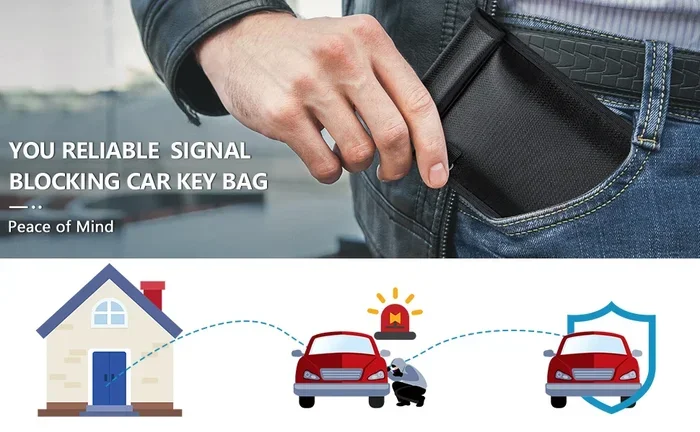
Relay attacks are one of the fastest-growing car theft methods. A thief uses two devices. One device captures your key fob signal from inside your home. The other device relays that signal to your car parked outside. Your car thinks the fob is nearby and unlocks the doors.
This whole process takes seconds. Even if your fob is inside your house, it can still be targeted. Stopping the transmission completely removes this risk. If your fob cannot send a signal, thieves cannot use relay tools to steal your car.
Saving Battery Life
A key fob battery typically lasts one to two years. But if your fob is constantly transmitting, it drains power faster. You may find yourself replacing the car key battery more often than necessary. By blocking the signal when you do not need it, you reduce unnecessary power drain.
Think about how often you walk away from your car and forget about the fob. It keeps broadcasting. Over weeks and months, that adds up. Blocking the signal when the fob is not in use can genuinely extend battery life.
Reducing Signal Interference
Sometimes, a key fob signal can cause minor interference with other electronics. If you carry multiple fobs in the same bag, they can accidentally trigger each other. This is especially common in crowded places like airports or shopping centers. Signal interference can also happen near strong radio transmitters or medical equipment.
Blocking your fob when it is not needed keeps things clean and simple. You avoid accidental unlocks and unnecessary signal noise around you.
Methods to Stop Key Fob Transmission Completely
Now that you know why blocking matters, let us get into the actual methods. There are several proven ways to stop your key fob from transmitting. Some are free, and some require a small investment. Each method has its own advantages.
Method 1: Use a Signal-Blocking Pouch or Faraday Box
The most popular and effective method is using a Faraday pouch or a Faraday box. These products are lined with special material that blocks electromagnetic signals. When your fob is inside the pouch, it cannot send or receive any signals.
Faraday pouches are small and lightweight. You can keep one in your bag, your nightstand drawer, or your glove box. They cost between five and twenty dollars online. Look for a pouch that is specifically rated for RFID blocking. Not all pouches are equal, so check reviews before buying.
A Faraday box works the same way but offers more protection. It is a small container made of metal or metal-lined material. You place your fob inside, close the lid, and the signal is completely blocked. Some people use a small metal tin or a metal cookie box at home. It works just as well as a purpose-built product.
Quick Tip: Always test your Faraday pouch. Place your fob inside, stand near your car, and try to unlock the doors. If the car does not respond, your pouch is working correctly.
Method 2: Remove the Battery from the Key Fob
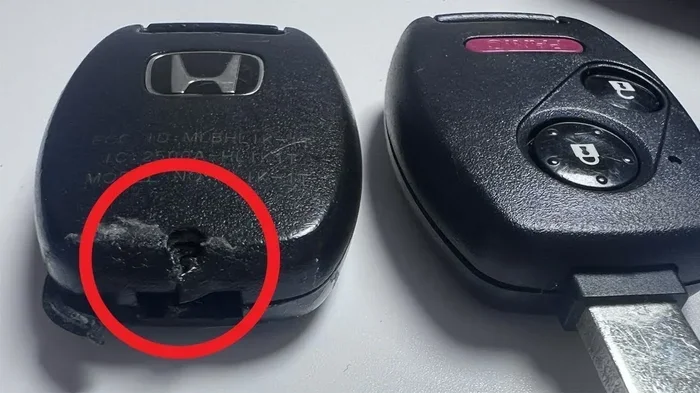
This is the simplest and most guaranteed method. If you remove the battery, there is no power, and there is no signal. Open the back of your key fob with a small flathead screwdriver. Pull out the coin-cell battery, and your fob is completely silent.
This method is perfect for overnight storage. Before you go to bed, pop the battery out. In the morning, put it back in, and your fob works normally again. It takes less than ten seconds, and it costs nothing.
The downside is that you need to remember to do it every time. It is easy to forget, especially when you are in a hurry. But if you make it a habit, it becomes second nature. Also, removing the battery frequently can wear out the battery compartment over time. Handle the fob gently.
Method 3: Use Aluminum Foil as a DIY Shield
If you do not want to buy a special pouch, you can use regular aluminum foil. Wrap your key fob tightly in two or three layers of foil. The metal in the foil acts as a natural signal blocker. It reflects the radio waves and prevents them from escaping.
This method is free and surprisingly effective. Many car enthusiasts and security experts use this trick at home. Just make sure the fob is completely covered with no gaps. Even a small opening can let some signal leak through.
Quick Tip: If you travel frequently, keep a small square of foil in your wallet or glove box. You can wrap your fob quickly whenever you need to block the signal on the go.
Method 4: Disable the Passive Entry Feature
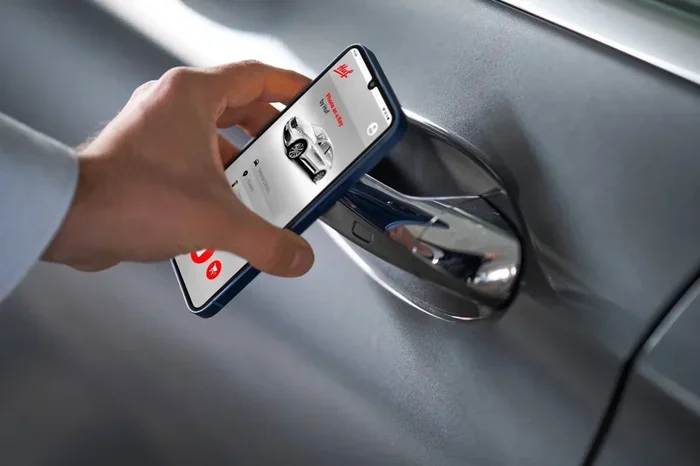
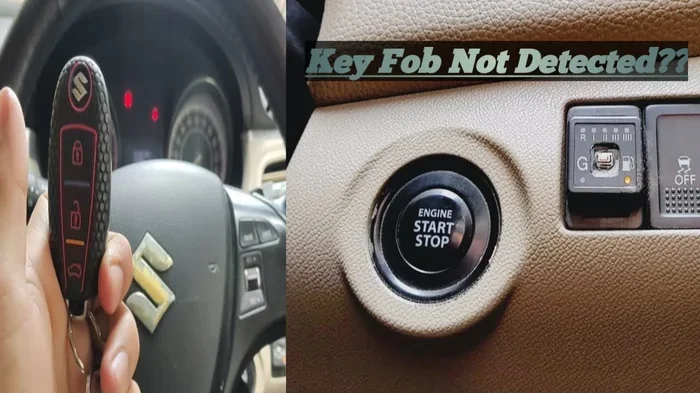
Many modern cars come with a passive entry or smart key system. This feature lets you unlock the car just by touching the door handle. Your fob does not need to be taken out of your pocket. While this is incredibly convenient, it also means the fob is constantly searching for the car.
Some vehicles let you disable this feature in the settings. Check your car manual or speak with your dealer. If you can turn off passive entry, your fob will only transmit when you press a button. This significantly reduces unnecessary signal broadcasting.
Not all cars support this option, but it is worth checking. Even if your car does not have a setting, some aftermarket key fob managers can help you control when the fob transmits.
Method 5: Use a Key Fob Signal Blocker Device
There are dedicated signal blocker devices designed specifically for key fobs. These are small electronic gadgets that create a shielding field around the fob. You place your fob near the device, and it blocks all outgoing signals.
Some blocker devices are built into wallets or phone cases. Others are standalone units that sit on your desk or nightstand. They are more expensive than a simple pouch, but they offer consistent protection without any effort from you.
When shopping for a signal blocker, look for products that cover the frequency range your fob uses. Most blockers work on both 315 MHz and 433 MHz bands, which covers the majority of vehicles on the road.
Comparison of Key Fob Blocking Methods
| Method | Cost | Effectiveness | Convenience |
|---|---|---|---|
| Faraday Pouch | $5 – $20 | Excellent | Very Easy |
| Battery Removal | Free | Perfect | Moderate |
| Aluminum Foil | Free | Very Good | Quick but Messy |
| Disable Passive Entry | Free | Very Good | One-Time Setup |
| Signal Blocker Device | $15 – $50 | Excellent | Very Easy |
Each method has its place. For daily use, a Faraday pouch is the best balance of cost and convenience. For overnight security, battery removal is the most reliable. Choose the method that fits your lifestyle and budget.
Common Mistakes People Make With Key Fob Security
Even well-meaning car owners make mistakes when it comes to key fob security. Here are the most common ones you should avoid.
Leaving the Fob Near the Front Door
This is the number one mistake. Many people place their key fob on a hook or table right next to the front door. This is the easiest spot for a relay thief to target. The signal travels through the door and wall with very little resistance.
Instead, store your fob in a Faraday pouch and place the pouch in a back room or basement. The more distance and barriers between your fob and the outside, the harder it is for a thief to intercept the signal.
Using Cheap or Untested Blocking Products
Not every product labeled as “signal blocking” actually works. Some cheap pouches use thin material that does not fully block the signal. Always look for products with verified RFID blocking ratings. Read customer reviews and check independent test results before buying.
Ignoring the Fob When the Battery Is Low
A low battery can cause your key fob to behave unpredictably. It may transmit weaker signals that still get picked up by thieves. It may also drain faster because the fob boosts its power to compensate. Replace your battery regularly, and always carry a spare in your glove box.
Not Checking for Accidental Button Presses
Sometimes a key fob transmits because a button gets pressed accidentally. This happens when the fob is loose in a pocket or bag. A single button press can drain the battery and send a signal. Keep your fob in a dedicated pocket or a pouch with a secure closure.
For more car care tips that help keep your vehicle in top shape, check out our guide on 2 Days Trip From Bangalore By Car, which covers essential preparation steps including key fob checks before a long drive.
Expert Tips for Long-Term Key Fob Management
Managing your key fob is not just about blocking signals. It is also about taking care of the device over the long term. Here are some expert-backed tips that make a real difference.
Replace the Battery Every 12 to 18 Months
Even if your fob still works, a weakening battery can cause intermittent signal issues. Set a calendar reminder to replace the battery once a year. Use a high-quality replacement battery from a trusted brand. Cheap batteries can leak and damage the fob internals.
Keep Your Fob Dry and Clean
Moisture is the enemy of electronics. If your fob gets wet, the circuit board can corrode over time. Avoid storing it in humid places like bathrooms. If it does get wet, dry it thoroughly before using it again.
You should also clean the exterior of the fob regularly. Dirt and grime can build up around the buttons and the battery compartment. A soft, damp cloth works perfectly for this. For more tips on keeping your car interior clean, our article on 30 Unwanted Things You Can Remove From Car Glass offers great advice that applies to the whole vehicle.
Know When to Replace the Entire Key Fob
No matter how well you care for it, a key fob will eventually wear out. If you notice the signal range getting shorter, buttons becoming unresponsive, or the fob failing to start the car, it may be time for a replacement. Most dealers can program a new fob for you. Aftermarket fobs are also available and work well for many vehicle models.
Before buying a replacement, check your car warranty. Some newer vehicles include key fob coverage for the first few years. This can save you a significant amount of money.
Consider an Extra Fob for Backup
Having a second key fob is always a good idea. Keep one at home and one in your bag or pocket. If one fob fails, you are not stranded. Store the backup fob in a signal-blocking pouch when you are not using it.
Expert Insight: Many car thieves target key fobs during test drives at dealerships. Always keep your fob on your person, not in the glove box, when someone else is driving your car.
How Car Weight and Accessories Affect Key Fob Performance
You might not connect car weight with key fob performance, but there is a relationship. Heavier vehicles with more electronic systems can sometimes create more electromagnetic interference. This interference can affect how your key fob communicates with the car.
If you have added heavy accessories to your car, the additional weight and electronics can change the signal environment around your vehicle. Simple changes like removing unnecessary items from your car can actually help your key fob work more reliably. For a deeper look at how extra weight impacts your vehicle, our guide on 000 Lbs Heavy For A Car explores this topic in detail.
Keeping your car lean and clean is good for overall performance, including how your key fob communicates. Less clutter means fewer sources of signal interference, which means a more reliable connection between your fob and your car.
Key Takeaways
- Signal-blocking pouches and Faraday boxes are the easiest and most effective way to stop key fob transmission.
- Removing the battery from your key fob completely cuts off all wireless signals.
- RF-blocking sleeves and aluminum foil offer budget-friendly alternatives for signal prevention.
- Understanding how your key fob transmits helps you choose the right blocking method for your needs.
- Regular battery replacement and proper storage extend your key fob’s life and prevent accidental signal leaks.
- Car theft prevention is a major reason drivers choose to block key fob signals at night.
- Keeping your car clean with tools from this guide on 30 Unwanted Things You Can Remove From Car Glass complements your key fob security routine.
Conclusion
Stopping a key fob from transmitting is one of the simplest and most impactful things you can do for your car’s security. Whether you use a Faraday pouch, remove the battery, or wrap the fob in aluminum foil, the result is the same. Your fob stays silent, your car stays safe, and your battery lasts longer.
Take a few minutes today to evaluate how you currently store and use your key fob. If it is sitting on a table near your front door, move it to a signal-blocking pouch. If you have not replaced the battery in over a year, do it now. These small actions add up to big protection over time.
Car security is not just about locks and alarms. It is also about controlling the invisible signals your car emits every day. With the methods in this guide, you have the knowledge and tools to take that control. Your car, your key fob, and your peace of mind will all thank you.
Frequently Asked Questions
Can a key fob be tracked if it is transmitting?
Yes, in theory, a transmitting key fob can be tracked if someone has the right scanning equipment. Relay devices can pick up the fob signal from a distance. This is why blocking the transmission when you do not need it is so important for personal security and car protection.
How far can a key fob signal travel?
A standard key fob signal can travel anywhere from 10 to 100 feet depending on the model and frequency. Some high-powered fobs can reach even farther. This is exactly why blocking the signal is critical, especially in crowded or urban areas where thieves can intercept it from a distance.
Will blocking my key fob signal damage the device?
No, blocking the signal will not damage your key fob at all. Using a Faraday pouch, aluminum foil, or removing the battery are all completely safe methods. Your fob will work normally once it is removed from the blocking environment.
How often should I replace my key fob battery?
Most key fob batteries last between 12 and 18 months. If you notice the range getting shorter or buttons becoming less responsive, it is time for a replacement. Keeping a spare battery in your glove box is a smart habit that prevents unexpected failures.
Do all key fobs use the same frequency?
No, key fobs operate on different frequencies. The most common are 315 MHz and 433 MHz. Some older models use 390 MHz or 418 MHz. Check your car manual to confirm the frequency. This matters when choosing a signal blocker or Faraday pouch to ensure full coverage.
Is it legal to block a key fob signal?
Yes, blocking your own key fob signal is perfectly legal. You are simply controlling the signals from your own device. However, intentionally jamming or interfering with other people’s key fob signals is illegal in most countries. Always use blocking methods only for your own vehicle and personal security.