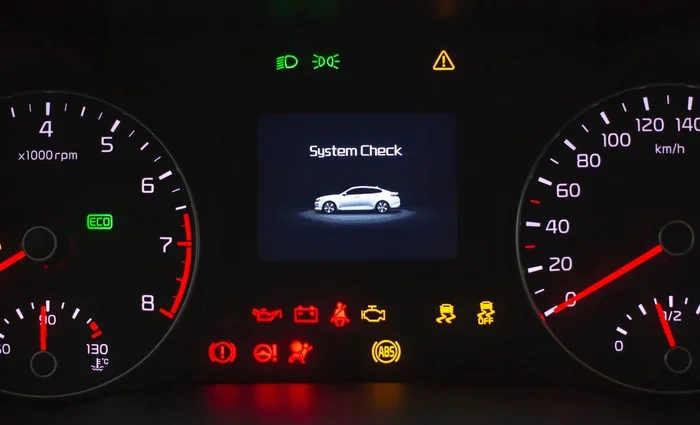
How Long Does It Take for an Engine Light to Reset Itself
So how long does it take for an engine light to reset itself? In most cases, the check engine light will turn off after you complete a few successful drive cycles, which typically takes 1 to 3 days of normal driving. However, the exact timeline depends on the issue that triggered the light, your vehicle model, and whether you use a diagnostic tool to clear the code.
You are driving down the road, and suddenly that little yellow engine-shaped icon lights up on your dashboard. Your heart sinks. What does it mean? How bad is it? And most importantly, how long does it take for an engine light to reset itself once you have fixed the problem?
This is a question that car owners ask all the time. The answer is not as simple as you might hope. How long does it take for an engine light to reset itself depends on several factors. These include the type of problem that triggered the light, your vehicle model, and whether you take steps to manually clear the code. In this guide, we will walk you through everything you need to know. We will cover the reset timeline, what triggers the light, and what you can do to speed things up.
Let us be upfront. There is no magic number here. Sometimes the light goes off in a few hours of driving. Other times, it may take a few days. And in some cases, it will not go away on its own at all. But do not worry. We will break it all down so you know exactly what to expect.
Key Takeaways
- The check engine light usually resets after 1 to 3 drive cycles, which may take 1 to 3 days of regular driving.
- A minor issue like a loose gas cap may cause the light to turn off within a day or two of driving.
- You can use an OBD scanner to manually reset the light, but the underlying problem must be fixed first.
- Disconnecting the battery is a quick trick, but it may erase other settings and does not fix the root cause.
- Driving patterns matter — highway driving helps complete drive cycles faster than short trips.
- If the light comes back after resetting, there is still an unresolved issue that needs attention.
📑 Table of Contents
What Triggers the Check Engine Light
Before we talk about reset times, let us understand why the light comes on in the first place. The check engine light is part of your vehicle’s onboard diagnostics system, also known as OBD. This system monitors dozens of sensors and components in your car. When something is not working as it should, the system stores a fault code and turns on the warning light.
Common Reasons the Light Comes On
There are many reasons the check engine light might activate. Some are minor and easy to fix. Others are more serious and require professional attention. Here are the most common triggers:
- A loose or faulty gas cap — This is the simplest and most common cause. A loose cap can trigger an emission system leak code.
- A failing oxygen sensor — This sensor measures unburned oxygen in your exhaust. When it fails, your engine may run less efficiently.
- A faulty catalytic converter — This is a more serious issue. The catalytic converter reduces harmful emissions from your exhaust.
- Spark plug or ignition coil problems — Worn spark plugs or bad ignition coils can cause engine misfires.
- Mass airflow sensor issues — This sensor measures the amount of air entering the engine. A dirty or failing sensor can cause performance problems.
- Emission control system faults — Various components in the emission system can trigger the light.
Minor vs. Serious Causes
Not all check engine lights are created equal. A loose gas cap is a minor issue. It will not damage your car. A failing catalytic converter, on the other hand, is a serious and expensive repair. The good news is that minor issues often resolve faster than serious ones. If the problem is small, the light may turn off quickly once the fix is in place. Major problems may require more driving and more drive cycles before the system clears the code.
It is also worth noting that some people wonder if their driving habits affect the light. For instance, if you drive a hybrid, you might be curious about how the engine behaves under different conditions. You might even ask yourself, at what point does a hybrid switch to gas, and whether that transition affects your dashboard warnings. The answer is yes — hybrid systems are complex, and they can trigger the check engine light for reasons unique to their dual powertrain setup.
How the Engine Light Reset Process Works
Now that we know what triggers the light, let us talk about how the reset process actually works. Understanding this will help you set realistic expectations for the timeline.
What Happens When You Fix the Problem
When you repair the issue that triggered the check engine light, the fault code does not disappear immediately. Your vehicle’s computer system needs to verify that the repair worked. It does this through a series of tests called a drive cycle. During a drive cycle, the car’s computer checks various sensors and systems under specific driving conditions.
Think of it like a test you take after studying. You have to demonstrate that you have learned the material. Your car has to demonstrate that the problem is truly fixed. It does this by running through a sequence of driving conditions. These include idling, acceleration, steady highway speed, and deceleration.
The Role of the OBD System
The OBD system is the brain behind the check engine light. It stands for On-Board Diagnostics. Modern cars have OBD-II systems, which are standardized across all vehicles sold in the United States since 1996. This system constantly monitors your car’s emissions and performance.
When the OBD system detects a problem, it stores a diagnostic trouble code, or DTC. This code tells you or your mechanic exactly what went wrong. Once the repair is complete, the system needs to run its monitoring tests again. Only after all tests pass does the system clear the code and turn off the light.
Some car owners like to use apps or tools to monitor their vehicle. If you are curious about what you can do with car apps, you might wonder, can I download an app to start my car or use one to check diagnostic codes. Many OBD apps can read fault codes and even help you understand what they mean before you visit a mechanic.
How Long Does It Take for an Engine Light to Reset Itself
Here is the core question. How long does it take for an engine light to reset itself after you have fixed the problem? The answer depends on the severity of the issue and your driving patterns.
Reset Timeline After Fixing the Problem
In most cases, you can expect the check engine light to reset within one to three days of normal driving. But this is just an average. Let us look at different scenarios.
Scenario 1: Minor issue like a loose gas cap. If you tighten the gas cap and the problem was minor, the light may turn off within one to two drive cycles. This could be as quick as a few hours of driving or overnight.
Scenario 2: Moderate issue like a spark plug replacement. After fixing a spark plug or ignition coil, the system needs to run more extensive tests. This might take two to three days of mixed driving.
Scenario 3: Serious issue like a catalytic converter repair. After a major repair, the car’s computer runs the longest and most thorough tests. It may take three to five days of driving before the light stays off.
Drive Cycle Requirements
A drive cycle is not just any drive. It is a specific sequence of driving conditions designed to test your car’s systems. Most vehicles require the following conditions to be met:
- The engine must reach operating temperature.
- The car must idle for a specific period.
- The vehicle must reach highway speed.
- The engine must decelerate without using the brake.
Not everyone drives the same way. If you only take short trips around town, your car may not complete a full drive cycle for days. Short trips keep the engine from reaching full operating temperature. This can delay the reset process significantly. If you want the light to reset faster, try taking a longer highway drive. This helps the car complete its diagnostic tests more quickly.
For those who own hybrid vehicles and do a lot of driving, you might also consider whether your driving style affects how your car runs over long distances. You can read more about are hybrid cars good for long distance driving to understand how extended trips interact with your car’s systems, including how the engine light behaves after a reset.
Can You Speed Up the Reset Process?
Absolutely. While you cannot force the car’s computer to clear a code instantly, there are steps you can take to speed up the reset process. Here are the most effective methods.
Using an OBD Scanner
An OBD scanner is the fastest way to manually reset the check engine light. You plug the scanner into the diagnostic port under your dashboard. The scanner reads and clears the fault codes. Once cleared, the light turns off immediately.
However, there is a catch. If the underlying problem is not truly fixed, the light will come back. The car’s computer will detect the issue again during its next monitoring cycle. This is why it is important to fix the root cause before clearing the code.
You can buy a basic OBD scanner for under $50. More advanced scanners cost more but offer detailed information about your car’s health. Some scanners even connect to your smartphone through an app, giving you real-time data about your vehicle’s performance.
Disconnecting the Battery
Another method is to disconnect the car battery for about 15 to 30 minutes. This resets the car’s computer and clears the fault codes. When you reconnect the battery, the engine light should be off.
But this method comes with risks. Disconnecting the battery can erase your radio presets, clock settings, and other personalized features. In some newer vehicles, it can also reset adaptive learning settings for the transmission and engine. This may cause rough shifting or idling issues for a short time after reconnection.
Also, disconnecting the battery does not fix the actual problem. If the fault is still present, the light will return once the car’s computer finishes its next full diagnostic cycle.
The Drive Cycle Method
The most reliable method is the drive cycle method. Simply drive your car normally and let the system complete its tests. This method ensures that the car’s computer has verified the repair. It is the safest and most thorough approach.
To use this method effectively, try to include a mix of city driving and highway driving. Avoid only taking short trips. Give your car enough time to reach full operating temperature and run through all the necessary diagnostic checks.
When to See a Professional Mechanic
Sometimes the check engine light is a sign that you need professional help. While minor issues can be handled at home, some problems require expert diagnosis and repair. Here is when you should definitely see a mechanic.
Warning Signs You Shouldnt Ignore
Not all check engine lights are equal in urgency. Some demand immediate attention. Here are warning signs that you should not ignore:
- The light is flashing, not solid. A flashing check engine light usually indicates a severe problem, such as an engine misfire that could damage the catalytic converter.
- You notice a drop in performance. If your car is losing power, stalling, or running rough, do not ignore it.
- You see other warning lights. If the check engine light comes with a temperature warning or oil pressure light, pull over safely and seek help.
- You smell fuel or exhaust inside the car. This could indicate a serious leak or emission problem.
- The light keeps coming back after resetting. If you clear the code and it returns within a few days, there is a persistent problem that needs professional diagnosis.
A professional mechanic has the tools and expertise to read fault codes accurately and perform the right repairs. While it costs more than a DIY fix, it ensures the problem is solved properly. This prevents the light from coming back and saves you money in the long run.
Preventing Future Engine Light Issues
The best way to deal with the check engine light is to prevent it from coming on in the first place. Regular maintenance goes a long way toward keeping your car healthy and your dashboard warning-free.
Regular Maintenance Tips
- Check your gas cap regularly. Make sure it is tight and in good condition. Replace it if it is cracked or worn.
- Follow your car’s service schedule. Change your oil, spark plugs, and air filter at the recommended intervals.
- Use quality fuel. Cheap or contaminated fuel can cause emission problems and trigger the check engine light.
- Address small issues early. Do not ignore minor warning signs like slight vibrations or unusual sounds. Small problems can become big ones fast.
- Get periodic diagnostic checks. Even if the light is off, a routine diagnostic scan can catch potential problems before they trigger a warning.
Taking care of your car is the best way to avoid unexpected trips to the mechanic. It also keeps your car running smoothly and efficiently for years to come.
So, to answer the big question: how long does it take for an engine light to reset itself depends on the fix and your driving habits. Most of the time, you are looking at one to three days. Give your car the right conditions, and the system will do its job.
Conclusion
The check engine light can be stressful, but it does not have to be mysterious. Now you know that how long does it take for an engine light to reset itself varies based on the problem, the repair, and your driving patterns. For minor fixes, the light may go off in a day or two. For more serious repairs, it could take several days and multiple drive cycles.
Remember, the light is your car’s way of telling you something needs attention. Do not ignore it. Fix the problem, give your car a chance to run through its diagnostic checks, and the light will turn off. If it does not, a professional mechanic can help you get to the bottom of it.
Take care of your car, and it will take care of you. The check engine light is just a temporary warning. With the right approach, you can handle it with confidence and keep your vehicle running smoothly for miles to come.
Frequently Asked Questions
Can I drive with the check engine light on?
It depends on the severity. If the light is solid and not flashing, you can usually drive a short distance to a repair shop. However, if the light is flashing, pull over safely and do not continue driving. A flashing light often signals a serious problem that can cause further damage to your engine.
Will the check engine light reset itself after filling up gas?
If the light was triggered by a loose gas cap, tightening it may cause the light to turn off after a day or two of driving. The car’s system needs to confirm the leak is resolved through its monitoring cycle. Simply filling up the tank does not reset the light on its own.
How do I know if the check engine light reset was successful?
After completing a few drive cycles, the light should stay off. You can also use an OBD scanner to check if any fault codes remain. If the scanner shows no codes and the light stays off, the reset was successful and the repair worked.
What happens if I clear the code but do not fix the problem?
The light will come back. Your car’s computer will detect the same issue during its next diagnostic cycle and reactivate the warning light. This is why it is essential to fix the root cause before clearing any codes. Otherwise, you will be dealing with the same light over and over again.
Does weather affect how quickly the engine light resets?
Cold weather can slow down the reset process. In low temperatures, the engine takes longer to reach operating temperature. Since the car’s diagnostic tests require the engine to be at full operating temperature, cold weather can delay the completion of drive cycles and the reset of the light.
Can a bad battery cause the check engine light to come on?
Yes, a weak or dying battery can cause voltage irregularities that trigger the check engine light. The car’s computer relies on a stable power supply to monitor sensors and systems correctly. If your battery is old or failing, it is a good idea to have it tested and replaced if needed. This simple fix can often resolve the warning light and prevent future issues.