How Many Man-Hours Does It Really Take to Build a Car Today
Building a modern car takes between 10 and 30 man-hours of direct labor, depending on the vehicle type and manufacturing method. The car assembly process has evolved dramatically with robotic automation, but human factory workers still play a vital role. From the assembly line to final quality checks, every step matters in vehicle production today.
Have you ever wondered how many man-hours it really takes to build a car? The answer is more fascinating than most people think. A modern vehicle rolls off the production line after an incredible journey of automotive manufacturing. Every car you see on the road has gone through a complex assembly process that involves hundreds of workers and machines working together.
The production time for a single vehicle depends on many factors. From the type of car to the factory setup, every detail matters. In this article, we will break down the real numbers behind car assembly. You will learn about labor hours, the role of robots, and what makes some vehicles take longer to build than others.
Whether you are curious about vehicle production or just love cars, this guide has something for you. Let us dive into the fascinating world of auto plant operations and discover what it really takes to build a car from scratch.
Building a car is not like putting together a toy kit. It involves thousands of parts, dozens of stations, and many skilled hands. Every production line follows a carefully planned manufacturing process that has been refined over decades. The goal is to build each vehicle quickly, safely, and without errors.
Whether it is a simple sedan or a fancy SUV, every vehicle goes through the same basic stages. Parts arrive at the car factory on trucks. Workers and robots then put them together step by step. The whole production cycle from start to finish is a marvel of modern automotive engineering.
Key Takeaways
- Average build time: A standard sedan needs about 10 to 20 man-hours of direct labor to complete.
- Complex vehicles take longer: Luxury and electric vehicles can require 25 to 30+ man-hours due to advanced features.
- Robots handle the heavy lifting: Automated systems now perform the majority of welding and painting tasks.
- Human workers remain essential: Tasks like final inspection, wiring, and quality control still need skilled hands.
- Customization adds time: Personalized options and trim levels increase the overall production time per vehicle.
- Brand differences matter: Toyota, Tesla, and Ford each have unique manufacturing processes that affect build speed.
- The future is faster: New automotive engineering techniques continue to reduce labor hours per vehicle.
📑 Table of Contents
The Modern Car Assembly Process
Building a car today is a well-organized dance of machines and people. Every step has a purpose. Nothing is left to chance on the assembly line. Let us walk through the main stages of how a vehicle comes together.
From Raw Steel to a Finished Vehicle
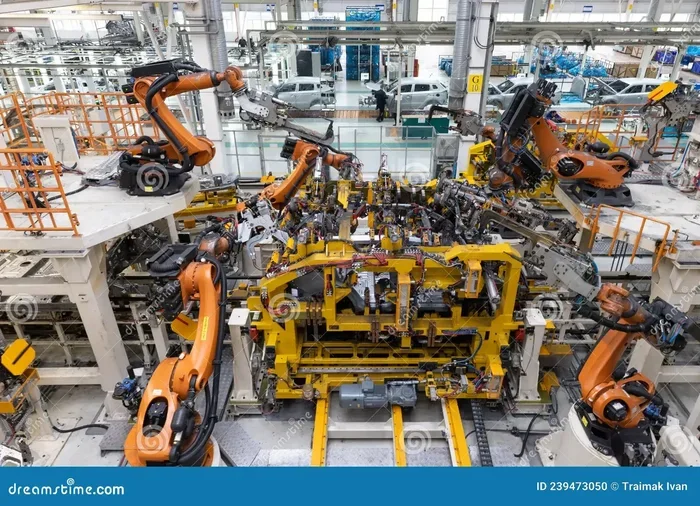
The journey starts with raw materials. Steel, aluminum, and plastic arrive at the auto plant in huge shipments. Robots cut and shape these materials into body panels. Workers then weld the panels together to form the car’s frame. This is the first stage of vehicle construction.
Next comes the painting booth. Robots apply primer, base coat, and clear coat. This step needs perfect conditions. Dust and humidity can ruin a paint job. That is why paint shops use strict manufacturing process controls. The body then moves to the final assembly area. This is where the engine, transmission, seats, and electronics go in. Each station adds a new set of parts. By the end, the vehicle looks almost ready for the road.
Inside an Auto Plant
A modern car factory can span millions of square feet. It has dozens of production zones. Each zone handles a different part of the build.
Here is a quick look at the main zones inside a typical factory:
- Pressing shop: Where steel sheets become body parts.
- Welding shop: Where robots join body panels together.
- Paint shop: Where vehicles get their final coat.
- Assembly line: Where workers add the engine, interior, and electronics.
- Quality control: Where inspectors check every vehicle carefully.
Each zone has its own team of factory workers. They work in shifts around the clock. This keeps the production time as short as possible. A well-run plant can build hundreds of vehicles every single day.
Quick Tip: If you ever get a factory tour, pay close attention to the pressing shop. It is where the magic begins. Watching raw metal transform into a car door is truly impressive.
How Many Man-Hours Does It Really Take to Build a Car?
This is the big question. And the answer depends on several things. A basic car takes fewer man-hours than a luxury model. Let us look at the real numbers.
Average Numbers by Vehicle Type
Here is a general breakdown of man-hours needed for different vehicle types:
- Compact sedan: About 10 to 15 man-hours
- Mid-size SUV: About 18 to 22 man-hours
- Luxury sedan: About 22 to 28 man-hours
- Electric vehicle: About 20 to 30 man-hours
- Performance sports car: About 25 to 35 man-hours
These numbers include only direct manual labor. They do not count the hours spent by engineers, designers, or suppliers. Those hours happen long before the first car rolls off the line. The labor cost per vehicle also varies by region and factory.
Breaking Down the Labor Hours
Where do all those labor hours go? Here is a rough split of where time is spent during vehicle construction:
- Body assembly: 30% of total man-hours
- Paint and finish: 20% of total man-hours
- Engine and powertrain: 20% of total man-hours
- Interior and electronics: 20% of total man-hours
- Quality checks and testing: 10% of total man-hours
As you can see, body work takes the most time. This makes sense because the body is the foundation of every vehicle. Paint and interior work also take significant effort. Each step requires precision and care.
Common Mistake: Many people assume that more robots mean fewer total hours. But automation does not always cut labor hours in half. It shifts the work. Humans now focus more on quality control and complex tasks that robots cannot handle.
Expert Insight: According to industry reports, the average build time for a mass-market car has dropped by about 20% over the past 15 years. This is thanks to better robotic automation and smarter factory layouts. However, electric vehicles still require more labor hours than traditional cars because of battery installation and complex wiring.
Robots vs. Humans on the Production Floor
Modern automotive manufacturing relies heavily on robots. But humans are still essential. Let us look at what each does best on the production line.
What Machines Handle Best
Robots excel at repetitive tasks. They can weld the same spot thousands of times without getting tired. They work fast and with perfect precision. This is why welding and painting are now mostly done by machines.
Robotic automation has changed the manufacturing process in big ways. Robots can lift heavy parts that humans cannot. They work 24 hours a day without breaks. This speeds up the entire production line and reduces manufacturing cost over time.
Some factories now use collaborative robots, also called cobots. These machines work right next to human workers. They handle the heavy lifting while people do the detailed work. This teamwork makes the assembly process faster and safer.
Tasks That Still Need Human Hands
Not everything can be automated. Some tasks still need human skill and judgment. Here are examples of work that only people can do well:
- Final quality inspection: Humans spot subtle issues that machines miss.
- Wiring and electrical work: Cars have thousands of wires. Humans handle the complex routing.
- Interior fitting: Seats, dashboards, and trim need careful placement.
- Test driving: Every vehicle must be tested on the road before shipment.
So while robots do the heavy lifting, human factory workers bring the expertise. The best factories use both wisely. They know that manual labor and machines each have their strengths.
Quick Tip: If you are considering a career in automotive manufacturing, focus on skills that robots cannot easily replace. Problem-solving, attention to detail, and technical knowledge are very valuable on the factory floor.
Factors That Change the Build Time
Not all cars take the same time to build. Several factors can speed up or slow down the process. Understanding these helps explain why production time varies so much between vehicles.
Vehicle Complexity and Customization
A basic white sedan rolls off the line faster than a black luxury SUV with all the options. Why? Because more features mean more steps. Each custom option adds time to the assembly process. Here are factors that increase build time:
- Special paint colors or finishes
- Advanced driver-assistance systems
- Leather seats and premium interiors
- Custom wheel designs
- High-tech infotainment systems
Factories use a concept called mixed-model production. This means they build different versions of the same car on the same line. It is tricky but it helps keep production time flexible. Workers switch between different configurations throughout the day.
Factory Location and Method
Where a car is built also matters. Factories in different countries use different methods. Some rely more on robots. Others use more manual labor. These choices affect the total labor hours per vehicle.
Labor cost also plays a role. In countries with higher wages, factories invest more in automation. This reduces the number of factory workers needed but increases the upfront manufacturing cost. In countries with lower labor costs, factories may use more human workers on the production line.
Common Mistake: Do not assume that a higher manufacturing cost always means a better car. Some brands spend more on marketing than on improving their assembly process. Always look at the actual build quality and production time data.
Expert Insight: The most efficient factories in the world can build a car in under 20 hours of direct labor. They achieve this through lean manufacturing, which focuses on eliminating waste at every step of the manufacturing process.
Comparing Build Times Across Major Brands
Different car makers have different approaches to vehicle production. Their methods, factory setups, and goals all affect how many man-hours go into each vehicle. Let us compare a few major brands to see how they stack up.
Toyota, Ford, and Tesla Compared
Each brand has its own way of building cars. Here is how they compare in terms of labor hours and manufacturing approach:
| Brand | Avg. Man-Hours per Vehicle | Automation Level | Key Strength |
|---|---|---|---|
| Toyota | 15 to 20 hours | Medium | Lean manufacturing and efficiency |
| Ford | 18 to 24 hours | Medium-High | Scale and flexibility |
| Tesla | 20 to 30 hours | High | Electric drivetrain focus |
Toyota is famous for its lean manufacturing process. They focus on reducing waste and improving flow. This keeps their labor hours per vehicle on the lower side. The Toyota Production System has been studied by factories around the world.
Ford builds a wide range of vehicles. Their factories handle everything from trucks to SUVs. This variety means their production time can vary more between models. Ford has also invested heavily in automation for its electric vehicle lineup.
Tesla focuses on electric vehicles. Building an EV takes more man-hours because of the battery pack and complex wiring. But Tesla is constantly working to reduce this through new automotive engineering techniques. Their Gigafactories are designed from the ground up for efficiency.
Key Takeaway: There is no single answer to how many man-hours it takes to build a car. The number depends on the brand, the model, and the factory method used.
The Future of Car Manufacturing
What does the future hold for car assembly? The industry is changing fast. New technologies are reshaping how vehicles are built and how many labor hours each one requires.
What Changes Are Coming Next
Artificial intelligence is one big trend. AI can predict problems before they happen on the production line. This helps factories avoid delays and reduce production time. Smart sensors on the assembly line can detect tiny issues and alert workers in real time.
3D printing is another exciting development. Some companies now print car parts instead of stamping them. This could reduce manufacturing cost and speed up prototyping. In the future, printed parts might even replace traditional metal components in some vehicles.
Here is what experts predict for the next decade:
- More factories will use collaborative robots, or cobots, that work side by side with humans.
- Automotive engineering will focus on modular design, making vehicle construction faster.
- Robotic automation will handle even more complex tasks like wiring and interior fitting.
- Factories will use less manual labor overall, but workers will need new skills.
- Production cycles will get shorter as factories adopt smarter scheduling software.
The goal is simple: build cars faster, cheaper, and with fewer errors. As technology improves, the number of man-hours needed per vehicle will likely continue to drop. But the human touch will always matter.
Expert Insight: Industry analysts believe that by 2030, fully automated car assembly lines could reduce labor hours by another 30%. However, they also note that human oversight will always be needed for quality and safety reasons. The future of vehicle production is not about replacing humans. It is about working together with smarter machines.
Conclusion
So, how many man-hours does it take to build a car? The answer is anywhere from 10 to 35 man-hours, depending on the vehicle and factory. The automotive manufacturing process is a complex blend of human skill and machine precision. Every vehicle that rolls off the production line represents thousands of carefully planned labor hours.
Robots have changed the game. They handle the repetitive and heavy tasks on the assembly line. But human factory workers still bring the expertise that no machine can replace. From the first weld to the final test drive, every step matters in the assembly process.
If you ever wonder about the production time behind your next car, remember all the work that goes into it. The car assembly process is truly a remarkable feat of modern automotive engineering. Each vehicle is the result of hundreds of workers, advanced robotic automation, and decades of refined manufacturing process knowledge.
Next time you visit a car factory or see a new model on the lot, you will know the story behind it. The journey from raw metal to a finished vehicle is longer and more amazing than most people realize. And as technology keeps advancing, that journey will only get faster and more efficient.
Frequently Asked Questions
How many man-hours does it take to build an average car?
On average, it takes about 10 to 20 man-hours of direct labor to build a standard sedan. The exact number depends on the vehicle type, factory automation level, and customization options. Electric vehicles and luxury models typically require more man-hours due to their complex systems and advanced features.
Why do electric vehicles take more man-hours to build?
Electric vehicles require additional steps like battery pack installation and high-voltage wiring. These tasks are more complex than traditional powertrain assembly. The assembly process for EVs also involves more quality checks to ensure safety. As automotive engineering improves, these hours are expected to decrease over time.
Has robotic automation reduced the number of factory workers needed?
Yes, robotic automation has significantly reduced the need for manual labor in many areas of vehicle production. Tasks like welding and painting are now mostly done by machines. However, human workers are still essential for quality control, electrical work, and final assembly. The role of factory workers has shifted rather than disappeared.
What is the difference between man-hours and total production time?
Man-hours refer only to the direct labor time spent on assembling a vehicle. Total production time includes everything from design and engineering to parts sourcing and shipping. A car might take 20 man-hours to assemble but spend weeks in the production cycle from start to finish. Understanding this difference is key when comparing manufacturing cost and efficiency.
Do all car factories use the same assembly process?
No, each brand has its own manufacturing process tailored to its goals and vehicle lineup. Toyota is known for lean manufacturing, while Tesla focuses on high automation for EVs. Factory location, labor costs, and production time goals all influence how each auto plant operates. These differences explain why labor hours vary between brands.
Will cars be fully built by robots in the future?
Most experts believe that robots will handle more tasks, but full automation is unlikely in the near future. Complex decisions, quality judgment, and creative problem-solving still require human skills. The future of car assembly is collaboration between humans and machines. This partnership will continue to reduce man-hours while maintaining high quality in vehicle construction.