How Many Quarts of Oil Does a V8 Truck Engine Take
Knowing how many quarts of oil does a V8 truck take is essential for every truck owner. Most V8 truck engines require between 5 and 8 quarts of oil, but the exact amount depends on your specific make, model, and engine size. This guide covers popular V8 truck models, oil type recommendations, and a simple step-by-step oil change process to keep your engine running strong.
Your V8 truck engine is a powerful machine that deserves the right care. One of the simplest yet most important things you can do is keep it filled with the correct amount of oil. But here is the question that keeps coming up: how many quarts of oil does a V8 truck take? The answer is not always the same for every truck. It depends on the engine size, the make, and the model year. In this guide, we will walk you through everything you need to know about V8 truck oil capacity. You will learn the exact quarts needed for popular models, how to pick the right oil, and how to change it yourself.
Whether you drive a Ford F-150 with a 5.0-liter V8 or a Chevrolet Silverado with a 6.2-liter engine, this article has you covered. We will break down the numbers in a way that is easy to understand. No confusing jargon. No guesswork. Just clear, practical information that helps you take care of your truck the right way. Let us get started.
Key Takeaways
- Standard V8 oil capacity: Most V8 truck engines take 5 to 8 quarts of oil, depending on the engine size and model.
- Check your owner manual: Always refer to your specific truck’s manual for the exact oil capacity and recommended oil weight.
- Oil type matters: Synthetic oil offers better protection and longer intervals, while conventional oil is more budget-friendly.
- Change your oil regularly: Follow the manufacturer’s recommended oil change interval to prevent engine damage and maintain warranty coverage.
- DIY oil changes save money: With the right tools and a clean workspace, changing your V8 truck oil at home is straightforward and rewarding.
- Dispose of old oil properly: Recycle used oil at a local auto parts store or recycling center to protect the environment.
📑 Table of Contents
Understanding Your V8 Truck Engine and Oil Needs
Before we dive into specific numbers, it helps to understand why oil matters so much for a V8 engine. A V8 engine has eight cylinders arranged in a V shape. This design creates a lot of power, but it also creates a lot of heat. Oil is what keeps everything cool, clean, and running smoothly. Without enough oil, the internal parts of your engine can grind against each other and cause serious damage.
Why Oil Capacity Varies Between V8 Engines
Not all V8 engines are the same size. Some are small displacement engines around 4.6 liters. Others are big blocks that exceed 6 liters. The bigger the engine, the more oil it needs to fill the galleries, passages, and oil pan. Here is a quick look at what affects oil capacity:
- Engine displacement: Larger engines hold more oil. A 4.6-liter V8 will need less oil than a 6.2-liter V8.
- Oil filter size: Some oil filters hold more oil than others, which adds to the total capacity.
- Oil pan design: Deep pans hold more oil. Flat pans hold less.
- Engine configuration: Some engines have internal oil reservoirs or cooling systems that affect the total volume.
All of these factors play a role in determining how many quarts of oil does a V8 truck take. This is why it is so important to look up your specific engine rather than guessing.
What Happens When You Overfill or Underfill Oil
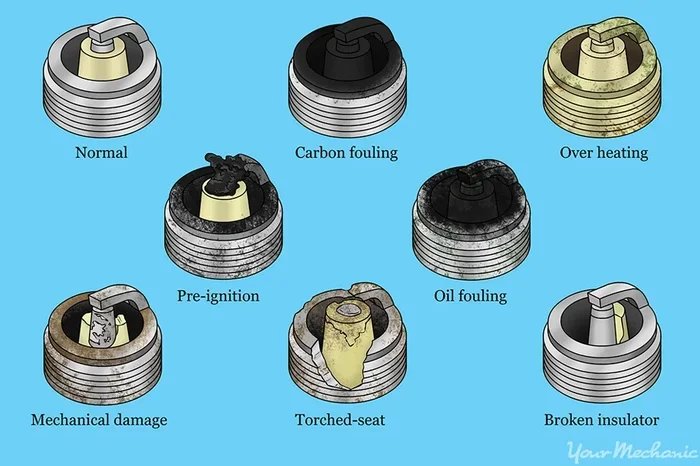
Getting the oil level right is critical. Too much oil can cause foaming, which reduces the oil’s ability to lubricate properly. It can also push oil into the combustion chamber, causing blue smoke and fouled spark plugs. Too little oil, on the other hand, means the engine is not getting full lubrication. This leads to increased friction, overheating, and eventually engine failure.
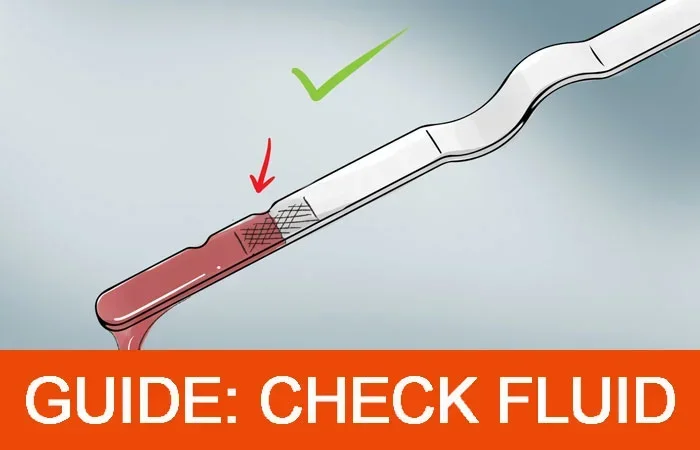
Always check your oil level with the dipstick after every oil change. Make sure the truck is parked on level ground. Wait a few minutes after shutting off the engine to let the oil settle back into the pan. Then pull the dipstick, wipe it clean, reinsert it, and pull it out again to get an accurate reading.
Oil Capacity by Popular V8 Truck Models
Now let us get into the numbers. Below is a breakdown of how many quarts of oil some of the most popular V8 truck engines take. Keep in mind that these numbers include the oil filter change as well.
Ford F-150 V8 Oil Capacity
The Ford F-150 has been one of the best-selling trucks in America for decades. The 5.0-liter V8 engine, often called the Coyote, takes about 6 quarts of oil with the filter. If you have an older model with a 4.6-liter V8, the capacity is closer to 5 quarts. Always double-check your specific year and engine option on the Ford owner manual or the oil cap under the hood.
Chevrolet Silverado V8 Oil Capacity
Chevrolet offers several V8 options in the Silverado lineup. The 5.3-liter V8, known as the EcoTec3, typically requires 8 quarts of oil including the filter. The 6.2-liter V8 also takes about 8 quarts. If you are shopping at a local Chevrolet dealership, the service team can confirm the exact capacity for your specific model year. This is especially helpful if you are unsure about your truck’s configuration.
Ram 1500 V8 Oil Capacity
The Ram 1500 with the 5.7-liter HEMI V8 engine takes approximately 8.3 quarts of oil. This is one of the larger capacities among full-size V8 trucks. The 3.6-liter Pentastar V6, which is not a V8, takes less, so make sure you know which engine you have before purchasing oil.
Toyota Tundra V8 Oil Capacity
The Toyota Tundra with the 5.7-liter V8 engine holds about 6.4 quarts of oil with the filter. Toyota is known for reliable engines, and the Tundra V8 is no exception. Regular oil changes with the correct amount of oil will help this engine last for hundreds of thousands of miles.
GMC Sierra V8 Oil Capacity
The GMC Sierra shares many platforms with the Chevrolet Silverado. The 5.3-liter V8 Sierra takes about 8 quarts of oil, just like the Silverado. The 6.2-liter version also requires 8 quarts. GMC and Chevrolet owners can often use the same oil products and tools for their oil changes.
How to Choose the Right Oil for Your V8 Truck
Picking the right oil goes hand in hand with knowing your oil capacity. Using the wrong type of oil can reduce engine performance and even void your warranty. Here is what you need to know.
Conventional vs Synthetic Oil
Conventional oil is refined from crude oil. It is affordable and works well for older trucks with lower mileage. Synthetic oil is chemically engineered for superior performance. It flows better in cold weather, handles higher temperatures, and lasts longer between changes. Many modern V8 trucks come factory-filled with synthetic oil, so check what your engine originally had.
Synthetic blend oil is a middle ground. It combines conventional and synthetic oils to offer better protection than conventional alone at a lower price than full synthetic. If you tow heavy loads or drive in extreme temperatures, full synthetic is the way to go.
Understanding Oil Viscosity Ratings
You have probably seen numbers like 5W-30 or 10W-40 on oil bottles. These are viscosity ratings. The first number (with the W for winter) tells you how the oil flows at cold temperatures. The second number tells you how it flows at operating temperature. Your owner manual will specify the correct viscosity for your V8 engine. Using the wrong viscosity can lead to poor lubrication and increased engine wear.
Oil Change Intervals for V8 Trucks
Most modern V8 trucks recommend an oil change every 5,000 to 7,500 miles. Some trucks with synthetic oil can go up to 10,000 miles between changes. However, if you tow frequently, drive in dusty conditions, or stop-and-go in heavy traffic, you may need to change your oil more often. Severe driving conditions shorten oil life and reduce its effectiveness.
As a rule of thumb, check your oil level at least once a month. Top off if needed and watch for any signs of oil leaks underneath the truck. Catching low oil early can save you from costly engine repairs.
Step-by-Step Guide to Changing Oil in a V8 Truck
Changing your own oil is one of the most satisfying maintenance tasks you can do. It saves money, teaches you about your truck, and gives you peace of mind. Here is a simple walkthrough for a V8 truck oil change.
What You Will Need
- The correct amount of oil for your engine (check your manual or the chart above)
- A new oil filter compatible with your truck
- A socket wrench and the correct size socket
- An oil filter wrench
- A drain pan to catch the old oil
- A funnel for pouring in new oil
- Jack stands or ramps if you need to get under the truck
- Gloves and safety glasses
- A torque wrench to tighten the drain plug to the correct specification
Step 1: Warm Up the Engine
Start your truck and let it idle for about 3 to 5 minutes. Warm oil flows more easily and drains out faster. Do not drive the truck hard. Just let it sit in the driveway or garage for a few minutes. Then turn off the engine and wait another 2 to 3 minutes for the oil to settle.
Step 2: Lift the Truck and Locate the Drain Plug
Use jack stands or ramps to safely get under the truck. Find the oil pan underneath the engine. The drain plug is usually at the bottom of the oil pan. Place your drain pan directly below the plug before you loosen it.
Step 3: Drain the Old Oil
Use your socket wrench to loosen the drain plug. Turn it counterclockwise and be ready for the oil to flow out quickly. Let it drain completely. This usually takes about 5 to 10 minutes. Once the flow stops, clean the drain plug with a rag, replace the crush washer if needed, and reinstall the plug. Tighten it with a torque wrench to the specification in your manual. Do not over-tighten, or you risk stripping the threads.
Step 4: Replace the Oil Filter
Locate the oil filter, which is usually on the side or front of the engine. Use an oil filter wrench to loosen it. Before installing the new filter, rub a little fresh oil around the rubber gasket. This creates a better seal and makes it easier to remove next time. Screw the new filter on by hand until it is snug, then tighten it about three-quarters of a turn. Do not overtighten.
Step 5: Add New Oil
Pop the hood and locate the oil fill cap. Remove it and insert a funnel. Pour in the new oil slowly. Most V8 truck engines take between 5 and 8 quarts, but always check your specific capacity. After adding the oil, wait a minute for it to settle, then check the dipstick. Add more oil if needed until the level is between the minimum and maximum marks on the dipstick.
Step 6: Clean Up and Dispose of Old Oil
Wipe up any spills with a rag. Start the engine and let it run for 30 seconds. Check underneath for leaks around the drain plug and oil filter. Turn off the engine and wait a few minutes, then check the dipstick one more time. Finally, take your old oil and filter to a recycling center or auto parts store. Many stores accept used oil for free. Never dump old oil down a drain or into the trash.
Common Oil Problems in V8 Trucks and How to Fix Them
Even with regular maintenance, V8 truck engines can develop oil-related issues. Here are some of the most common problems and what you can do about them.
Oil Leaks
Oil leaks are one of the most frequent issues truck owners face. They can happen at the drain plug, oil filter, valve cover gaskets, or oil pan gasket. If you notice a dark puddle under your truck after it has been parked, check the oil level and look for the source of the leak. Small leaks can often be fixed by tightening a bolt or replacing a gasket. Larger leaks may require professional attention.
Oil Consumption Between Changes
Some V8 engines burn a small amount of oil between changes. This is normal for many trucks. However, if you are adding more than one quart every 1,000 miles, something may be wrong. Worn piston rings, faulty valve seals, or a PCV valve issue can all cause excessive oil consumption. Have a mechanic inspect your truck if you notice this pattern.
Oil Pressure Warning Light
If the oil pressure warning light comes on, do not ignore it. Pull over safely and check the oil level first. If the level is fine, the problem could be a faulty oil pressure sensor, a clogged oil filter, or a failing oil pump. Low oil pressure can destroy an engine quickly, so address this issue immediately.
Dark or Dirty Oil
Over time, oil darkens and collects contaminants. This is normal. However, if your oil looks extremely dark and gritty before your scheduled change, it may be time to change it early. Dirty oil does not lubricate as effectively and can lead to increased wear on internal engine components.
Expert Tips for Maintaining Your V8 Truck Engine
Taking care of your V8 truck goes beyond just oil changes. Here are some expert tips that help keep your engine in top shape for years to come.
- Keep a maintenance log: Write down every oil change, including the date, mileage, and oil type used. This helps you stay on track and provides a record if you ever sell the truck.
- Check for recalls: Some V8 truck models have had recalls related to oil system components. Check with the manufacturer regularly to make sure your truck is up to date.
- Use quality parts: When replacing your oil filter or drain plug, use OEM or high-quality aftermarket parts. Cheap filters may not filter the oil effectively.
- Inspect under the truck regularly: Look for drips, puddles, or any signs of fluid leaks. Catching problems early saves money and prevents bigger issues down the road.
- Consider an extended warranty: If your truck is still under warranty, follow the manufacturer’s maintenance schedule exactly. Missing an oil change could void your engine warranty and cost you thousands in repairs.
While regular maintenance keeps your truck running well, accidents can still happen. If your truck has been in a collision or sustained damage, understanding your repair options is important. For example, hitting a deer can cause significant damage to your vehicle, including undercarriage issues that may affect the oil system. Always inspect your truck thoroughly after any incident and address any problems right away.
Truck weight also plays a role in how your engine performs and how much oil it needs. Heavier trucks put more stress on the engine, which means proper oil maintenance becomes even more critical. If you are curious about how weight affects vehicle performance, check out this guide on how heavy is too heavy for a car to understand the relationship between vehicle weight and engine demands.
Conclusion
So, how many quarts of oil does a V8 truck take? The answer is usually between 5 and 8 quarts, but the exact number depends on your specific truck model and engine size. Whether you drive a Ford, Chevrolet, Ram, Toyota, or GMC, knowing your oil capacity is the first step toward proper engine care.
Changing your oil regularly with the right type and amount of oil is one of the simplest things you can do to extend the life of your V8 engine. It takes about 30 to 45 minutes to do it yourself, and it can save you significant money over the life of your truck. Plus, there is real satisfaction in knowing you are taking care of your vehicle with your own hands.
Do not overlook the importance of using the correct oil weight, changing your oil filter, and disposing of old oil responsibly. These small habits add up to big benefits over time. Your V8 truck works hard for you. Give it the care it deserves, and it will keep running strong for many miles to come.
Frequently Asked Questions
How many quarts of oil does a 5.3 V8 truck take?
A 5.3-liter V8 engine, like the one found in Chevrolet Silverado and GMC Sierra trucks, typically takes about 8 quarts of oil including the filter. Always confirm with your owner manual for your specific model year.
Can I use 5W-30 oil in my V8 truck?
Some V8 trucks can use 5W-30 oil, but it depends on the engine and the manufacturer’s recommendation. Always check your owner manual before choosing an oil viscosity. Using the wrong weight can affect engine performance and protection.
How often should I change the oil in my V8 truck?
Most V8 truck manufacturers recommend an oil change every 5,000 to 7,500 miles for conventional oil and every 7,500 to 10,000 miles for synthetic oil. If you tow frequently or drive in harsh conditions, you may need to change it more often.
What is the difference between oil capacity and oil weight?
Oil capacity refers to the total number of quarts the engine holds, including the filter. Oil weight refers to the viscosity rating, such as 5W-30 or 10W-40. Both are important for proper engine lubrication, and your owner manual specifies both.
Do I need to change the oil filter every time I change the oil?
Yes, you should always replace the oil filter when you change the oil. The old filter contains contaminants and used oil that can contaminate your fresh oil. A new filter ensures clean oil circulates through your V8 engine.
Is it better to change V8 truck oil myself or take it to a shop?
Changing your oil yourself can save money and give you a better understanding of your truck. However, if you are not comfortable working under the truck or do not have the right tools, a professional oil change at a trusted shop is a great option. Either way, the important thing is to stay on top of your oil changes.