Car Windshield Replacement Guide Everything You Need to Know
This car windshield replacement guide walks you through everything you need to know. You will learn how to spot damage, understand replacement costs, and choose the right glass. We also cover the step-by-step process and tips to keep your new windshield lasting for years.
Your car’s windshield does more than just keep wind out. It supports your roof, helps airbags deploy correctly, and keeps you safe in a crash. When it gets damaged, you need to act fast. This car windshield replacement guide gives you everything you need to know. We will cover the signs of damage, costs, the replacement process, and how to pick the best glass for your vehicle.
Whether you have a small crack or a shattered windshield, this guide has you covered. You will learn how to make smart decisions and stay safe on the road. Let us dive right in.
Key Takeaways
- Know the Signs: Learn how to identify cracks, chips, and damage that require full replacement.
- Save Money: Understand cost factors and insurance options to reduce your expenses.
- Choose Quality Glass: Pick between OEM and aftermarket options with confidence.
- DIY vs. Professional: Discover when to call a pro and when you can handle minor repairs yourself.
- Stay Safe: Proper installation and post-care ensure your windshield protects you on every drive.
📑 Table of Contents
- Why Your Windshield Matters More Than You Think
- Signs You Need a Windshield Replacement
- How Much Does Windshield Replacement Cost?
- DIY Windshield Replacement vs. Professional Installation
- Step-by-Step Windshield Replacement Process
- How to Extend the Life of Your New Windshield
- Common Mistakes to Avoid During Windshield Replacement
- Expert Insights on Windshield Replacement
- Windshield Replacement and Insurance: What You Need to Know
- Conclusion
Why Your Windshield Matters More Than You Think
Many drivers underestimate their windshield. It is not just a piece of glass. Your windshield plays a big role in your car’s structure. In a rollover accident, it helps keep the roof from crushing in. It also helps the front airbag deploy in the right direction.
A damaged windshield weakens all of this. Even a small crack can spread and reduce your visibility. That makes driving dangerous, especially at night or in bad weather. This is why the car windshield replacement guide is so important. You need to know when a repair is enough and when you need a full replacement.
Your windshield is also part of your car’s safety system. Modern cars use laminated glass, which holds together even when cracked. This prevents shards from flying into the cabin. But over time, damage can compromise this safety feature.
Types of Windshield Glass
Most cars use laminated glass for the front windshield. It has two layers of glass with a plastic layer in between. This design keeps the glass from breaking into pieces. Side and rear windows usually use tempered glass. It shatters into small, less dangerous pieces.
When you replace your windshield, you have two main choices:
- OEM Glass: Made by the original manufacturer. It matches your car exactly.
- Aftermarket Glass: Made by third-party companies. It is usually cheaper but may vary in quality.
Both options work well. The key is choosing a trusted brand and a skilled installer. You can also explore options like 3M anti-glare film for car windshield to add extra protection and comfort after replacement.
Signs You Need a Windshield Replacement
Not every crack means you need a new windshield. But some damage is beyond repair. Here are the clear signs you should replace your windshield.
Cracks Longer Than Three Inches
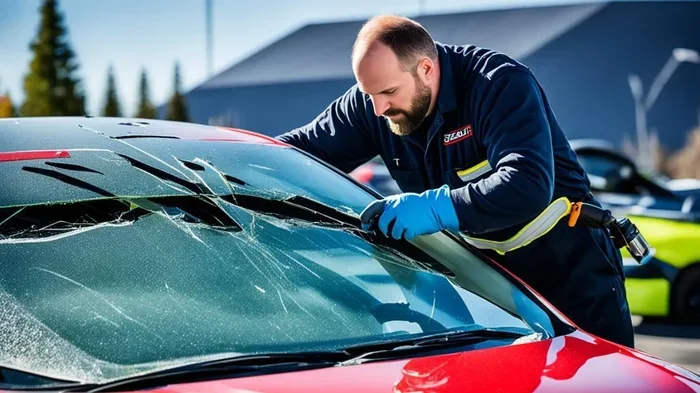
Small chips and cracks under three inches can often be repaired. But once a crack grows longer, it weakens the entire structure. A long crack also spreads easily with temperature changes or rough roads.
Damage in the Driver’s Line of Sight
If the crack or chip is right in front of your eyes, you need a replacement. Even a small distortion can blind you while driving. This is a serious safety risk. Do not try to drive with damage in your direct line of vision.
Multiple Chips or Cracks
One crack is manageable. Several cracks mean the windshield is compromised. Multiple points of damage make the glass unstable. At this point, replacement is the safest option.
Deep Chips That Penetrate Both Layers
Windshields have two layers with a plastic core. If a chip goes through both glass layers, repair is not enough. The structural integrity is already lost. You need a full replacement in this case.
Old Windshield with Previous Repairs
If your windshield has been repaired before and now has new damage, consider a full replacement. Repeated repairs can weaken the glass over time. A fresh windshield is always a better choice.
You can learn more about maintaining your car glass in our guide on 30 unwanted things you can remove from car glass to keep your windshield and windows in great condition.
How Much Does Windshield Replacement Cost?
The cost of replacing a windshield varies a lot. Several factors decide the final price. Understanding these factors helps you budget and avoid surprises.
Factors That Affect the Cost
- Car Make and Model: Luxury and rare cars cost more to replace. The glass may also be custom-shaped.
- OEM vs. Aftermarket Glass: OEM glass costs more but offers a perfect fit. Aftermarket glass is more affordable.
- Modern Features: Many new windshields have built-in sensors, rain detectors, or heating elements. These add to the cost.
- Location: Prices vary by region and shop. Urban areas tend to cost more.
- Labor Charges: Experienced installers may charge more, but they also do a better job.
Average Cost Breakdown
On average, a standard windshield replacement costs between $200 and $400. For cars with advanced features, the price can go up to $1,000 or more. Here is a simple breakdown:
- Basic Sedan: $200 to $350
- SUV or Truck: $300 to $600
- Luxury or Premium Vehicle: $500 to $1,200+
These numbers are just estimates. Always get a quote from a local shop before making a decision. You should also check if your car insurance covers windshield replacement. Many full-coverage policies include this at no deductible.
DIY Windshield Replacement vs. Professional Installation
Some car owners wonder if they can replace a windshield themselves. It is possible, but it comes with risks. Let us look at both options.
DIY Replacement: Pros and Cons
A DIY replacement can save you money on labor. There are kits available online that include everything you need. But this path is not for everyone.
- Pros: Lower cost, flexible timing, no need to book an appointment.
- Cons: Risk of improper installation, no warranty, potential safety issues, messy process.
If you go the DIY route, make sure you follow every step carefully. Use the right adhesive and give it enough time to cure. A bad installation can lead to leaks, wind noise, or even the windshield popping out in a crash.
Professional Installation: Why It Matters
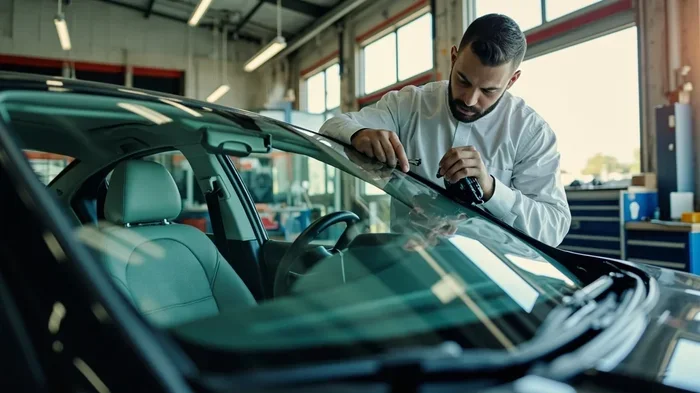
Most experts recommend going with a professional. Trained technicians use proper tools and quality adhesives. They also know how to handle modern windshields with built-in sensors and cameras.
Professional installation usually comes with a warranty. You also get the peace of mind that the job was done right. For the best results, look for a shop certified by Auto Glass Safety Council (AGSC) or similar organizations.
Before choosing a service, you might want to check if your car has any electrical issues that could be related. You can learn more about diagnosing car problems in our guide on can I do my own car diagnostics.
Step-by-Step Windshield Replacement Process
Wondering what happens during a windshield replacement? Here is a simple breakdown of the process.
Step 1: Inspection and Assessment
The technician examines your windshield and the surrounding area. They check for damage, rust on the frame, and any sensors or cameras mounted near the glass.
Step 2: Removing the Old Windshield
The old windshield is carefully cut away from the urethane adhesive. Technicians use special tools to avoid damaging the car frame or interior. This step requires precision and care.
Step 3: Preparing the Frame
Old adhesive is cleaned off the frame. The area is inspected for rust or damage. A primer or urethane prep is applied to ensure a strong bond with the new glass.
Step 4: Installing the New Windshield
The new windshield is placed into the frame. The technician applies even pressure and ensures proper alignment. The urethane adhesive is applied to create a watertight and airtight seal.
Step 5: Curing and Cleanup
The adhesive needs time to cure. Most shops use a fast-cure adhesive that sets in a few hours. You should avoid driving for at least one hour, but some adhesives need 24 hours to fully set. The technician cleans up any residue and checks for leaks.
Step 6: Calibration (For Modern Vehicles)
Many new cars have cameras or sensors near the windshield. After replacement, these need to be recalibrated. This ensures features like lane departure warning and automatic emergency braking work correctly.
How to Extend the Life of Your New Windshield
Getting a new windshield is a big investment. You want it to last. Here are simple tips to keep your replacement windshield in great shape.
Avoid Harsh Chemicals
Use a gentle glass cleaner. Harsh chemicals can damage the adhesive seal and the glass coating. Stick to products designed for automotive glass.
Give the Adhesive Time to Cure
Do not wash your car or drive through heavy rain for at least 24 hours. The adhesive needs time to bond properly. Opening windows or pressing on the glass too soon can weaken the seal.
Fix Small Chips Quickly
Even a new windshield can get chipped. Small chips spread fast, especially in cold weather. Address them immediately to avoid a full replacement later.
Avoid Extreme Temperature Changes
Do not blast your car heater on high right after replacement. Sudden temperature changes can stress the adhesive and the glass. Let your car warm up gradually.
Choose Quality Windshield Wipers
Worn wipers can scratch your new windshield. Replace them every six to twelve months. Clean wipers also help maintain a clear view while driving.
For more car care tips, you might want to check out 3M car cleaning cloth for safe and effective cleaning of your new windshield and other car surfaces.
Common Mistakes to Avoid During Windshield Replacement
Even with the best guide, mistakes happen. Here are common errors you should avoid.
- Choosing the Cheapest Option: Low cost often means low-quality glass or poor installation. Your safety is worth more than saving a few dollars.
- Skipping Calibration: If your car has advanced driver-assistance features, calibration is essential. Skipping this step can make those features unreliable.
- Driving Too Soon: The adhesive needs time to set. Driving immediately after replacement can cause the windshield to shift or leak.
- Ignoring Small Cracks: A tiny crack today can become a big problem tomorrow. Do not ignore any damage, no matter how small.
- Not Checking Insurance Coverage: Many people do not realize their insurance covers windshield replacement. Always check before paying out of pocket.
Expert Insights on Windshield Replacement
We spoke with several auto glass professionals to get their top tips. Here is what they had to say.
Always ask about the adhesive cure time. Different adhesives have different drying periods. Some allow you to drive in one hour, while others need a full day. Knowing this helps you plan your day better.
Do not wait after damage occurs. The longer you wait, the more a crack spreads. Temperature changes, vibration, and moisture all speed up the process. A small repair today can prevent a full replacement next week.
Choose a shop with good reviews. Look for certified technicians and read customer feedback. A reputable shop stands behind their work with a solid warranty.
One expert also recommended checking the 3M anti-glare film for car windshield options after replacement. These films reduce glare and add an extra layer of protection to your new glass.
Windshield Replacement and Insurance: What You Need to Know
Many car insurance policies cover windshield replacement. This is one of the most common claims in auto insurance. Here is what you should know.
Comprehensive coverage usually includes windshield damage. This means you may not have to pay a deductible. Some insurance companies even offer zero-deductible glass coverage as an add-on.
Before filing a claim, get a quote from your preferred shop. Compare it with the insurance payout. Sometimes paying out of pocket is cheaper, especially if the damage is minor and your rates might go up.
Also, check if your insurance has a preferred network of shops. Using a network shop often means faster processing and no out-of-pocket costs.
Conclusion
Your car windshield replacement guide is not just about swapping out a piece of glass. It is about keeping yourself and your passengers safe. A damaged windshield is a serious issue that should never be ignored. Whether you choose a professional or go the DIY route, make sure the job is done right.
Remember to act quickly when you notice damage. Understand your costs, explore your insurance options, and choose quality glass. With the right care and maintenance, your new windshield will keep you safe for years to come. Drive smart, stay safe, and never take your windshield for granted.
Frequently Asked Questions
How long does a windshield replacement take?
Most professional replacements take about one to two hours. However, if your car has advanced sensors or cameras, calibration may add extra time. Always ask the shop for an estimated timeline before you drop off your vehicle.
Can I drive immediately after a windshield replacement?
It depends on the adhesive used. Most shops recommend waiting at least one hour. Some adhesives need up to 24 hours to fully cure. Your technician will give you specific instructions based on the product they use.
Does car insurance cover windshield replacement?
Yes, most comprehensive insurance policies cover windshield replacement, often with no deductible. Check with your insurance provider to confirm your specific coverage details and whether you need to use a preferred shop.
How do I know if my windshield can be repaired instead of replaced?
Small chips and cracks under three inches can usually be repaired. Damage outside the driver’s line of sight is also more likely to be repairable. A professional can assess the damage and recommend the best option for your situation.
What is the difference between OEM and aftermarket windshield glass?
OEM glass is made by the original manufacturer and matches your car exactly. Aftermarket glass is made by third-party companies and is usually more affordable. Both options are safe, but OEM glass tends to have a more precise fit and finish.
How long does a new windshield last?
A properly installed windshield can last the lifetime of your vehicle. However, damage from rocks, weather, or accidents can shorten its lifespan. Regular care and quick repairs of small chips help your new windshield last as long as possible.