How Much Mileage Does Eco Mode Save Compared to Normal
Eco mode can improve fuel economy by 5% to 25%, depending on your vehicle and driving conditions. It works by adjusting throttle response, transmission shifting, and air conditioning to reduce fuel consumption. Understanding how much mileage does eco mode save helps drivers make smarter choices at the pump every day.
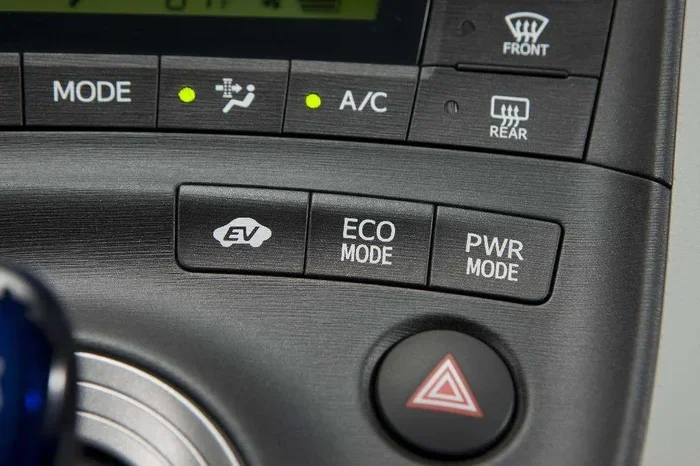
You have probably noticed that little Eco button on your dashboard. Maybe you have pressed it without really knowing what it does. Or maybe you have wondered whether it actually works at all. The question on a lot of drivers’ minds is simple: how much mileage does eco mode save compared to driving normally? The answer might surprise you. In this guide, we will break down everything you need to know about fuel savings with eco mode. You will learn what it does, how much it helps, and when you should use it.
Fuel costs keep going up. Every driver wants to stretch every gallon as far as possible. Eco mode promises to help, but does it deliver? We looked at real-world data, expert reviews, and driver experiences to give you a clear picture. Whether you drive a compact car, a hybrid SUV, or a daily commuter sedan, this article covers what you need. By the end, you will know exactly how to use eco mode to save money at the pump.
Key Takeaways
- Eco mode saves 5% to 25% on fuel: Real-world tests show meaningful mileage gains, especially in city driving.
- It changes how your car operates: Throttle becomes less responsive, transmission shifts earlier, and AC power is reduced.
- City driving benefits most: Stop-and-go traffic is where eco mode delivers the biggest fuel savings.
- Highway and mountain driving may see less benefit: Sustained speeds and steep grades reduce eco mode effectiveness.
- Not all vehicles respond the same: Hybrids and smaller engines tend to see greater gains than large trucks or SUVs.
- Driving habits still matter most: Smooth acceleration and steady speeds amplify eco mode results significantly.
- Turn eco mode off when you need power: Overtaking, towing, or climbing steep hills demands full engine response.
📑 Table of Contents
- What Is Eco Mode and How Does It Work?
- How Much Mileage Does Eco Mode Save in Real-World Driving?
- Eco Mode vs Normal Mode: A Detailed Comparison
- Factors That Affect How Much Mileage Eco Mode Saves
- When to Use Eco Mode and When to Turn It Off
- Expert Tips to Maximize Fuel Savings with Eco Mode
- Common Mistakes People Make with Eco Mode
- The Bottom Line: Is Eco Mode Worth It?
What Is Eco Mode and How Does It Work?
Eco mode is a driving setting found in most modern vehicles. When you activate it, your car changes how the engine and transmission behave. The goal is simple: use less fuel. But the way it achieves that is more interesting than most people realize.
When eco mode is on, several systems adjust at the same time. The throttle response becomes softer. This means your car accelerates more gently when you press the gas pedal. The transmission shifts to higher gears sooner. Higher gears mean lower engine RPMs, which burns less fuel. The air conditioning system may reduce power slightly. Even the electric power steering can adjust to use less energy.
In hybrid vehicles, eco mode goes a step further. It prioritizes electric motor usage over the combustion engine. It also manages regenerative braking more aggressively. This means the car captures more energy during deceleration. All of these changes work together to improve your overall fuel economy.
The Science Behind the Savings
Here is a quick look at what happens inside your car when eco mode activates:
- Throttle mapping changes: The engine receives less fuel per pedal press.
- Transmission logic shifts: Gears change earlier to keep RPMs low.
- Engine load reduces: The computer limits power output slightly.
- AC compressor eases up: Less energy goes to cooling.
- Idle speed drops: The engine uses less fuel when stopped.
Each of these changes alone might seem small. But together, they add up to real fuel savings over time. Think of it like turning down the brightness on your phone. One small change does not matter much. But many small changes together make a big difference.
How Much Mileage Does Eco Mode Save in Real-World Driving?
This is the question everyone wants answered. The truth is, the savings depend on several factors. But research and real-world testing give us a solid range to work with.
Most studies and driver reports show that eco mode saves between 5% and 25% on fuel. On average, drivers see about a 10% to 15% improvement in miles per gallon. That might not sound like a lot. But over a year of daily commuting, those savings add up quickly.
Let us look at a practical example. Say you drive 12,000 miles per year. Your car gets 25 MPG in normal mode. That means you use 480 gallons of gas annually. With eco mode saving you 10%, you would use about 432 gallons instead. At $3.50 per gallon, that is a savings of $168 per year. Over five years, you save $840 just by pressing one button.
City Driving vs. Highway Driving
Where you drive matters a lot when it comes to how much mileage does eco mode save. City driving with lots of stops and starts is where eco mode shines the brightest. The gentle throttle response reduces wasteful acceleration. The earlier gear shifts keep the engine in its most efficient range. Even the reduced AC load helps in stop-and-go traffic.
Highway driving is a different story. At steady speeds, the engine is already working efficiently. Eco mode changes less in this scenario. You might still see a 3% to 8% improvement. But the gains are not as dramatic as they are in the city.
Here is a quick comparison of typical savings:
- City driving: 10% to 20% fuel savings
- Suburban driving: 8% to 15% fuel savings
- Highway driving: 3% to 8% fuel savings
- Mixed driving: 7% to 15% fuel savings
These numbers come from aggregated driver reports and independent testing. Your actual results may vary based on your specific vehicle and driving style.
Eco Mode vs Normal Mode: A Detailed Comparison
To really understand the value of eco mode, it helps to compare it directly against normal driving mode. Both modes have their place. But they serve very different purposes on the road.
In normal mode, your car is tuned for a balanced experience. The throttle responds at a standard rate. The transmission shifts at expected points. The air conditioning runs at full power. This mode gives you the best overall performance for everyday driving.
Eco mode sacrifices a bit of that responsiveness for the sake of fuel efficiency. The car feels slightly sluggish when you press the accelerator. The transmission holds gears longer before upshifting. The steering might feel a tiny bit heavier. For most drivers, these changes are barely noticeable. But they make a real difference in how much fuel your car uses.
Side-by-Side Comparison
Here is how the two modes stack up across key areas:
- Throttle responsiveness: Normal mode is quicker. Eco mode is gentler and more gradual.
- Transmission shifting: Eco mode shifts earlier to keep RPMs low. Normal mode shifts at higher RPMs for better performance.
- Air conditioning: Eco mode may reduce AC output slightly. Normal mode keeps full cooling power.
- Engine power: Normal mode delivers full power when you need it. Eco mode limits peak power output modestly.
- Fuel consumption: Eco mode uses less fuel in most scenarios. Normal mode uses more but offers a more responsive feel.
The right choice depends on your driving situation. If you are cruising on a long highway trip, normal mode might feel better. If you are stuck in morning traffic, eco mode is your friend. The key is knowing when to switch between them.
Factors That Affect How Much Mileage Eco Mode Saves
Not every car delivers the same fuel savings from eco mode. Several factors influence how effective it will be for your specific situation. Understanding these factors helps you set realistic expectations.
Vehicle Type and Engine Size
The type of car you drive plays a huge role. Smaller engines tend to benefit more from eco mode because they are already closer to their efficiency limits. Hybrid vehicles see some of the best gains. The electric motor handles low-speed driving while eco mode manages the transition between power sources.
Larger vehicles like trucks and SUVs have more mass to move around. Eco mode helps, but the savings are usually smaller in percentage terms. A full-size truck might only see a 3% to 7% improvement, while a compact hybrid could see 20% or more.
Driving Habits and Style
This is the factor you have the most control over. Eco mode works best when you drive smoothly. If you mash the accelerator after activating eco mode, you will cancel out most of the benefits. Gentle acceleration, gradual braking, and steady speeds amplify the savings dramatically.
Think of eco mode as a coach. It guides your car toward better habits. But it cannot force you to drive differently. Your behavior behind the wheel still matters enormously.
Road Conditions and Terrain
Flat, well-maintained roads are ideal for eco mode. Stop-and-go city streets also work well. But steep mountain roads or rough terrain can reduce the benefits. When your engine works hard against gravity, eco mode’s power limitations become more noticeable. The system cannot overcome physics, no matter how efficient it tries to be.
Weather and Temperature
Extreme temperatures affect fuel economy regardless of driving mode. Cold weather thickens engine oil and reduces efficiency. Hot weather increases AC usage, which draws more power. Eco mode helps offset some of these effects, but it cannot eliminate them entirely.
When to Use Eco Mode and When to Turn It Off
Eco mode is not always the best choice for every situation. Knowing when to use it and when to switch it off is key to getting the most benefit.
Best Times to Use Eco Mode
- Daily commuting: Stop-and-go traffic is perfect for eco mode.
- City errands: Short trips around town benefit from the fuel-saving settings.
- Long highway cruises at steady speeds: Even modest savings add up over long distances.
- Fuel tank running low: When you are trying to stretch the last few gallons, every bit helps.
- Quiet neighborhoods: The gentler throttle response reduces noise, which is a nice bonus.
Times to Turn Eco Mode Off
- Highway merging and passing: You need quick acceleration for safety.
- Steep mountain roads: The engine needs full power to climb grades.
- Towing a trailer or boat: Extra weight demands maximum engine output.
- Hot weather with full AC: Eco mode may struggle to keep the cabin cool.
- Fast-moving traffic: You need responsive acceleration to match traffic flow.
The beauty of modern vehicles is that switching between modes takes just a press of a button. You do not need to commit to one mode all day. Use eco mode when it makes sense, and switch to normal mode when you need more power. This flexible approach gives you the best of both worlds.
Quick Tips for Switching Modes Effectively
- Keep eco mode on by default for daily driving.
- Switch to normal mode before merging onto highways.
- Turn off eco mode when towing or carrying heavy loads.
- Use eco mode during the first minutes of your drive to establish efficient habits.
- Monitor your dashboard display to see real-time fuel economy feedback.
Expert Tips to Maximize Fuel Savings with Eco Mode
Eco mode alone will not transform your fuel economy. But combined with smart driving habits, it becomes a powerful tool. Here are some expert-backed tips to get the most out of every tank.
1. Keep Your Tires Properly Inflated
Underinflated tires create rolling resistance. That means your engine works harder and uses more fuel. Check your tire pressure at least once a month. The correct PSI is listed on the driver’s side door jamb. Properly inflated tires can improve fuel efficiency by up to 3% on their own.
2. Reduce Excess Weight
Every extra pound your car carries costs fuel. Clear out your trunk of items you do not need. A lighter car uses less energy to move. This works especially well in combination with eco mode.
3. Use Cruise Control on Highways
Steady speeds are the enemy of fuel waste. Cruise control maintains a constant speed without you needing to think about it. When combined with eco mode on flat highways, the fuel savings can be surprisingly effective. Just remember to turn off cruise control on hilly terrain where the car might waste fuel accelerating uphill.
4. Plan Your Routes Wisely
Traffic jams are fuel killers. If you can avoid congested routes, you will save gas even without eco mode. Use navigation apps to find the least congested path. Combining errands into one trip also reduces total driving time and fuel use.
5. Maintain Your Vehicle Regularly
A well-maintained engine runs more efficiently. Change your oil on schedule. Replace air filters when they get dirty. Keep your spark plugs in good condition. These basic maintenance tasks ensure your car operates at peak efficiency whether eco mode is on or off.
6. Monitor Your Fuel Economy
Most modern cars have a dashboard display that shows real-time MPG. Watch this number while driving. You will quickly learn which habits improve your numbers and which ones hurt them. This feedback loop is one of the best ways to build lasting fuel-saving habits.
By combining eco mode with these tips, you create a multiplier effect. Each good habit adds a little more savings. Over weeks and months, the difference at the fuel pump becomes very real and very satisfying.
Common Mistakes People Make with Eco Mode
Even with the best intentions, drivers sometimes undermine their own fuel savings. Here are the most common mistakes to avoid.
- Leaving eco mode on all the time: This is fine for some drivers, but it can cause issues when you need power unexpectedly.
- Pressing the accelerator hard: Flooring the pedal in eco mode still uses fuel. The mode just limits how much, not eliminates waste.
- Ignoring warning lights: If your check engine light is on, eco mode cannot fix underlying mechanical issues.
- Expecting miracles: Eco mode helps, but it is not a magic solution. It works best as part of a broader fuel-efficient driving strategy.
- Using eco mode while towing: This strains the engine and can cause overheating. Always turn it off when towing.
Avoiding these mistakes ensures you get the full benefit of eco mode without any downsides. Simple awareness goes a long way toward better fuel economy.
The Bottom Line: Is Eco Mode Worth It?
The answer is a clear yes for most drivers. How much mileage does eco mode save depends on your vehicle, your routes, and your driving style. But across the board, the savings are real and meaningful. Even a modest 5% improvement in fuel economy translates to hundreds of dollars saved each year.
Eco mode is especially valuable for daily commuters who spend a lot of time in city traffic. The gentle throttle, early shifting, and reduced AC load all contribute to less fuel burned per mile. For hybrid drivers, the benefits are even more pronounced because the system can lean on electric power more aggressively.
That said, eco mode is a tool, not a rule. Use it when it makes sense. Turn it off when you need full performance. The best drivers know how to switch between modes based on the road ahead. This flexible approach gives you the fuel savings of eco mode without sacrificing safety or convenience when you need them.
Start by using eco mode on your next commute. Pay attention to your fuel gauge and dashboard MPG reading. After a week or two, compare your numbers to your normal driving pattern. You might be pleasantly surprised at what a simple button press can do. The road to better fuel economy starts with one small change. Eco mode is an easy first step that anyone can take today.
Remember, saving fuel is not just about saving money. It also reduces your carbon footprint and helps the environment. Every gallon you save is one less gallon burned. Over a lifetime of driving, those savings become significant for both your wallet and the planet. So go ahead, press that Eco button, and start driving smarter today.
Frequently Asked Questions
Does eco mode really save gas?
Yes, eco mode does save gas in most driving situations. By adjusting throttle response, transmission shifting, and air conditioning, eco mode reduces fuel consumption. Most drivers see a 5% to 25% improvement in fuel economy depending on their vehicle and driving conditions.
Is it okay to drive in eco mode all the time?
It is generally safe to drive in eco mode all the time for normal daily driving. However, you should turn it off when you need extra power for highway merging, overtaking, towing, or driving on steep hills. The mode limits engine output, which can be a safety concern in certain situations.
Does eco mode make your car slower?
Eco mode makes acceleration feel gentler and less responsive. Your car is not actually slower in terms of top speed, but it takes longer to reach higher speeds. This reduced throttle response is intentional and is what helps improve fuel economy.
How much does eco mode save on a daily commute?
For a typical daily commute in city or suburban driving, eco mode can save around 10% to 15% on fuel. Over a year of commuting, this can add up to $100 to $200 or more in savings, depending on your fuel costs and commute distance.
Does eco mode work the same in all cars?
No, eco mode works differently depending on the vehicle. Smaller cars and hybrids tend to see greater fuel savings. Larger vehicles like trucks and SUVs see smaller percentage gains. The specific adjustments made by eco mode also vary between manufacturers.
Can eco mode damage your car?
No, eco mode cannot damage your car. It simply changes how the engine and transmission operate to use less fuel. Your car is designed to handle these changes safely. In fact, the gentler driving patterns encouraged by eco mode can reduce wear on your engine and brakes over time.
=== CONCLUSION ===
How much mileage does eco mode save compared to normal driving? The answer ranges from 5% to 25%, with most drivers seeing around 10% to 15% better fuel economy. Eco mode works by adjusting throttle response, transmission shifting, air conditioning, and engine output to use less fuel. City drivers benefit the most, while highway drivers see more modest gains.
The key to maximizing your savings is to use eco mode wisely. Combine it with smooth driving habits, proper vehicle maintenance, and smart route planning. Turn it off when you need full power for safety reasons. And remember, eco mode is one tool in your overall fuel-saving toolkit, not a magic fix.
Start using eco mode today and pay attention to your fuel economy over the next few weeks. Small changes add up to big savings over time. Your wallet and the environment will thank you for making the switch.