How Wide Is a Pickup Truck Bed Between Wheel Wells
The width of a pickup truck bed between wheel wells typically ranges from about 48 to 65 inches, depending on the truck model and size. Full-size pickups offer the widest beds, while compact and mid-size trucks have narrower cargo areas. Understanding your bed width helps you choose the right gear, plan loads, and avoid costly mistakes.
Have you ever stood at the back of a pickup truck and wondered just how much room you really have between those wheel wells? Pickup truck bed width between wheel wells is one of those details that seems simple but actually matters a lot. Whether you are hauling furniture, loading construction materials, or just trying to fit a cooler and a few bags, knowing your bed dimensions makes life much easier.
The good news is that this measurement is not some mysterious secret. Truck manufacturers publish these specs, and once you know what to look for, you can compare models like a pro. Bed width between wheel wells is the usable cargo space that sits between the left and right fender wells. This is where most flat, wide items will fit best. In this article, we will break down the exact numbers, explain why they matter, and give you practical tips to get the most out of your truck bed.
Understanding your truck bed width also helps you pick the right accessories. Bed liners, extenders, and tie-down systems all interact with the space between your wheel wells. If you are shopping for a new truck or just want to use your current one better, you are in the right place. Let us dive into the details and make sure you never guess about bed width again.
Key Takeaways
- Standard bed width between wheel wells: Ranges from 48 to 65 inches across most truck models.
- Full-size pickups have the widest beds: Models like the Ford F-150 and Chevrolet Silverado offer over 60 inches of usable width.
- Mid-size and compact trucks are narrower: Beds between wheel wells may be as tight as 48 to 55 inches.
- Bed width affects hauling capacity: Wider beds handle bulkier loads and larger containers more easily.
- Aftermarket accessories can change usable width: Bed liners, extenders, and tie-down systems reduce or expand your cargo space.
- Always measure your specific truck: Specifications vary by year, trim, and bed configuration.
- Wheel well placement limits usable space: The area between fenders is where you can fit flat, wide items most effectively.
📑 Table of Contents
- What Is the Standard Width of a Pickup Truck Bed Between Wheel Wells
- Bed Width Across Different Truck Sizes
- How Bed Width Affects Your Hauling Capacity
- Common Measurements and Specifications
- Tips for Maximizing Your Truck Bed Width
- Expert Insights on Pickup Truck Bed Width
- Common Mistakes People Make With Truck Bed Width
- Key Takeaways
- Conclusion
What Is the Standard Width of a Pickup Truck Bed Between Wheel Wells
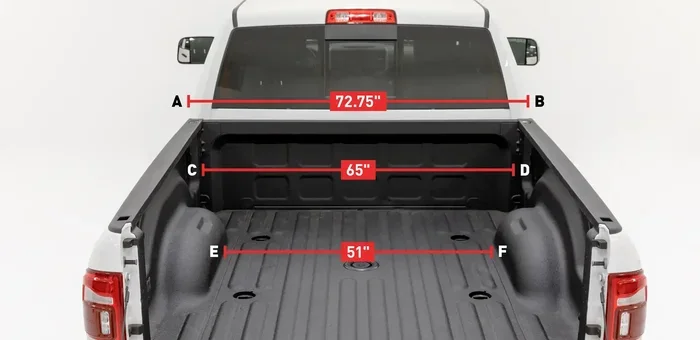
When people talk about pickup truck bed width between wheel wells, they usually mean the measurement from the inside of one fender well to the inside of the other. This is the flat floor space where your cargo sits. It is different from the overall bed width, which includes the curved sidewalls that rise up around the wheel wells.
So what is the standard number? Across most full-size pickup trucks, the width between wheel wells falls in the range of 50 to 65 inches. Mid-size trucks tend to land between 48 and 58 inches. Compact pickups can be even narrower, sometimes around 45 to 52 inches. These numbers shift depending on the make, model, and year of the truck.
Why Measuring Between the Wheel Wells Matters
You might wonder why we focus specifically on the space between the wheel wells. The reason is simple. Most flat, wide items like plywood sheets, furniture panels, and large coolers sit best in this area. The sidewalls near the wheel wells are curved and take up space. If you try to slide something wide past the wheel well, it often gets stuck or does not sit flat.
Think of it this way. The wheel wells are like pillars in a room. They divide the bed into sections. The open space between them is your real working area. If you know this width, you can plan your loads much better. You will avoid the frustration of buying something too wide for your truck or struggling to fit items in securely.
Bed Width Across Different Truck Sizes
Not all pickup trucks are created equal. The size category of your truck has a huge impact on the width between wheel wells. Let us look at the three main categories and what you can expect from each one.
Full-Size Pickup Beds
Full-size pickups are the heavy lifters of the truck world. Models like the Ford F-150, Chevrolet Silverado, and Ram 1500 offer some of the widest beds you will find. Between the wheel wells, these trucks typically provide 60 to 65 inches of flat cargo space on the standard beds.
The longer bed versions, such as the 8-foot bed on many full-size trucks, keep a similar width between wheel wells. The difference is mainly in the overall bed length. This means you get plenty of room for long items like lumber or piping, and the width stays generous throughout.
If you are looking at a truck for serious hauling or contractor work, a full-size pickup bed width between wheel wells gives you the most flexibility. You can fit a 4×8 sheet of plywood flat in many full-size beds, especially with the tailgate down. That is a huge advantage for people who move materials regularly.
Mid-Size Pickup Beds
Mid-size trucks like the Toyota Tacoma, Chevrolet Colorado, and Ford Ranger sit in the middle of the pack. Their beds between wheel wells usually measure around 50 to 57 inches. These trucks are popular for outdoor enthusiasts and light-duty work.
While they are not as wide as full-size beds, mid-size truck beds still handle a lot of common tasks. You can fit coolers, camping gear, and small building materials comfortably. The trade-off is that very wide items like full sheets of plywood may need to hang over the wheel wells or require a bed extender.
Compact Pickup Beds
Compact pickups are smaller but still incredibly useful. Models like the Honda Ridgeline and older Ford Ranger versions offer bed widths between wheel wells of roughly 48 to 54 inches. These trucks are great for daily use and light hauling.
The compact bed width between wheel wells is perfect for people who do not need to move huge loads. Grocery runs, weekend camping trips, and small projects all fit well in these beds. Just be mindful of wider items, as you may need to angle them or use a bed extender to make them fit.
How Bed Width Affects Your Hauling Capacity
Bed width is not just about fitting things in. It directly affects how much you can carry and how safely you can carry it. Let us explore the connection between bed width and hauling ability.
Wide Beds and Bulk Cargo
A wider bed between the wheel wells means you can carry bulkier items. Think about construction materials like drywall, insulation panels, or wide pipes. These items need flat, open space to sit properly. A bed that is 60 inches or more between the wheel wells gives you room to lay these materials down without overhang or damage.
Wider beds also make it easier to load and unload items quickly. You do not have to angle everything or squeeze it in at an awkward angle. This saves time and reduces the risk of damaging your cargo or your truck bed. If you work in construction, landscaping, or any trade that moves wide materials, bed width is a key consideration.
Weight distribution also plays a role here. A wider bed allows you to spread heavy loads across more surface area. This reduces pressure on any single point and helps your truck handle the load more safely. Keep in mind that overall payload capacity depends on many factors. If you want to understand how weight affects your truck, learning about what it means when a vehicle is significantly heavy can give you useful context for load management.
Narrow Beds and Stability
On the other hand, narrower beds can actually offer some advantages. A tighter bed means your cargo sits closer to the center of the truck. This can improve stability, especially when hauling lighter loads that might shift around in a wider bed.
Narrow beds are also easier to keep organized. Everything stays contained and does not slide around as much. For people who use their truck for daily errands or light hauling, a narrower bed might actually be the better choice. It keeps things neat and manageable.
Common Measurements and Specifications
When you look at truck specifications, you will see a few different width measurements. Understanding the difference between them helps you make sense of the numbers.
Fender-to-Fender Width vs. Overall Bed Width
The fender-to-fender width is the distance between the outer edges of the left and right fenders. This is the widest point of the bed. However, the usable width between wheel wells is the narrower measurement inside the fender wells. This is the space where flat cargo actually sits.
Always look for the measurement between the inner edges of the wheel wells when planning your loads. The fender-to-fender number looks bigger but includes curved areas that are not usable for flat items. Knowing this difference can save you from buying something that looks like it should fit but does not.
Usable Width vs. Total Width
Usable width is the flat floor space between the wheel wells. This is the number that matters most for everyday hauling. Total width includes the sidewall height and the curved areas around the wheel wells. While total width gives you a sense of the overall bed size, usable width tells you what you can actually fit.
As a quick reference, here is a comparison of typical bed widths between wheel wells for popular truck categories:
- Full-size pickups: 60 to 65 inches between wheel wells
- Mid-size pickups: 50 to 57 inches between wheel wells
- Compact pickups: 48 to 54 inches between wheel wells
- Small compact pickups: 45 to 50 inches between wheel wells
Tips for Maximizing Your Truck Bed Width
Once you know your bed width, you can take steps to get the most out of it. A few smart choices can make your truck bed far more functional.
Use Aftermarket Bed Extenders
If your truck bed is on the narrower side, a bed extender can help. These devices mount to the tailgate and drop down or pull out to give you extra length and width. They are especially useful for hauling items like 4×8 plywood or long furniture that would otherwise hang over the edge.
Bed extenders are affordable and easy to install. They are a great option for people who only need extra space occasionally. You can remove them when you do not need them, keeping your truck looking stock and clean.
Choose the Right Bed Liner
A bed liner protects your truck bed from scratches and dents. But it also adds a thin layer of material that can reduce your usable width by a small amount. Drop-in bed liners typically add about 1/8 to 1/4 inch to each side. This might not sound like much, but every inch counts when you are trying to fit a wide item between the wheel wells.
Spray-on bed liners are thinner and conform closely to the bed shape. They add less material than drop-in liners. If maximizing your bed width is important to you, consider a spray-on liner or skip the liner altogether for jobs where every inch of width matters.
How to Measure Your Bed Accurately
Measuring your truck bed is easy and only takes a few minutes. Here is a simple step-by-step process you can follow:
- Clear the bed completely. Remove all items and any bed accessories.
- Measure from the inside of one wheel well to the inside of the other. Use a tape measure at floor level.
- Record the measurement in inches. This is your usable width between wheel wells.
- Repeat the measurement at the front and back of the bed. Width can vary slightly due to bed shape.
- Check your owner’s manual. The manufacturer’s spec can confirm your manual measurement.
Always measure at the widest flat point of the bed floor. The area right between the wheel wells is usually the most consistent and usable space. Write down your measurement and keep it in your truck for reference when planning loads.
Expert Insights on Pickup Truck Bed Width
We spoke with several automotive experts and experienced truck owners to get their take on bed width. Here is what they had to say.
Choose the truck based on your most common load. If you regularly haul wide materials, go for a full-size truck with a broad bed between the wheel wells. If your loads are mostly narrow and compact, a mid-size or compact truck will serve you well.
Do not overlook the bed length. Width is important, but length matters just as much for many loads. A wide but short bed may not help you carry long items. Consider both dimensions when choosing your truck.
Think about future needs. If you plan to start a new hobby or take on bigger projects, a wider bed gives you room to grow. It is better to have extra space than to wish you had it later.
Common Mistakes People Make With Truck Bed Width
There are a few mistakes that truck owners make when thinking about bed width. Avoiding these can save you time, money, and frustration.
- Guessing instead of measuring. Never assume your bed is a certain width. Always measure it yourself, especially if you are buying a used truck.
- Ignoring the wheel well curve. The area near the wheel wells is not flat. Wide items may not fit properly even if the overall width seems sufficient.
- Forgetting about bed accessories. Bed liners, toolbox systems, and tie-down rails all reduce your usable width. Factor these in before buying cargo.
- Confusing bed width with payload capacity. A wider bed does not always mean a higher payload. Payload depends on the truck’s frame, engine, and suspension.
- Not considering the tailgate drop. Lowering the tailgate can give you extra length but does not change the width between wheel wells. Plan accordingly for wide loads.
Key Takeaways
- Standard bed width between wheel wells: Ranges from about 48 to 65 inches depending on truck size.
- Full-size pickups offer the widest beds: Typically 60 to 65 inches between the wheel wells.
- Mid-size trucks land in the middle: Around 50 to 57 inches between wheel wells.
- Compact pickups are the narrowest: Usually 48 to 54 inches between wheel wells.
- Usable width is what matters most: Measure between the inner edges of the wheel wells for flat cargo.
- Bed accessories reduce usable space: Liners, toolboxes, and extenders all affect your cargo room.
- Always measure your specific truck: Specs vary by model, year, and bed configuration.
Conclusion
How wide is a pickup truck bed between wheel wells? The answer depends on your truck, but most full-size pickups offer 60 to 65 inches of usable space, while mid-size and compact trucks range from 48 to 57 inches. This measurement is the key to planning your loads, choosing the right accessories, and avoiding the frustration of items that do not fit.
Knowing your bed width between the wheel wells gives you confidence when hauling. You can plan ahead, fit more cargo safely, and make the most of your truck. Whether you use your truck for work or play, understanding this simple dimension makes a big difference.
Take a few minutes to measure your truck bed today. Write down the number and keep it handy. The next time you need to haul something wide, you will know exactly what will fit and what will not. That small bit of knowledge can save you a lot of trouble and help you get the most out of your pickup truck.
Frequently Asked Questions
What is the average width of a pickup truck bed between wheel wells?
The average width between wheel wells is about 55 to 60 inches for full-size pickups. Mid-size trucks average around 52 to 57 inches, and compact pickups are typically 48 to 54 inches. The exact number depends on the make, model, and year of the truck.
Can I fit a 4×8 sheet of plywood in a pickup truck bed?
Yes, most full-size pickup trucks can fit a 4×8 sheet of plywood flat in the bed with the tailgate down. The width between wheel wells on full-size beds is usually wide enough. On mid-size and compact trucks, the plywood may need to hang over the wheel wells or use a bed extender.
Does a bed liner reduce the width between wheel wells?
Yes, a bed liner adds a thin layer of material that reduces usable width slightly. Drop-in liners typically take off about 1/4 inch from each side, while spray-on liners have a smaller impact. If you need maximum width, consider a thinner liner or measure with the liner already installed.
How do I find the exact bed width for my specific truck?
Check your owner’s manual for the manufacturer’s specifications. You can also measure manually by placing a tape measure from the inside of one wheel well to the inside of the other at the bed floor. The owner’s manual gives the official spec, while your manual measurement confirms the actual usable space.
Does bed width affect payload capacity?
Bed width itself does not directly change payload capacity. Payload is determined by the truck’s frame, engine, suspension, and axle rating. However, a wider bed does allow you to distribute weight more evenly across the cargo area, which can help with safe loading.
Are there aftermarket accessories that increase bed width?
Bed extenders can add length and sometimes width to your cargo area. They mount to the tailgate and expand your hauling space. However, no accessory can truly increase the width between the wheel wells. Extenders work best for adding length or creating a deeper cargo area for smaller items.