Tinting the Front Windshield: What You Need to Know
Tinting the front windshield is a topic many car owners wonder about. The front windshield has strict rules in most states, so understanding the legal tint limits is essential before you commit. This guide covers legal requirements, UV protection, heat rejection, and the best auto tinting options for your vehicle. We also break down costs, common mistakes, and expert tips to help you make the best decision.
Have you ever driven into a blinding sunset and wished your car had a little more shade on the front windshield? You are not alone. Tinting the front windshield is something millions of car owners consider every year. But before you rush to the nearest auto tinting shop, there are a few things you need to know. The rules, the options, and the costs all vary depending on where you live and what you want from your tint.
This guide breaks everything down in plain language. We will walk you through the legal side, the different types of window tint film, and what to expect when you visit a shop. Whether you want UV protection, glare reduction, or just a cooler ride, you will find the answers here. Let us dive in.
Key Takeaways
- Legal Limits Apply: Most states restrict front windshield tinting to a small strip near the top. Know your local window tinting regulations before proceeding.
- UV Protection Matters: Even a small tint strip can block harmful UV rays and protect your skin during long drives.
- Quality Film Makes a Difference: Ceramic and high-grade films offer better heat rejection and clarity than budget dyed options.
- Driver Visibility Is Key: Never tint below legal visible light transmission (VLT) limits on the front windshield — safety comes first.
- Professional Installation Wins: A pro ensures bubble-free application and compliance with aftermarket tint laws.
- Cost Varies Widely: Expect to pay between $50 and $200 for a front windshield tint strip, depending on the film type and your location.
📑 Table of Contents
- Why People Tint Their Front Windshield
- Understanding the Laws Around Front Windshield Tinting
- Types of Tint Film for the Front Windshield
- How Much Does It Cost to Tint the Front Windshield?
- Common Mistakes to Avoid When Tinting the Front Windshield
- Expert Tips for Getting the Best Front Windshield Tint
Why People Tint Their Front Windshield
There are many reasons car owners look into tinting the front windshield. Some want to beat the heat. Others care about protecting their skin from the sun. And some simply want their car to look better. Whatever your reason, understanding the benefits helps you make a smart choice.
UV Protection for Your Skin
The sun emits harmful ultraviolet rays that can damage your skin over time. Even through a windshield, UV exposure adds up during long drives. A quality tint film can block up to 99 percent of UV rays. This means less sun damage on your face, arms, and hands during your daily commute. People who spend a lot of time driving — like delivery drivers or truckers — benefit the most from this protection.
Heat Rejection and Comfort
Nobody likes getting into a car that feels like an oven. Heat rejection is one of the biggest reasons people tint their vehicles. A good ceramic tint film can reduce interior temperatures by up to 30 percent. This means your air conditioning works less hard, which can even improve fuel economy. On hot summer days, the difference is night and day.
Glare Reduction for Safer Driving
Bright sunlight and headlights from oncoming traffic can cause serious glare. This makes driving dangerous, especially at dawn, dusk, or night. A windshield tint strip can significantly cut down on glare without blocking your view of the road. Better visibility means fewer squinting moments and a more comfortable drive.
Aesthetic Appeal
Let us be honest — a tinted car just looks sleek. Many people choose aftermarket tint to give their vehicle a polished, finished look. A clean tint strip on the front windshield ties the whole window setup together. It is a simple upgrade that makes a big visual impact.
Understanding the Laws Around Front Windshield Tinting
This is where things get tricky. The rules for tinting the front windshield are not the same everywhere. In fact, they vary from state to state and even country to country. Before you do anything, you need to understand what is legal in your area.
What the Law Typically Allows
In most U.S. states, you can tint the top few inches of the front windshield. This is often called the sunshade strip or eyebrow tint. The allowed height varies, but it is usually between 4 and 6 inches from the top of the glass. This strip helps with glare and UV rays without blocking the driver’s main view of the road.
Some states allow no tint on the front windshield at all, except for factory-installed safety glass. Other states are more lenient. This is why checking your local window tinting regulations is so important. You do not want to get pulled over and handed a ticket for the wrong tint percentage.
Visible Light Transmission (VLT) Explained
Visible light transmission, or VLT, measures how much light passes through your tint film. The higher the VLT, the more light gets through. A lighter tint has a higher VLT percentage. Most front windshield tints must have a VLT of 70 percent or higher, depending on your state.
Here is a simple way to think about it. A 70 percent VLT tint lets 70 percent of light through. It looks almost clear but still cuts some glare and UV rays. A 50 percent VLT tint is noticeably darker. This is usually illegal on the front windshield in most places. Always check the legal tint limits before buying any film.
Medical Exemptions
Some states offer medical exemptions for darker window tint. If you have a skin condition or a medical issue that makes you sensitive to sunlight, you may qualify for an exception. You will typically need a doctor’s note and a special permit. This allows you to tint the front windshield darker than the standard legal limit. Look up your state’s auto tinting laws to see if this option is available to you.
Types of Tint Film for the Front Windshield
Not all tint films are created equal. If you are considering tinting the front windshield, you need to know your options. Each type of film has its own pros and cons. Let us break them down.
Dyed Tint Film
Dyed film is the most basic and affordable option. It uses layers of dye to absorb heat and reduce glare. The upside? It is cheap. The downside? It fades over time and offers less heat rejection than premium options. Dyed film also tends to look bubbly or discolored after a few years. For a front windshield, dyed film is usually not the best choice because it does not last long.
Metalized Tint Film
Metalized film contains tiny metallic particles that reflect heat away from the car. It is more durable than dyed film and offers better UV protection. However, it can interfere with cell phone signals and GPS. If you rely heavily on your phone while driving, this could be a problem. Metalized film also gives the glass a shiny, mirror-like look, which some people love and others do not.
Carbon Tint Film
Carbon film is a step up from both dyed and metalized options. It does not fade over time and offers excellent heat rejection without interfering with electronics. Carbon film has a matte finish, which many people find more attractive than shiny metalized film. It is a solid mid-range choice for front windshield tinting.
Ceramic Tint Film
Ceramic film is the gold standard of auto tinting. It uses nano-ceramic particles to block heat and UV rays without reducing visibility. Ceramic film does not fade, does not interfere with electronics, and looks great. It is also the most expensive option. If you want the best tint film for your front windshield and have the budget, ceramic is the way to go.
Factory Tinted Glass
Some cars come with factory tinted glass on the front windshield. This is not an aftermarket addition. It is built into the glass during manufacturing. Factory tint usually has a VLT of around 15 to 20 percent. It is not removable and cannot be upgraded. If your car has factory tint, you may not need to do anything extra. Just check your state laws to make sure you are compliant.
How Much Does It Cost to Tint the Front Windshield?
Cost is a big factor for most people. Nobody wants to spend more than they have to, but you also do not want cheap film that peels off in six months. Here is what you can expect when you budget for tinting the front windshield.
- Dyed Film: $30 to $60. Budget-friendly but fades quickly.
- Metalized Film: $60 to $120. Better durability and heat rejection.
- Carbon Film: $100 to $180. Great balance of quality and price.
- Ceramic Film: $150 to $300+. The best performance and longest lifespan.
These prices are for a front windshield tint strip only. Full vehicle tinting costs more. The final price also depends on your location, the shop you choose, and the quality of the installation. A professional job will always cost more than a DIY kit, but it is worth it for a clean, bubble-free finish.
DIY vs. Professional Installation
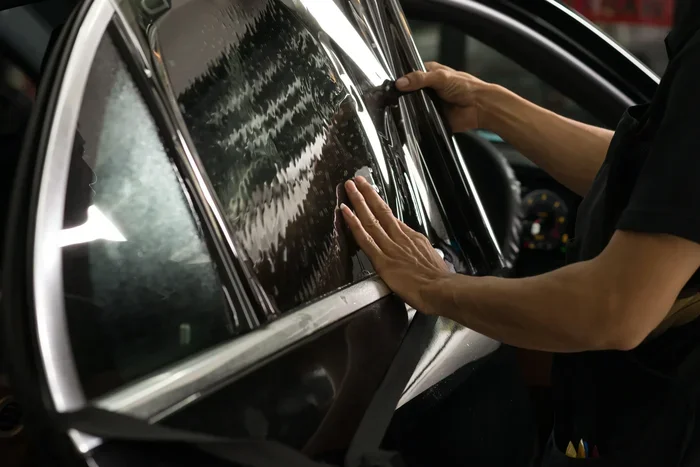
You can buy DIY tint kits online and do the job yourself. They are cheaper, but the results are often uneven. Bubbles, creases, and peeling are common with DIY installs. Professional installers have the tools, experience, and training to do it right the first time. For the front windshield, where visibility is critical, we strongly recommend going with a pro.
Common Mistakes to Avoid When Tinting the Front Windshield
Even with the best intentions, people make mistakes when they tint their front windshield. Here are the most common ones — and how to avoid them.
Ignoring Local Laws
This is the number one mistake. Every state has different window tinting regulations. What is legal in Texas may be illegal in New York. Do your homework before you buy any film. Getting caught with illegal tint can mean fines, points on your license, or even having to remove the tint entirely.
Choosing the Wrong VLT
Not all tint percentages are equal. A lower VLT means a darker tint. For the front windshield, you usually need a VLT of 70 percent or higher. Choosing a darker film for style or comfort will get you in trouble with the law. Stick to the legal tint limits and you will stay out of trouble.
Skipping the Cure Time
After installation, your tint needs time to cure. This usually takes 3 to 7 days. During this time, you may notice haziness or bubbles. This is normal. Do not roll down your windows or wipe the glass during the cure period. Rushing this process can ruin the film and lead to peeling or bubbling.
Buying Cheap Film
It is tempting to grab the cheapest tint film you can find. But cheap film fades, bubbles, and peels. You will end up paying more in the long run to fix or replace it. Invest in a quality film from a reputable brand. Your front windshield is the largest piece of glass on your car, so it deserves good protection.
Forgetting About Warranty
Good auto tinting shops offer warranties on their work and their materials. A lifetime warranty on the film and a workmanship warranty on the installation are both valuable. If something goes wrong — bubbling, peeling, discoloration — a warranty saves you money. Always ask about the warranty before you commit.
Expert Tips for Getting the Best Front Windshield Tint
Want to get the most out of your front windshield tinting experience? Follow these tips from the pros.
- Choose a reputable shop. Read reviews and ask for recommendations. A good installer makes all the difference.
- Ask about film brands. Reputable brands like 3M, Llumar, and SunTek offer reliable quality and strong warranties.
- Check your state laws first. Know your legal limits for visible light transmission and tint strip size.
- Do not tint on a sunny day. Humidity and heat affect the curing process. Overcast days are best for installation.
- Wait before cleaning. Give your tint at least a week before you clean the inside of the glass. Use only a soft, lint-free cloth.
- Consider ceramic for the best results. If budget allows, ceramic film offers the highest heat rejection and clarity without sacrificing visibility.
Tinting the front windshield is a smart move for comfort, safety, and style. As long as you follow the rules and choose quality materials, you will enjoy the benefits for years to come. Start by checking your local laws, pick the right tint film, and find a trusted installer. Your front windshield is the window to your world while driving — protect it well and it will serve you for a long time.
Frequently Asked Questions
Is tinting the front windshield legal in all states?
No, the laws vary by state. Most states allow a small tint strip at the top of the front windshield, but some states do not allow any tinting at all. Check your local window tinting regulations before you proceed.
What VLT percentage is legal for front windshield tint?
In most states, the front windshield tint must have a VLT of 70 percent or higher. This means the film is nearly clear and only blocks a small amount of light. Always verify the legal tint limits in your specific area.
How long does front windshield tint last?
With quality film and professional installation, a front windshield tint can last 5 to 10 years or more. Ceramic and carbon films tend to last longer than dyed or metalized options. Proper care and maintenance also extend the lifespan.
Can I tint my front windshield myself?
You can, but DIY tinting often leads to bubbles, creases, and uneven application. For the front windshield, where visibility is critical, professional installation is strongly recommended. A pro ensures a clean, compliant, and long-lasting result.
Does front windshield tint affect visibility at night?
If you stay within the legal VLT limits, visibility should not be affected at night. In fact, a proper tint strip can reduce glare from oncoming headlights. However, tinting below legal limits can seriously impair night vision and is unsafe.
How much does it cost to tint the front windshield?
The cost typically ranges from $50 to $200 for a front windshield tint strip. The price depends on the type of tint film you choose, the shop, and your location. Ceramic film costs more but offers the best performance and longevity.
=== CONCLUSION ===
Tinting the front windshield is a decision that combines style, comfort, and safety. Whether you want to block harmful UV rays, reduce glare, or keep your car cooler in the summer, the right tint can make a real difference. Just remember to stay within the legal tint limits, choose a quality tint film, and work with a professional installer. The upfront effort pays off with years of enjoyment and protection. Do your research, follow the rules, and you will be glad you made the choice to tint your front windshield.