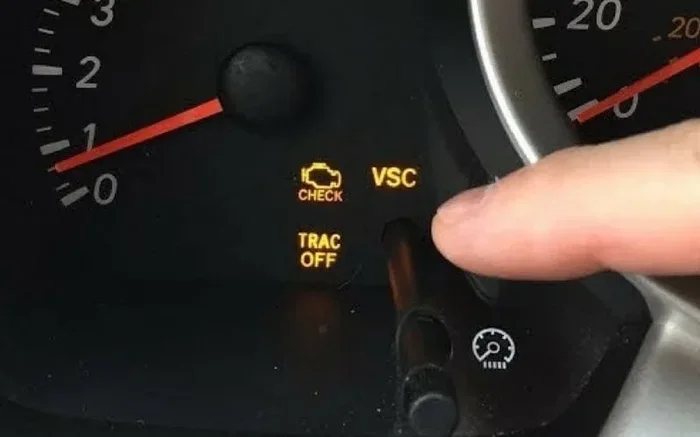
What Causes the VSC Light to Stay On and How to Fix It
The VSC light stays on when your vehicle stability control system detects a problem. Common causes include a faulty wheel speed sensor, low brake fluid, or a bad steering angle sensor. This guide walks you through every possible reason and shows you how to fix it step by step.
That little warning light on your dashboard can send anyone into a panic. You turn the key, and there it is. The VSC light is glowing bright on your dashboard. You might be wondering if your car is about to break down or if this is something you can ignore. The truth is, the VSC light tells you something important about your vehicle’s safety systems.
VSC stands for Vehicle Stability Control. This system helps you keep your car on the road when conditions get tricky. It works with your brakes and traction control to prevent skidding and sliding. When the VSC light stays on, it means the system has detected a problem and has shut itself off for safety.
In this guide, we will cover every reason why the VSC light stays on. We will also walk you through how to fix each issue. Whether you drive a Toyota, Honda, or any other brand, this article has you covered. Let us get into it.
Key Takeaways
- Faulty wheel speed sensors are the #1 cause of a VSC light staying on.
- Low brake fluid or a failing ABS module can trigger the stability control warning.
- Steering angle sensor misalignment is a common and often overlooked culprit.
- You can reset the VSC light yourself in most cases after fixing the root issue.
- Ignoring the VSC light reduces safety, especially in wet or icy conditions.
- An OBD-II scanner is the best tool for diagnosing the exact problem.
- Repair costs range from $50 to $400 depending on the cause.
📑 Table of Contents
- What Does the VSC Light Mean?
- Top Causes Why the VSC Light Stays On
- How to Diagnose the VSC Light Yourself
- How to Fix the VSC Light
- Can You Drive With the VSC Light On?
- How Much Does It Cost to Fix the VSC Light?
- Common Mistakes People Make With the VSC Light
- Expert Tips to Prevent VSC Light Issues
- When to See a Professional Mechanic
- Final Thoughts
What Does the VSC Light Mean?
The VSC light looks like a car with wavy lines behind it. It is part of your vehicle’s stability control system. This system was first introduced in the 1990s and is now standard on almost every new car. It works by monitoring steering input, wheel speed, and vehicle rotation.
When the system senses that the car is losing traction or sliding, it automatically applies brakes to individual wheels. This helps you stay in control. The VSC light comes on when the computer detects a fault in this system. A steady light means there is an ongoing issue. A flashing light usually means the system is actively intervening to help you regain control.
It is important to understand that the VSC light and the check engine light often appear together. This is because both systems share sensors and data. When one triggers, the other may follow. Knowing this connection helps you diagnose problems faster.
Top Causes Why the VSC Light Stays On
Several things can cause the VSC light to stay on. Some are simple fixes. Others need professional help. Let us look at each one in detail.
1. Faulty Wheel Speed Sensors
This is the most common reason for a VSC light staying on. Wheel speed sensors sit near each wheel and measure how fast they spin. The stability control system uses this data to detect slipping or skidding.
When a sensor fails or gets dirty, it sends wrong information. The car’s computer then thinks there is a traction problem even when there is none. This triggers the VSC light and often the ABS light too.
Wheel speed sensors can fail for several reasons:
- Exposure to road debris and dirt
- Wiring damage from potholes or accidents
- Metal wear on the sensor tip
- Corrosion from road salt and moisture
Replacing a single wheel speed sensor costs between $50 and $200. It is one of the cheapest and easiest repairs on this list.
2. Low Brake Fluid
Your brake system and the stability control system are closely linked. When brake fluid drops below the minimum level, the car’s computer warns you. The VSC light often comes on along with the brake warning light.
Low brake fluid usually means one of two things. Either you have a leak, or your brake pads are worn down. Both situations need attention quickly. Driving with low brake fluid is dangerous and can lead to brake failure.
Check your brake fluid reservoir under the hood. The fluid should be between the minimum and maximum marks. If it is low, top it off and watch for leaks. If the fluid keeps dropping, visit a mechanic right away.
3. Bad Steering Angle Sensor
The steering angle sensor tells your car how much you are turning the wheel. The stability control system uses this information to know which direction you intend to go. When this sensor fails, the car cannot compare your intended path with the actual path.
A faulty steering angle sensor is a common cause of the VSC light staying on. It often happens after a steering repair or wheel alignment. The sensor sometimes needs recalibration to work properly again.
Symptoms of a bad steering angle sensor include:
- Stiff or heavy steering
- VSC light appearing after a wheel alignment
- Stability control warnings on the dashboard
- Erratic behavior in the power steering system
Replacing or recalibrating this sensor costs between $100 and $300. It depends on your car model and labor rates in your area.
4. Failing ABS Module
The ABS module controls your anti-lock braking system. Since the VSC system relies on ABS to work, any problem with the module will trigger the VSC light. This is a more serious issue than a bad sensor.
ABS modules can fail due to:
- Internal electrical faults
- Water damage from driving through deep water
- Worn wiring connectors
- Age and wear over time
A failing ABS module can cause the VSC light, the ABS light, and sometimes the traction control light to all come on at once. Repair costs for an ABS module range from $300 to $1,000. In some cases, the module can be repaired instead of replaced, saving you money.
5. Damaged Wiring or Connectors
Your car has a complex web of wires connecting sensors to the computer. Over time, these wires can corrode, fray, or break. A damaged wire in the stability control system will cause the VSC light to stay on.
This problem is common in older vehicles or cars that have been driven in harsh conditions. Road salt, moisture, and heat can all damage wiring over time. The fix involves tracing the damaged wire and replacing or repairing it.
Sometimes the issue is as simple as a loose connector. A mechanic can wiggle wires and connectors to find the problem spot. This is why a proper diagnosis is so important before replacing expensive parts.
6. Faulty Yaw Rate Sensor
The yaw rate sensor measures how fast your car is rotating around its center. This helps the stability control system know if the car is spinning or sliding. When this sensor goes bad, the VSC light turns on because the system cannot accurately detect the car’s movement.
This sensor is usually located near the center of the car, often under the dashboard or near the suspension. Replacement costs range from $150 to $400. This is a less common cause but still important to consider.
How to Diagnose the VSC Light Yourself
You do not need to be a mechanic to figure out why your VSC light is on. A few simple tools and steps can help you narrow down the problem.
Step 1: Check for Other Warning Lights
Look at your dashboard carefully. Is the check engine light also on? Are the ABS light or traction control light glowing? These combinations give you clues about what is wrong.
For example:
- VSC light + check engine light often points to a sensor issue
- VSC light + ABS light usually means a problem with the braking system
- VSC light + traction control light suggests a shared component failure
Step 2: Use an OBD-II Scanner
An OBD-II scanner is the best tool for diagnosing a VSC light issue. This device plugs into your car’s diagnostic port and reads error codes from the computer. You can buy one for under $50 at most auto parts stores.
Once you plug in the scanner, look for codes starting with “C” for chassis-related issues. Common codes related to the VSC light include:
- C0034 – Wheel speed sensor circuit malfunction
- C0040 – ABS motor circuit failure
- C1200 – Steering angle sensor error
- C1234 – Yaw rate sensor fault
Step 3: Inspect the Sensors Visually
Open your hood and look for any obvious damage. Check the brake fluid level. Look at the wiring near the wheels for frayed or corroded connections. Sometimes the fix is as simple as cleaning a sensor or tightening a loose connector.
How to Fix the VSC Light
Once you know the cause, fixing the VSC light becomes much easier. Here are the most common fixes.
Replace the Faulty Sensor
If an OBD-II scanner shows a sensor code, replacing that sensor is usually the fix. Most sensors are easy to access and take less than an hour to swap out. You can find replacement sensors for under $50 online or at your local auto parts store.
After installing a new sensor, you may need to clear the codes with your scanner. The VSC light should turn off once the computer receives correct data from the new sensor.
Top Off or Change Brake Fluid
If your brake fluid is low, simply adding the correct fluid type may solve the problem. Use the fluid grade specified in your owner’s manual. Most cars use DOT 3 or DOT 4 brake fluid.
After topping off, drive the car for a few minutes. The VSC light should turn off if the fluid level was the only issue. If it stays on, there may be a leak that needs professional attention.
Recalibrate the Steering Angle Sensor
If the steering angle sensor needs recalibration, you can do this with an OBD-II scanner or by following a simple driving procedure. Some cars allow you to recalibrate by turning the steering wheel lock to lock while the ignition is on.
Check your owner’s manual for the specific recalibration steps for your vehicle model. This is a free fix that often solves the problem without any parts replacement.
Repair or Replace the ABS Module
A failing ABS module needs professional repair. A mechanic can test the module and determine if it can be rebuilt or needs full replacement. In some cases, a used or remanufactured module can save you hundreds of dollars compared to a brand-new one.
Can You Drive With the VSC Light On?
The short answer is yes, but you should not. When the VSC light is on, your stability control system is disabled. This means you lose the extra safety net that helps you in slippery conditions, sharp turns, and emergency maneuvers.
Driving without stability control is especially risky in rain, snow, or on gravel roads. The car is more likely to skid or slide out of control. If you must drive with the VSC light on, do so carefully and avoid aggressive driving.
Also keep in mind that a VSC light combined with a check engine light can affect your car’s emissions and fuel economy. Your car may run less efficiently when the stability control system is off.
How Much Does It Cost to Fix the VSC Light?
The cost depends entirely on what is causing the problem. Here is a quick cost comparison for the most common fixes.
| Repair | Part Cost | Labor Cost | Total Cost |
|---|---|---|---|
| Wheel speed sensor replacement | $20-$100 | $30-$100 | $50-$200 |
| Brake fluid top-off | $10-$20 | $0 | $10-$20 |
| Steering angle sensor recalibration | $0 | $0-$50 | $0-$50 |
| Steering angle sensor replacement | $80-$200 | $50-$100 | $100-$300 |
| ABS module repair or replacement | $200-$800 | $100-$200 | $300-$1,000 |
| Wiring harness repair | $30-$150 | $50-$150 | $80-$300 |
These are average costs and can vary based on your car make, model, and where you live. Always get a quote from a trusted mechanic before committing to a repair.
Common Mistakes People Make With the VSC Light
Many drivers make mistakes when dealing with a VSC light. Here are the most common ones to avoid.
- Ignoring the light and hoping it goes away. The VSC light will not fix itself. It usually gets worse over time.
- Resetting the light without fixing the problem. Clearing the codes without repairing the cause just brings the light back.
- Replacing parts without a proper diagnosis. Guessing which sensor is bad can waste you hundreds of dollars.
- Driving aggressively with the light on. This puts you and others at risk, especially in bad weather.
- Using the wrong brake fluid. Mixing fluid types can damage the ABS system and make the VSC light worse.
Expert Tips to Prevent VSC Light Issues
Prevention is always better than repair. Here are some tips to keep your VSC light off and your stability control system working properly.
- Check your brake fluid regularly. Top it off as needed and look for leaks around the brake lines.
- Keep your sensors clean. Road dirt and grime can build up on wheel speed sensors. A quick wipe during oil changes helps.
- Get regular wheel alignments. Misaligned wheels put extra strain on the steering angle sensor and other components.
- Address warning lights immediately. The sooner you diagnose a problem, the cheaper and easier the fix will be.
- Use quality parts. Cheap sensors may fail faster and cause the VSC light to return.
When to See a Professional Mechanic
Some VSC light issues are simple enough for a DIY fix. But there are times when you should call in a pro. If the VSC light comes on along with other serious warnings, do not delay professional help. Also, if you have tried basic fixes and the light keeps returning, a deeper diagnostic is needed.
A professional mechanic has access to advanced diagnostic tools and factory-specific repair databases. They can pinpoint the exact problem faster than most DIY methods. This saves you time and money in the long run.
Final Thoughts
The VSC light staying on is a warning you should take seriously. It means your vehicle’s stability control system is not working correctly. This system is one of the most important safety features in your car, especially during challenging driving conditions.
The good news is that most causes of a VSC light are affordable and easy to fix. Whether it is a simple sensor replacement or a brake fluid top-off, you have options. Start with an OBD-II scanner to get the error codes. From there, you can decide if the repair is something you can handle yourself or if you need a mechanic.
Do not ignore the VSC light. Take action quickly, stay safe on the road, and keep your vehicle running at its best. Your car is counting on you to pay attention to these warning signs.
Frequently Asked Questions
What does VSC mean on a car dashboard?
VSC stands for Vehicle Stability Control. It is a safety system that helps prevent your car from skidding or sliding, especially on wet or icy roads. When the VSC light stays on, it means this system has detected a problem and needs attention.
Can low brake fluid cause the VSC light to come on?
Yes, absolutely. Low brake fluid is one of the most common reasons for a VSC light staying on. The stability control system relies on the brake system to work properly. When fluid levels drop, the computer triggers the warning light to alert you.
How do I reset the VSC light after fixing the problem?
You can use an OBD-II scanner to clear the error codes from your car’s computer. After clearing the codes, drive the car for a few minutes. If the repair was successful, the VSC light should stay off. If it returns, the problem may not be fully fixed yet.
Is it safe to drive with the VSC light on?
It is not recommended. When the VSC light is on, your stability control is disabled. This means you have less help staying in control during slippery conditions or sudden maneuvers. Drive carefully and get the issue fixed as soon as possible.
How much does it cost to fix a VSC light issue?
Costs vary widely depending on the cause. A simple wheel speed sensor replacement might cost $50 to $200. More complex repairs like an ABS module replacement can cost $300 to $1,000. The best first step is to get a diagnostic scan to identify the exact problem.
Why is my VSC light on with the check engine light?
These two systems share sensors and data. A problem with one often triggers both lights. Common causes include faulty wheel speed sensors, ABS issues, or wiring problems. Using an OBD-II scanner to read the codes from both systems will help you find the root cause.
=== CONCLUSION ===
The VSC light staying on is a signal your car sends you for a reason. It could be something as simple as low brake fluid or as complex as a failing ABS module. The key is to diagnose the problem early and fix it promptly. Using an OBD-II scanner, checking your brake fluid, and inspecting sensors are great first steps. Most VSC light issues are affordable to repair and easy to prevent with regular maintenance. Take care of your car, and it will take care of you on every road you travel.