What Happens If You Dont Clear Error Codes on a Car
Ignoring error codes on your car can lead to costly repairs, poor fuel economy, and even engine damage over time. When you don’t clear codes on a car, the vehicle’s computer keeps storing fault data that can mask new problems and trigger warning lights. Understanding how diagnostic codes work and when to clear them can save you hundreds of dollars and keep your vehicle running smoothly.
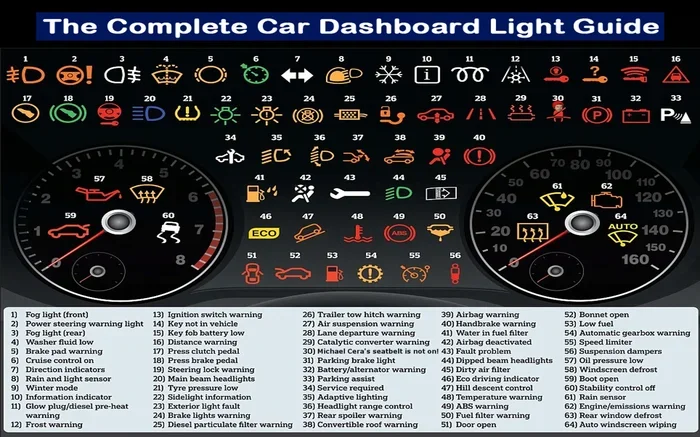
Every driver has seen it. That little yellow light on the dashboard shaped like an engine. It comes on, stays on, and suddenly you’re wondering what happens if you don’t clear codes on a car. The answer matters more than most people think.
When your car’s onboard computer detects a problem, it stores a diagnostic trouble code, commonly called a DTC. These codes help mechanics and DIYers figure out what’s wrong. But here’s the thing — just because the light is on doesn’t mean you should ignore it. And just because you’ve fixed the problem doesn’t mean you should leave the codes sitting there either.
Leaving error codes unresolved can cause a chain reaction of issues. Your fuel economy drops. Your emissions go up. And in some cases, your car might enter a protective mode that limits performance. This guide breaks down exactly what happens when you don’t clear codes on a car, and why taking a few minutes to reset them can save you a lot of headaches.
We’ll walk you through the reasons codes stick around, the problems they cause, and the best way to clear them. Whether you’re a seasoned car owner or someone who just wants to understand that annoying dashboard light, this article has you covered.
Key Takeaways
- Stored codes persist: Error codes stay in your car’s computer memory until you clear them, which can confuse future diagnostics.
- Check engine light stays on: Leaving codes unresolved keeps the warning light active and may cause it to blink.
- Fuel economy suffers: Unresolved fault codes often relate to sensor or fuel system issues that reduce mileage.
- Emissions testing fails: Many states require cleared codes for a passing smog check.
- Cascading damage is possible: Ignoring codes can lead to more expensive repairs down the road.
- Clearing codes is simple: An OBD2 scanner or battery disconnect can reset the system in minutes.
- Pending vs. permanent codes matter: Some codes clear on their own, while others need manual intervention.
📑 Table of Contents
- What Are Error Codes and Why Do They Appear?
- What Happens If You Don’t Clear Codes on a Car
- Common Problems When You Leave Codes Unresolved
- How to Properly Clear Codes the Right Way
- When You Should Clear Codes vs. When You Shouldn’t
- Long-Term Effects of Ignoring Diagnostic Codes
- Final Thoughts on Clearing Error Codes
What Are Error Codes and Why Do They Appear?
Before we dive into what happens when you don’t clear codes on a car, let’s talk about what these codes actually are. Your vehicle has a built-in computer system called the powertrain control module, or PCM. This computer monitors dozens of sensors throughout the engine, transmission, and exhaust system.
When a sensor reading falls outside the normal range, the PCM logs a fault code. This code is essentially an error message that tells you (or your mechanic) which system is having a problem.
How Diagnostic Trouble Codes Work
Think of fault codes like error messages on your phone. When an app crashes, your phone shows a notification. Your car does the same thing, but instead of a pop-up message, it triggers the check engine light and stores a code. These codes follow a standardized format called OBD2, which stands for On-Board Diagnostics II.
Here’s how the system works step by step:
- A sensor detects an abnormal reading in the engine or emission system.
- The PCM logs a diagnostic trouble code in its memory.
- The check engine light turns on to alert the driver.
- The code remains stored until it is cleared or the problem is fixed.
There are different types of codes too. Pending codes are early warnings — the computer has seen a problem once but isn’t sure it’s a real issue yet. Confirmed codes mean the problem has been detected multiple times. And permanent codes are the most serious and won’t clear on their own.
Common Reasons Error Codes Appear
Error codes can show up for all kinds of reasons. Some are minor. Others are serious. Here are the most common triggers:
- Loose or damaged gas cap: This is the number one reason the check engine light comes on. A faulty seal lets fuel vapors escape.
- Failing oxygen sensor: This sensor measures unburned oxygen in the exhaust. When it goes bad, fuel efficiency drops.
- Catalytic converter issues: A failing converter means your car isn’t cleaning exhaust gases properly.
- Misfire codes: These indicate that one or more cylinders aren’t firing correctly.
- Mass airflow sensor problems: This sensor measures the air entering the engine. Dirty or faulty sensors cause rich or lean fuel mixtures.
- EVAP system leaks: The evaporative emission control system prevents fuel vapors from escaping into the atmosphere.
No matter the cause, the result is the same — a code gets stored. And if you don’t clear codes on a car after fixing the issue, that code can linger and cause confusion later.
What Happens If You Don’t Clear Codes on a Car
Now let’s get to the heart of the matter. What actually happens when you leave those codes sitting in your car’s computer? The effects are more significant than most drivers realize.
The Check Engine Light Stays On
This is the most obvious consequence. As long as a fault code exists in the system, the check engine light will remain illuminated. Some drivers get used to the light and start ignoring it. That’s a mistake. A constantly lit check engine light can mask a new, more serious problem.
Imagine you fix a loose gas cap and clear the code. But a few weeks later, your oxygen sensor starts failing. If the old code is still in memory, the light was already on, so you might not notice the new issue. Clearing codes gives you a clean baseline to monitor your car’s health going forward.
Poor Fuel Economy
Many fault codes relate directly to the fuel and air mixture in your engine. When a code is active, it often means the engine is running inefficiently. Common examples include:
- Rich fuel mixture: Too much fuel is being injected into the combustion chamber.
- Lean fuel mixture: Not enough fuel is reaching the cylinders.
- Incorrect fuel trim values: The PCM is struggling to balance the air-fuel ratio.
All of these issues mean your car is burning more fuel than it should. Over time, this adds up at the pump. Drivers who don’t clear codes on a car after repairs often don’t realize their fuel economy has suffered until they notice it at the gas station.
Failed Emissions Tests
If you live in a state that requires emissions testing, leaving codes unresolved is a guaranteed way to fail. Most inspection stations plug in an OBD2 scanner and check for stored codes. Even if your car is running fine, old codes in the memory can cause an automatic fail.
Some states also look at readiness monitors. These are tests the car’s computer runs to check various emission systems. If readiness monitors haven’t completed — often because codes were recently set — your vehicle won’t pass inspection.
Limp Mode and Reduced Performance
In more serious cases, leaving codes unresolved can cause your car to enter what’s commonly called limp mode. This is a protective feature built into the PCM. When the computer detects a significant problem, it limits engine power and speed to prevent further damage.
Symptoms of limp mode include:
- Limited top speed (usually around 30-40 mph)
- Rough idling or stalling
- Delayed or harsh gear shifts
- Reduced engine power under acceleration
Some limp mode conditions will clear when you clear the codes. But if the underlying problem isn’t fixed, the codes will return and limp mode will come back too.
Confusing Future Diagnostics
This is one of the most overlooked consequences of not clearing codes. When you take your car to a mechanic, they plug in a scanner and pull up all stored codes. If old, resolved codes are still in the memory, it makes their job much harder.
Imagine going to the doctor with a list of every illness you’ve ever had, even the ones you’ve already recovered from. That’s what it’s like for a mechanic when your car has a bunch of old codes sitting there. Clearing codes after repairs helps ensure accurate future diagnostics and saves you money on unnecessary part replacements.
Potential for Cascading Damage
Here’s where things get really serious. Some fault codes indicate problems that, if left unaddressed, can cause damage to other components. For example:
- Misfire codes: Unburned fuel from misfiring cylinders can damage the catalytic converter over time.
- Coolant temperature sensor codes: A faulty reading can cause the engine to run too rich or too lean, leading to overheating.
- Oil pressure codes: Ignoring these can result in catastrophic engine failure.
When you don’t clear codes on a car, you’re essentially ignoring the warning system your manufacturer built in. These codes exist for a reason — to tell you something needs attention before it becomes a major repair.
Common Problems When You Leave Codes Unresolved
Let’s look at some specific scenarios where leaving codes in the system causes real-world problems. These examples come from common situations mechanics see every day.
The Gas Cap That Won’t Stay Tight
You tighten your gas cap, but the check engine light stays on. The EVAP system code is still stored. You drive around for weeks like this. The light doesn’t seem to be causing any immediate issues, so you ignore it. But here’s what’s happening behind the scenes:
- The PCM is continuously running EVAP system tests.
- It’s logging data every time the test fails.
- This data takes up memory and can interfere with new code storage.
- Your readiness monitors may never complete, blocking emissions testing.
A simple code reset after fixing the gas cap would have resolved everything in minutes.
The Oxygen Sensor That Was Replaced
You replace a faulty oxygen sensor. You’ve spent $150 on the part and another $100 on labor. But you don’t clear the codes. The old sensor code is still in the computer’s memory. Now what happens?
- The check engine light stays on even though the new sensor is working perfectly.
- Any new codes that appear get mixed in with the old one.
- You can’t tell if the new sensor is working until you clear the old code.
- The next time you go for inspection, the old code shows up and you fail.
Clearing codes after a repair is one of the simplest things you can do, and it costs nothing.
The Catalytic Converter That Was Saved
You had a misfire code for weeks. You kept driving because you were busy. Eventually, the unburned fuel from the misfire damaged the catalytic converter. Replacing a catalytic converter can cost $1,000 to $2,500. All because a misfire code was left unresolved for too long.
This is exactly the kind of cascading damage that proper code management prevents. When you don’t clear codes on a car after addressing the root cause, you lose track of whether the problem has actually been fixed.
How to Properly Clear Codes the Right Way
Clearing codes isn’t complicated, but doing it the wrong way can cause problems. Here’s how to do it correctly every time.
Using an OBD2 Scanner
The best and most reliable method is to use an OBD2 code reader or scanner. These tools plug directly into your car’s diagnostic port, which is usually located under the dashboard on the driver’s side.
Here’s the process:
- Locate your OBD2 port and plug in the scanner.
- Turn the ignition to the “on” position (do not start the engine).
- Wait for the scanner to connect to the PCM.
- Read and note down all stored codes.
- Research each code to understand what it means.
- Fix the underlying problem.
- Use the scanner’s “clear codes” or “erase” function.
- Drive the car for a few minutes and verify the light stays off.
Using a scanner gives you the most control. You can see exactly which codes are stored, clear them selectively, and even monitor live sensor data to confirm the repair worked.
Disconnecting the Battery
Some people prefer to disconnect the battery to clear codes. This method works, but it comes with drawbacks:
- Loss of radio presets and clock settings: You’ll need to reset these after reconnecting.
- Adaptive learning reset: The PCM has learned your driving habits over time. Disconnecting the battery wipes this data, which can cause rough idling or poor shifting for a few drive cycles.
- Doesn’t clear permanent codes: Some modern vehicles store permanent codes that survive a battery disconnect.
If you use this method, disconnect the negative battery terminal for about 15 minutes. Then reconnect it and start the car. The check engine light should be off if the problem has been fixed.
Quick Tips for Clearing Codes
- Always fix the root cause first: Never clear codes without understanding what they mean. Clearing without fixing just delays the problem.
- Take notes: Write down the codes and freeze frame data before clearing them. This information is valuable if the problem returns.
- Use a quality scanner: Cheap code readers may only show generic codes. A good scanner reads manufacturer-specific codes too.
- Drive after clearing: Most cars need a few drive cycles to run all readiness monitors. This is important for passing emissions tests.
- Check for recalls: Some manufacturers have recalls that address specific fault codes. A quick online search can save you money.
Common Mistakes People Make When Clearing Codes
Even experienced car owners make mistakes with code clearing. Here are the most common ones to avoid:
- Clearing codes before diagnosing: This erases valuable data that helps identify the root cause.
- Assuming the light being off means the problem is fixed: Sometimes codes return days or weeks later if the underlying issue wasn’t fully resolved.
- Using the wrong scanner: Some older or European vehicles require specialized diagnostic tools that basic OBD2 scanners can’t handle.
- Ignoring pending codes: Pending codes are early warnings. Addressing them now can prevent confirmed codes and expensive repairs later.
- Not clearing codes after a repair: This is the most common mistake and the main focus of this article.
When You Should Clear Codes vs. When You Shouldn’t
Not every situation calls for clearing codes. Understanding when to clear and when to wait can make a big difference in your car’s health.
Clear Codes When:
- You’ve fixed the problem and want to verify the repair worked.
- You’re preparing for an emissions inspection.
- You’ve replaced a part and want to reset the system.
- You’ve done routine maintenance like replacing a sensor or filter.
- The check engine light is on for a known, resolved issue.
Don’t Clear Codes When:
- The car is showing serious symptoms like stalling or power loss.
- You haven’t diagnosed the code yet and want to see what it is.
- The light is flashing — this indicates a severe problem that needs immediate attention.
- You’re trying to pass an inspection and the codes are still active (fix first, then clear).
The general rule is simple: fix first, then clear. Clearing codes should always be the final step after a repair, not the first step when a light comes on.
Long-Term Effects of Ignoring Diagnostic Codes
Let’s talk about the big picture. What happens over weeks, months, or even years of ignoring error codes? The effects compound over time and can seriously impact your vehicle.
First, your car’s computer is constantly running tests. When it finds a problem, it tries to compensate. For example, if an oxygen sensor is giving bad readings, the PCM adjusts the fuel mixture based on other sensor inputs. This compensation works in the short term, but it puts extra stress on other components.
Over time, this stress adds up. A $50 oxygen sensor that you ignored can lead to a $2,000 catalytic converter replacement. A simple EVAP leak can cause fuel system corrosion if left unaddressed for months.
There’s also the safety factor to consider. Some fault codes relate to systems that affect vehicle safety, like anti-lock braking or airbag systems. Ignoring these codes isn’t just about performance — it’s about protecting you and your passengers.
The bottom line is clear: addressing codes promptly and clearing them after repairs keeps your car reliable, efficient, and safe. It’s one of the simplest things you can do as a car owner, and it pays off in the long run.
Final Thoughts on Clearing Error Codes
So, what happens if you don’t clear codes on a car? The short answer is: a lot of things can go wrong. From poor fuel economy to failed inspections to cascading mechanical damage, the consequences of ignoring fault codes add up fast.
The good news is that clearing codes is easy and free. A basic OBD2 scanner costs under $30, and most auto parts stores will read and clear codes for you at no charge. Taking a few minutes to reset your system after a repair can save you from bigger problems down the road.
Remember, your car’s check engine light is a warning system. It’s there to tell you something needs attention. When you listen to that warning, fix the problem, and clear the code, you’re being a proactive car owner. That’s how you keep your vehicle running strong for years to come.
Don’t let old codes linger in your car’s computer. Clear them, stay on top of your car’s health, and drive with confidence knowing you’ve done everything you can to keep things running smoothly.
Frequently Asked Questions
Will clearing codes on a car fix the problem?
No, clearing codes does not fix the underlying problem. It simply erases the stored error from the computer’s memory. You must diagnose and repair the actual issue first. Clearing codes without fixing the problem will just cause the check engine light to come back on.
How long can you drive with the check engine light on?
You can usually drive a short distance with the check engine light on, but you should get the codes read as soon as possible. If the light is flashing, stop driving immediately and get the car towed. A flashing light indicates a severe misfire that can damage the catalytic converter quickly.
Can old error codes damage my car?
Old codes themselves don’t cause damage, but the problems they represent can if left unfixed. For example, a misfire code that’s been sitting in memory means the engine was misfiring at some point. If that misfire wasn’t addressed, it may have already caused damage to other components like the catalytic converter.
Do I need a special scanner to clear codes?
For most vehicles made after 1996, a standard OBD2 scanner works fine. However, some newer or luxury vehicles may require a more advanced diagnostic tool. Basic code readers cost between $20 and $50, while professional-grade scanners can cost several hundred dollars. Many auto parts stores offer free code reading and clearing services.
Will clearing codes affect my car’s performance?
Clearing codes itself does not change performance. However, if the underlying issue that triggered the codes has been fixed, you may notice an improvement in fuel economy, smooth idling, or overall drivability. If you clear codes without fixing the problem, performance issues will continue and the codes will return.
How long does it take for readiness monitors to reset after clearing codes?
It typically takes two to three drive cycles for all readiness monitors to complete. A drive cycle usually involves a mix of city and highway driving over 20 to 30 minutes. If you’re preparing for an emissions test, plan ahead and complete several drive cycles after clearing codes to ensure all monitors are ready.