What Happens When a Car Overheats Dont Ignore These Signs
When a car overheats, serious damage can occur fast, from warped engine heads to complete engine failure. Understanding the warning signs like steam from the hood, a rising temperature gauge, and unusual smells can save you thousands in repair bills. This guide covers exactly what happens when a car overheats, the causes, warning signs, and how to respond in the moment.
You are driving down the road, and suddenly you notice a wisp of steam curling up from under the hood. Your heart drops. You glance at the dashboard, and the temperature gauge is climbing into the red zone. What happens when a car overheats? This is a question every driver should know the answer to, because the stakes are high.
Car overheating is not just a minor annoyance. It is a serious warning sign that something is wrong with your engine’s cooling system. Ignoring it even for a few minutes can lead to expensive repairs or a completely dead engine. Whether you are on a highway or stuck in traffic, knowing what to do can make all the difference.
In this article, we will walk through everything that happens when your engine overheats. We will cover the causes, the warning signs, the damage it can do, and exactly what steps you should take right away. By the end, you will feel confident recognizing the signs and responding like a pro.
Key Takeaways
- Engine damage starts quickly: Even a few minutes of overheating can cause warping, cracking, and permanent harm to critical engine parts.
- Common causes are easy to spot: Low coolant, broken thermostats, water pump failures, and radiator issues are the top culprits behind car overheating.
- Warning signs are your best friend: Steam, strange smells, temperature gauge spikes, and reduced power all signal trouble.
- Immediate action matters: Pulling over safely and turning off the engine can prevent catastrophic damage.
- Prevention is simple and cheap: Regular coolant checks, hose inspections, and timely repairs keep your cooling system healthy.
- Repair costs vary widely: A minor fix might cost under $100, while a full engine replacement can exceed $5,000.
📑 Table of Contents
- What Happens When a Car Overheats: The Damage Timeline
- Common Causes of Car Overheating
- Warning Signs Your Car Is Overheating
- What to Do When Your Car Overheats
- Overheating Engine Repair Costs
- How to Prevent Car Overheating
- Can Overheating Damage Other Car Parts?
- When to Seek Professional Help
- Key Takeaways
- Frequently Asked Questions
- Conclusion
What Happens When a Car Overheats: The Damage Timeline
When your car overheats, the damage does not happen all at once. It builds up in stages. Understanding this timeline helps you act before it is too late. Here is what typically happens inside your engine when temperatures climb beyond safe limits.
First, the Coolant System Fails to Keep Up
Your engine runs hot. Normal operating temperatures sit around 195 to 220 degrees Fahrenheit. The cooling system is designed to keep things in check. It uses coolant, a radiator, a water pump, and a thermostat to manage heat. When any part of this system breaks down, the engine starts to run hotter than it should.
At first, you might not notice much. The temperature gauge creeps up slowly. But inside the engine, things are already changing. The metal parts expand from the heat. Gaskets start to weaken. Coolant may begin to boil, creating pressure inside the system.
Next, Seals and Gaskets Start to Fail
As temperatures rise, the rubber seals and gaskets inside the engine cannot handle the heat. The head gasket is one of the most vulnerable parts. It sits between the engine block and the cylinder head, keeping coolant and oil where they belong.
When a head gasket fails, coolant can leak into the combustion chambers. Oil can leak into the cooling system. You might notice white smoke coming from the exhaust, a milky residue under the oil cap, or a sweet smell inside the car. These are all signs of a blown head gasket caused by overheating.
Then, Metal Parts Begin to Warp and Crack
Engine components are made of metal, and metal expands under heat. When temperatures get too high, parts like the cylinder head and engine block can warp. A warped cylinder head means the seal between the head and the block is no longer tight.
In severe cases, the engine block itself can crack. Cracks allow coolant and oil to mix, which destroys lubrication. Without proper lubrication, internal engine parts grind against each other. This leads to scoring, scoring of cylinder walls, and eventually, engine seizure.
Finally, the Engine Seizes or Catches Fire
At the worst end of the spectrum, an overheated engine can seize completely. The pistons weld themselves to the cylinder walls due to extreme heat and lack of lubrication. At that point, the engine is done. You are looking at a full engine replacement or buying a new car.
In rare cases, overheating can also cause electrical fires. Wiring harnesses and plastic components near the engine bay can melt and ignite. This is why pulling over safely when you notice signs of overheating is absolutely critical.
Common Causes of Car Overheating
Knowing what causes a car to overheat helps you prevent it from happening in the first place. Several issues can trigger overheating, and many of them are easy to spot with regular maintenance.
Low Coolant Levels
The most common reason cars overheat is low coolant. Coolant, also called antifreeze, absorbs heat from the engine and carries it to the radiator. When coolant levels drop, there is not enough fluid to move heat away. Leaks in hoses, the radiator, the water pump, or the heater core are usually to blame.
Thermostat Failure
The thermostat controls the flow of coolant through the engine. It opens and closes based on temperature. When a thermostat gets stuck in the closed position, coolant cannot circulate. The engine heats up fast, and you have a serious problem on your hands.
Water Pump Breakdown
The water pump is the heart of the cooling system. It pushes coolant through the engine block and hoses. If the water pump fails, coolant stops moving. Heat builds up quickly, and the engine temperature spikes.
Radiator Problems
The radiator releases heat from the coolant into the air. If the radiator is clogged, damaged, or the radiator fan is not working, heat cannot escape. This causes coolant temperatures to rise and the engine to overheat.
Broken Belts and Hoses
Serpentine belts drive the water pump and the radiator fan. If a belt snaps or a hose bursts, the cooling system loses function. Regular inspections of belts and hoses can catch wear before it leads to a breakdown.
Blocked or Clogged Cooling Passages
Over time, rust, sediment, and old coolant can build up inside the engine’s cooling passages. This restricts flow and reduces the system’s ability to remove heat. Flushing the cooling system on schedule prevents this buildup.
Warning Signs Your Car Is Overheating
Your car gives you plenty of warning before it reaches a critical point. The key is knowing what to look for and acting fast.
The Temperature Gauge Spikes Into the Red
This is the most obvious sign. Your dashboard has a temperature gauge that shows your engine’s current heat level. When the needle moves into the red zone or the check engine light comes on, take it seriously. Do not ignore it.
Steam or Smoke Coming From Under the Hood
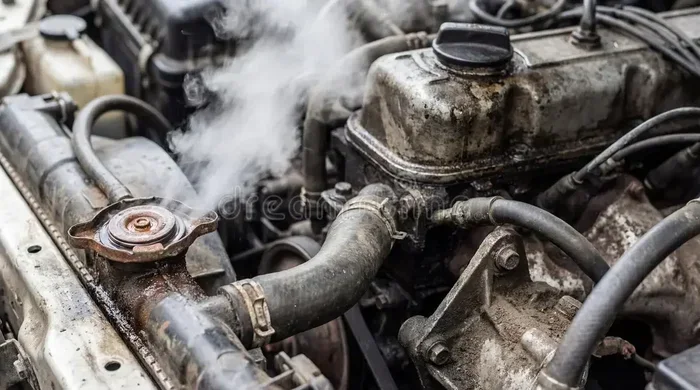
If you see steam or smoke billowing from the engine bay, the coolant is boiling. This is a clear sign of overheating. Pull over safely and turn off the engine immediately. Do not open the hood right away, as hot coolant can cause burns.
Unusual Smells From the Engine
A sweet, syrupy smell often means coolant is leaking and hitting hot engine parts. A burning or metallic smell can indicate oil breaking down or metal parts grinding. Either way, stop and investigate.
Loss of Power or Strange Engine Sounds
An overheating engine may run rough, lose power, or make knocking or pinging sounds. These noises happen because the fuel-air mixture ignites improperly due to excessive heat. It is called detonation, and it is damaging to pistons and connecting rods.
Coolant Leaks on the Ground
If you see a puddle of green, orange, or pink fluid under your car after parking, you have a coolant leak. Even a small leak can lead to overheating if you do not address it quickly.
The Heater Stops Working or Gets Very Hot
Your car’s heater uses coolant to generate warmth. If the heater suddenly blows cold air, coolant may not be flowing properly. If it blows extremely hot air, the engine may be overheating and sending excess heat through the heater core.
What to Do When Your Car Overheats
Finding yourself with an overheating engine can be scary, but staying calm and following the right steps can prevent major damage.
Step 1: Turn Off the Air Conditioning
Your air conditioning puts extra load on the engine. Turning it off reduces the heat your engine has to deal with right away. This simple step can buy you a few minutes to find a safe place to stop.
Step 2: Turn On the Heater
This might sound counterintuitive, but turning the heater to full blast pulls heat away from the engine and into the cabin. It is an emergency tool that can help lower engine temperature quickly.
Step 3: Pull Over Safely
Find a safe spot to stop. Turn on your hazard lights and park in a shaded area if possible. Do not keep driving if the temperature gauge is in the red. Continuing to drive can turn a minor repair into a complete engine failure.
Step 4: Turn Off the Engine
Once you are safely parked, turn off the engine. Let it cool down for at least 15 to 20 minutes before opening the hood. The cooling system is under pressure, and opening it too soon can cause hot coolant to spray out and cause burns.
Step 5: Check the Coolant Level
After the engine has cooled, carefully open the radiator cap. Check the coolant reservoir level. If it is low, you can add a mixture of coolant and water to bring it back up. Never add cold coolant to a hot engine, as the sudden temperature change can crack the engine block.
Step 6: Call for Help
If you cannot identify the problem or the overheating returns quickly, call a tow truck. Driving a severely overheating engine to a repair shop can cause more harm than good. It is better to be safe and get professional assistance.
Overheating Engine Repair Costs
The cost of fixing an overheating engine varies widely depending on the damage. Catching the problem early can save you a lot of money.
| Issue | Estimated Repair Cost |
|---|---|
| Low Coolant / Minor Leak | $50 – $200 |
| Thermostat Replacement | $150 – $300 |
| Water Pump Replacement | $300 – $750 |
| Radiator Fan Motor Replacement | $200 – $500 |
| Head Gasket Replacement | $1,000 – $2,500 |
| Warped Cylinder Head Resurfacing | $500 – $1,000 |
| Cracked Engine Block | $2,000 – $5,000+ |
| Full Engine Replacement | $4,000 – $8,000+ |
As you can see, the cost jumps dramatically the longer you wait. A simple coolant top-off costs almost nothing. A full engine replacement costs more than most people expect. The takeaway is clear: do not ignore overheating signs.
How to Prevent Car Overheating
Prevention is always better than repair. A few simple habits can keep your cooling system working properly and help you avoid overheating altogether.
Check Coolant Levels Regularly
Make it a habit to check your coolant reservoir once a month. You do not need to be a mechanic to do this. Just make sure the engine is cool, open the cap, and check the level against the minimum and maximum marks. Top it off with the correct type of coolant for your vehicle.
Inspect Hoses and Belts
Look under your hood for cracked, swollen, or brittle hoses. Squeeze them gently to check for soft spots or leaks. Check serpentine belts for fraying or glazing. Replacing worn parts before they fail is cheap insurance against overheating.
Flush the Cooling System on Schedule
Over time, old coolant loses its effectiveness. Most manufacturers recommend flushing the cooling system every 30,000 to 50,000 miles. Check your owner’s manual for the specific interval for your vehicle. Fresh coolant keeps the system running efficiently.
Watch the Temperature Gauge
Keep an eye on your temperature gauge while driving. It should sit in the normal range, usually in the middle of the gauge. If you notice it creeping up, take action early. Pull over, turn off the AC, and turn on the heat.
Keep the Radiator Clean
Debris like leaves, bugs, and dirt can block airflow through the radiator. This reduces its ability to cool the engine. Periodically hose down the front of the radiator to keep it clear, especially after driving through dusty or muddy conditions.
Address Leaks Immediately
If you spot any fluid under your car, do not wait to investigate. Even a small coolant leak can lead to overheating if the level drops too low. A quick inspection and repair can save you from a much bigger problem down the road.
Can Overheating Damage Other Car Parts?
Yes. Overheating does not just hurt the engine. It can damage several other components in your vehicle.
The transmission relies on fluid for cooling and smooth operation. Excessive engine heat can cause transmission fluid to break down, leading to rough shifting and premature wear. The battery can also suffer, as extreme heat accelerates corrosion and reduces battery life.
Your tires are another victim. High underhood temperatures radiate into the wheel wells, increasing tire wear and the risk of blowouts. Belts and hoses throughout the engine bay can degrade faster when exposed to constant high heat.
Even your catalytic converter can be affected. Overheating can cause the converter to melt or clog, which leads to poor fuel economy, reduced engine performance, and costly replacement.
In short, overheating affects more than just the engine. It is a system-wide problem that compounds over time if left unaddressed.
When to Seek Professional Help
Some overheating situations are beyond a DIY fix. You should call a professional mechanic if you experience any of the following:
- The temperature gauge stays in the red even after you pull over and shut off the engine.
- You see steam or coolant leaking from under the hood.
- The engine makes loud knocking or pinging sounds.
- You notice white smoke from the exhaust that does not go away.
- The car stalls or will not restart after cooling down.
- You have added coolant, but the level drops again within a short time.
A qualified mechanic can run diagnostics, pressure-test the cooling system, and identify the root cause of the overheating. Trying to drive through an overheating problem to save a few dollars can lead to repairs that cost ten times more.
Key Takeaways
- Engine damage starts fast: Even a few minutes of overheating can warp cylinder heads, blow gaskets, and cause lasting harm to internal components.
- Common causes include low coolant, broken thermostats, water pump failure, and radiator issues. Regular maintenance catches these problems early.
- Warning signs include a rising temperature gauge, steam from the hood, unusual smells, and loss of power. Do not ignore any of these signals.
- Immediate action saves engines. Turn off the AC, turn on the heat, pull over, and shut off the engine as soon as it is safe.
- Repair costs range from $50 for a simple coolant top-off to $8,000 or more for a full engine replacement. Early intervention is always cheaper.
- Prevention is straightforward. Regular coolant checks, hose inspections, and scheduled cooling system flushes keep your engine running cool and healthy.
Frequently Asked Questions
Can I keep driving if my car overheats briefly?
No. Even brief overheating can cause damage to seals, gaskets, and internal engine components. Pull over safely, turn off the engine, and let it cool down before investigating further. Continuing to drive risks turning a small problem into a major repair.
How long can I drive with an overheating engine?
You should not drive at all if your engine is overheating. Most engines can sustain serious damage within 10 to 15 minutes of running in the red zone. The safest move is to pull over immediately and call for roadside assistance.
Is it safe to add coolant while the engine is hot?
No. Adding coolant to a hot engine is dangerous because the cooling system is under pressure. Hot coolant can spray out and cause severe burns. Always wait at least 15 to 20 minutes for the engine to cool before opening the radiator cap or coolant reservoir.
What is the most common cause of car overheating?
The most common cause is low coolant, usually due to a leak in the hoses, radiator, water pump, or heater core. Other frequent causes include a stuck thermostat, a failing water pump, a broken radiator fan, or clogged cooling passages.
Can overheating cause a car to stall?
Yes. When an engine overheats, the fuel-air mixture can ignite improperly, causing the engine to run rough and eventually stall. In severe cases, the engine may seize completely and refuse to restart.
How much does it cost to fix an overheating car?
Costs vary widely depending on the cause and extent of the damage. A simple coolant refill might cost under $50, while a head gasket repair can run $1,000 to $2,500. A full engine replacement can exceed $5,000. The key takeaway is that early detection and quick action save you money.
Conclusion
What happens when a car overheats is serious business. From warped cylinder heads to a completely seized engine, the damage can escalate fast if you do not pay attention to the warning signs. The good news is that most overheating problems are preventable with regular maintenance and a watchful eye on your temperature gauge.
Now you know the causes, the warning signs, the damage timeline, and exactly what to do when your car starts overheating. You also know that acting quickly can mean the difference between a small repair and a total engine replacement. Do not let pride or a busy schedule keep you from addressing overheating symptoms. Your engine will thank you.
Take the time to check your coolant levels, inspect your hoses and belts, and keep your cooling system in top shape. Your car will run cooler, last longer, and save you from the stress and expense of unexpected breakdowns. Stay alert, stay safe, and never ignore the signs of an overheating engine.