What Is the Most Common Cause of P0171 Engine Code
The P0171 engine code means your car is running too lean on bank 1. The most common cause is a vacuum leak that lets extra air into the engine. Other frequent culprits include a dirty mass airflow sensor, a weak fuel injector, or a failing oxygen sensor. Fixing the root cause quickly can save you from bigger engine problems down the road.
You turn the key, and your dashboard lights up like a Christmas tree. One of those annoying warning lights says “Check Engine,” and your OBD-II scanner spits out a code you’ve never seen before: P0171. If you’ve landed on this page, chances are you’re staring at that code right now, wondering what it means and how much it’s going to cost to fix.
Here’s the good news. The P0171 engine code is one of the most common trouble codes out there, and in most cases, it has a clear and fixable cause. You don’t need to be a master mechanic to understand what’s going on. By the end of this guide, you’ll know exactly what triggered that code, why it matters, and what steps you can take to get your car running smoothly again.
Let’s break it all down in plain language. No jargon. No confusing tech talk. Just straight-up answers you can use today.
Key Takeaways
- Vacuum leaks are the #1 cause: A tiny crack or loose hose can trigger the P0171 code by letting unmetered air into the engine.
- Dirty sensors play a big role: A fouled mass airflow sensor or oxygen sensor can send wrong readings to your engine computer.
- Fuel delivery issues matter too: A weak fuel pump or clogged injector can starve the engine of fuel and set off the code.
- DIY diagnosis is possible: You can use a simple OBD-II scanner and a spray bottle of water to hunt for leaks at home.
- Ignoring the code is risky: Running lean can damage your catalytic converter and hurt fuel economy over time.
- Professional help helps when stuck: A mechanic with smoke test tools can find hidden leaks fast.
- Prevention is simple: Regular maintenance, clean air filters, and timely fuel system cleaning keep P0171 away.
📑 Table of Contents
- What Does the P0171 Engine Code Mean?
- The Most Common Cause of P0171: Vacuum Leaks
- Other Common Causes of the P0171 Code
- How Mechanics Diagnose a P0171 Code
- Comparison: Common P0171 Causes and Their Costs
- Step-by-Step Fixes for the P0171 Code
- Preventing the P0171 Code From Coming Back
- Key Takeaways
- Conclusion
What Does the P0171 Engine Code Mean?
Before we dive into the most common cause, let’s quickly understand what P0171 actually means. The code stands for “System Too Lean (Bank 1).” In simple terms, your engine is burning a mixture that has too much air and not enough fuel. Every car has something called an air-fuel ratio, and your engine computer works hard to keep it balanced.
Bank 1 refers to the side of the engine that contains cylinder number one. When the engine control unit (ECU) detects that the mixture is too lean, it logs the P0171 code and lights up your check engine light. Think of it like your car raising its hand and saying, “Hey, something’s off with my fuel mixture.”
Running lean isn’t just an annoyance. Over time, it can cause rough idling, poor acceleration, higher emissions, and even engine damage. That’s why it’s smart to address the P0171 code as soon as you see it.
The Most Common Cause of P0171: Vacuum Leaks
If you’re looking for the single most common cause of the P0171 engine code, it’s a vacuum leak. A vacuum leak happens when unmetered air sneaks into the engine through a crack, loose connection, or damaged hose. Your engine computer counts the air coming in through the mass airflow sensor, but when extra air enters through a leak, it throws off the entire calculation.
Why Vacuum Leaks Cause a Lean Condition
Your engine works like a recipe. It needs the right mix of air and fuel to run properly. When a vacuum leak adds extra air that the computer doesn’t know about, the mixture becomes too lean. The fuel injectors spray the right amount of fuel, but there’s now more air than expected. The result? Your engine runs poorly, and the P0171 code gets triggered.
Common places where vacuum leaks happen include:
- Intake manifold gaskets that have dried out or cracked over time
- Hoses and connectors that have become brittle with age
- Brake booster hoses that develop small holes
- PCV valve connections that are loose or worn
- Throttle body gaskets that have deteriorated
How to Spot a Vacuum Leak
Finding a vacuum leak doesn’t always require a trip to the shop. Here’s a simple trick you can try at home. With the engine running, carefully spray a mist of water around the intake manifold, hoses, and connections using a spray bottle. If the idle changes or smooths out when you spray a certain area, you’ve likely found your leak.
Another method is a smoke test, which a mechanic performs by pumping white smoke into the intake system. The smoke escapes through any leak, making it easy to spot. This is one of the fastest and most reliable ways to diagnose a vacuum leak and clear up a P0171 code.
Quick Tip: Don’t ignore small leaks. Even a tiny crack in a hose can cause enough unmetered air to trigger the P0171 engine code. A small problem now can turn into a big repair bill later if you leave it alone.
Other Common Causes of the P0171 Code
While a vacuum leak is the top culprit, several other issues can also trigger the P0171 code. Let’s look at the next most common causes so you have a full picture.
Dirty or Faulty Mass Airflow Sensor
The mass airflow sensor, or MAF sensor, measures the amount of air entering your engine. When this sensor gets dirty or fails, it sends incorrect data to the engine control unit. If the MAF sensor under-reports the air volume, the computer won’t add enough fuel, and your engine runs lean. This is one of the sneaky reasons behind the P0171 engine code because it doesn’t always show obvious symptoms at first.
Common signs of a bad MAF sensor include:
- Rough idle or stalling
- Reduced fuel economy
- Hesitation during acceleration
- Black smoke from the exhaust
Failing Oxygen Sensor
The oxygen sensor, also called the O2 sensor, monitors the exhaust gases and tells the computer whether the mixture is too rich or too lean. When an O2 sensor goes bad, it can send wrong signals that cause the fuel mixture to be off. A failing front oxygen sensor on bank 1 is a well-known trigger for the P0171 code.
Weak Fuel Delivery System
Sometimes the problem isn’t too much air. Sometimes it’s simply not enough fuel. A weak fuel pump, a clogged fuel injector, or a faulty fuel pressure regulator can all starve the engine of fuel. When the injectors can’t deliver enough fuel, the air-fuel ratio tips toward lean, and the P0171 code appears.
Think of it like a garden hose with low water pressure. You can open the valve all the way, but if the pressure is weak, you won’t get the flow you need. The same principle applies to your fuel system.
Exhaust Leaks Before the Oxygen Sensor
An exhaust leak near the front of the engine can also cause the P0171 code. If exhaust gases escape before reaching the oxygen sensor, the sensor reads the remaining gases incorrectly. This false reading can trick the computer into thinking the mixture is lean when it’s actually fine.
How Mechanics Diagnose a P0171 Code
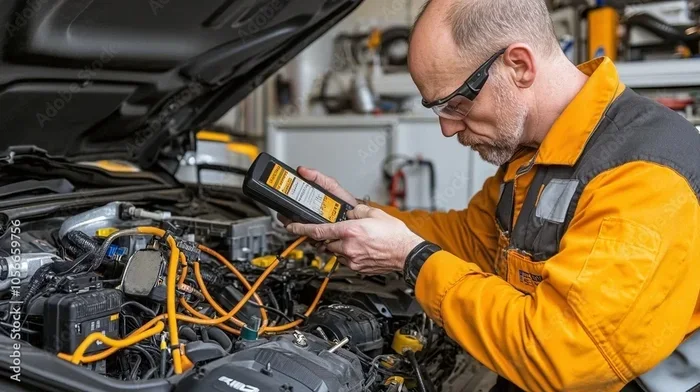
If you take your car to a mechanic for a P0171 code diagnosis, here’s what a good shop will do. Understanding this process helps you know if you’re getting fair treatment.
Step 1: Scan for Codes and Freeze Frame Data
The mechanic plugs in an OBD-II scanner and pulls the stored codes. They also look at freeze frame data, which captures engine conditions at the exact moment the code was set. This data includes RPM, temperature, fuel trim values, and more. It gives a snapshot of what the engine was doing when the problem occurred.
Step 2: Check for Vacuum Leaks
Since a vacuum leak is the most common cause, a thorough mechanic will inspect all vacuum hoses, the intake manifold, and gaskets. They may perform a smoke test or use a propane torch (carefully) to find leaks. This step often reveals the answer quickly.
Step 3: Inspect the Fuel System
Next, they’ll check fuel pressure using a gauge on the fuel rail. They’ll also inspect the fuel injectors for clogging and test the fuel pump for proper output. Low fuel pressure is a clear sign that the delivery system needs attention.
Step 4: Test the Sensors
The MAF sensor and oxygen sensor get tested with a multimeter or scan tool. The mechanic checks their readings against factory specifications. Dirty or faulty sensors are cleaned or replaced as needed.
Step 5: Road Test and Verify
After repairs, the mechanic clears the code and takes the car for a test drive. They watch live data on the scanner to confirm the fuel trim values have returned to normal. If the P0171 code doesn’t come back, the fix is complete.
Comparison: Common P0171 Causes and Their Costs
Not all causes of the P0171 engine code cost the same to fix. Here’s a quick comparison to give you an idea of what to expect.
| Cause | Typical Repair Cost | DIY Friendly? |
|---|---|---|
| Vacuum leak (hose or gasket) | $50 – $200 | Yes, with basic tools |
| Dirty MAF sensor | $0 – $150 (clean or replace) | Yes, cleaning is easy |
| Faulty oxygen sensor | $100 – $300 | Moderate difficulty |
| Clogged fuel injector | $150 – $400 | Harder without proper tools |
| Weak fuel pump | $300 – $600 | Not recommended for DIY |
| Exhaust leak | $100 – $350 | Depends on leak location |
These costs vary by vehicle model, location, and labor rates. Smaller cars with simpler engines tend to cost less to repair. Luxury or performance vehicles may run higher. Always get a written estimate before authorizing any work.
Step-by-Step Fixes for the P0171 Code
Ready to tackle the P0171 code yourself? Here’s a practical roadmap that walks you through the most effective fixes.
Fix 1: Inspect and Replace Vacuum Hoses
Start by visually inspecting all vacuum hoses under the hood. Look for cracks, dry rot, loose clamps, or disconnected lines. Replace any damaged hoses and tighten any loose connections. This single step resolves the P0171 code in a surprising number of cases.
Fix 2: Clean the MAF Sensor
Remove the mass airflow sensor and spray it with a dedicated MAF cleaner. Avoid touching the delicate wires inside. Let it dry completely before reinstalling. This costs almost nothing and takes about ten minutes.
Fix 3: Check Fuel Pressure
Attach a fuel pressure gauge to the fuel rail and compare the reading to your vehicle’s specifications. If pressure is low, inspect the fuel filter first, as a clogged filter is an easy and cheap fix. If the filter is fine, the fuel pump or fuel pressure regulator may need attention.
Fix 4: Replace the Oxygen Sensor
If the front O2 sensor on bank 1 is reading incorrectly, replacement is usually the best path. These sensors are relatively affordable and straightforward to swap out on most vehicles. Make sure to use an OEM-quality or reputable aftermarket sensor for reliable results.
Fix 5: Address Exhaust Leaks
If your mechanic finds an exhaust leak before the oxygen sensor, get it repaired promptly. Even a small leak can affect sensor readings enough to trigger the P0171 engine code. Exhaust repairs range from simple gasket replacements to more involved welding, depending on the location.
Common Mistakes to Avoid:
- Replacing parts without diagnosis: Don’t just swap sensors and hope for the best. A vacuum leak is far more common than a bad sensor, and throwing parts at the problem wastes money.
- Ignoring the code: Some drivers clear the code and hope it doesn’t return. Running lean for extended periods can damage your catalytic converter, which is an expensive repair.
- Using the wrong MAF cleaner: Never use regular spray cleaners on a mass airflow sensor. Use only products designed for MAF sensors to avoid damaging the delicate elements.
Preventing the P0171 Code From Coming Back
Once you’ve fixed the P0171 engine code, you’ll want to keep it from coming back. The good news is that prevention is simple and mostly comes down to regular maintenance.
- Change your air filter regularly: A clogged air filter restricts airflow and can affect your air-fuel ratio. Replace it according to your owner’s manual schedule.
- Use quality fuel: Cheap or contaminated fuel can clog fuel injectors and leave deposits on sensors. Stick with reputable gas stations.
- Perform fuel system cleaning: A periodic fuel injector cleaning keeps your injectors flowing properly and helps maintain the right fuel delivery.
- Inspect vacuum hoses during oil changes: A quick visual check during routine service can catch small cracks before they become a problem.
- Don’t ignore early warning signs: Rough idling, slight hesitation, or a drop in fuel economy can be early clues that something is off. Address these symptoms early.
Expert Insight: According to experienced technicians, the P0171 code is one of the top five most diagnosed trouble codes in the world. The vast majority of cases trace back to vacuum leaks or dirty sensors. The key is catching it early and not letting a lean condition persist, because prolonged lean running can cause engine knocking, increased nitrogen oxide emissions, and premature wear on internal components.
Key Takeaways
- Vacuum leaks are the #1 cause: A tiny crack or loose hose can trigger the P0171 code by letting unmetered air into the engine.
- Dirty sensors play a big role: A fouled mass airflow sensor or oxygen sensor can send wrong readings to your engine computer.
- Fuel delivery issues matter too: A weak fuel pump or clogged injector can starve the engine of fuel and set off the code.
- DIY diagnosis is possible: You can use a simple OBD-II scanner and a spray bottle of water to hunt for leaks at home.
- Ignoring the code is risky: Running lean can damage your catalytic converter and hurt fuel economy over time.
- Professional help helps when stuck: A mechanic with smoke test tools can find hidden leaks fast.
- Prevention is simple: Regular maintenance, clean air filters, and timely fuel system cleaning keep P0171 away.
Conclusion
The P0171 engine code might look intimidating at first, but the most common cause is usually something simple and fixable. A vacuum leak tops the list, followed by dirty sensors, fuel delivery problems, and exhaust leaks. The key is to diagnose the real root cause instead of just swapping parts and hoping for the best.
Whether you’re a DIYer or you prefer to hand the job over to a trusted mechanic, understanding what triggers the P0171 code puts you in a much better position. You’ll save money, avoid unnecessary repairs, and keep your car running the way it should. Don’t let that check engine light sit on your dashboard another day. Take action, find the cause, and get back on the road with confidence.
Your car is trying to tell you something. The P0171 engine code is its way of saying it needs attention. Listen to it, fix it right, and you’ll enjoy better performance, better fuel economy, and peace of mind for miles to come.
Frequently Asked Questions
Can I still drive my car with a P0171 code?
You can drive short distances, but it’s not recommended for long trips. Running a lean mixture can cause engine damage over time, especially to the catalytic converter. Get the code diagnosed and fixed as soon as possible to avoid costly repairs.
How much does it cost to fix a P0171 code?
The cost depends entirely on the cause. A simple vacuum leak repair might cost under $100, while replacing a fuel pump could run $400 or more. Always get a proper diagnosis before committing to any repair so you don’t overspend.
Will a P0171 code clear itself?
Sometimes the code clears if the condition was temporary, like a one-time lean spike. But if the underlying problem isn’t fixed, the P0171 code will almost always return. It’s best to address the root cause rather than just clearing the code and hoping for the best.
Can a bad gas cap cause a P0171 code?
Not directly. A loose or faulty gas cap usually triggers an EVAP system leak code, not a P0171. However, if the gas cap is severely damaged and allows significant vapor loss, it could indirectly affect fuel system pressure. It’s still worth checking your gas cap as a first step.
What’s the difference between P0171 and P0174 codes?
P0171 means “System Too Lean (Bank 1),” while P0174 means “System Too Lean (Bank 2).” Bank 1 contains cylinder number one, and Bank 2 is the opposite side of the engine. Both codes indicate a lean condition, but on different sides of the engine.
Can a clogged air filter cause a P0171 code?
Yes, it can. A severely clogged air filter restricts airflow, which can confuse the mass airflow sensor and disrupt the air-fuel ratio. In some cases, this leads to a lean condition and triggers the P0171 engine code. Replacing a dirty air filter is an easy and inexpensive fix.