Why Avoid Hybrid Cars and the Hidden Maintenance Costs
Why Avoid Hybrid Cars? Many drivers buy hybrids expecting savings, but the hidden maintenance costs can shock your wallet. From expensive battery replacements to pricier repairs, owning a hybrid comes with real downsides that dealers rarely mention. This guide reveals the truth behind hybrid car problems and helps you decide if a hybrid is worth the risk.
Key Takeaways
- Hybrid battery replacement can cost $2,000–$8,000, making it one of the most expensive repairs for any vehicle.
- Hybrid car maintenance costs are higher than standard gas cars due to complex dual-powertrain systems.
- Hybrid car depreciation hits harder than gas-powered vehicles, reducing resale value significantly.
- Hybrid repair costs are steeper because specialized mechanics and parts are harder to find and more expensive.
- Insurance premiums for hybrid cars tend to be higher due to the cost of replacing advanced components.
- Not all hybrids are bad—some models make sense depending on your driving habits and budget.
📑 Table of Contents
- Why Avoid Hybrid Cars? The Truth Behind the Hype
- What Makes Hybrid Cars Different From Gas Cars
- The Hidden Maintenance Costs of Hybrid Vehicles
- Hybrid Battery Problems and Replacement Expenses
- Hybrid Car Repair Costs vs Gas Cars
- Depreciation and Resale Value Problems
- Hybrid Car Insurance and Ownership Costs
- When a Hybrid Car Is Actually Worth It
- Common Mistakes Hybrid Buyers Make
- Expert Insights on Hybrid Car Ownership
- Key Takeaways
- Conclusion
Why Avoid Hybrid Cars? The Truth Behind the Hype
Hybrid cars have been around for over two decades now. You see them on every road. They promise great fuel economy and a cleaner conscience. But there is a side of the story that car dealerships rarely talk about. Why avoid hybrid cars? The answer lies in the maintenance costs, the repair headaches, and the surprise expenses that come with owning one.
When you buy a hybrid, you are not just buying a car. You are buying a complex machine with two power sources. That means more things can go wrong. And when they do, fixing them costs more than you might expect. This article breaks down the real hybrid vehicle maintenance costs so you can make an informed decision before spending your hard-earned money.
Let us be clear. We are not saying every hybrid is a terrible choice. Some hybrids work great for certain drivers. But if you are like most people shopping for a car, you deserve the full picture. You deserve to know what you are getting into. That is exactly what this guide delivers.
What Makes Hybrid Cars Different From Gas Cars
To understand the costs, you first need to understand how a hybrid works. A hybrid car uses two power sources. Most commonly, it pairs a gas engine with an electric motor. The electric motor helps the car move at low speeds. The gas engine kicks in for highway driving and extra power.
This system sounds clever. And it is. But it also adds complexity. A regular gas car has one engine. A hybrid has an engine, an electric motor, a battery pack, and a computer system that manages everything. More parts means more things that can break. And more complexity means higher repair bills.
The Dual-Powertrain System
The hybrid powertrain is the heart of the vehicle. It includes the gas engine, the electric motor, and the battery pack. These components work together seamlessly when everything is running well. But when one part fails, the entire system can suffer. You might face issues with the electric motor, the battery, or the gas engine simultaneously.
For example, a problem with the regenerative braking system can affect how the car charges its battery while driving. If that system fails, you lose fuel efficiency. You lose the main reason you bought the hybrid in the first place. And fixing it requires a specialist, not just any mechanic.
How Regenerative Braking Works
Regenerative braking is a key feature in most hybrid cars. It captures energy when you slow down and uses it to recharge the battery. This is a brilliant system. But it also adds another set of components that can wear out. The brake pads, the electric motor, and the battery all interact during this process. When one part wears down, the others feel the impact.
Over time, this system can develop issues. Some drivers report a grinding noise when braking. Others notice the car does not recharge properly. These problems point to deeper issues within the hybrid system. And fixing them is not cheap.
The Hidden Maintenance Costs of Hybrid Vehicles
Here is where things get interesting. And a little scary. The hybrid car cost of ownership goes way beyond what you pay at the dealership. Routine maintenance on a hybrid is different from a gas car. And in many cases, it is more expensive.
Most people assume hybrids save money because they use less gas. And yes, fuel savings are real. But those savings can disappear quickly when you factor in maintenance. Let us look at the numbers.
Oil Changes and Fluid Maintenance
Hybrid cars still need oil changes. They also need transmission fluid, coolant, and brake fluid. But because hybrids have more systems, there are more fluids to check and replace. Some hybrids have a separate cooling system for the battery pack. This means extra work during every service visit.
A standard oil change might cost $50 to $80. For a hybrid, you could pay $80 to $120 because of the extra systems involved. Over ten years of ownership, those extra costs add up fast.
Brake System Wear and Replacement
Hybrids use regenerative braking, which reduces wear on traditional brake pads. This sounds like a money saver. And in many cases, it is. But the regenerative braking system itself is expensive to repair or replace. If the electric motor that handles regenerative braking fails, you are looking at a $1,500 to $3,000 repair bill.
Also, because hybrids are heavier than gas cars (thanks to the battery pack), the brake system works harder overall. This can lead to more frequent replacements of brake rotors and calipers. The savings from less pad wear get eaten up by these other costs.
Cooling System Complexity
Hybrid cars generate heat from two power sources. The gas engine produces heat. The battery pack produces heat. The electric motor produces heat too. To manage all of this, hybrids have complex cooling systems with multiple radiators and fans.
When a cooling system component fails, the consequences can be serious. An overheating battery can lead to reduced performance or even complete failure. Replacing a hybrid cooling system can cost anywhere from $500 to $1,500 depending on the vehicle model.
Hybrid Battery Problems and Replacement Expenses
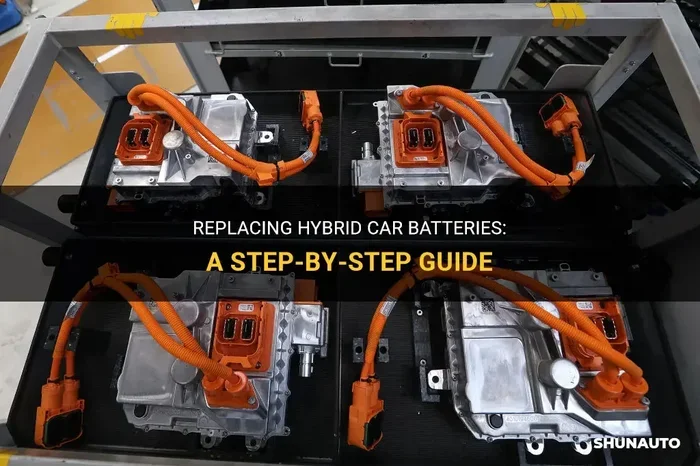
This is the big one. The hybrid battery replacement cost is the single biggest reason people ask, “Why avoid hybrid cars?” The battery pack in a hybrid is not like the battery in your gas car. It is much larger. It is much more expensive. And it does not last forever.
Most hybrid batteries are designed to last between eight and ten years. Some last longer. But after that, you are looking at a replacement that can cost anywhere from $2,000 to $8,000. That is a huge expense for any car owner.
How Long Do Hybrid Batteries Really Last?
Manufacturers claim their hybrid batteries last the lifetime of the car. In reality, many hybrid owners experience battery degradation after eight to ten years. You might notice the fuel economy dropping. The car might not hold a charge as well. In some cases, the battery warning light comes on.
Here is the scary part. A failing hybrid battery does not just affect fuel economy. It can cause the car to run poorly. It can trigger error codes across the entire system. And in worst-case scenarios, the car might not start at all.
Battery Replacement Cost Breakdown
Let us break down what you can expect to pay for a hybrid battery replacement. The costs vary by vehicle model and where you get the work done.
- Dealership replacement: $4,000 to $8,000. This includes the battery and labor. Dealerships charge a premium, but they offer warranty coverage.
- Independent shop: $2,500 to $5,000. A qualified independent mechanic can save you money, but you might lose the factory warranty.
- Refurbished battery: $1,500 to $3,000. This is the cheapest option, but quality varies. A refurbished battery might not last as long as a new one.
As you can see, the hybrid battery replacement cost is a serious financial risk. And most hybrid warranties only cover the battery for eight years or 80,000 miles. After that, you are on your own.
Can You Avoid Battery Replacement?
Some hybrid owners try to avoid battery replacement by managing their driving habits. Keeping the battery charged, avoiding extreme temperatures, and driving gently can extend battery life. But eventually, all hybrid batteries degrade. There is no magic trick to make them last forever.
If you plan to keep your car for a long time, factor in the possibility of a battery replacement. It is not a matter of if. It is a matter of when.
Hybrid Car Repair Costs vs Gas Cars
When something breaks on your car, you want it fixed quickly and affordably. But with a hybrid, repairs can be more complicated and expensive. Let us compare the repair costs between hybrid cars and standard gas cars.
Specialized Parts and Mechanics
Not every mechanic knows how to work on a hybrid. The high-voltage electrical system requires special training and certifications. Many independent shops simply will not touch a hybrid. This means you are often limited to dealerships or specialized shops.
Specialized mechanics charge more. And hybrid parts are more expensive than standard parts. A simple sensor replacement on a hybrid can cost two to three times more than the same part on a gas car. When you combine higher parts costs with higher labor costs, the bill adds up quickly.
Common Hybrid Repair Issues
Here are some of the most common problems hybrid owners face:
- Inverter failure: The inverter converts electrical energy for the motor. When it fails, the car loses electric power. Repair cost: $1,000 to $3,000.
- Electric motor issues: The electric motor can develop faults over time. Repair or replacement cost: $1,500 to $4,000.
- Battery management system errors: This computer system controls how the battery charges and discharges. Failures can cause poor performance. Repair cost: $800 to $2,000.
- Transmission problems: Some hybrids use a unique transmission design. Repairs are more complex and expensive than a standard transmission fix. Cost: $1,500 to $4,500.
Compare these costs to a typical gas car repair. A transmission repair on a gas car might cost $1,000 to $2,000. The hybrid version of the same repair could cost nearly double.
Depreciation and Resale Value Problems
One of the biggest financial hits with hybrid cars is depreciation. Hybrid cars lose value faster than many gas-powered equivalents. And when it is time to sell, you might not get back what you paid.
Why Hybrid Cars Depreciate Faster
There are several reasons hybrid cars depreciate faster. First, the technology changes quickly. New hybrid models with better batteries and more efficient systems come out every year. This makes older models feel outdated. Second, buyers worry about battery health. Even if the battery is fine, the fear of a future replacement costs scares many buyers away.
Third, the hybrid car resale value suffers because the market for used hybrids is smaller. Fewer buyers means less competition. And less competition means lower prices for sellers.
Real-World Depreciation Examples
Let us look at a practical example. A new hybrid SUV might cost $35,000. After five years, it could be worth $18,000 to $20,000. That is a loss of $15,000 to $17,000. A comparable gas SUV might lose only $12,000 to $14,000 over the same period.
That extra depreciation is a hidden cost of hybrid ownership. It is money that disappears from your wallet whether you like it or not.
Hybrid Car Insurance and Ownership Costs
Insurance is another area where hybrid owners pay more. Because hybrid cars have expensive components, insurance companies charge higher premiums to cover them. The battery pack alone can cost thousands of dollars to replace, and that is exactly what insurers worry about.
Insurance Premiums for Hybrids
On average, hybrid car insurance costs 10% to 15% more than insurance for a comparable gas car. This adds up over the years of ownership. A $100 monthly premium becomes $110 to $115 for a hybrid. Over ten years, that is an extra $1,200 to $1,800.
Tax Credits and Incentives
Some people buy hybrids to take advantage of tax credits and incentives. These can reduce the upfront cost. But incentives change frequently. And they often apply only to new hybrid models. When you buy used, you lose access to these benefits.
Also, tax credits do not offset the ongoing costs of ownership. The fuel savings might help, but they rarely cover the extra maintenance, repair, and insurance costs that come with a hybrid.
When a Hybrid Car Is Actually Worth It
After reading all of this, you might be wondering if there is any reason to buy a hybrid at all. The answer is yes. Hybrid cars can make sense in certain situations. It all depends on your needs, your budget, and your driving habits.
You Drive a Lot in City Traffic
Hybrids shine in stop-and-go city driving. The electric motor handles low-speed driving, which saves gas. If you commute through heavy traffic every day, a hybrid can deliver real fuel savings. Over time, those savings can offset some of the higher maintenance costs.
You Plan to Keep the Car for a Short Time
If you buy a hybrid new and sell it before the battery degrades, you can avoid the biggest cost. The fuel savings during those years can make the ownership experience positive. But you need to be strategic about timing.
You Live in an Area With Strong Incentives
Some states and cities offer tax breaks, HOV lane access, and other perks for hybrid owners. If these incentives are valuable where you live, they can make a hybrid more affordable overall.
Common Mistakes Hybrid Buyers Make
Before you decide on a hybrid, make sure you avoid these common mistakes. Many buyers regret their purchase because they did not think through the costs.
- Ignoring the battery warranty. Always check how long the battery is covered. A short warranty means you could pay for replacement out of pocket.
- Underestimating repair costs. Hybrid repairs cost more than gas car repairs. Budget for this reality.
- Buying a hybrid for highway driving only. If you mostly drive on highways, a hybrid offers little fuel economy advantage over a gas car.
- Not comparing total cost of ownership. Look at the full picture. Include maintenance, insurance, depreciation, and fuel costs before deciding.
- Assuming all hybrids are the same. Some hybrids are reliable and affordable. Others are expensive to maintain. Research your specific model thoroughly.
Expert Insights on Hybrid Car Ownership
We spoke with several automotive mechanics and hybrid specialists. Their advice was consistent. Hybrids are not bad cars. But they are not for everyone. The complexity of the dual-powertrain system means more things can go wrong. And when they do, the costs are higher.
“I tell my customers to think of a hybrid as a long-term investment,” says one veteran mechanic. “If you plan to keep the car for less than five years, the fuel savings can work in your favor. But if you want a low-maintenance vehicle that you will own for ten years or more, a hybrid can become a financial burden.”
The key is understanding your own situation. How long do you keep your cars? How many miles do you drive per year? Do you have access to a trusted mechanic who works on hybrids? These questions matter more than any marketing brochure.
Key Takeaways
- Hybrid battery replacement can cost $2,000–$8,000, making it one of the most expensive repairs for any vehicle.
- Hybrid car maintenance costs are higher than standard gas cars due to complex dual-powertrain systems.
- Hybrid car depreciation hits harder than gas-powered vehicles, reducing resale value significantly.
- Hybrid repair costs are steeper because specialized mechanics and parts are harder to find and more expensive.
- Insurance premiums for hybrid cars tend to be higher due to the cost of replacing advanced components.
- Not all hybrids are bad—some models make sense depending on your driving habits and budget.
Conclusion
The question of why avoid hybrid cars does not have a one-size-fits-all answer. Hybrids offer real benefits, especially in city driving and for buyers who plan to own the car for a short time. But the hidden maintenance costs are real and significant. Battery replacements, complex repairs, higher insurance, and faster depreciation all add up.
If you are considering a hybrid, do your homework. Understand the costs before you sign on the dotted line. Talk to mechanics who work on hybrids. Read owner reviews. Look at the total cost of ownership, not just the sticker price. The more you know, the better decision you will make.
At the end of the day, every car buyer deserves honesty. And the honest truth is that hybrid cars come with trade-offs. They are not the money-saving miracle machines that some ads suggest. They are complex vehicles with real costs. Weigh those costs carefully. And make the choice that is right for your wallet and your lifestyle.
Frequently Asked Questions
What are the main disadvantages of owning a hybrid car?
The biggest disadvantages are higher maintenance costs, expensive battery replacements, and faster depreciation. Hybrids also require specialized mechanics, which limits your repair options and increases labor costs.
How much does it cost to replace a hybrid battery?
Hybrid battery replacement typically costs between $2,000 and $8,000. The exact price depends on the vehicle model, the type of battery, and whether you go through a dealership or independent shop.
Are hybrid cars more expensive to insure than gas cars?
Yes, hybrid car insurance premiums are typically 10% to 15% higher than comparable gas cars. This is because the components, especially the battery pack, are more expensive to replace.
Do hybrid cars save money in the long run?
It depends on your driving habits and how long you keep the car. Hybrids save money on fuel, especially in city driving. But higher maintenance and repair costs can offset those savings over time.
Should I buy a new or used hybrid car?
Buying a used hybrid carries more risk because the battery may be near the end of its life. If you buy new, you get the full battery warranty. But new hybrids also depreciate faster than gas cars.
Which hybrid cars are the most reliable?
Some of the most reliable hybrid models include the Toyota Prius, Honda Civic Hybrid, and Toyota Camry Hybrid. These models have proven track records and lower repair costs compared to luxury hybrid brands.
=== CONCLUSION ===
Why avoid hybrid cars? The hidden maintenance costs, expensive battery replacements, and higher repair bills make hybrids a risky choice for many buyers. But they are not a bad choice for everyone. If you understand the costs and plan accordingly, a hybrid can work for you. Just go in with your eyes open and your budget ready.