Can I Drive 50 Miles With the Check Engine Light On
Driving 50 miles with the check engine light on is sometimes possible, but it depends on the cause. A loose gas cap or minor sensor issue may not be urgent, while a flashing light or serious engine problem demands immediate attention. This guide explains exactly what the light means, when it is safe to keep driving, and how to protect your vehicle.
Can I Drive 50 Miles With the Check Engine Light On?
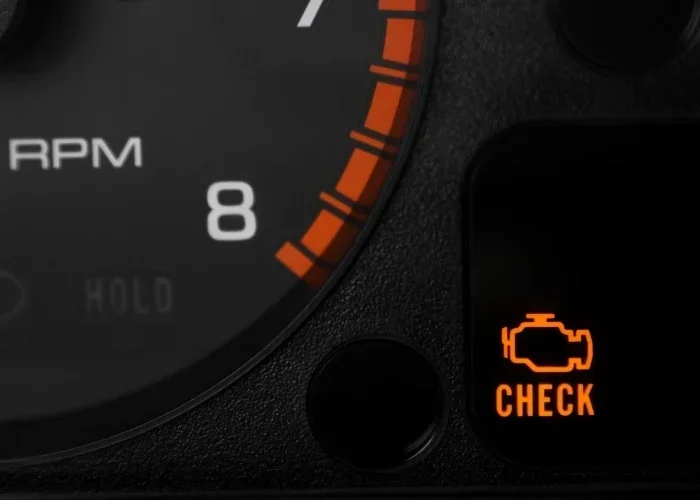
You are cruising down the highway, and suddenly a yellow or amber light pops up on your dashboard. It looks like an engine shape, and your stomach drops a little. The first question that hits your mind is simple: can I drive 50 miles with the check engine light on?
The answer is not a simple yes or no. It depends on what triggered the light and how your car is behaving right now. Sometimes the cause is nothing more than a loose gas cap. Other times, it could be a serious engine problem that needs immediate help.
This article breaks everything down for you. You will learn what the check engine light actually means, what common causes look like, and when it is safe to keep driving. We will also cover practical steps you can take right now to protect your car and your wallet.
Key Takeaways
- A solid check engine light often allows short-distance driving, but a flashing light is a serious emergency.
- Common causes include a loose gas cap, faulty oxygen sensor, or engine misfire.
- Using an OBD-II scanner can help you read trouble codes and understand the issue.
- Ignoring the light can lead to costly repairs, including damage to the catalytic converter.
- Immediate action steps include checking the gas cap, reducing speed, and visiting a mechanic.
- Driving safety should always come first when your dashboard warning lights are active.
- Regular car maintenance helps prevent check engine light triggers in the first place.
📑 Table of Contents
- What Does the Check Engine Light Mean?
- Common Causes of the Check Engine Light
- Can You Really Drive 50 Miles Safely?
- What Happens If You Ignore the Light?
- Quick Steps to Take Right Now
- When Should You Call a Mechanic?
- How to Prevent the Check Engine Light From Coming Back
- Expert Insight: The Real Risk of Long Drives with the Light On
- Key Takeaways
- Conclusion
What Does the Check Engine Light Mean?
The check engine light is part of your car’s onboard diagnostics system. This system monitors dozens of sensors and components in real time. When something falls outside the expected range, the light turns on to warn you.
The light can appear in two forms: solid or flashing. Each one tells a different story about the severity of the problem.
Solid Check Engine Light
A solid yellow or amber light usually means a non-emergency issue. Your car is still safe to drive in most cases. Common triggers include a loose fuel cap, a failing oxygen sensor, or a minor emission system fault.
Even with a solid light, you should not ignore it for too long. Small problems can grow into big repairs if left unchecked. Think of the light as a gentle nudge rather than a screaming alarm.
Flashing Check Engine Light
A flashing check engine light is a red flag. It typically signals a severe engine misfire. When unburned fuel enters the exhaust system, it can damage the catalytic converter. This repair can cost hundreds or even thousands of dollars.
If your light is flashing, pull over safely and stop driving. You should not attempt to drive 50 miles in this situation. Call for roadside assistance or a tow truck instead.
Common Causes of the Check Engine Light
Understanding what triggers the light helps you decide whether driving 50 miles is risky. Here are the most common reasons the light comes on.
Loose or Damaged Gas Cap
This is the simplest and most common cause. The gas cap seals your fuel system and keeps vapors from escaping. If the cap is loose, cracked, or missing, the system detects a leak and turns on the light.
Try tightening the cap first. If it is damaged, replace it. The light often goes off after a few driving cycles. This is one fix you can do yourself in under two minutes.
Faulty Oxygen Sensor
The oxygen sensor measures unburned oxygen in your exhaust. It helps the engine control unit adjust the fuel mixture. A failing sensor can reduce fuel efficiency and increase emissions.
Driving 50 miles with a bad oxygen sensor is generally safe in the short term. However, ignoring it for too long can hurt your engine performance and lead to higher fuel costs.
Engine Misfire
An engine misfire happens when one or more cylinders fail to fire correctly. You might feel a rough idle, hesitation, or vibration. Misfires can be caused by spark plugs, ignition coils, or fuel injectors.
A minor misfire might allow you to drive a short distance. But continued driving with a misfire can cause serious damage to your catalytic converter and exhaust system.
Catalytic Converter Issues
The catalytic converter reduces harmful emissions from your exhaust. When it fails, the check engine light comes on. Symptoms include reduced engine performance, dark exhaust smoke, and a rotten egg smell.
If you suspect a catalytic converter problem, avoid long drives. You can sometimes manage a short trip to the mechanic, but extended driving will make things worse.
Mass Airflow Sensor Failure
The mass airflow sensor tells the engine how much air is entering the combustion chamber. A faulty sensor leads to an incorrect fuel-air mixture. This can cause stalling, poor acceleration, and rough idling.
Short drives are usually okay with this issue, but you should get it fixed soon. Replacing the sensor is a relatively affordable repair compared to other engine problems.
Can You Really Drive 50 Miles Safely?
This is the big question, and the answer depends on several factors. Let us break it down by scenario so you know exactly what to expect.
Scenario 1: Light Is Solid and Car Drives Normally
If the check engine light is solid and your car feels normal, driving 50 miles is usually safe. You should keep your speed moderate and avoid heavy acceleration. Head straight to a mechanic or auto parts store for a diagnostic check.
Many people use a handheld OBD-II scanner to read the trouble codes themselves. These devices plug into a port under your dashboard and display error codes. Some newer vehicles even let you download an app to your phone that connects to the car’s computer system and reads codes wirelessly.
Scenario 2: Light Is Solid but Car Shows Other Symptoms
If the light is solid but you notice shaking, strange noises, or loss of power, be cautious. Limit your drive to the nearest safe location. Do not push the car for 50 miles if it is clearly struggling.
Pull over and assess the situation. Sometimes the safest move is to call a tow truck. It is better to spend a little money on a tow than to risk a major engine breakdown on the highway.
Scenario 3: Light Is Flashing
Do not drive any distance with a flashing check engine light. The risk of catalytic converter damage is too high. Turn on your hazard lights, pull over, and arrange for a tow.
Even if the light stops flashing after a few minutes, do not assume the problem is gone. The underlying issue still exists and will likely return.
What Happens If You Ignore the Light?
Ignoring the check engine light is one of the most common mistakes drivers make. Here is what can happen over time if you simply hope the problem goes away.
Reduced Fuel Efficiency
Many check engine light triggers relate to the fuel-air mixture. When the mixture is off, your engine burns more fuel than it should. You will notice the difference at the pump, and those extra costs add up fast.
Worsening Engine Damage
A small issue like a failing oxygen sensor can throw off the entire engine balance. Over time, this leads to increased wear on spark plugs, catalytic converters, and other expensive parts. What starts as a cheap fix can become a major repair bill.
Failed Emission Tests
In states and regions that require emission testing, a check engine light means automatic failure. You cannot pass inspection until the underlying issue is resolved and the light is cleared.
Stranded on the Road
The worst-case scenario is a complete breakdown. What could have been a simple repair becomes a roadside emergency. You end up paying for a tow, a rental car, and a much larger repair bill than you would have faced earlier.
Quick Steps to Take Right Now
If your check engine light just came on, here is what you should do immediately. These steps can help you stay safe and avoid further damage.
Step 1: Check the Gas Cap
Pull over safely and open the fuel door. Remove the gas cap, inspect it for cracks, and tighten it until it clicks. Drive for a few miles and see if the light goes off. This simple fix solves the problem in many cases.
Step 2: Reduce Your Speed
If the light is on and you are still driving, ease off the accelerator. Lower speeds reduce stress on the engine. Avoid highway driving if possible until you can get the car checked.
Step 3: Watch for Other Warning Signs
Pay attention to how the car feels. Is it shaking? Making unusual noises? Losing power? Any of these symptoms mean you should stop driving and call for help. Dashboard warning lights work together to tell you the full story.
Step 4: Get a Diagnostic Reading
Visit a local auto parts store or mechanic and ask them to read the trouble codes. Many stores offer this service for free. The codes will tell you exactly what triggered the light and help you decide on the next step. You can also try doing this yourself if you are comfortable with DIY car diagnostics using a basic OBD-II scanner tool.
Step 5: Decide on Safe Driving Distance
Based on the diagnostic results and how the car is performing, decide whether 50 miles is a reasonable distance. If the car drives smoothly and the codes point to a minor issue, short-distance driving is usually fine. If the codes suggest a serious problem, arrange for a tow instead.
When Should You Call a Mechanic?
Not every check engine light situation requires a professional, but some do. Here are clear signs that you need to see a mechanic right away.
- The check engine light is flashing.
- Your car is shaking, stalling, or losing power.
- You notice a strong burning smell or smoke.
- The temperature gauge is reading hot.
- The oil pressure warning light is also on.
- You hear loud knocking or clanking sounds from the engine.
These symptoms suggest a serious problem that could become dangerous or cause expensive damage. Do not try to tough it out and drive 50 miles. Get professional help immediately.
How to Prevent the Check Engine Light From Coming Back
Once you have fixed the issue, you want to keep the light off for good. Regular maintenance is the best prevention strategy.
- Check your gas cap every time you fill up. Make sure it seals properly.
- Follow the maintenance schedule in your owner’s manual. Replace spark plugs, air filters, and sensors on time.
- Use the recommended fuel grade for your vehicle. Using the wrong octane can trigger the light. If you are ever unsure, check whether 88 octane fuel is safe for your specific car model.
- Do not ignore dashboard warning lights for long periods. Address them quickly before they compound into bigger problems.
- Keep up with oil changes and other routine services. Clean oil keeps the engine running smoothly and reduces the chance of sensor faults.
Expert Insight: The Real Risk of Long Drives with the Light On
Many drivers wonder whether a 50-mile trip is really that different from a 10-mile trip. The truth is, longer drives put more stress on an already compromised engine. If the underlying issue involves fuel delivery or ignition timing, extended driving can amplify the damage.
A good rule of thumb is this: if the car drives normally and the light is solid, a short drive to the nearest mechanic is fine. If anything feels off, do not risk it. The cost of a tow is nothing compared to a destroyed catalytic converter or a blown engine.
Some drivers also wonder about their fuel level and warning lights in general. The same principle applies here: pay attention to what your car is telling you and act promptly.
Key Takeaways
- A solid check engine light often allows short-distance driving, but a flashing light is a serious emergency.
- Common causes include a loose gas cap, faulty oxygen sensor, or engine misfire.
- Using an OBD-II scanner can help you read trouble codes and understand the issue.
- Ignoring the light can lead to costly repairs, including damage to the catalytic converter.
- Immediate action steps include checking the gas cap, reducing speed, and visiting a mechanic.
- Driving safety should always come first when your dashboard warning lights are active.
- Regular car maintenance helps prevent check engine light triggers in the first place.
Conclusion
So, can you drive 50 miles with the check engine light on? The honest answer is: it depends. A solid light with no other symptoms? Probably yes, but get it checked soon. A flashing light or strange car behavior? No, do not drive at all.
The check engine light exists to protect your car and your wallet. It is a warning system, not a suggestion to keep driving. Treat it with respect, take quick action, and you will avoid most serious problems.
Next time that little engine icon lights up on your dashboard, do not panic. Follow the steps in this guide, get a diagnostic reading, and make a smart decision about whether to keep driving or call for help. Your car will thank you, and so will your budget.
Frequently Asked Questions
Is it safe to drive with the check engine light on?
It depends on whether the light is solid or flashing. A solid light with no other symptoms is usually safe for short drives. A flashing light means stop driving immediately and get professional help.
What is the most common reason the check engine light comes on?
A loose or damaged gas cap is the most common trigger. It is an easy fix that you can do yourself in minutes. Simply tighten the cap or replace it if it is cracked.
Can I drive 50 miles if the check engine light is flashing?
No. A flashing check engine light signals a serious engine misfire that can damage the catalytic converter. Do not drive any distance. Call a tow truck and have the car transported to a mechanic.
How much does it cost to fix a check engine light issue?
The cost varies widely depending on the cause. A loose gas cap costs nothing to fix. An oxygen sensor replacement might run $100 to $300. A catalytic converter repair can cost $1,000 or more. Getting a diagnostic reading is the first step to knowing the exact cost.
Will the check engine light turn off by itself?
Sometimes, yes. If the issue was minor, like a loose gas cap, the light may turn off after a few driving cycles. However, if the underlying problem persists, the light will come back on. It is always best to address the root cause.
Can I use an app to check my check engine light codes?
Yes, many modern apps connect to your car’s OBD-II port and read trouble codes directly. Some vehicles support wireless connections, and you can even download an app to help diagnose issues. Just make sure to use a reputable app and verify the codes with a professional mechanic.