How Much Can I Afford for a Car Here Is the Answer
Figuring out how much you can afford for a car is easier than you think. This guide walks you through simple calculations, hidden costs, and smart budgeting tips so you can make a confident car purchase. Whether you are buying new or used, understanding your true budget saves you from financial stress later.
Buying a car is one of the biggest financial decisions most people make. You see a shiny vehicle, fall in love with it, and suddenly you are dreaming about driving it home. But before you get carried away, there is one question you need to answer honestly: how much can I afford for a car?
The answer is not just about the sticker price on the windshield. It is about your income, your expenses, your lifestyle, and your long-term financial goals. Many people buy a car they cannot truly afford and then struggle with payments every single month. That is a situation you can easily avoid with the right approach.
This guide breaks down everything you need to know about setting a realistic car budget. From calculating your monthly limit to understanding hidden ownership costs, you will find clear, actionable steps. By the end, you will know exactly what price range fits your life and your wallet.
Key Takeaways
- Know Your Monthly Limit: Never let your car payment exceed 10-15% of your monthly take-home pay.
- Include Hidden Costs: Insurance, fuel, maintenance, and registration add thousands to the real price of ownership.
- A Larger Down Payment Helps: Putting more money upfront reduces your loan amount and saves on interest.
- New vs Used Matters: Used cars cost less upfront but may need more repairs over time.
- Use an EMI Calculator: It gives you a clear picture of your monthly obligation before you sign anything.
- Check Your Credit Score: A higher score gets you better interest rates and lower monthly payments.
📑 Table of Contents
Understanding Your Car Budget
Why Most People Overspend on Cars
Car dealerships are designed to make you excited. The nice smell inside the showroom, the smooth test drive, and the friendly salesperson all work together to push your emotions. Before you know it, you are agreeing to a price that looks fine on the spot but hurts your budget for years.
The truth is, how much you can afford for a car should be based on facts, not feelings. Your monthly income, existing debts, and everyday expenses all play a role. A good rule of thumb is to keep your total car-related spending under 15 to 20 percent of your monthly take-home pay. This includes the loan payment, insurance, fuel, and maintenance.
Many buyers focus only on the EMI and forget about everything else. That is a mistake. The car payment is just the beginning of the cost story.
The 20/4/10 Rule Explained
Financial experts often suggest the 20/4/10 rule for car buying. Here is what it means in simple terms:
- 20% Down Payment: Put at least 20 percent of the car price as a down payment.
- 4-Year Loan Term: Keep your loan period to four years or less.
- 10% of Monthly Income: Your total monthly car costs should not exceed 10 percent of your gross monthly income.
Following this rule keeps your car budget healthy and leaves room for savings and other expenses. It is one of the simplest ways to stay in control of your finances while owning a car you enjoy.
How to Calculate What You Can Afford
Step 1: Add Up Your Monthly Income
Start by writing down your total monthly income after taxes. This includes your salary, any freelance work, rental income, or side earnings. Be honest about what actually lands in your bank account each month.
If your income varies from month to month, use an average of the last three to six months. This gives you a realistic picture of what you can count on.
Step 2: List All Your Monthly Expenses
Next, list every regular expense you have. Rent or home loan, groceries, utilities, phone bill, insurance, subscriptions, and any existing loan payments. Do not forget small daily expenses like coffee, food delivery, and entertainment.
Once you subtract all these from your income, what is left is your discretionary budget. This is the money you can comfortably use toward a car payment and related costs.
Step 3: Set Your Car Spending Limit
Now apply the 10 to 15 percent rule. If your monthly income is around 50,000 rupees, your total car-related spending should stay between 5,000 and 7,500 rupees per month. This covers the EMI, fuel, insurance premiums, and basic maintenance.
Use a car affordability calculator online to test different scenarios. You can adjust the loan amount, interest rate, and loan term to see how each option affects your monthly payment. This simple tool gives you clarity before you even step into a dealership.
The True Cost of Owning a Car
Many buyers make the mistake of focusing only on the purchase price. But a car is not a one-time expense. It is a long-term financial commitment that comes with many costs you need to plan for.
Insurance Premiums
Car insurance is mandatory in India. The premium depends on the car type, engine size, your city, and your claim history. A small hatchback will cost less to insure than a large SUV or a luxury sedan. On average, expect to pay between 3,000 and 15,000 rupees per year for a standard vehicle.
Fuel or Charging Costs
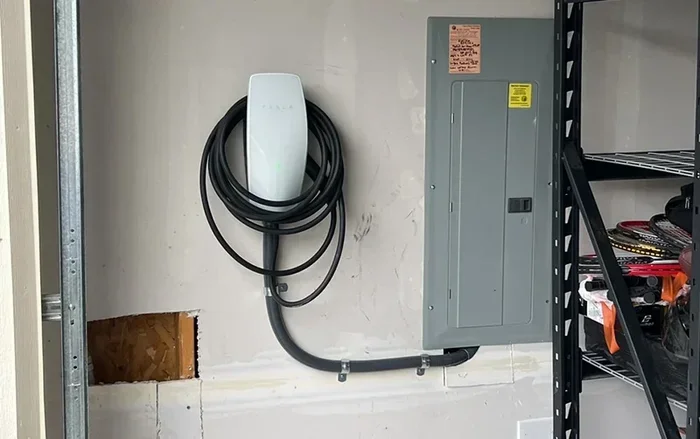
Your daily commute and driving habits directly affect fuel costs. If you drive a lot in city traffic, your fuel consumption will be higher. Consider a fuel-efficient model or even a hybrid if you drive long distances regularly. Electric vehicles are becoming more popular, and charging costs are much lower than petrol or diesel. However, you will need to check if charging infrastructure is available in your area before making the switch.
Maintenance and Repairs
Every car needs regular servicing. Oil changes, tire replacements, brake pads, and battery checks are routine costs that add up over time. New cars typically have lower maintenance costs in the first few years, but older vehicles may need more frequent repairs.
If you are buying a used car, always budget for unexpected repairs. A vehicle inspection before purchase can help you avoid surprise expenses later.
Registration, Road Tax, and Permits
When you buy a car, you also need to pay registration fees and road tax. These costs vary by state in India. Some states charge higher road taxes than others, so factor this into your total budget. You may also need pollution under control (PUC) certificates and parking permits depending on where you live.
New vs Used: Which Fits Your Budget Better?
This is one of the most common debates among car buyers. Both options have clear advantages and disadvantages. Let us look at them side by side.
| Factor | New Car | Used Car |
|---|---|---|
| Upfront Cost | Higher | Lower |
| Depreciation | Steeper in first years | Already absorbed |
| Maintenance | Lower initially | Varies, may be higher |
| Warranty | Usually included | Limited or none |
| Interest Rate on Loan | Lower | Slightly higher |
| Technology and Safety | Latest features | Depends on model year |
A new car gives you the latest technology, better safety features, and a full manufacturer warranty. But it also loses value quickly, especially in the first three years. A used car under 5 lakh can be a smart choice if you want to minimize depreciation losses and still get a reliable vehicle.
On the other hand, buying a used car requires more research. You need to check the vehicle history, get a mechanic inspection, and verify all documents. If you do your homework, a quality used car can serve you well for many years at a fraction of the cost.
For example, a 5 seater car under 8 lakh gives you plenty of options in the used market. You can often find well-maintained vehicles from just a few years ago at significantly lower prices. This approach frees up money for other financial goals like home savings or investments.
Tips to Stretch Your Car Budget Further
Want to get more car for your money? These practical tips can help you maximize value without overspending.
Negotiate the Price
Never accept the showroom price as final. Dealerships expect buyers to negotiate. Research the market price of the model you want before visiting the showroom. Check online platforms for price comparisons and recent sale prices. Walk in with confidence and aim for at least a 5 to 10 percent discount.
Choose a Shorter Loan Term
A longer loan term means smaller monthly payments but more interest paid overall. A shorter term saves you money on interest and helps you own the car faster. If your budget allows it, go for a 3 or 4-year loan instead of 5 or 7 years.
Skip Unnecessary Add-Ons
Dealers love to offer accessories and add-ons at the time of purchase. Extended warranties, cosmetic accessories, and premium audio systems sound appealing but inflate the total cost. Stick to what you truly need and skip the extras that do not add real value to your daily driving.
Consider Total Cost of Ownership
When comparing cars, look beyond the purchase price. A slightly more expensive car with better fuel efficiency and lower maintenance costs can actually save you money over five years. Think long-term, not just short-term.
Time Your Purchase
Car dealerships often offer better deals at the end of the month, quarter, or year when they are trying to meet sales targets. Also, festive seasons and exhibition days sometimes bring special discounts and offers. Patience can save you a significant amount of money.
Common Mistakes That Blow Your Car Budget
Focusing Only on the EMI
This is the biggest mistake car buyers make. A low EMI sounds attractive, but it often comes with a long loan term and high total interest cost. Always look at the total amount you will pay over the life of the loan, not just the monthly number.
Ignoring Your Credit Score
Your credit score directly affects the interest rate you get on a car loan. A score above 750 usually qualifies you for the best rates. A lower score means higher interest and higher monthly payments. Check your credit report before applying for a loan and fix any errors you find.
Buying Beyond Your Means
It is easy to fall in love with a car that is just outside your budget. But that extra amount each month adds up fast. A car that stretches your finances too thin leaves no room for emergencies or savings. Stay disciplined and buy within your actual means.
Not Accounting for Depreciation
Cars lose value over time. A brand new car can lose 15 to 20 percent of its value in the first year alone. If you plan to sell the car in a few years, this depreciation matters. Understanding this helps you make smarter choices about which car to buy and how much to spend.
Final Thoughts on Car Affordability
Knowing how much you can afford for a car is the foundation of a smart car purchase. It protects your finances, reduces stress, and helps you enjoy your vehicle without worry. The process is not complicated, but it does require honest self-assessment and a bit of planning.
Start by understanding your income and expenses. Set a clear monthly limit. Factor in all the costs of ownership, not just the purchase price. Choose between new and used based on what truly fits your budget and needs. And always remember that the best car is the one that feels comfortable in your wallet, not just your garage.
Take your time, do your research, and never let a salesperson rush you into a decision. A car is meant to make your life better, not harder. With the right budget and the right approach, you can drive away in a vehicle that fits both your lifestyle and your financial goals.
Whether you are looking at a compact hatchback or exploring options like a 60 lakh car in India, the same principles apply. Know your numbers, plan ahead, and buy with confidence. Your future self will thank you for making a smart, informed choice today.
And remember, owning a car is not just about the monthly payment. It is about the freedom, convenience, and joy of having your own set of wheels. Make that experience a positive one by staying within your means and planning wisely from the start.
Frequently Asked Questions
What is a good budget for buying a car in India?
A good car budget is one where your total monthly car expenses stay between 10 and 15 percent of your monthly income. This includes the loan EMI, fuel, insurance, and maintenance costs. Keeping your spending within this range ensures you can comfortably manage other financial responsibilities too.
Should I buy a new or used car to stay within budget?
A used car is usually the better choice if you want to stay within a tight budget. New cars cost more upfront and lose value quickly. A quality used car, especially one that is 2 to 3 years old, offers great value and lower depreciation. Just make sure to get a thorough inspection before buying.
How does a car loan EMI calculator help?
A car loan EMI calculator helps you estimate your monthly payment based on the loan amount, interest rate, and loan term. It lets you compare different scenarios and find a payment that fits your budget. Using one before visiting a dealership gives you confidence and helps you avoid overextending financially.
What hidden costs should I consider when buying a car?
Beyond the purchase price, you need to account for insurance, fuel, road tax, registration, parking, and regular maintenance. These costs add up over time and can significantly impact your monthly budget. Planning for these expenses from the start prevents financial surprises later.
How much down payment should I put on a car?
Aim for at least 20 percent of the car price as a down payment. A larger down payment reduces your loan amount, lowers your monthly EMI, and saves you money on interest. It also makes it easier to qualify for a loan with favorable terms.
Can I afford a car on a tight budget?
Yes, you can afford a car even on a tight budget if you plan carefully. Focus on fuel-efficient models, consider a used car, keep the loan term short, and stick to the 10 to 15 percent rule for monthly spending. There are many budget-friendly options available that deliver reliable transportation without straining your finances.
=== CONCLUSION ===
How much can I afford for a car is a question every buyer should answer before stepping into a showroom. Your budget depends on your income, your expenses, and your financial priorities. By following the tips and strategies in this guide, you can set a realistic price range and stick to it confidently.
Remember to account for all costs of ownership, not just the sticker price. Choose the option, whether new or used, that best fits your financial situation. And never let the excitement of buying a car push you into a decision you will regret.
A smart car purchase is one that brings you joy today and keeps your finances healthy for years to come. Use this guide as your roadmap, do your research, and drive away in a car that truly fits your life and your budget.