How Do You Unlock an Ignition Lock Cylinder Without a Key
Unlocking an ignition lock cylinder without a key is possible with the right tools and knowledge. This guide covers safe, proven methods to handle car ignition problems at home. You will learn practical car maintenance tips that save time and money.
There is nothing more frustrating than stepping up to your car and realizing your ignition lock cylinder is stuck. Whether your key broke off inside the barrel or the steering wheel lock seized up overnight, the situation can leave you feeling helpless. The good news is that you do not always need a locksmith to get back on the road. This guide walks you through practical methods to unlock an ignition lock cylinder without a key using tools you likely already have at home.
We will cover everything from understanding how the ignition lock mechanism works to step-by-step unlock techniques that are safe and effective. You will also learn when it is smart to call a professional and how to prevent future lockouts. Whether you are dealing with a stuck ignition key, a broken barrel, or a steering column lock that will not release, this guide has you covered.
Before you start, it is important to know that these methods work best for older vehicles and standard ignition systems. Newer cars with anti-theft ignition systems may require specialized tools or professional assistance. Always make sure you are the legal owner of the vehicle before attempting any of these steps. If you are unsure about anything, diagnosing the issue first can save you time and money.
Key Takeaways
- Multiple methods exist: You can unlock an ignition cylinder using simple tools like screwdrivers, heat, or lock picks.
- Safety comes first: Always confirm you own the vehicle before attempting any unlock method to avoid legal issues.
- Prevention is key: Regular maintenance and proper key care can prevent most ignition lock cylinder lockouts.
- Know when to call a pro: Some situations require professional lock cylinder repair to avoid costly damage.
- Modern alternatives help: Apps and diagnostic tools offer new ways to address car ignition problems in newer vehicles.
- Understanding the mechanism: Knowing how your ignition lock mechanism works makes troubleshooting much easier.
📑 Table of Contents
- Understanding How an Ignition Lock Cylinder Works
- Common Reasons Your Ignition Lock Cylinder Gets Stuck
- Tools and Methods to Unlock an Ignition Lock Cylinder Without a Key
- Step-by-Step Guide to Unlocking Your Ignition Cylinder
- When to Call a Professional for Ignition Cylinder Repair
- Preventing Future Ignition Lock Problems
- Conclusion
Understanding How an Ignition Lock Cylinder Works
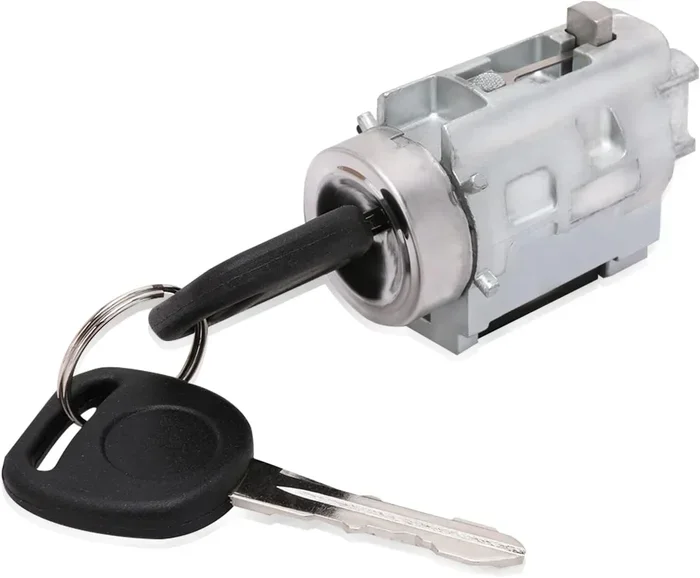
The ignition lock cylinder is the small cylindrical lock located on your steering column. It is where you insert your key and turn it to start the engine. Inside the cylinder, a series of pins align when the correct key is inserted, allowing the cylinder to rotate and engage the ignition switch. This sends power to the starter motor, fuel system, and ignition coil.
The Basic Mechanism
Most ignition cylinders use a wafer or pin tumbler system. When you insert the right key, the cuts on the key push the pins to the correct height. Once all pins align at the shear line, the cylinder can turn freely. This simple design has been used in cars for decades because it is reliable and cost-effective.
However, this mechanism can fail over time. Wear and tear on the pins, dirt buildup, or a damaged key can all cause the cylinder to seize. When that happens, you face a car ignition problem that can leave you stranded. Understanding how the system works helps you troubleshoot more effectively and choose the right unlock method.
Why the Cylinder Locks Up
Several factors can cause your ignition barrel to lock up unexpectedly. The most common culprit is a worn-out key that no longer aligns the pins correctly. Corrosion inside the cylinder from moisture exposure is another frequent cause. In some cases, the steering wheel lock engages automatically when the wheel is turned while the key is removed, locking the cylinder in place.
Debris such as dust, lint, or small particles can also work their way into the cylinder and obstruct the pins. Temperature changes can cause metal parts to expand or contract, making the cylinder stiff. Recognizing the root cause helps you choose the best solution and avoid repeating the problem.
Common Reasons Your Ignition Lock Cylinder Gets Stuck
Before jumping into unlock methods, it helps to understand why your cylinder got locked in the first place. Each cause points to a different solution, and knowing the reason saves you time and effort.
Worn-Out Key or Cylinder
A key that has been used thousands of times develops wear on its cuts. Over time, these worn cuts no longer align the internal pins correctly. The result is a car key not turning in the ignition. Similarly, the cylinder itself wears out, and the internal components become loose or misaligned. This is especially common in older vehicles with high mileage.
Steering Wheel Lock Engagement
Most cars have a built-in steering wheel lock that engages when you turn the wheel without the key inserted. This anti-theft feature locks the steering column and prevents the ignition cylinder from turning. If you accidentally turned the wheel after removing the key, the lock may engage and prevent you from starting the car. This is one of the most common reasons people think their ignition is broken when it is really just the steering lock.
Debris and Dirt Buildup
Dirt, dust, and debris can accumulate inside the ignition cylinder over time. This is especially true for vehicles parked outdoors or driven in dusty conditions. The debris interferes with the pin alignment and prevents the cylinder from rotating. Regular car cleaning and maintenance can help prevent this issue from worsening.
Anti-Theft System Activation
Many modern vehicles come equipped with anti-theft ignition systems that immobilize the engine if unauthorized entry is detected. These systems can sometimes activate falsely, locking you out of your own vehicle. A faulty transponder chip in the key or a glitch in the immobilizer system can trigger this lockout. In these cases, checking if your car supports app-based starting might offer a temporary workaround while you resolve the issue.
Tools and Methods to Unlock an Ignition Lock Cylinder Without a Key
Several methods can help you unlock an ignition cylinder without a traditional key. Each method works best in different situations, and some require specific tools. Let us explore the most effective approaches.
Method 1: Using a Flathead Screwdriver
For older vehicles with simple ignition systems, a flathead screwdriver can sometimes work. Insert the screwdriver into the ignition slot and gently turn it as if it were a key. This method works best when the cylinder is stuck due to a minor jam rather than a mechanical failure. Be gentle to avoid damaging the cylinder or breaking the screwdriver inside.
This technique is not foolproof and should only be attempted on vehicles where you are the owner. It works by applying direct pressure to the cylinder’s internal mechanism, bypassing the need for the key to align the pins properly.
Method 2: The Heat Technique
Cold weather can cause metal components to contract and stick. Using a hairdryer or a small heat gun, warm up the ignition cylinder for about one to two minutes. The heat expands the metal and can loosen a stuck cylinder. After warming the area, try inserting the key or using a tool to turn the cylinder.
This method is particularly effective for vehicles that have been sitting in cold garages or outdoors during winter. It is a simple car maintenance tip that can save you from a frustrating morning. Just be careful not to overheat the plastic surrounding the cylinder.
Method 3: Lock Picking Tools for Ignition Cylinders
Lock picking tools designed for ignition cylinders are available at most hardware stores. These tools mimic the action of a key by pushing the internal pins to the correct position. A basic ignition cylinder tool set includes a tension wrench and a pick. You insert the tension wrench into the bottom of the cylinder and use the pick to push each pin to the shear line.
This method requires patience and a steady hand. If you have never picked a lock before, practice on an old cylinder before attempting it on your car. Learning basic car diagnostics can also help you understand whether the lockout is mechanical or electrical in nature.
Method 4: Key Extraction and Replacement
If your key broke off inside the cylinder, you will need to extract the broken piece before you can unlock an ignition lock cylinder. Small needle-nose pliers or a key extraction tool can sometimes retrieve the broken key. Once removed, you can insert a new key and turn the cylinder. If extraction is not possible, ignition cylinder replacement may be the only option.
Comparison of Unlock Methods
| Method | Difficulty Level | Best For | Risk Level |
|---|---|---|---|
| Flathead Screwdriver | Easy | Older vehicles with simple locks | Medium |
| Heat Technique | Easy | Cold-weather lockouts | Low |
| Lock Picking Tools | Medium | Mechanical jam or worn pins | Medium |
| Key Extraction | Hard | Broken key inside cylinder | High |
Each method has its strengths and limitations. The heat technique carries the lowest risk of damage, while key extraction requires the most skill. Choose the method that matches your situation and comfort level. If you are unsure, it is always better to consult a professional.
Step-by-Step Guide to Unlocking Your Ignition Cylinder
Follow these steps carefully to safely unlock your ignition lock cylinder without a key. Take your time and do not force anything.
Step 1: Assess the Situation
First, determine what caused the lockout. Is the key stuck? Did the steering wheel lock? Is there visible damage to the cylinder? Understanding the problem helps you choose the right method. If you are uncertain, running a basic car diagnostic can reveal whether the issue is mechanical or related to the electrical system.
Step 2: Gather Your Tools
Collect the tools you need before starting. Common tools include a flathead screwdriver, a hairdryer, lock picking tools, needle-nose pliers, and a flashlight. Having everything ready prevents you from rushing or using improper substitutes that could cause damage to the cylinder or surrounding components.
Step 3: Apply the Unlock Method
Based on your assessment, apply the chosen method. If using heat, warm the cylinder evenly for one to two minutes. If using a screwdriver, apply gentle and steady pressure. If picking the lock, work each pin slowly and carefully. Never force the cylinder, as this can cause permanent damage to the ignition switch or steering column.
Step 4: Test the Cylinder
Once the cylinder turns, test it by inserting your key (if available) or by attempting to start the car. Listen for the engine to turn over and check that all dashboard lights activate normally. If the cylinder turns but the car does not start, the issue may be with the ignition switch rather than the cylinder itself.
After successfully unlocking the cylinder, take note of what caused the problem. This helps you prevent future occurrences and decide whether a permanent fix is needed. Documenting the issue also helps a mechanic diagnose the problem faster if you need professional assistance.
When to Call a Professional for Ignition Cylinder Repair
Not every lockout situation is suitable for a DIY fix. Knowing when to seek professional help saves you from costly mistakes and ensures your vehicle remains safe and roadworthy.
Signs You Need Expert Help
Call a professional if you notice any of the following signs: the cylinder feels completely solid with no give, you hear grinding sounds when trying to turn the key, the ignition switch does not respond at all, or the steering wheel lock will not release even after trying multiple methods. These symptoms suggest deeper mechanical or electrical issues that require specialized tools and expertise.
If your vehicle has a car ignition repair system that is integrated with the engine computer, attempting DIY fixes could cause more harm than good. Modern vehicles often require diagnostic equipment to reset the immobilizer after a lockout. A qualified mechanic has the right tools and knowledge to handle these systems safely.
Cost Considerations
The cost of professional lock cylinder repair varies depending on your vehicle model and the extent of the damage. Simple key extraction typically costs between $50 and $150. Full cylinder replacement can range from $200 to $500 including parts and labor. While these costs may seem high, they are far less than the expense of replacing a damaged ignition switch or steering column caused by a DIY attempt gone wrong.
Preventing Future Ignition Lock Problems
The best way to deal with an ignition lockout is to prevent it from happening in the first place. A few simple habits can keep your ignition lock cylinder working smoothly for years to come.
Regular Maintenance Habits
Keep your ignition cylinder clean by periodically spraying a small amount of graphite lubricant into the key slot. Graphite is dry and does not attract dust like oil-based lubricants. Avoid using WD-40 or similar products, as they can attract debris and cause buildup over time. A clean cylinder operates smoothly and lasts longer.
Regularly inspect your key for signs of wear. If you notice the key is bent, the cuts are worn, or the key feels loose in the cylinder, consider getting a key extraction service or a new key cut before it breaks inside the barrel. Prevention is always cheaper and easier than repair.
Key Care Tips
Treat your ignition key with care. Do not use the key to pry open packages or hang heavy keys on a single keyring. The key is a precision tool, and excessive force can wear down the cuts over time. Keep a spare key in a safe place so you are never completely stranded if the primary key fails.
When parking, always ensure the steering wheel is straight before removing the key. This prevents the steering wheel lock from engaging and putting unnecessary stress on the ignition cylinder. It is a small habit that makes a big difference over the life of your vehicle.
When to Replace the Entire Cylinder
If your cylinder has been stuck multiple times or shows visible damage, it may be time for an ignition cylinder replacement. Replacing the entire cylinder is more reliable than repeatedly repairing a worn-out unit. A new cylinder comes with a fresh set of pins and a new key, giving you a clean start and better security against ignition lockout situations.
Consider upgrading to a high-security cylinder if you live in an area with high theft rates. These cylinders use advanced pin configurations and anti-pick features that make unauthorized access much harder. While they cost a bit more, the added peace of mind and improved anti-theft ignition protection are well worth the investment.
Conclusion
Knowing how to unlock an ignition lock cylinder without a key is a valuable skill for any car owner. Whether you use the heat method, a screwdriver, or lock picking tools, the key is to approach the problem calmly and methodically. Always start by identifying the cause of the lockout and choose the method that best fits your situation and skill level.
Remember that prevention is your best defense. Regular maintenance, proper key care, and timely replacements keep your ignition lock mechanism in top shape. When DIY methods are not enough, do not hesitate to call a professional. A skilled locksmith or mechanic can handle even the most stubborn lockouts safely and efficiently.
Take what you have learned from this guide and apply it the next time you face a car ignition problem. With the right knowledge and tools, you can get back on the road quickly and confidently. Stay prepared, stay safe, and keep your vehicle running smoothly for years to come.
Frequently Asked Questions
Can I unlock my ignition cylinder with a screwdriver?
Yes, a flathead screwdriver can work on older vehicles with simple ignition systems. Insert the screwdriver into the key slot and turn it gently. This method bypasses the pin mechanism and directly engages the cylinder. However, be careful not to damage the cylinder or break the screwdriver inside the ignition barrel.
Why does my steering wheel lock when I remove the key?
The steering wheel lock is an anti-theft feature that engages when you turn the wheel without the key inserted. It locks the steering column to prevent the car from being driven. To release it, gently wiggle the steering wheel left and right while inserting the key and turning it. This disengages the lock and allows the cylinder to rotate freely.
How much does it cost to replace an ignition lock cylinder?
The cost varies by vehicle model and labor rates. On average, you can expect to pay between $200 and $500 for a full cylinder replacement including parts and labor. Simple key extraction is usually cheaper, ranging from $50 to $150. Always get a quote from a trusted mechanic before proceeding with the replacement.
Can cold weather cause my ignition cylinder to lock up?
Yes, cold weather can cause metal components inside the ignition cylinder to contract and stick. This is especially common in winter months or in vehicles parked outdoors. Using a hairdryer to warm the cylinder for one to two minutes can often loosen the stuck components and allow you to turn the cylinder normally.
Is it legal to unlock my own ignition cylinder without a key?
Yes, it is legal as long as you are the legal owner of the vehicle. These methods are intended for situations where you have lost your key, had a key break, or experienced a mechanical failure. Attempting to unlock a vehicle that does not belong to you is illegal and can result in serious legal consequences.
What should I do if my key breaks off inside the ignition cylinder?
First, try to extract the broken piece using needle-nose pliers or a key extraction tool. If you cannot reach the broken key, do not force anything. Seek professional help for key extraction to avoid damaging the cylinder further. In some cases, the entire cylinder may need to be replaced if the broken key cannot be safely removed.